


Up To 70% Off Black Friday Sale
More brands added | Shop now
20% Off Full-Price Items
Shop now
Camp & Travel Up To 70% Off
Daily deal! Shop now
Wondery Run
1 result


Wondery
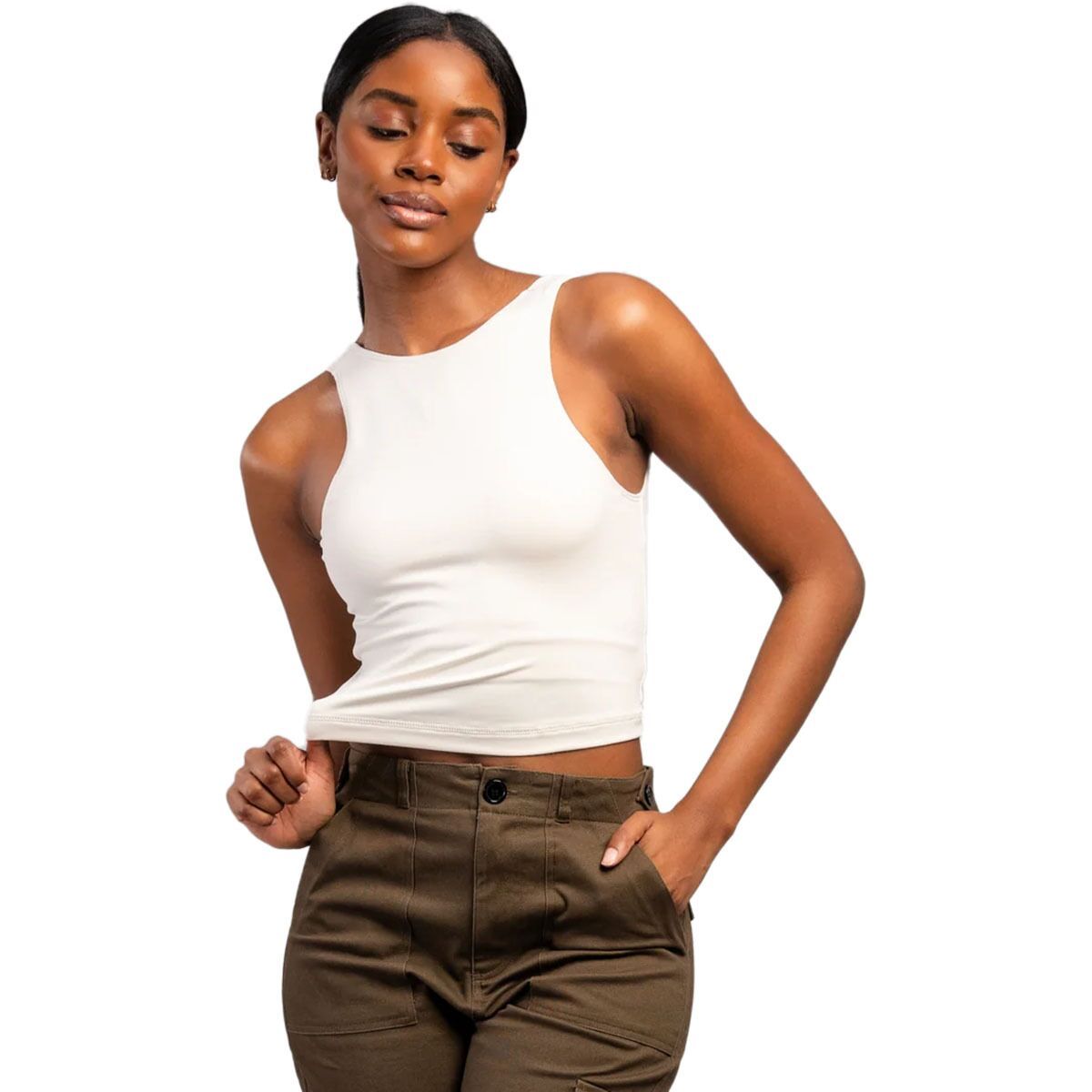
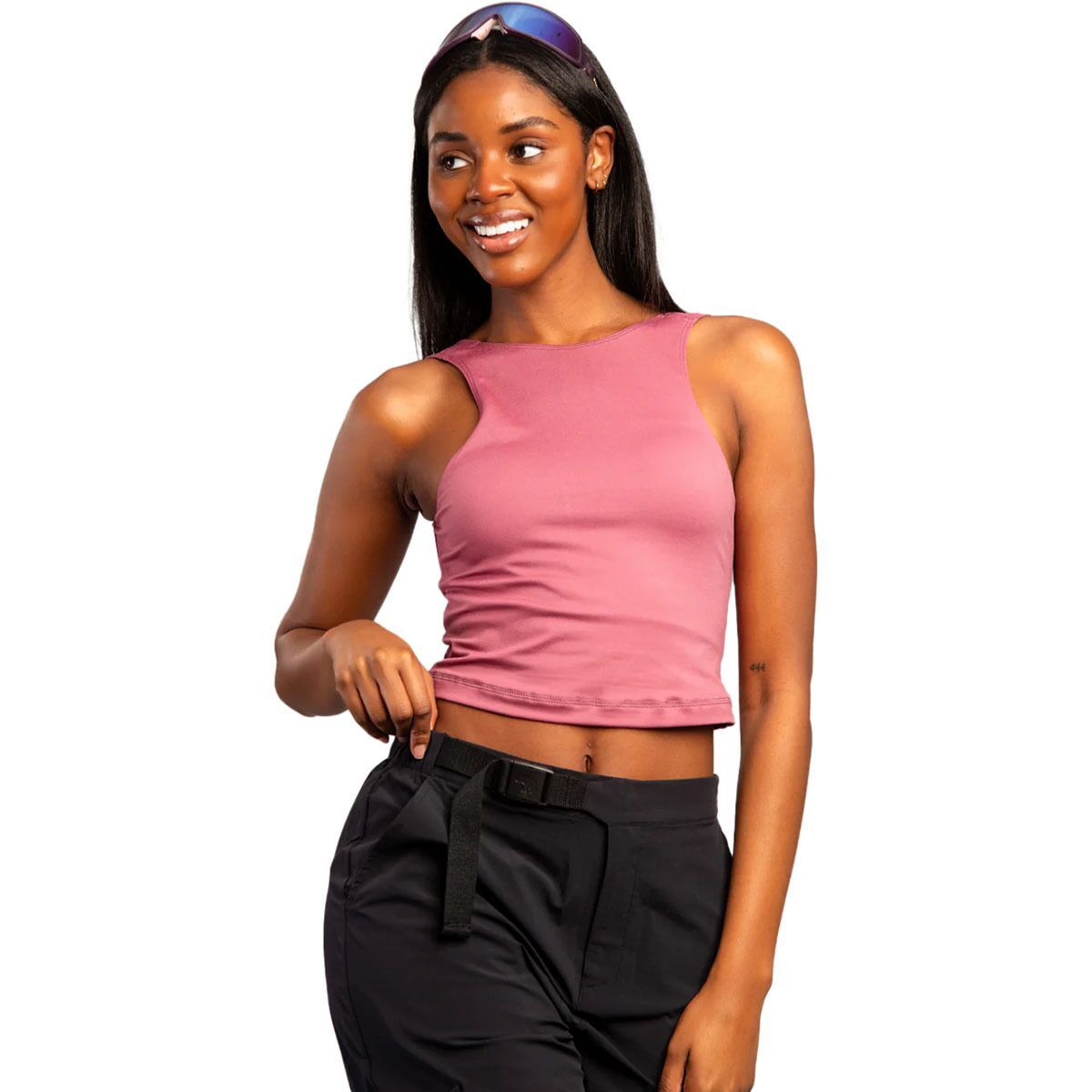
Chuparosa Tank Top - Women's
2 colors
Current price: $24.00 Original price: $47.95
50% off
Black Friday Sale | Limited Time Only
Related Categories


Frequently Asked Questions
How do I choose between road-running and trail-running shoes for my workouts?
Road-running shoes are built for pavement: lighter uppers, softer midsole foams, and shallower, smoother outsoles for cushioning and rebound on hard surfaces. Trail shoes prioritize durable uppers, stiffer midsoles, deeper lugged outsoles, and often rock plates or reinforced toe caps for protection on technical dirt and rocky terrain. Match the shoe to the surface you run most often and prioritize protection and traction for trails versus weight and flexibility for roads.How should a running shoe fit and what sizing tips help avoid blisters or numbness?
Aim for about a thumb’s width of space between your longest toe and the shoe tip, a secure heel lock without slipping, and a snug but not tight midfoot when laced. Try shoes at the end of the day with the socks you’ll run in, allow for slight foot swell on long runs, and account for insoles or orthotics by sizing up if needed. A proper fit reduces hot spots and helps maintain natural toe splay during longer efforts.What midsole foams and plate technologies change how a shoe feels and performs?
Midsole materials such as EVA, polyurethane, and newer high-rebound foams (PEBA-based compounds) trade off durability, softness, and energy return; softer foams feel plush while high-rebound foams feel snappier. Carbon-fiber or TPU plates and rocker geometries increase propulsion and improve toe-off efficiency, especially at faster paces, but can reduce flexibility and feel. Choose foam and plate combinations based on your priority: long-run comfort, daily training versatility, or race-day speed.How long do running shoes typically last and what signs mean it’s time to replace them?
Most road shoes last roughly 300–500 miles depending on foam density, runner weight, and running surfaces, while trail shoes can vary more due to lug wear and rock impacts. Replace shoes when you see significant midsole compression, outsole lugs worn flat, or when you start noticing new aches or a loss of cushioning and responsiveness. Rotating two or more pairs can extend lifespan and help you spot when one pair is breaking down.How do lightweight “speed” shoes compare to cushioned daily trainers, and which should I choose?
Speed shoes (racing flats or super shoes) typically have lower stack heights, firmer or highly responsive foams, and plate technology to maximize efficiency and pace but sacrifice long-term cushioning and durability. Daily trainers offer more cushioning, stability features, and durability for higher weekly mileage and recovery runs. Pick speed shoes for races and targeted workouts where weight and propulsion matter, and daily trainers for most regular runs and longer distances.