


20% Off Full-Price Items
Shop now
Up To 50% Off Winter Sale
Shop now
Get An EXTRA $50 Cash Back*
Summit+ exclusive
Western Mountaineering Travel
2 results


Western Mountaineering
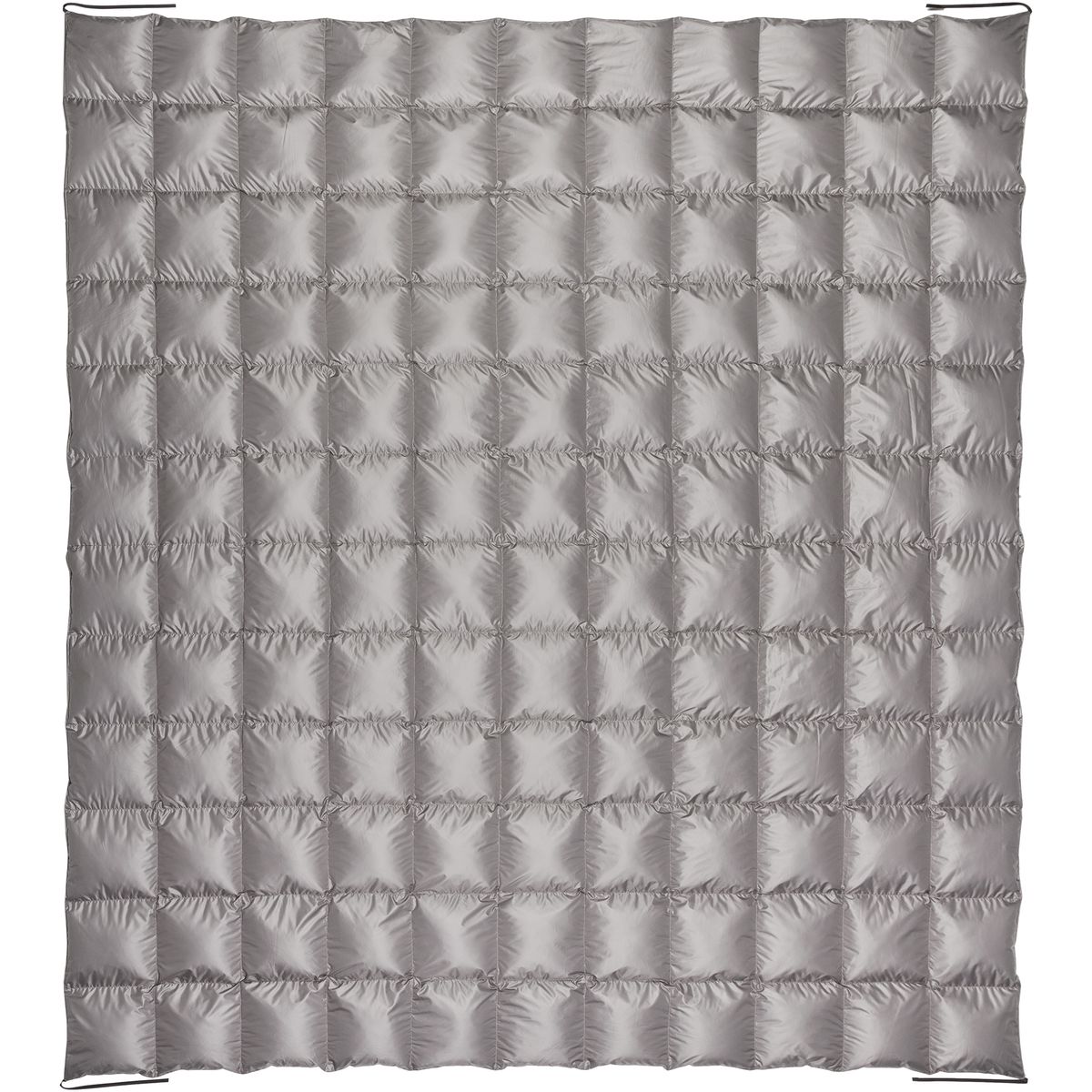
Cloud 9 Comforter
1 color
$412.00 - $695.00
10% Cashback Eligible

Western Mountaineering
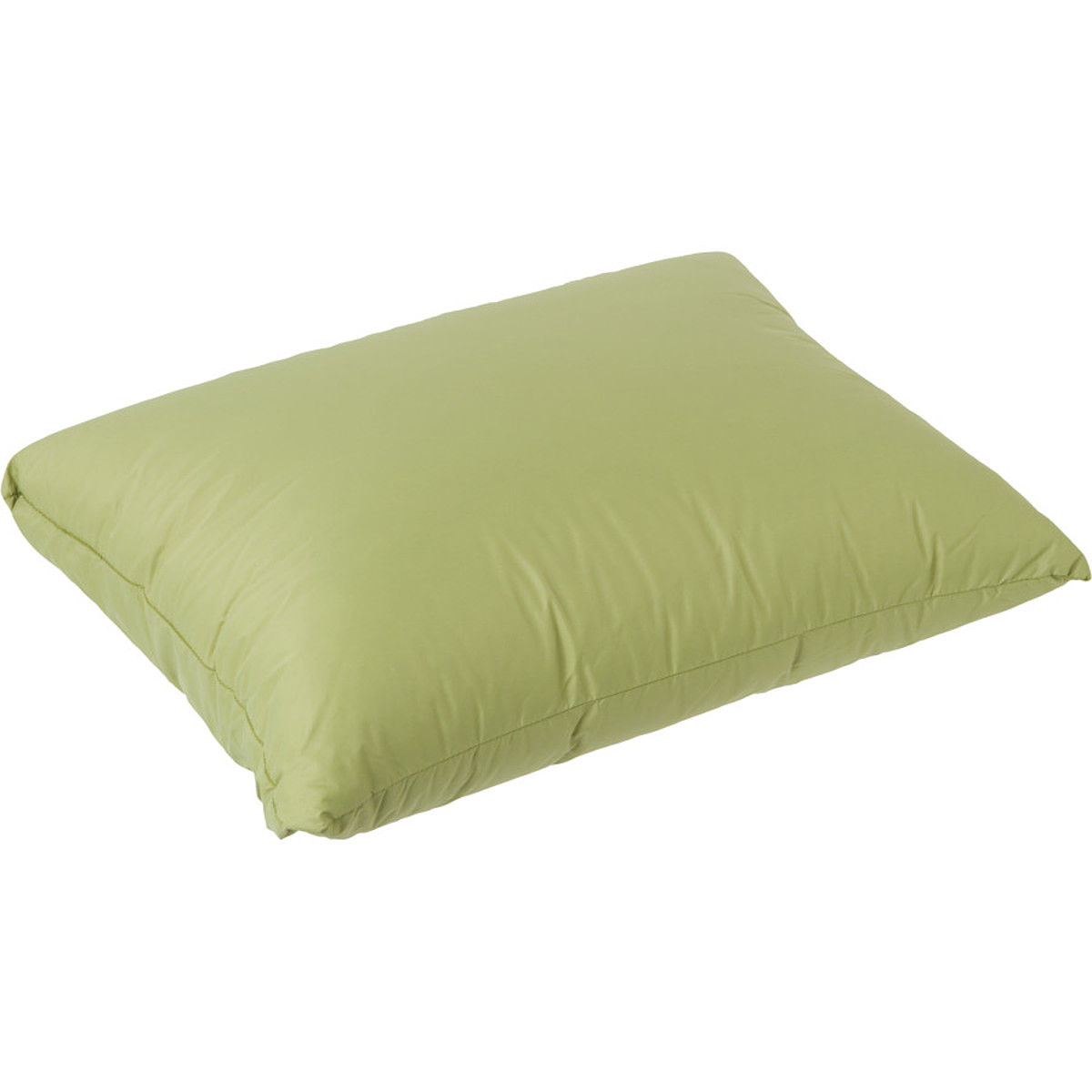
Cloudrest Down Pillow
1 color
$85.00
(3)
Related Categories
 Western Mountaineering Blankets
 Western Mountaineering Camping Pillows
 Western Mountaineering Down Sleeping Bags
 Western Mountaineering Sleeping Bags
 Western Mountaineering Sleeping Bag Liners
 Western Mountaineering Men's Hike & Camp Jackets
 Western Mountaineering Men's Hiking Clothing
 Western Mountaineering Men's Down Jackets
 Western Mountaineering Men's Insulated Jackets
 Western Mountaineering Men's Winter Shoes
Frequently Asked Questions
How warm is the Western Mountaineering UltraLite and how should I interpret its temperature rating?
Western Mountaineering rates the UltraLite for three-season use (field reports put it around a 20°F lower limit with a liner or sleep clothes), but real-world comfort depends on your sleep system, clothing, and metabolism. Temperature ratings assume minimal layering and a sleeping pad; adding a vapor barrier liner (VBL) or warmer base layer can lower your perceived limit for cold trips. Use the UltraLite for backpacking and thru-hikes where warmth-to-weight and packability are priorities.How does the Monolite compare to the UltraLite — which should I choose for lightweight travel?
The Monolite is a minimalist ultralight bag with a half-length zipper, about 13 oz (370 g) total weight and ~6.75 oz (192 g) fill weight, designed for warm three-season use (around 36°F/2°C), while the UltraLite is heavier and warmer (roughly 1 lb 13 oz / 825 g) with more down and full-featured baffling for colder nights. Choose the Monolite if absolute pack weight and summer comfort matter; pick the UltraLite for broader temperature versatility and more thermal features on mixed-season trips. Consider your typical night temperatures and whether you want a full hood, draft collar, and insulated draft tube when deciding.What construction features prevent cold spots and help retain heat in Western Mountaineering bags?
Western Mountaineering uses full micro-baffled or continuous-baffle construction and 3D full down collars to eliminate sewn-through seams and down migration, which minimizes cold spots. Insulated draft tubes, offset interlocking zippers, and V‑Block side baffles on winter models further seal heat into the sleeping cavity. Those combined details, plus high-fill‑power (850+ goose) down, maximize warmth-to-weight and sleeping comfort.How should I size a Western Mountaineering mummy bag for backpacking or thru-hiking?
Check the bag’s shoulder/hip/foot girth and available lengths — Western Mountaineering offers lengths typically from 5’6” to 7’0” and shoulder girths in the high‑50 to mid‑60-inch range; pick a length that accommodates your height plus minimal room for loft. The differential cut gives extra outer shell room for loft without excess internal volume, but if you have broad shoulders or prefer room to move, choose a larger girth or the next length up. Also factor in sleep clothing and pad thickness since an overly snug mummy fit reduces loft and warmth.Which shell fabrics and insulation choices are best for damp or alpine conditions?
For three‑season backpacking, ExtremeLite™ or MicroLite XP™ shells paired with 850+ fill‑power goose down give the best warmth‑to‑weight and breathability; they’re lightly DWR‑treated but are more vulnerable if soaked. In spindrift, high-wind, or snow-prone alpine use, StormShield™ laminate or GORE‑TEX INFINIUM™ shells offer better wind and spindrift resistance and reduce condensation issues. For very wet or prolonged cold conditions, consider adding a vapor barrier liner (VBL) or selecting models with more protective shells and plan for careful moisture management in camp.