


20% Off Full-Price Items
Shop now
Black Friday Sale: Up To 60% Off
Shop Now
UnParallel Climb
12 results


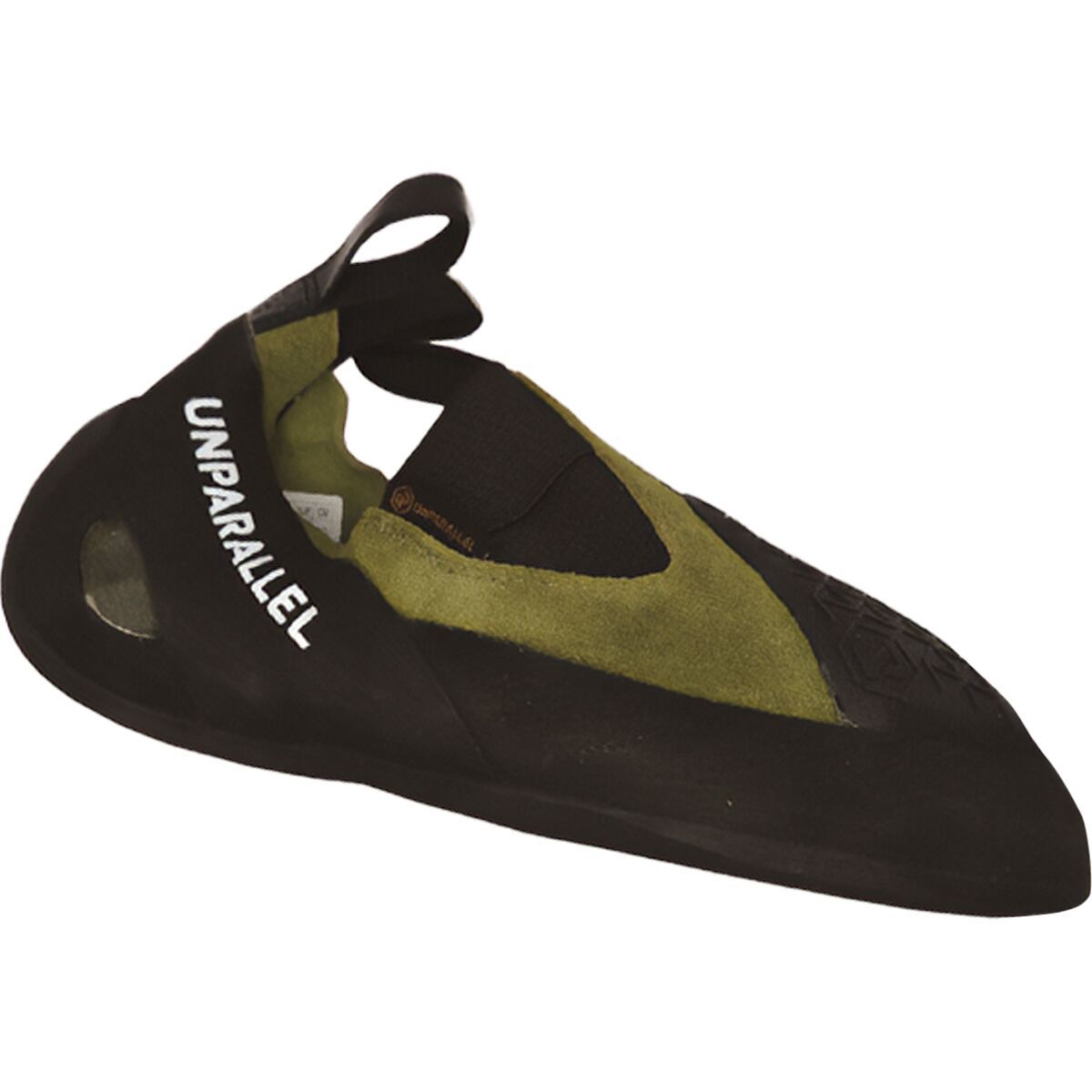
UnParallel
Up Mocc Climbing Shoe
2 colors
$134.50
Discount Applies In Cart
(15)

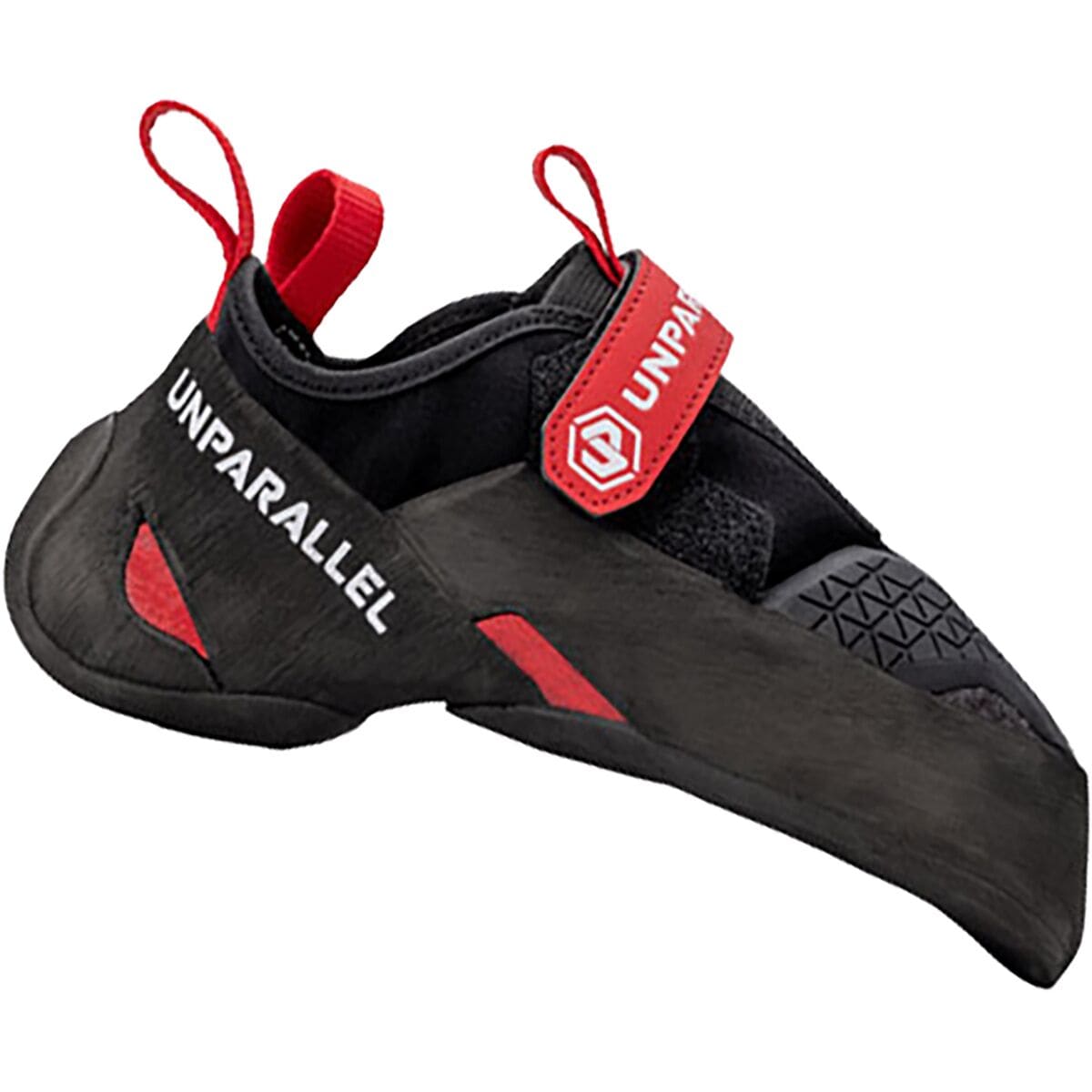
UnParallel
TN Pro Climbing Shoe
1 color
$179.85
Discount Applies In Cart
(4)

UnParallel
Flagship Pro Climbing Shoe
1 color
$195.95
Discount Applies In Cart
(3)

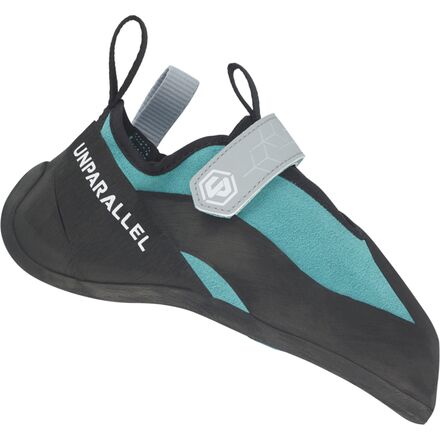
UnParallel
Flagship LV Climbing Shoe - Women's
1 color
$195.95
Discount Applies In Cart
UnParallel
TN Pro LV Climbing Shoe
1 color
$179.85
Discount Applies In Cart
(1)

UnParallel
Flagship Climbing Shoe
1 color
$195.95
Discount Applies In Cart
(3)

UnParallel
Vim Climbing Shoe
1 color
$156.65
Discount Applies In Cart
(1)

UnParallel
Up-Rise Pro Climbing Shoe
1 color
$169.25
Discount Applies In Cart
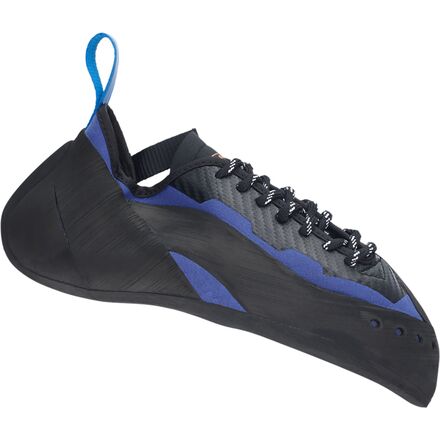
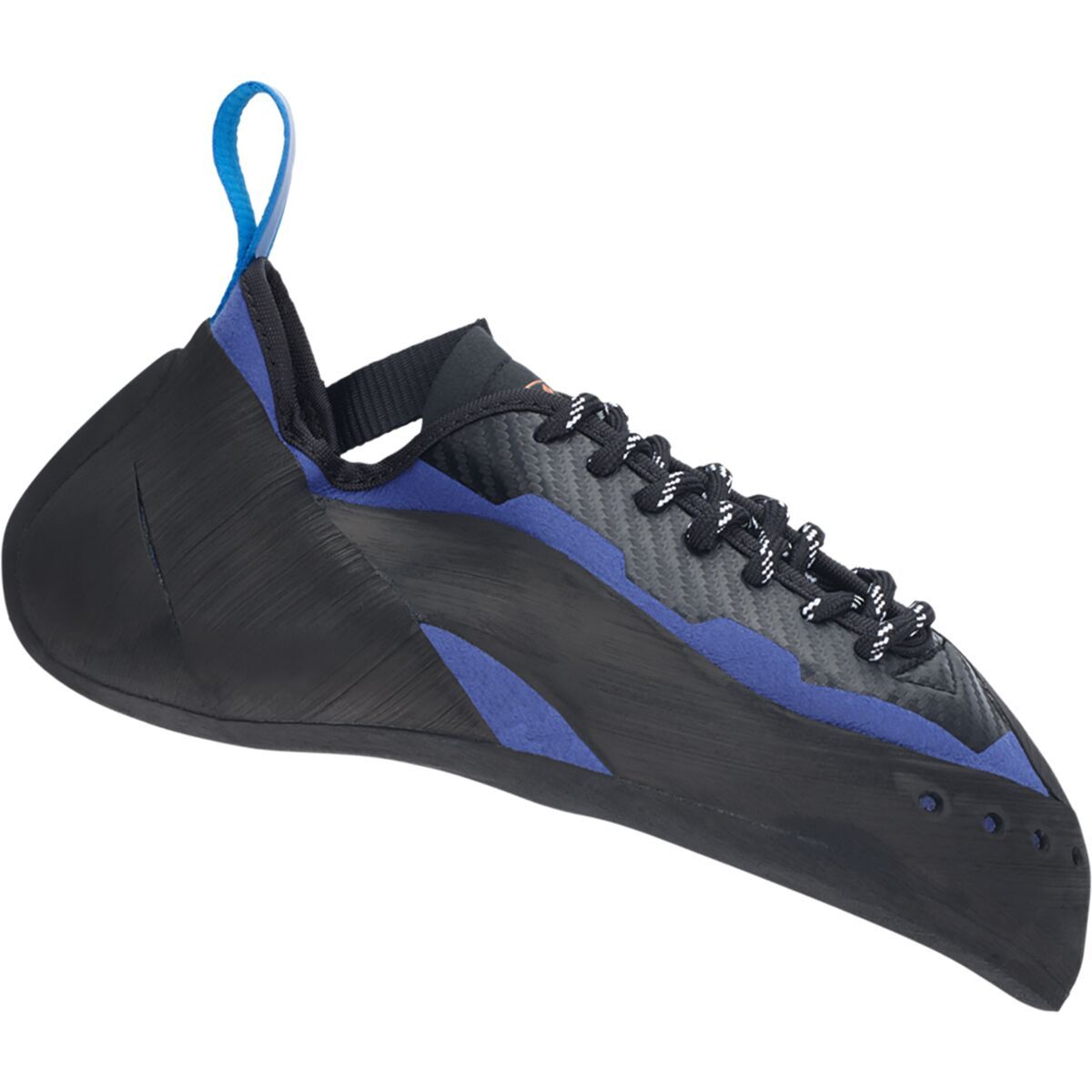
UnParallel
Sirius Lace Climbing Shoe
1 color
$176.15
Discount Applies In Cart
(2)
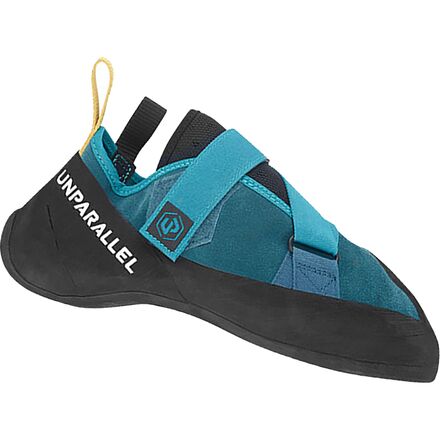
UnParallel
Up Pivot Climbing Shoe
1 color
$166.75
Discount Applies In Cart
(2)
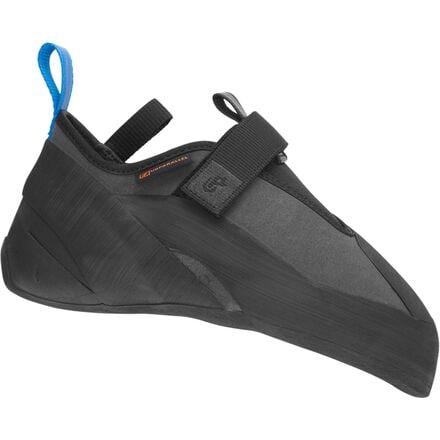
UnParallel
Regulus Climbing Shoe
1 color
$160.65
Discount Applies In Cart

UnParallel
Regulus LV Climbing Shoe
1 color
Current price: $109.66 Original price: $156.65
30% off
Black Friday Sale | Limited Time Only
Related Categories
Frequently Asked Questions
How do I choose the right climbing shoe for my discipline and skill level?
Choose shoes by discipline and fit: sport and bouldering shoes (e.g., La Sportiva Miura, Scarpa Instinct) are typically more downturned and aggressive for edging and steep terrain, while all-day or beginner shoes (e.g., La Sportiva Tarantulace, Five Ten Anasazi) prioritize comfort and support. Fit should be snug with minimal dead space—enough to stand on small edges but not so tight that pain limits climbing time. Consider closure type (lace for precise fit, Velcro for quick on/off) and rubber compound for the rock type you'll climb on.What’s the difference between single, half (double), and twin ropes, and which should I pick?
Single ropes are designed for most sport climbing and single-pitch trad routes and are used alone; half (double) ropes are clipped alternately for long, wandering routes to reduce rope drag and improve fall dynamics; twin ropes are clipped together like a single rope and are used for glacier travel or alpine objectives where redundancy is key. Look for dry-treated cores and sheaths if you expect wet or icy conditions, and check UIAA and CE markings to ensure the rope meets safety standards. Choose rope diameter and construction based on weight, durability, and the protection style you use.How do assisted-braking belay devices like the Petzl GriGri compare to tubular devices like the Black Diamond ATC?
Assisted-braking devices such as the Petzl GriGri provide a camming mechanism that helps lock the rope during a fall and are popular for sport climbing and belaying heavier climbers, while tubular devices like the Black Diamond ATC are lighter, simpler, and offer smoother lowering and better performance with a wide range of rope diameters. Assisted-braking devices require familiarization for lowering and paying out rope smoothly; tubular devices give more direct control and are often preferred for multi-pitch and guiding situations. Match device choice to the rope diameter, climbing style, and belayer experience.How should a climbing harness fit and which features matter for trad versus sport climbing?
A harness should sit high on your hips so the belay loop is centered and the waist buckle can be tightened without slipping; leg loops should be snug but allow movement, and adjustable leg loops help with layering in alpine use. For sport climbing, look for padded waistbands and multiple gear loops (e.g., Black Diamond Solution), while trad harnesses favor lightweight construction, higher gear loop count, and a haul loop (examples include Petzl Sitta for ultralight trad). Also consider tie-in points, belay loop strength, and comfort for hanging on aid or long belays.