


Up To 20% Off Full-Price Items
Shop now
EXTRA 20% Off Clearance
Shop now | Ends 11/9
Get An EXTRA $50 Cash Back*
Summit+ exclusive
Umpqua
12 results

Umpqua
Rivergrip Scissor/Forceps Curved
2 colors
$23.99
Discount Applies In Cart | Ends 11/16

Umpqua
Rivergrip Big Nip Tungsten
3 colors
$23.99
Discount Applies In Cart | Ends 11/16

Umpqua
Rivergrip Ultra Mit Scissor/Forceps
1 color
$29.99
Discount Applies In Cart | Ends 11/16

Umpqua
UPG Sili Essential Fly Box
2 colors
$21.99 - $27.99
Discount Applies In Cart | Ends 11/16

Umpqua
Rivergrip Hemo/Forceps Curved
2 colors
$16.99
Discount Applies In Cart | Ends 11/16

Umpqua
Rivergrip Scissor/Forceps Strait
2 colors
$23.99
Discount Applies In Cart | Ends 11/16

Umpqua
Rivergrip PS 5in Straight Clamp
3 colors
$16.99
Discount Applies In Cart | Ends 11/16

Umpqua
Rivergrip Cut-All Bench Tool
2 colors
$11.99
Discount Applies In Cart | Ends 11/16

Umpqua
UPG Sili Wp Essential Fly Box
2 colors
$44.99
Discount Applies In Cart | Ends 11/16

Umpqua
UPG Sili Daytripper Fly Box
1 color
$27.99 - $32.99
Discount Applies In Cart | Ends 11/16

Umpqua
UPG Foam Wp Essential Fly Box
1 color
$39.99
Discount Applies In Cart | Ends 11/16

Umpqua
UPG Foam Essential Fly Box
1 color
$27.99
Discount Applies In Cart | Ends 11/16
(1)
Related Categories

Frequently Asked Questions
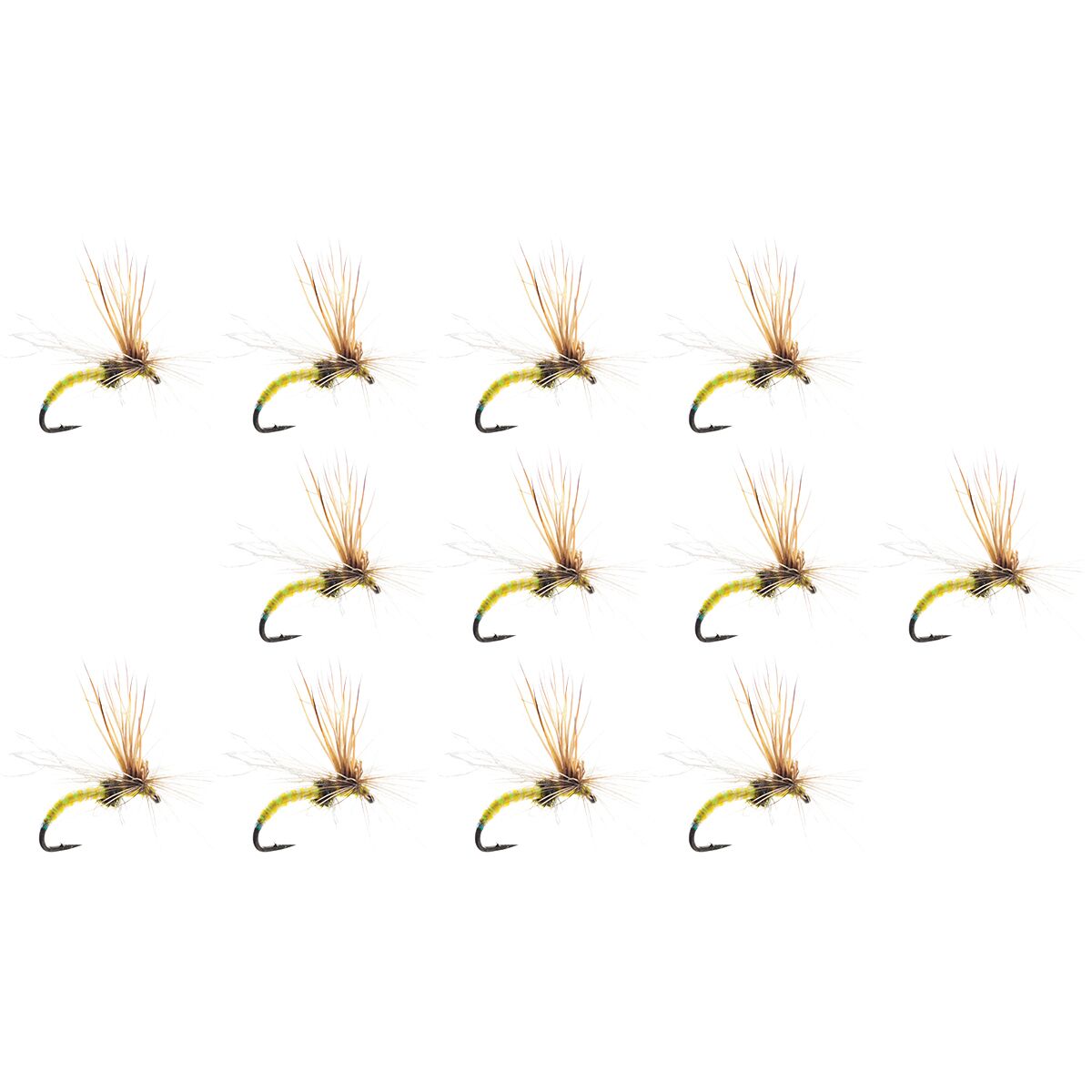
What makes the Umpqua HOT MESS MIDGE effective for picky trout?
The HOT MESS MIDGE is tied to imitate a vulnerable midge stage, giving a very natural drift that triggers selective trout. It’s offered in precise small sizes (18, 20, 22) and colors like Black and Cream, and is hand-tied with premium feathers, threads and synthetics for realistic profile and durability.How should I choose size and color when buying Umpqua midge patterns?
Match size to the hatch—use 18 for slightly larger midges and 20–22 for ultra-fine, technical situations—and pick color for contrast in your water: Black for visibility/low light, Cream for a subtler, natural silhouette. Also consider water clarity and trout selectivity; smaller, paler patterns often work best on clear, pressured water.What leaders and tippets pair best with Umpqua midge flies?
For small midge patterns, use a long, fine leader and light tippet to preserve delicate drag-free drifts—many anglers favor 6X–7X tippet for sizes 20–22 and 5X–6X for size 18 depending on fish size. Choose fluorocarbon when low visibility matters or a fine sinking mono when you need a slightly deeper presentation.How does the HOT MESS MIDGE compare to a standard midge emerger pattern?
Compared to a generic midge emerger, the HOT MESS MIDGE is specifically tied to portray an especially vulnerable stage—its profile, hackle placement and lightweight construction emphasize natural drift and hookup rates on selective fish. It’s offered in a range of small sizes and realistic colors, making it a focused choice for technical trout fishing.Are Umpqua flies hand-tied and what materials or construction details should I look for?
Yes, Umpqua patterns are hand-tied using quality feathers, threads and modern synthetics to achieve lifelike buoyancy and silhouette appropriate to the insect stage. When choosing a pattern, inspect hackle/body construction for the intended stage (dry, emerger, nymph), hook quality and finish, and consult the product tech specs for hook type and exact materials.