


Up To 20% Off Full-Price Items
Shop now
EXTRA 20% Off Clearance
Shop now | Ends 11/9
Get An EXTRA $50 Cash Back*
Summit+ exclusive
Tyrolia Ski
14 results

Tyrolia
Attack 14 GW Binding - 2027
5 colors
$279.00

Tyrolia
Defiance 11 Gripwalk Ski Binding - 2027
1 color
Current price: $109.99 Original price: $200.00
45% off
Winter Sale

Tyrolia
Attack 14 GW Ski Binding - 2025
3 colors
Current price: $240.00 Original price: $300.00
20% off
Winter Sale
(1)


Tyrolia
Attack LYT 11 GW Binding - 2027
4 colors
$239.00
(1)

Tyrolia
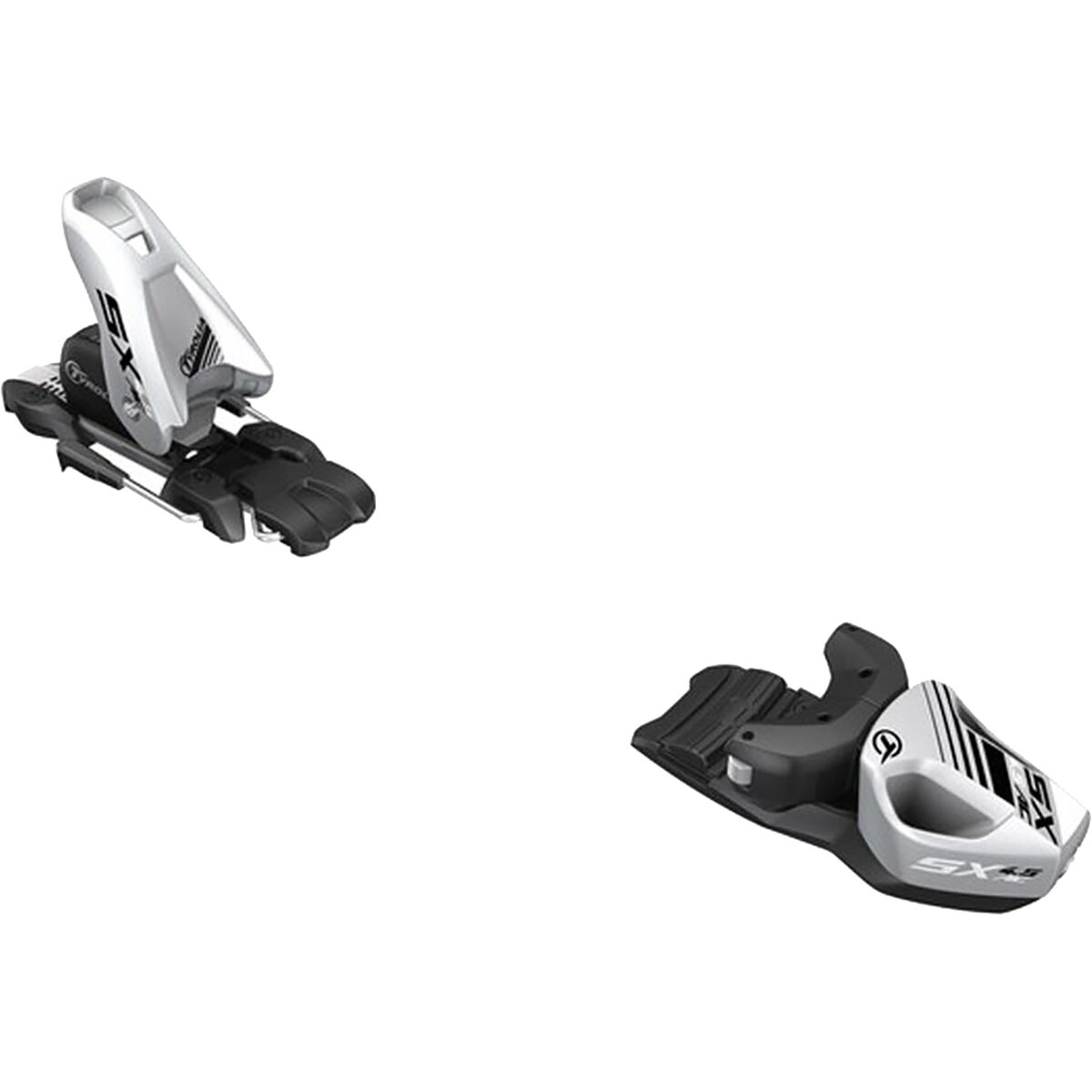
Sx 4.5 Gw Ac Ski Binding
3 colors
Current price: $37.50 Original price: $125.00
70% off
Extra 10% Off Clearance | Ends 11/09
(1)

Tyrolia
Almonte 12 PT Binding - 2027
1 color
$479.00 - $519.00
10% Cashback Eligible

Tyrolia
Attack 17 Gripwalk Ski Binding - 2026
2 colors
Current price: $400.00 Original price: $500.00
20% off
10% Cashback Eligible

Tyrolia
Attack LYT 12 GW Binding - 2027
1 color
$249.00

Tyrolia
Sx 7.5 Gw Ski Binding
1 color
Current price: $45.00 Original price: $150.00
70% off
Extra 20% Off Clearance | Ends 11/9
(1)

Tyrolia
Attack Hybrid 14 Binding - 2027
1 color
$639.00
10% Cashback Eligible

Tyrolia
Attack 17 GW Binding - 2026
1 color
Current price: $279.30 Original price: $399.00
30% off
Winter Sale

Tyrolia
Almonte 10 PT Binding - 2027
1 color
$439.00 - $479.00
10% Cashback Eligible

Tyrolia
Ambition 10 Alpine Touring Binding - 2026
1 color
Current price: $332.50 Original price: $475.00
30% off
10% Cashback Eligible

Tyrolia
Ambition 12 Alpine Touring Binding - 2026
1 color
Current price: $385.00 Original price: $550.00
30% off
10% Cashback Eligible
Related Categories


Frequently Asked Questions
How do the different Attack models (Attack LYT 11, LYT 12, Attack 13, Attack 14 GW) compare in DIN range, weight, and intended use?
Attack LYT 11 is a lighter Attack option with a DIN range of about 3–11, while the LYT 12 runs roughly 3.5–12 and the Attack 13 covers about 4–13; the Attack 14 GW steps up to a higher DIN endpoint (commonly available as 4–14 depending on the submodel). All Attack bindings share a low 17mm stand height and metal AFDs for direct power transmission, but the LYT variants prioritize reduced weight and agility for park or lightweight freeride skiing while the higher-DIN Attack 13/14 are aimed at heavier or more aggressive skiers. Use the LYT models for nimble, playful skis and the 13/14 models when you need higher retention for faster, more committed skiing.How does the Attack series compare to the Protector/Evo series for all‑mountain and freeride skiing?
The Attack series focuses on a low-profile platform, direct power transmission, and higher DIN options for aggressive all‑mountain and park use, while the Protector/Evo line emphasizes enhanced elasticity and impact absorption (the Protector heel provides about 7mm of lateral elasticity). Protector/Evo bindings are tuned to reduce ski chatter and offer a more forgiving release feel in variable terrain, making them a good match for freeride skis and big‑mountain impacts. Choose Attack if you want a crisp, performance-oriented connection; choose Protector/Evo if you prioritize vertical/lateral absorption and a smoother release feel.What brake size and mounting considerations should I use when pairing Tyrolia bindings to my skis?
Select a brake width equal to or slightly wider than your ski’s waist — common Tyrolia brake sizes are 88, 97, 115, 130, and 150 mm — to ensure the brake clears the ski and provides predictable retention. Confirm the binding’s mounting pattern and stand height (Attack series typically ~17mm) work with your ski’s recommended drilling template and that the AFD sits correctly for power transfer. Finally, pick a DIN setting based on your weight, ability, and skiing style so the binding provides safety without excessive release tendency.Which Tyrolia bindings are best if I want a mix of resort performance and occasional uphill touring?
If your priority is resort performance with occasional skinning, look for lighter Attack LYT models that reduce weight while keeping alpine-style toe and heel retention, but remember most Attack variants are alpine bindings optimized for downhill stability. For regular uphill touring you should choose Tyrolia models explicitly marketed as touring or hybrid touring bindings (or full tech/touring systems) because they incorporate features like walk modes or tech toes designed for efficient ascents. Match the binding’s DIN range, weight, and brake width to your ski and intended terrain to balance uphill efficiency with downhill safety.