


Cyber Deals Are Here
Shop up to 70% off
20% Off Full-Price Items
Shop now
Up To 75% Off Layers & Outerwear
Daily deal! Shop now
Trango Climb
27 results


Trango
Beta Stick Evo
1 color
Discount Applies In Cart | Ends 12/1
(4)

Trango
Vergo Belay Device
2 colors
Cyber Sale | Limited Time Only
(4)

Trango
Rock Prodigy Training Center
1 color
Cyber Sale | Limited Time Only

Trango
Quantum Carabiner - Mega Rack Pack
1 color
Cyber Sale | Limited Time Only

Trango
Vector Carabiner
1 color
Cyber Sale | Limited Time Only

Trango
Big Bro 5.0
1 color
Cyber Sale | Limited Time Only

Trango
Quantum Carabiner
2 colors
Cyber Sale | Limited Time Only

Trango
Quantum Quickdraw - 6 pack
1 color
Cyber Sale | Limited Time Only

Trango
Eurotape
1 color
Cyber Sale | Limited Time Only
(1)

Trango
Flex Cam
1 color
Cyber Sale | Limited Time Only
(2)

Trango
Superfly EVO Screwlock Carabiner
1 color
Cyber Sale | Limited Time Only

Trango
Beta Brush Stick
1 color
Cyber Sale | Limited Time Only

Trango
Vector Quickdraw Package
1 color
Cyber Sale | Limited Time Only

Trango
Rock Prodigy Pivot
1 color
Cyber Sale | Limited Time Only
(1)

Trango
Eclipse Eco Harness
2 colors
Cyber Sale | Limited Time Only

Trango
Raptor Mixed Pick
1 color
Cyber Sale | Limited Time Only

Trango
Rock Prodigy Training Pulley Kit
1 color
Cyber Sale | Limited Time Only

Trango
Real Chunky
1 color
Cyber Sale | Limited Time Only

Trango
Offset Nuts - Set of 5
1 color
Cyber Sale | Limited Time Only
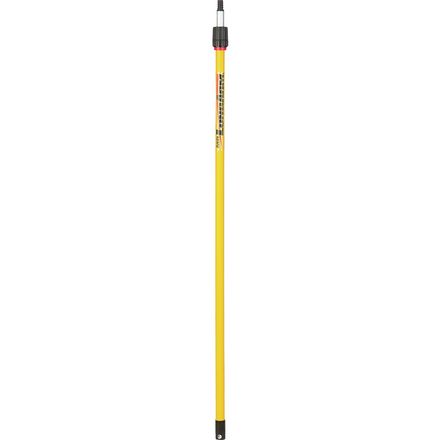
Trango
Squid Pole: 8ft - 2 Sections
1 color
Cyber Sale | Limited Time Only

Trango
Squid - The UnClip Stick
1 color
Cyber Sale | Limited Time Only

Trango
MTape
1 color
Cyber Sale | Limited Time Only
(1)

Trango
Quantum Quickdraw
2 colors
Cyber Sale | Limited Time Only

+5
Trango
Rack Tags
9 colors
Cyber Sale | Limited Time Only

Trango
Horizon ECO Harness
1 color
Cyber Sale | Limited Time Only

Trango
Rock Prodigy Elite Package
1 color
Cyber Sale | Limited Time Only


Trango
Rock Prodigy Forge
1 color
Cyber Sale | Limited Time Only
Related Categories
Frequently Asked Questions
What sets Trango climbing holds apart from other hold brands?
Trango holds are precision-carved from high-quality polyurethane that resists cracking, chipping, and breaking, and their sculpted shapes prioritize comfort while still offering small and incut options for finger-strength training. Bolt-on holds use standardized 3/8-16 Socket Head Cap Screws with inset washers for broad compatibility, and the artistic, ergonomic designs have become industry standards for gyms and training walls.How are Trango Kestrel ice tools optimized for waterfall and alpine climbing?
The Kestrel series pairs carbon-fiber and Kevlar shafts with concentrated head weight (about 1 lb 3 oz per tool, including a 2.3‑ounce head) to improve pick stick on vertical ice while conserving energy on long approaches. Ergonomic head geometry, vibration-damping construction, and a high-friction grip texture make them effective across varied ice angles and easy to use with winter gloves.Is the Trango Catalyst rope suitable for sport, trad, and ice climbing?
The Catalyst series is engineered as a versatile rope for sport, trad, and ice applications, offering a balance of handling and durability appropriate across disciplines. When choosing a Catalyst model, match rope diameter and the level of dry treatment or sheath construction to your preferred discipline and typical exposure to water and ice for optimal performance.How should I match Trango gear to my climbing discipline and skill level?
Prioritize product category first—Trango holds for gym and training, Catalyst rope for mixed roping applications, and Kestrel tools for waterfall and long-approach alpine ice—then compare attributes like weight, materials (polyurethane, carbon/Kevlar), and specific tech features. For example, climbers operating at WI4–WI5 and above may favor Kestrel’s concentrated head weight and vibration damping, while gym climbers can choose holds based on texture and profile to target movement and finger-strength goals.