


20% Off Full-Price Items
Shop now
EXTRA 20% Off Clearance
Shop now | Ends 11/9
Get An EXTRA $50 Cash Back*
Summit+ exclusive
Topo Designs Run
2 results

Topo Designs
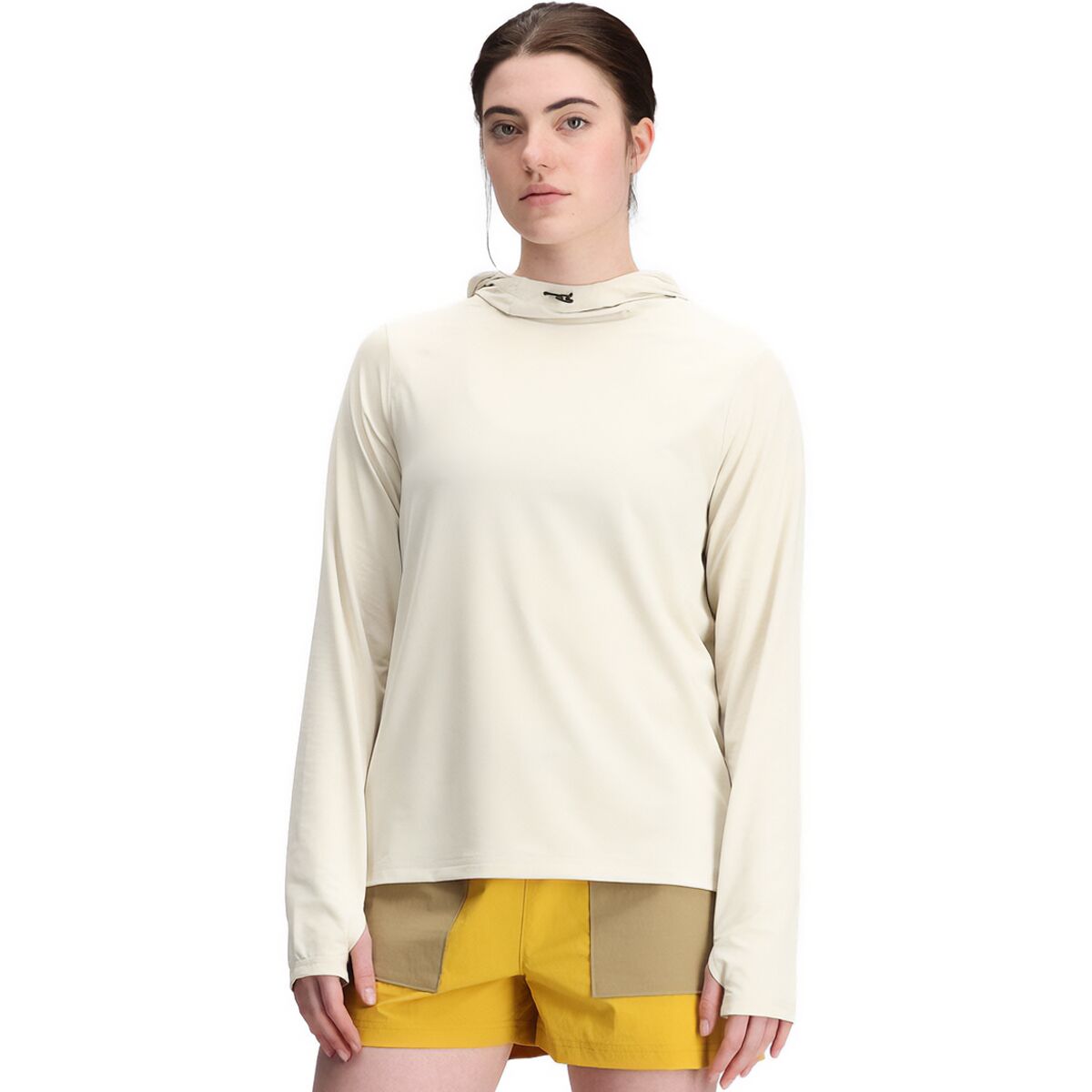
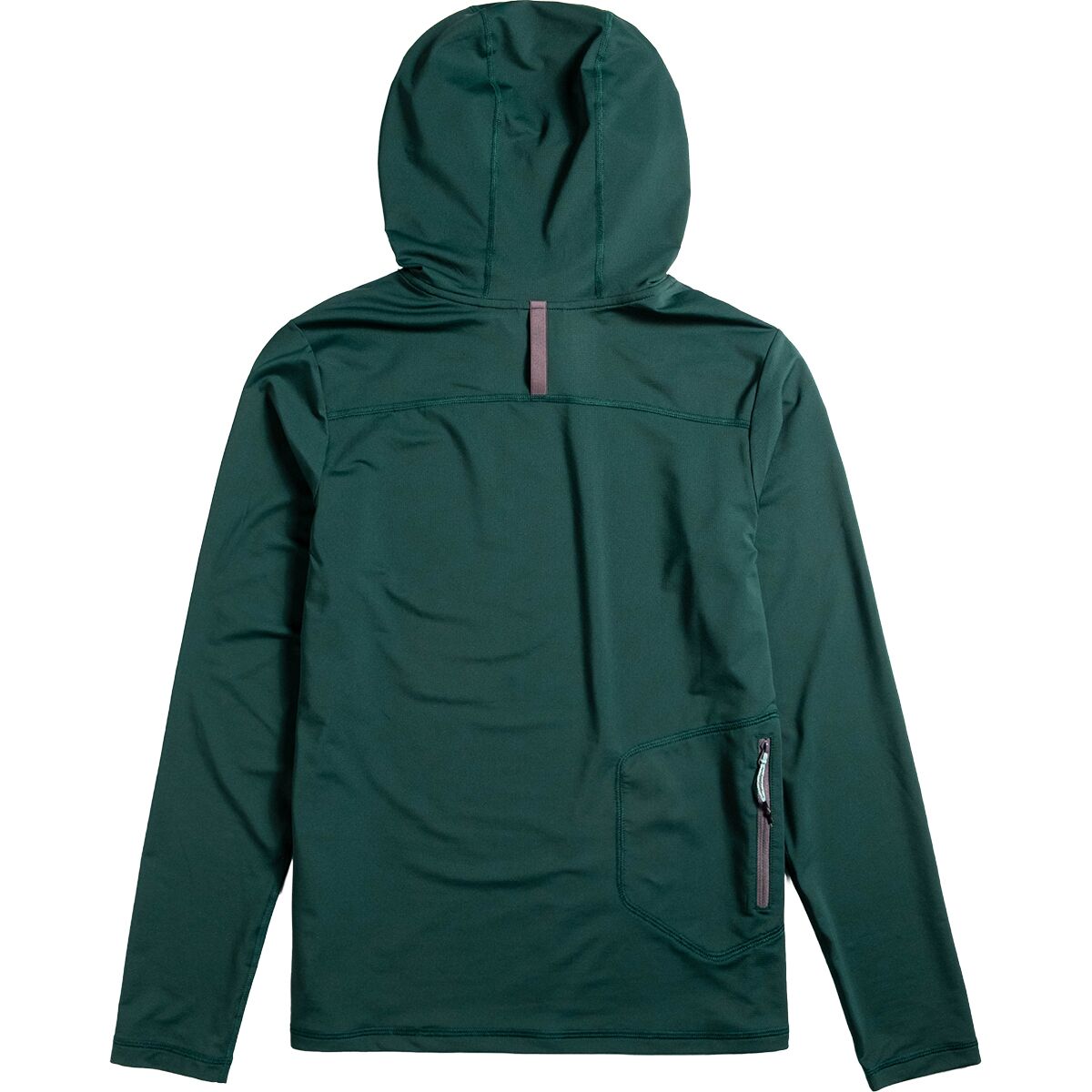
Sun Hoodie - Women's
1 color
Current price: $74.25 Original price: $99.00
25% off
Winter Sale


Topo Designs
Corduroy Trucker Hat
2 colors
$38.00
Discount Applies In Cart | Ends 11/16
Related Categories
Frequently Asked Questions
What features make Topo Designs' running packs suited for trail and road running?
Topo's run-specific packs typically use lightweight ripstop nylon with a DWR finish, minimalist breathable harnesses, and low-profile hip belts or sternum straps for a secure fit. They also often include stretch hip pockets and hydration compatibility for quick access to fluids and snacks.How do I choose the right size for a Topo Designs running pack?
For short training runs or races, 1–6 liters is common; for longer day runs aim for 6–12 liters; and for multi-hour outings or carrying extra layers choose 12 liters or more, depending on how much water and gear you carry. Fit matters too—look for an adjustable harness and a hip/ sternum setup that minimizes bounce on your torso.Are Topo Designs running packs durable enough for technical trails?
Many Topo packs are built from rugged woven nylon with a DWR coating that stands up to brush and repeated use, but for very abrasive or technical terrain prioritize models with reinforced fabric panels and an abrasion-resistant base. Also choose a secure harness, low-profile hip pockets, and good compression to keep load movement minimal on rough trails.How does a Topo Designs run pack compare to the Commuter Pack or Mountain Pack?
Run packs prioritize low weight, streamlined profiles, and accessible stretch pockets for on-the-go fueling and hydration, while the Commuter Pack (constructed from 400D nylon) emphasizes durability and organizational features like a padded laptop sleeve. Mountain-style Topo packs offer larger capacity, external lash points, and heavier harness padding for overnight hauling rather than race-day agility.What are the best care practices to extend the life of a Topo Designs running pack?
Spot-clean with mild soap and lukewarm water, avoid machine drying, and air-dry out of direct sunlight; use a soft brush for stubborn dirt on welded seams and zippers. If the DWR loses effectiveness, reapply a spray-on DWR treatment and inspect webbing and seams regularly to catch wear early.