


Up To 20% Off Full-Price Items
Shop now
EXTRA 20% Off Clearance
Shop now | Ends 11/9
Get An EXTRA $50 Cash Back*
Summit+ exclusive
Toko Ski
25 results

Toko
Ski Vise World Cup
1 color
Discount Applies In Cart | Ends 11/16

Toko
Ski Vise Freeride
1 color
Discount Applies In Cart | Ends 11/16

Toko
Core Tune and Wax Kit
1 color
Discount Applies In Cart | Ends 11/16

Toko
All-In-One Hot Wax
1 color
Discount Applies In Cart | Ends 11/16


Toko
Basic Tune and Wax Kit
1 color
Discount Applies In Cart | Ends 11/16

Toko
Ski Vise Nordic
1 color
Discount Applies In Cart | Ends 11/16

Toko
Base Brush
4 colors
Discount Applies In Cart | Ends 11/16
(1)
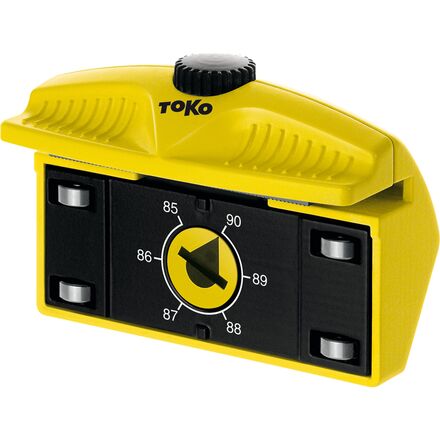
Toko
Edge Tuner Pro
1 color
Discount Applies In Cart | Ends 11/16

Toko
Polishing Brush
1 color
Winter Sale

Toko
Plexi Blade Wax Scraper
1 color
Discount Applies In Cart | Ends 11/16

Toko
BP Wax
3 colors
Discount Applies In Cart | Ends 11/16

Toko
Universal Edge Grinder
1 color
Discount Applies In Cart | Ends 11/16
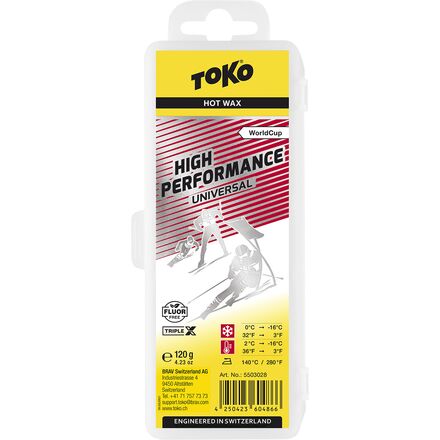
Toko
World Cup High Performance Universal Wax
1 color
Discount Applies In Cart | Ends 11/16

Toko
T20 Base Performance Liquid Paraffin Wax Kit
1 color
Discount Applies In Cart | Ends 11/16

Toko
T19 Grip Wax Kit
1 color
Discount Applies In Cart | Ends 11/16

Toko
BP Ski Wax
1 color
Winter Sale

Toko
Basic Hot Wax Kit
1 color
Discount Applies In Cart | Ends 11/16
Toko
Steel Wax Scraper Blade
1 color
Discount Applies In Cart | Ends 11/16

Toko
Nordic Klister Wax
2 colors
Discount Applies In Cart | Ends 11/16

Toko
Nordic Grip Wax
5 colors
Discount Applies In Cart | Ends 11/16
(1)
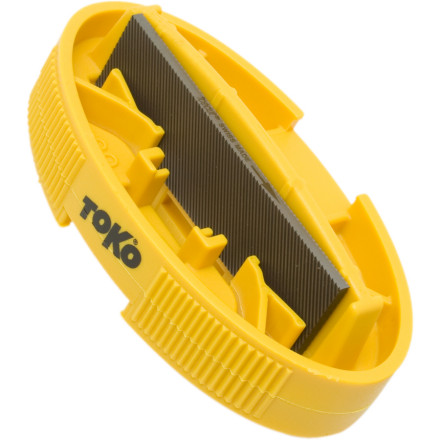
Toko
Ergo Race Edge Tool
1 color
Discount Applies In Cart | Ends 11/16
(1)
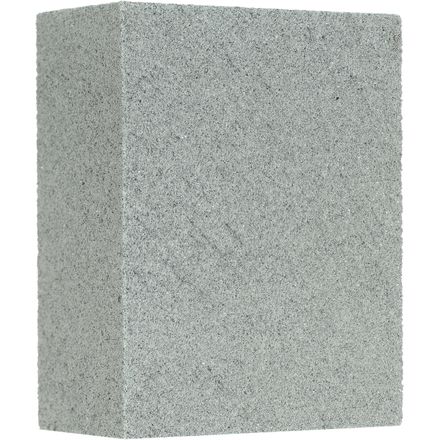
Toko
Edge Grinding Rubber
1 color
Discount Applies In Cart | Ends 11/16

Toko
Oval Base Brush + Strap
4 colors
Discount Applies In Cart | Ends 11/16

Toko
Multi-Purpose Scraper
1 color
Discount Applies In Cart | Ends 11/16

Toko
Universal Adapter for Ski Vise World Cup
1 color
Discount Applies In Cart | Ends 11/16
Related Categories
Frequently Asked Questions
How do I pick the right Toko wax for my snow temperature and skiing style?
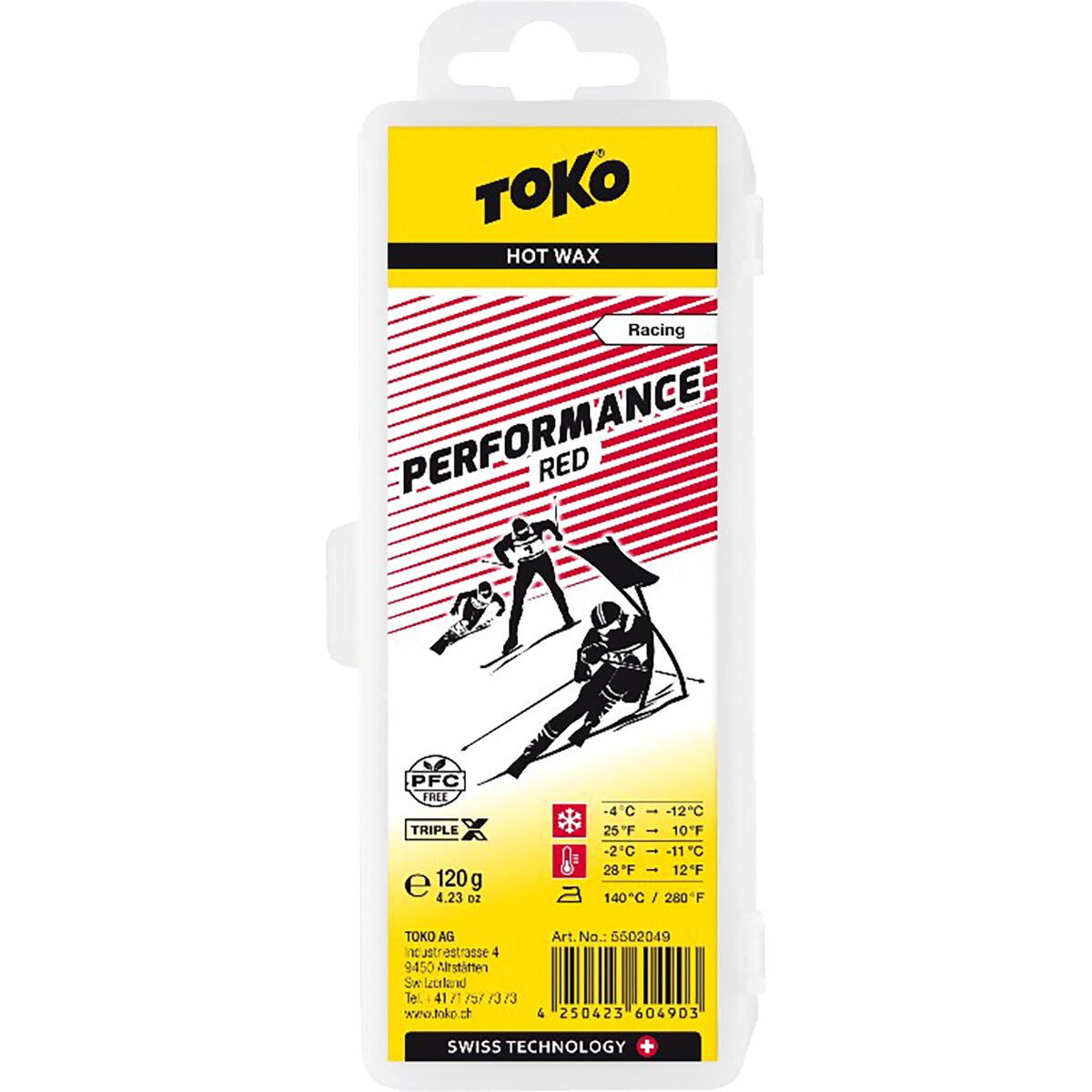
Match the color-coded system first: Blue waxes are for cold, dry snow, Red for medium/untransformed snow, and Yellow for warmer, wet conditions. Then choose the format and performance level—hot glide waxes and powders give the best durability and speed for racing, liquid paraffin or Jet Top Finish (fluorfree) are quick finishes for recreational use, and klisters or hard grip waxes handle wet or variable classic conditions. Use a snow thermometer to fine-tune your choice and pick the size (40g for personal use, 120g or bulk for teams) that fits how often you tune.How does Toko HelX Glide Wax compare to Toko Performance Wax?
Both lines are race-tested, but they serve slightly different roles: HelX Glide Wax focuses on high-performance glide finishes and top-layer speed, while Performance Wax is a broader race/training series intended for base preparation and layering under fluor or fluorfree top finishes. Performance Wax is often chosen for its versatility across race-day prep, whereas HelX is selected when maximizing glide is the priority. Both integrate technologies like Molybdenum layers or DLC-compatible treatments for durability depending on the specific product.When should I use Toko klister versus hard grip wax for classic skiing?
Use hard grip waxes when snow is cold, abrasive, or has a stable crystalline structure—hard waxes give predictable kick in those conditions. Klister is the go-to for wet, icy, transformed, or dirty snow where extra tack and water resistance are required; apply klister in layers for warmer wet snow. Always check snow temperature and texture with a thermometer to decide between the two and follow Toko’s stepwise application for best results.What’s the proper way to apply Toko hot wax and liquid wax for best glide and durability?
For hot waxes: tap or apply the bar, iron it in at the recommended temperature, let the ski cool, then scrape and brush to structure the base—layer Molybdenum or a DLC-compatible base wax under top finishes for added dirt repellency and durability. For liquid waxes or Jet Top Finish, apply evenly, allow to dry per instructions, then lightly scrape or buff as needed; liquids are fastest for quick prep but usually need more frequent reapplication than hot wax. Use a clean, structured graphite base and, when possible, a stonegrind or structured finish to match snow conditions.Which Toko products are best for recreational skiers versus racers and what sizes should I buy?
Recreational skiers often prefer Liquid Paraffin and Jet Top Finish (fluorfree) for easy, low-maintenance glide and quick touch-ups, typically in small applicators or 40g bars. Racers and regular trainers usually invest in hot glide waxes, powders, Molybdenum base layers, and Performance Wax or HelX products in 40g and 120g bars or bulk sizes for team use to layer for specific conditions. In all cases, choose wax type by condition (glide vs grip), carry a klister or warm/wet set for variable classic conditions, and use a snow thermometer to select the correct temperature range.