


Up To 20% Off Full-Price Items
Shop now
EXTRA 20% Off Clearance
Shop now | Ends 11/9
Get An EXTRA $50 Cash Back*
Summit+ exclusive
TIME
12 results
HSA/FSA Eligible

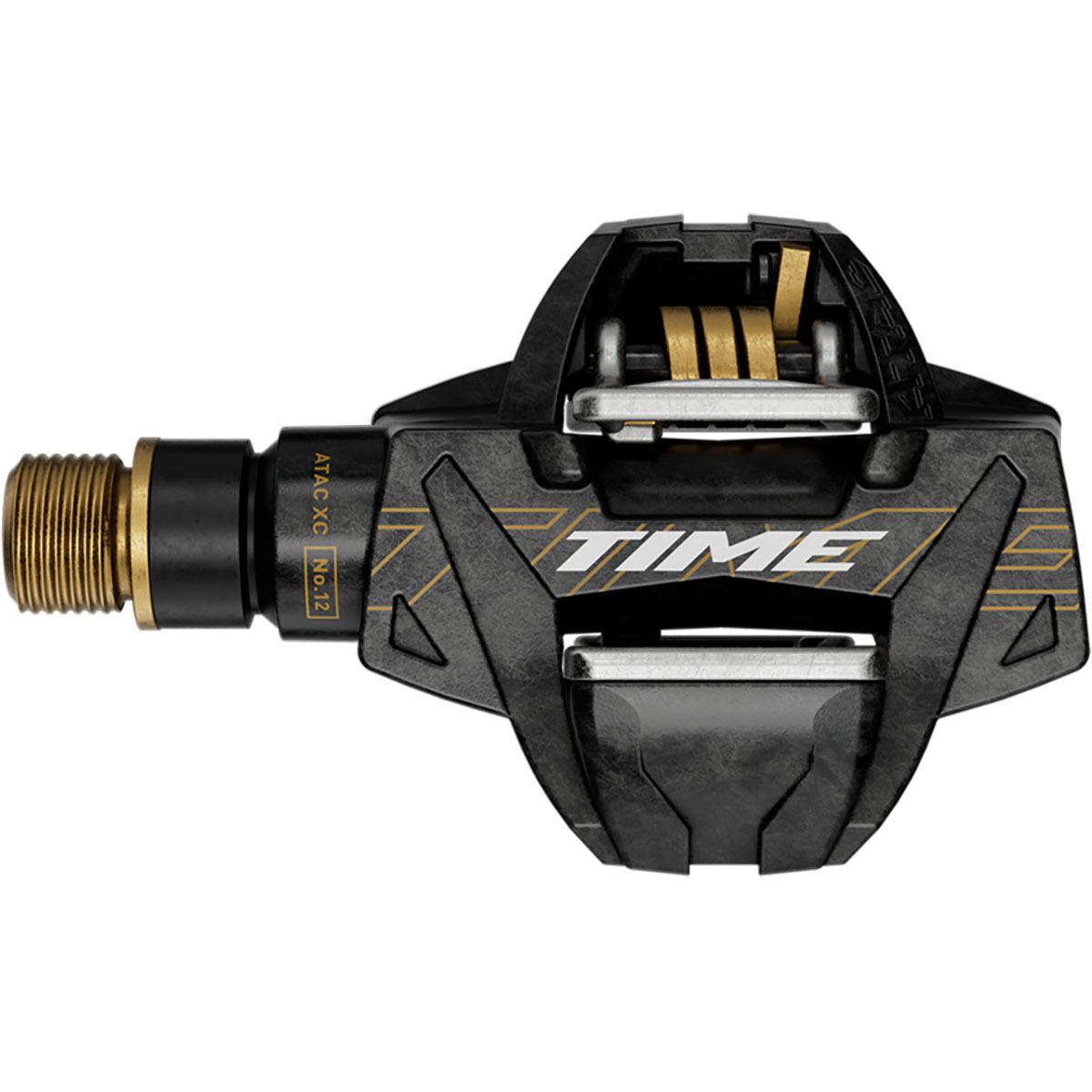
TIME
XC 12 Pedals
1 color
$325.00
HSA/FSA Eligible

TIME
Xpro 10 Pedals
1 color
$165.00 - $175.00
HSA/FSA Eligible

TIME
Speciale 10 Pedals
4 colors
$200.00
(1)
HSA/FSA Eligible

TIME
XC Pedals
1 color
$100.00
HSA/FSA Eligible

TIME
XYSTO ATAC Mountain Pedals
1 color
$220.00
HSA/FSA Eligible

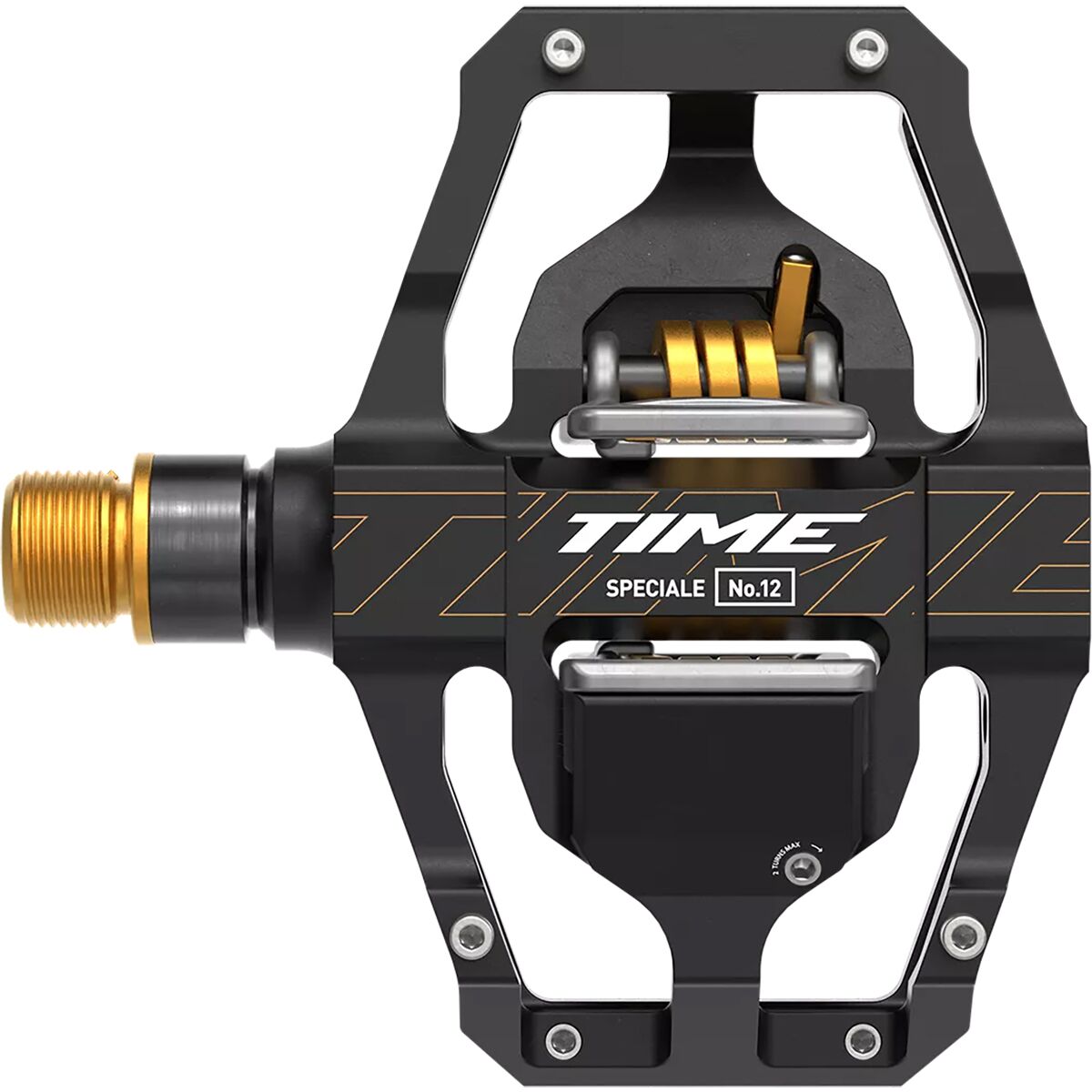
TIME
Speciale 12 Pedals
1 color
$385.00
(1)

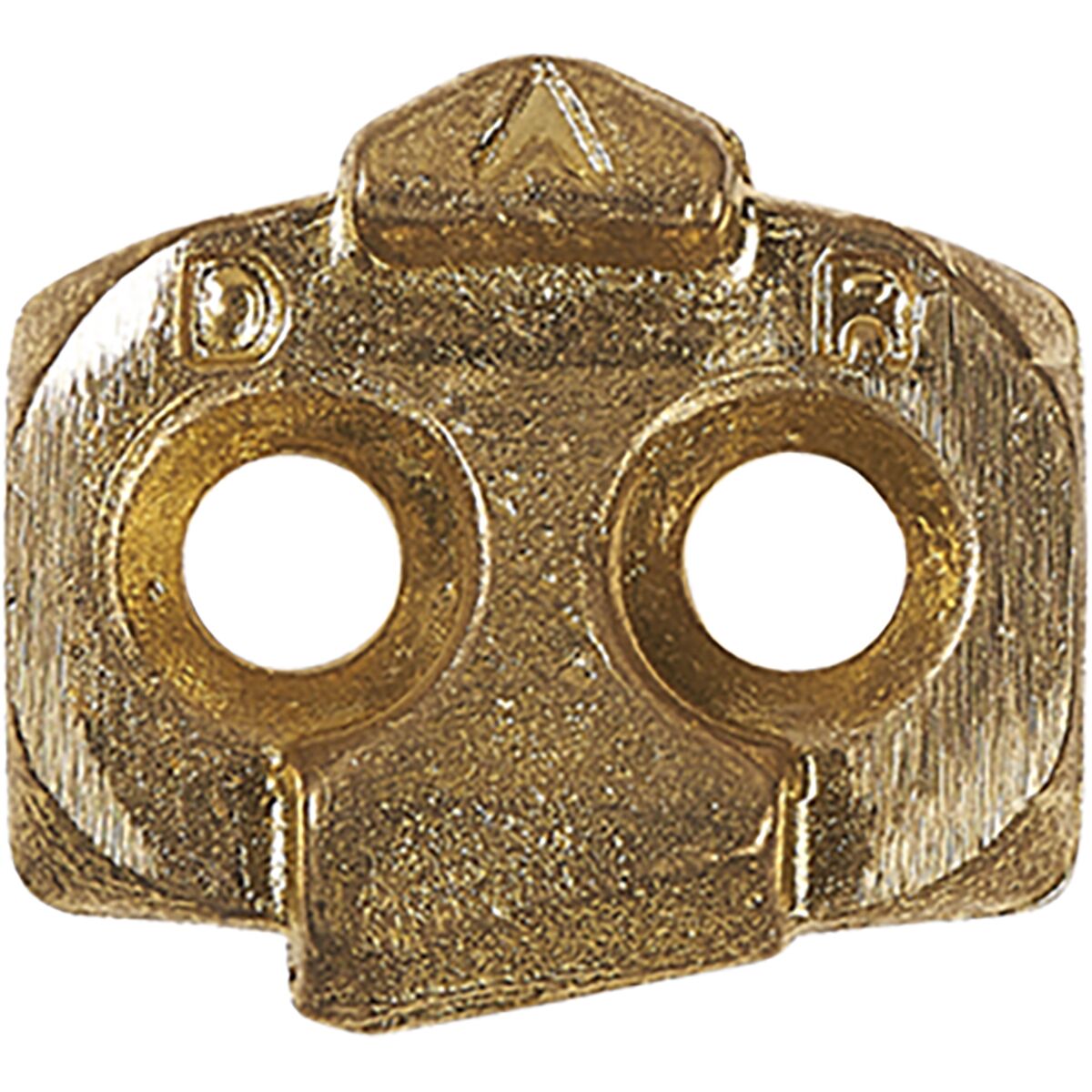
TIME
ATAC Easy Cleat
1 color
$23.00

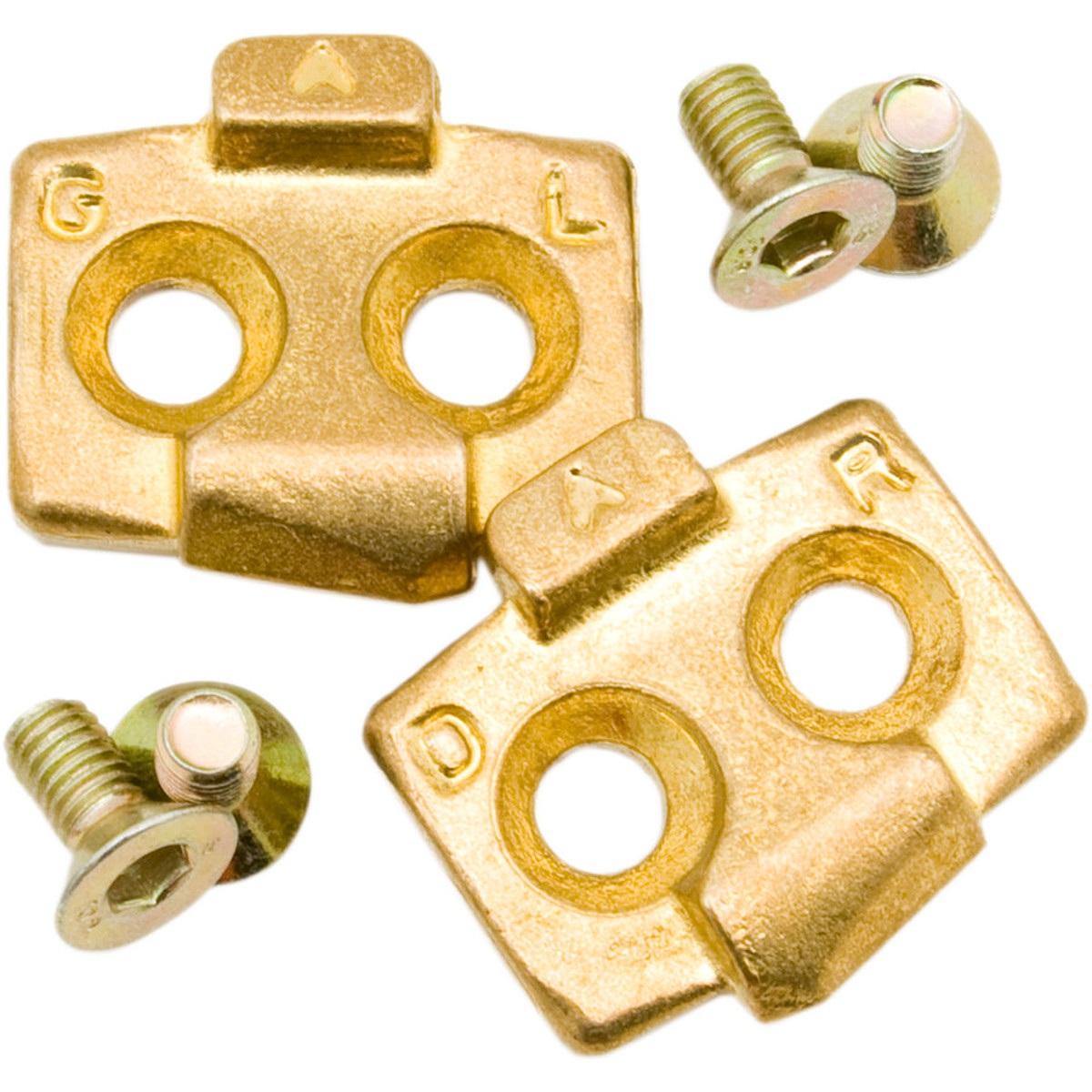
TIME
ATAC Cleat
1 color
$23.00
HSA/FSA Eligible

TIME
Xpro 12 SL Pedals
1 color
$475.00 - $485.00
10% Cashback Eligible
(1)
HSA/FSA Eligible

TIME
Xpro 12 Pedals
1 color
$325.00 - $335.00
(1)
HSA/FSA Eligible

TIME
Link Urban Platform Pedals
1 color
$70.00
HSA/FSA Eligible

TIME
XPRO/XPRESSO Pedal Ratchet
1 color
Current price: $7.20 Original price: $12.00
40% off
Winter Sale
Related Categories

Frequently Asked Questions
How do I choose the right Time boot for my skiing — race, all-mountain, or alpine touring?
Match the model to your primary activity: race-oriented models like the Time Max Pro prioritize a narrow last, aggressive stance and race-ready stiffness, while alpine touring models such as the Time AT 130 trade some stiffness for weight savings, walk mode and GripWalk-friendly soles. Consider your skill level and terrain — stiffer flexes favor fast piste carving and gates, while lower flex indexes and lighter construction help on long uphill tours. Also factor fit (last width and mondopoint) and whether you need BOA micro-adjustability or a thermo-moldable liner for a custom feel.How should I size Time ski boots and account for the BOA fit system and liners?
Start with an accurate mondopoint measurement and choose the shell size closest to that length, then judge shell fit with socks on — Time typically uses low-volume lasts (around 96–98mm forefoot for race lasts), so many skiers size to the shell and rely on half-sizes and heat-moldable liners for final fit. The BOA Fit System lets you micro-adjust instep and forefoot tension for on-snow comfort, but it doesn’t replace correct shell sizing or last selection. If you’re between sizes or have an unusual foot shape, consult a bootfitter to assess shell punching, last options, or liner molding.What materials and construction features define Time boots and how do they affect performance?
Time often uses mono-injected shells in Pebax and carbon-reinforced composites for a high stiffness-to-weight ratio and precise energy transfer, while thermo-moldable liners (Intuition-style or heat-moldable foams) allow personalized fit. The BOA dials provide micro-adjustability across the instep/forefoot, and GripWalk or ISO 5355-compatible soles improve walkability and traction on mixed snow. Those construction choices reduce weight for touring, increase responsiveness for racing, and let skilled skiers tune fit and stance for their style.How does the Time Max Pro compare to the Time AT 130 for downhill performance and touring capability?
The Time Max Pro is a race-focused boot built for maximum power transfer, a narrow last and a race-oriented cuff angle for aggressive downhill performance, whereas the Time AT 130 is designed as a high-performance alpine-touring boot that balances a strong downhill feel with a dedicated walk mode and lighter materials. Expect the Max Pro to favor on-piste edge hold and quicker response, while the AT 130 sacrifices some pure-race stiffness to provide cuff articulation, reduced weight and GripWalk-compatible outsoles for uphill efficiency and touring comfort. Choose Max Pro if racing or race-style carving is your priority; choose AT 130 if you need confidence both uphill and on varied terrain.