


Up To 20% Off Full-Price Items
Shop now
EXTRA 20% Off Clearance
Shop now | Ends 11/9
Get An EXTRA $50 Cash Back*
Summit+ exclusive
The North Face Women's Clothing
289 results


+6
The North Face
Osito Jacket - Women's
10 colors
Discount Applies In Cart | Ends 11/16
(30)


+3
The North Face
ThermoBall Hooded Parka - Women's
7 colors
Discount Applies In Cart | Ends 11/16
(28)

The North Face
Extreme Pile 2 Full-Zip Jacket - Women's
5 colors
Discount Applies In Cart | Ends 11/16
(37)

The North Face
Aconcagua Hooded Jacket - Women's
3 colors
Discount Applies In Cart | Ends 11/16
(2)

The North Face
Junction Insulated Parka - Women's
4 colors
Discount Applies In Cart | Ends 11/16
(1)

The North Face
Retro Denali Jacket - Women's
5 colors
Discount Applies In Cart | Ends 11/16
(10)

+6
The North Face
1996 Retro Nuptse Jacket - Women's
10 colors
Discount Applies In Cart | Ends 11/16
(1811)

The North Face
Arctic Down Parka - Women's
5 colors
Discount Applies In Cart | Ends 11/16
(6240)

+3
The North Face
Hydrenalite Hooded Down Jacket - Women's
7 colors
Discount Applies In Cart | Ends 11/16
(1059)

The North Face
Freedom Insulated Jacket - Women's
5 colors
Discount Applies In Cart | Ends 11/16
(109)

+2
The North Face
Yumiori Off Peak Full-Zip Jacket - Women's
6 colors
Discount Applies In Cart | Ends 11/16
(42)

The North Face
Aconcagua Hooded Parka - Women's
3 colors
Discount Applies In Cart | Ends 11/16
(10)

+2
The North Face
Lenado Pant - Women's
6 colors
Discount Applies In Cart | Ends 11/16
(8)

+2
The North Face
Glacier Fleece Jacket - Women's
6 colors
Discount Applies In Cart | Ends 11/16
(37)

+7
The North Face
Freedom Insulated Pant - Women's
11 colors
Discount Applies In Cart | Ends 11/16
(10)

The North Face
Hydrenalite Down Jacket - Women's
5 colors
Discount Applies In Cart | Ends 11/16
(45)

+2
The North Face
Hydrenalite Down A-Line Vest - Women's
6 colors
Discount Applies In Cart | Ends 11/16
(110)

+2
The North Face
Hydrenalite City Down Hooded Parka - Women's
6 colors
Discount Applies In Cart | Ends 11/16
(36)

The North Face
Cedar Trail Grid Fleece Jacket - Women's
4 colors
Discount Applies In Cart | Ends 11/16
(3)

The North Face
Hydrenalite City Long Down Hooded Parka - Women's
3 colors
Discount Applies In Cart | Ends 11/16
(68)

+3
The North Face
ThermoBall Vest - Women's
7 colors
Discount Applies In Cart | Ends 11/16
(9)

+5
The North Face
Freedom Insulated Bib Pant - Women's
9 colors
Discount Applies In Cart | Ends 11/16
(314)

The North Face
Venture 2 Jacket - Women's
4 colors
Extra 20% Off Clearance | Ends 11/9
(1447)

+4
The North Face
Snoga Pant - Women's
8 colors
Discount Applies In Cart | Ends 11/16
(35)

The North Face
Descendit Jacket - Women's
3 colors
Discount Applies In Cart | Ends 11/16

The North Face
Cold Spell Cropped Down Jacket - Women's
2 colors
Discount Applies In Cart | Ends 11/16
(2)

The North Face
Nuptse Parka - Women's
1 color
Discount Applies In Cart | Ends 11/16
(60)

+2
The North Face
Antora Rain Jacket - Women's
6 colors
Discount Applies In Cart | Ends 11/16
(589)

The North Face
Slaydee Insulated Jacket - Women's
3 colors
Discount Applies In Cart | Ends 11/16

The North Face
Aconcagua 3 Vest - Women's
3 colors
Winter Sale
(519)

The North Face
Hikesteller Insulated Parka - Women's
2 colors
Discount Applies In Cart | Ends 11/16

The North Face
ThermoBall Snow Triclimate Jacket - Women's
4 colors
Discount Applies In Cart | Ends 11/16
(12)

The North Face
Diamond Peak Insulated Jacket - Women's
5 colors
Discount Applies In Cart | Ends 11/16
(24)

+2
The North Face
Lenado Jacket - Women's
6 colors
Discount Applies In Cart | Ends 11/16
(5)

The North Face
Winter Warm Pro Tight - Women's
2 colors
Discount Applies In Cart | Ends 11/16
(12)

+2
The North Face
Alta Vista Rain Jacket - Women's
6 colors
Discount Applies In Cart | Ends 11/16
(172)

+3
The North Face
Luxe Osito Full-Zip Jacket - Women's
7 colors
Discount Applies In Cart | Ends 11/16
(84)

The North Face
Cedar Trail Grid Fleece 1/4-Zip Jacket - Women's
5 colors
Discount Applies In Cart | Ends 11/16

The North Face
Arctic Bomber Jacket - Women's
3 colors
Discount Applies In Cart | Ends 11/16
(351)

The North Face
Diamond Peak Insulated Vest - Women's
3 colors
Discount Applies In Cart | Ends 11/16
(17)

The North Face
Yumiori Off Peak 1/2-Zip Print Jacket - Women's
1 color
Discount Applies In Cart | Ends 11/16
(2)

The North Face
ThermoBall Jacket - Women's
5 colors
Discount Applies In Cart | Ends 11/16
(32)
Related Categories
 The North Face Women's Performance Tops
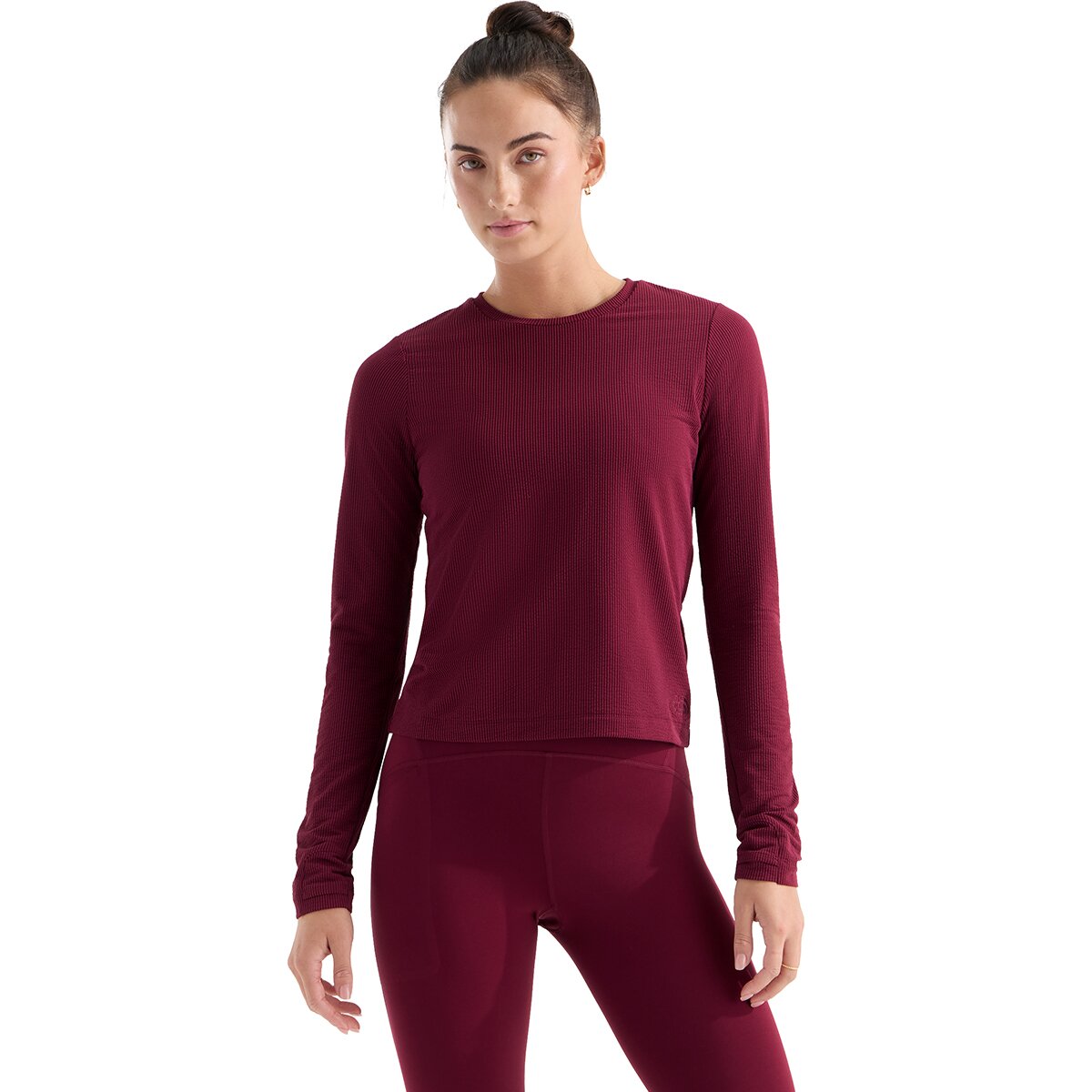 The North Face Women's Long-Sleeve Performance Tops
 The North Face Women's Short-Sleeve Performance Tops
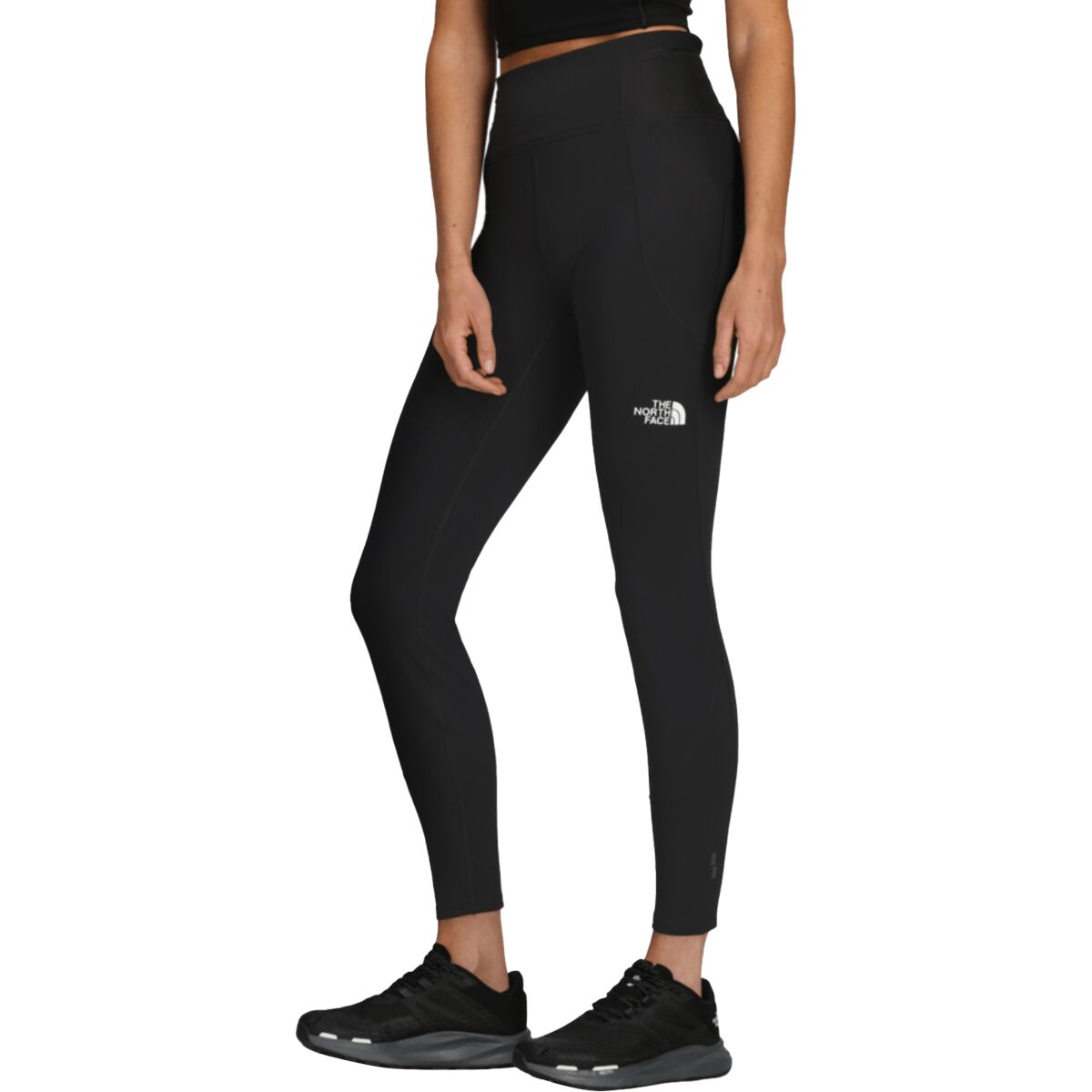 The North Face Women's Performance Leggings
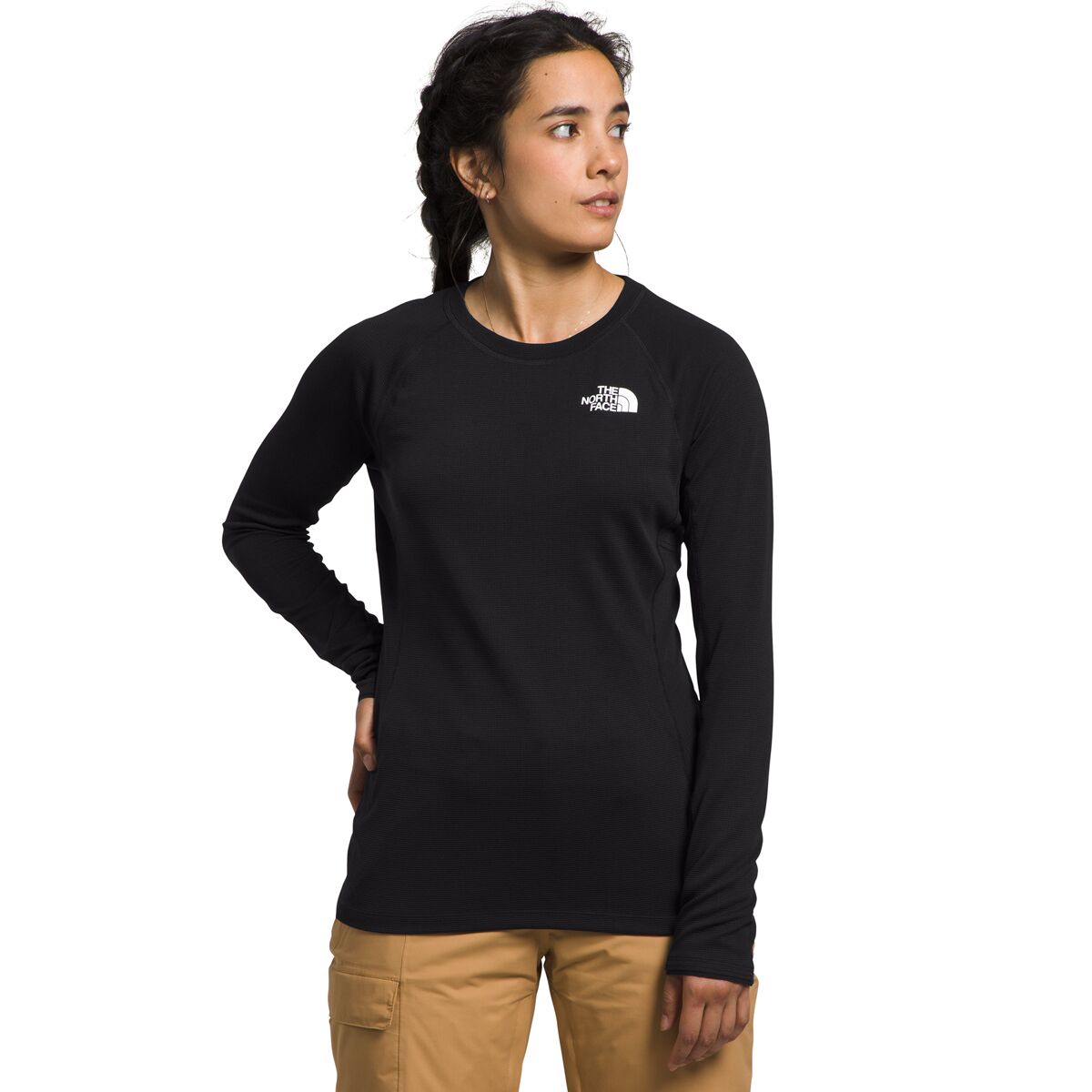 The North Face Women's Baselayer Tops
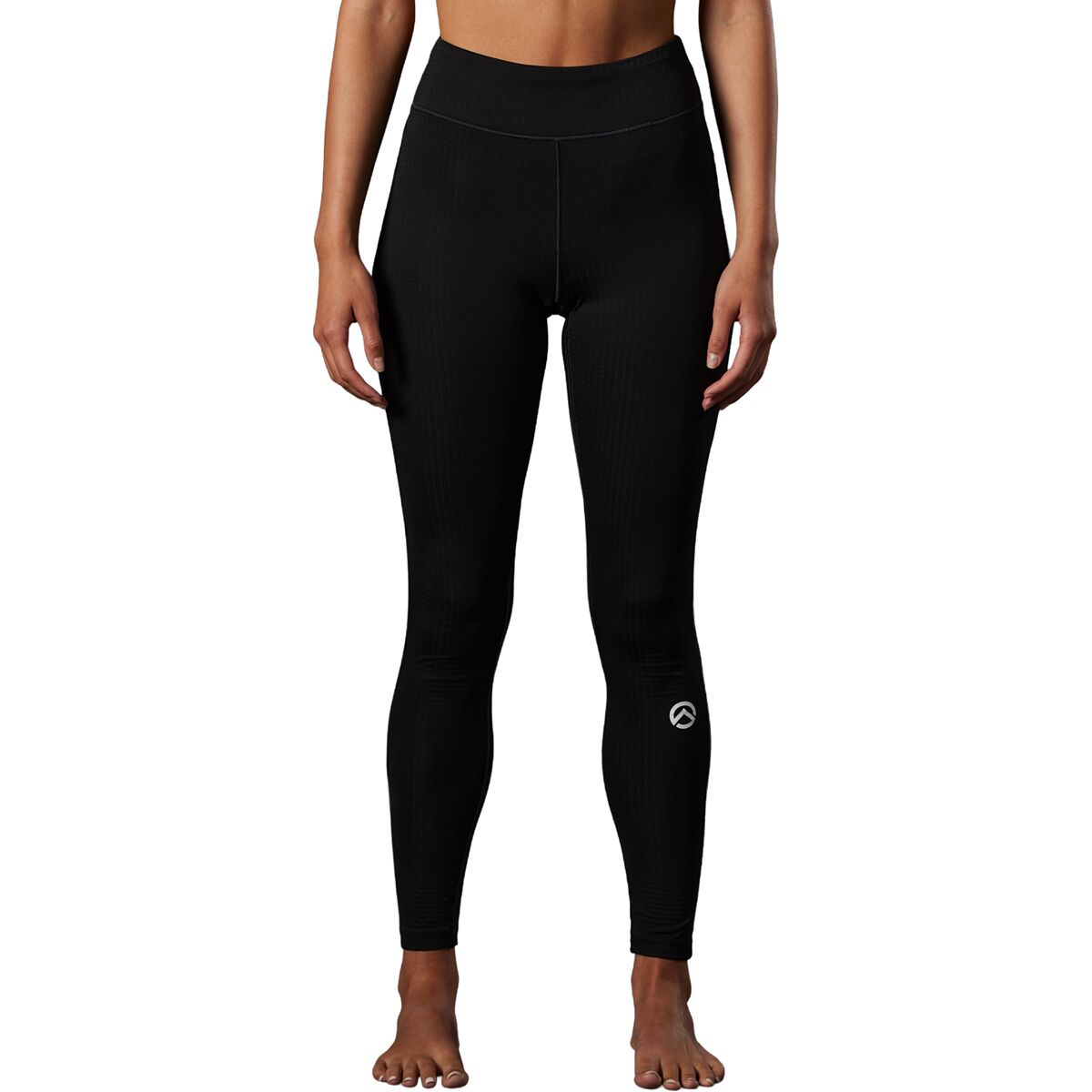 The North Face Women's Baselayer Bottoms
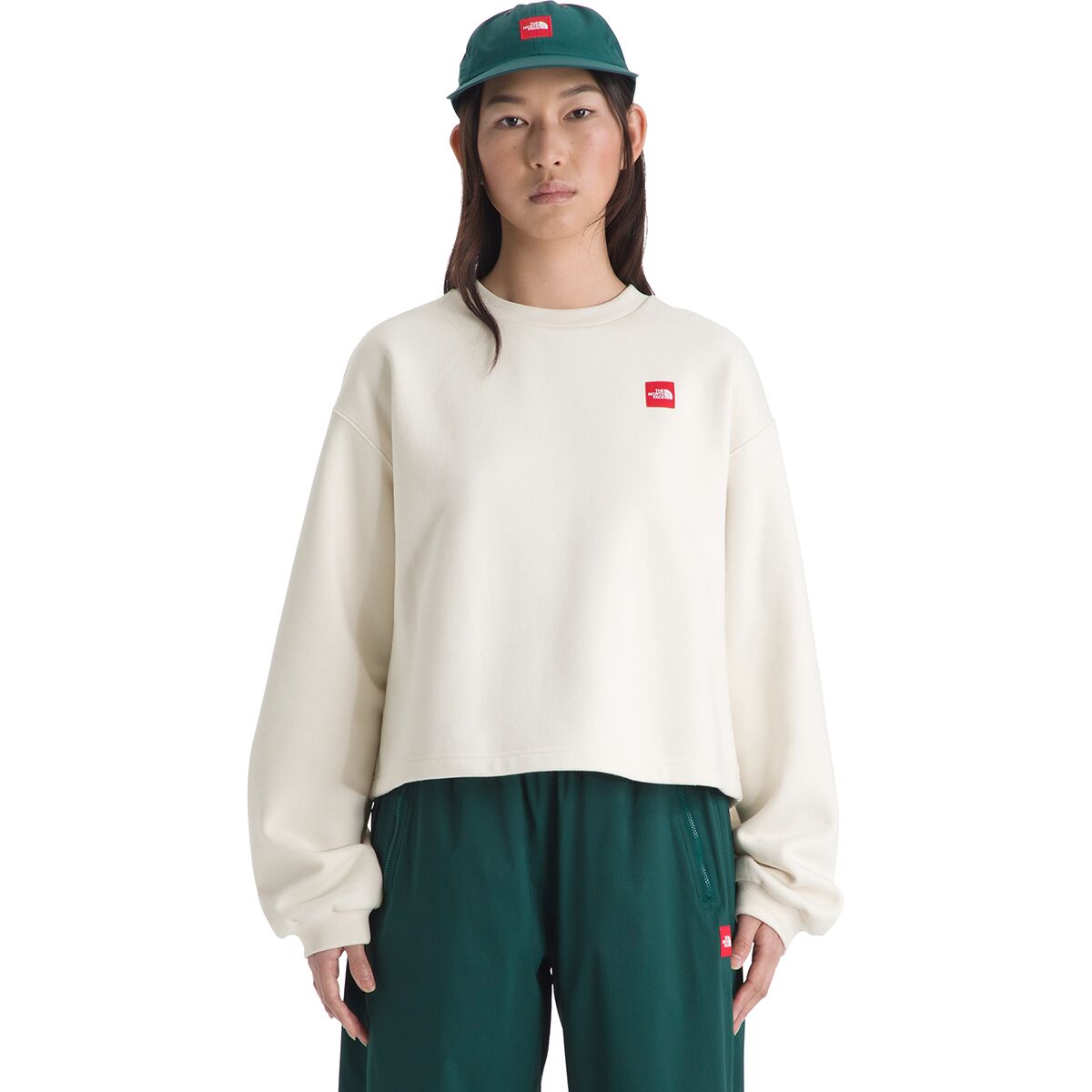 The North Face Women's Fleece Jackets
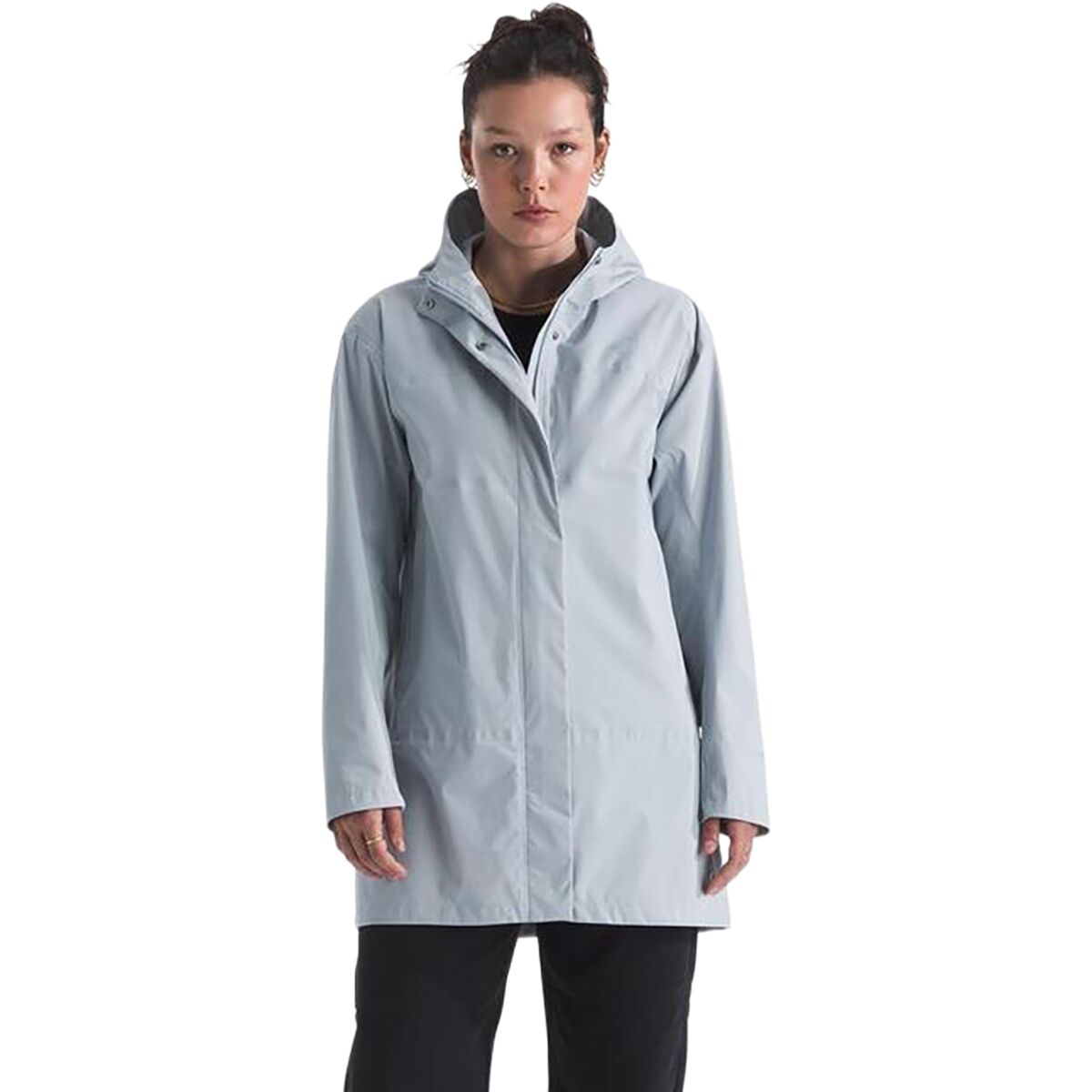 The North Face Women's Rain Jackets
 The North Face Women's Casual Jackets
 The North Face Women's Hiking & Climbing Pants
Frequently Asked Questions
What The North Face women's jacket is best for backcountry skiing?
For backcountry skiing look for a helmet-compatible, powder-skirted shell with high breathability—The North Face Build Up Jacket with DryVent™ 2L fits this role with seam-sealed construction, durable recycled nylon, and articulated patterning for mobility. For high-output ascents consider a FutureLight™ shell for even greater air permeability, and pair either with a ThermoBall™ or 700-fill down midlayer depending on expected wetness.How does FutureLight™ compare to DryVent™ for women's outerwear?
FutureLight™ uses a nanospun membrane engineered for very high breathability while maintaining strong waterproof performance (often specified around 20,000mm), making it ideal for aerobic pursuits like ski touring or trail running. DryVent™ 2L is a durable, seam-sealed recycled nylon shell that delivers reliable waterproofing and wind resistance for harsh-weather alpine use and everyday mountain conditions. Choose FutureLight™ when ventilation for sustained effort matters, and DryVent™ when rugged waterproof durability and recycled fabric content are priorities.How should I size The North Face women's jackets and layers for outdoor activities?
Use the product chest-based size charts as your primary guide: "slim" fits are typically about 1" under chest measurements while "classic" matches your chest measurement, and articulated cuts add mobility for climbing or skiing. For layering, allow room for a base layer and a midlayer—if you plan on thick insulated midlayers, size up or choose a relaxed fit to preserve range of motion. Check sleeve length and hood compatibility (helmet vs. non‑helmet) to ensure proper coverage on the move.When should I choose ThermoBall™ synthetic insulation versus 700-fill goose down?
ThermoBall™ synthetic insulation retains loft and insulating performance when wet and is a smart choice for damp climates, wet-snow days, or multi-activity use where moisture exposure is likely. 700-fill goose down delivers superior warmth-to-weight and compressibility in cold, dry conditions and is best when keeping weight and bulk to a minimum matters. Match the insulation to typical conditions: ThermoBall™ for wet or variable-weather adventures, 700-fill down for dry-cold expeditions.What features should I look for in The North Face women's pants for skiing versus hiking?
For skiing prioritize waterproof, seam-sealed shells with articulated knees, reinforced ankle cuffs, integrated gaiters, and compatible powder skirts for on-slope protection; insulated options suit cold lift days while zip vents add temp control. For hiking favor lightweight, breathable softshells or stretch shells (like options in the Classic 8AUP lineup) with added WindWall™ panels or DWR finishes, articulated patterning, and secure pockets for snacks and tools. Choose based on desired protection versus breathability and the typical weather and exertion level of your activity.