


Up To 20% Off Full-Price Items
Shop now
EXTRA 20% Off Clearance
Shop now | Ends 11/9
Get An EXTRA $50 Cash Back*
Summit+ exclusive
The North Face Men's Baselayers
9 results

The North Face
Sunriser Hoodie - Men's
3 colors
$40.00 - $80.00
Up to 50% off
Discount Applies In Cart | Ends 11/16
(7)

The North Face
Summit Dotknit AMK Hoodie - Men's
1 color
$220.00
Discount Applies In Cart | Ends 11/16
(1)

The North Face
Summit Dotknit AMK Tight - Men's
1 color
$200.00
Discount Applies In Cart | Ends 11/16

The North Face
FD Pro 160 Tight - Men's
1 color
$70.00
Discount Applies In Cart | Ends 11/16
(26)

The North Face
FD Pro 160 Crew - Men's
1 color
$70.00
Discount Applies In Cart | Ends 11/16
(31)

The North Face
Elevation 1/4-Zip Top - Men's
4 colors
Current price: $30.00 - $32.50 Original price: $50.00
Up to 40% off
Winter Sale
(1)

The North Face
Summit Pro Baselayer Crew Top - Men's
1 color
$130.00
Discount Applies In Cart | Ends 11/16


The North Face
Summit Pro Baselayer Tight - Men's
1 color
$130.00
Discount Applies In Cart | Ends 11/16

The North Face
Summit Pro 120 Tight - Men's
1 color
Current price: $55.30 Original price: $79.00
30% off
Winter Sale
(28)
Related Categories
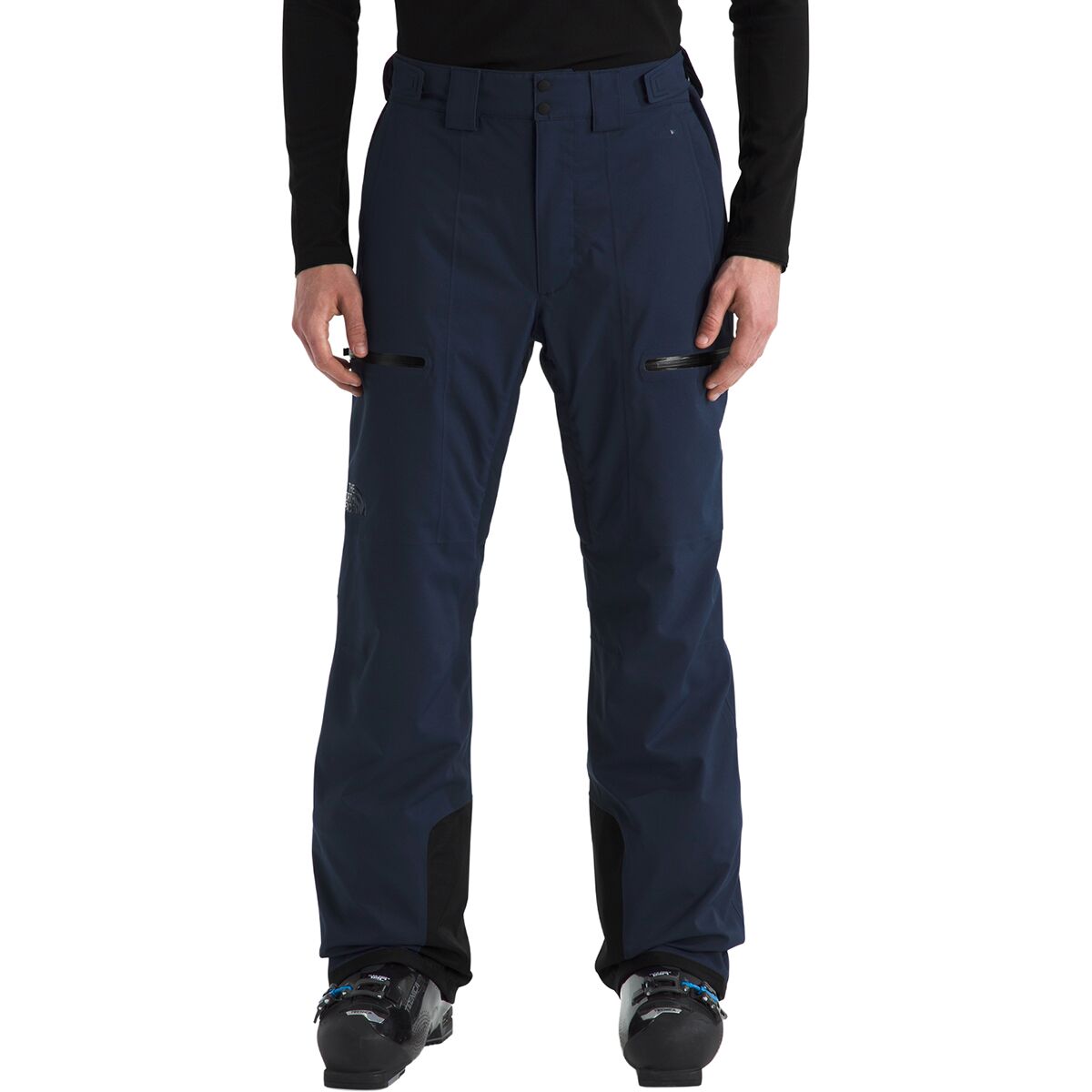 The North Face mens-ski-clothing
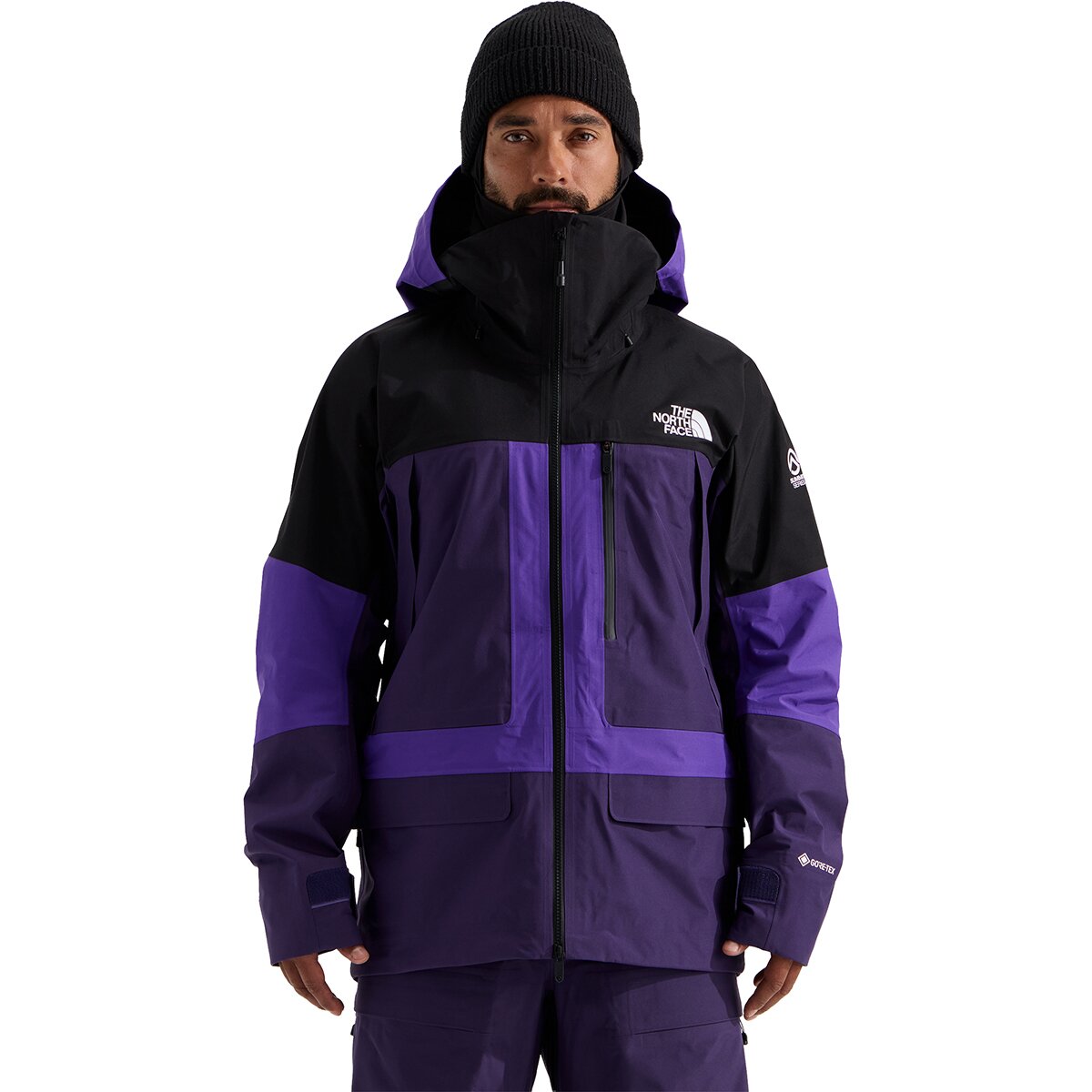 The North Face mens-ski-jackets
 The North Face mens-ski-pants-bibs
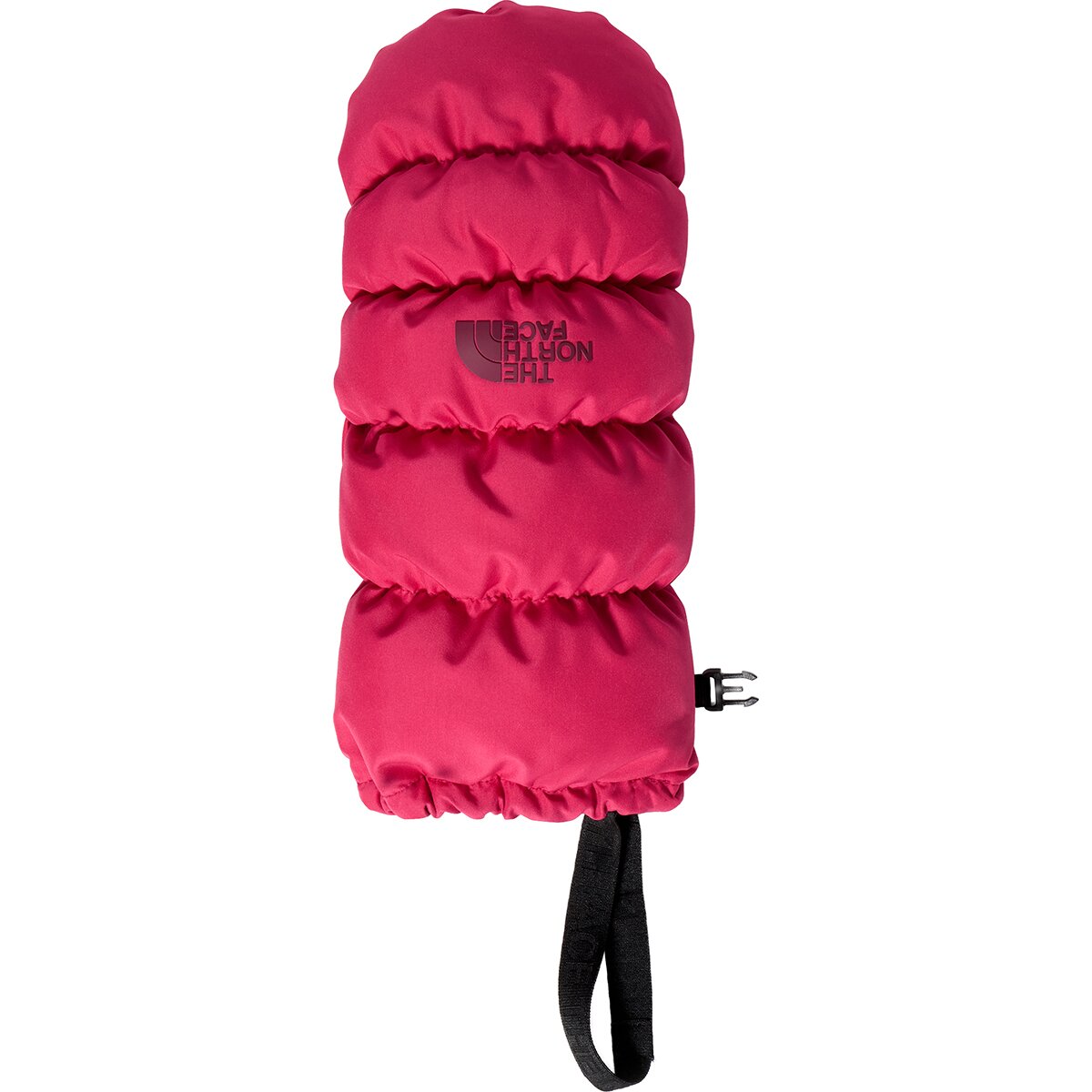 The North Face mens-ski-gloves-mittens
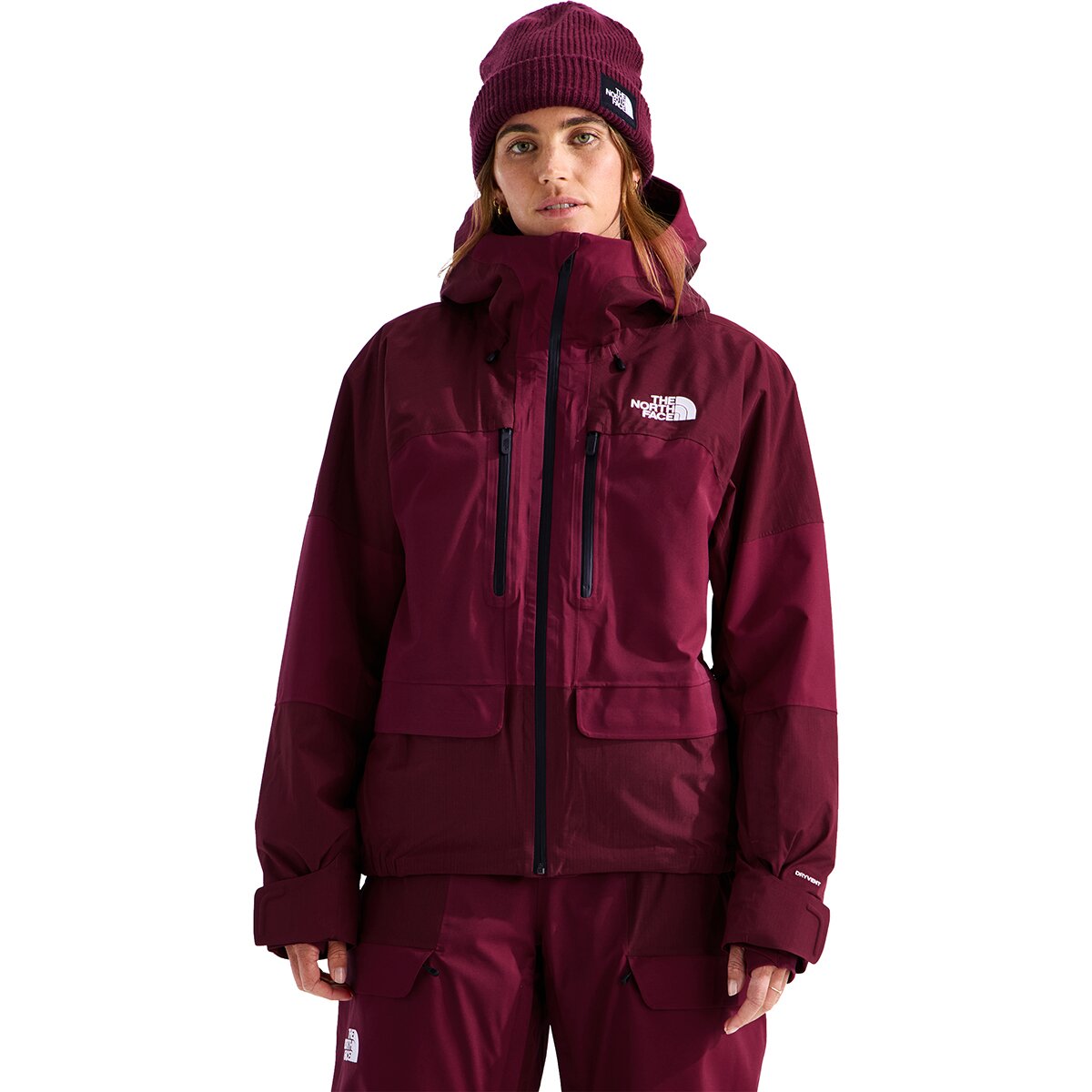 The North Face womens-ski-clothing
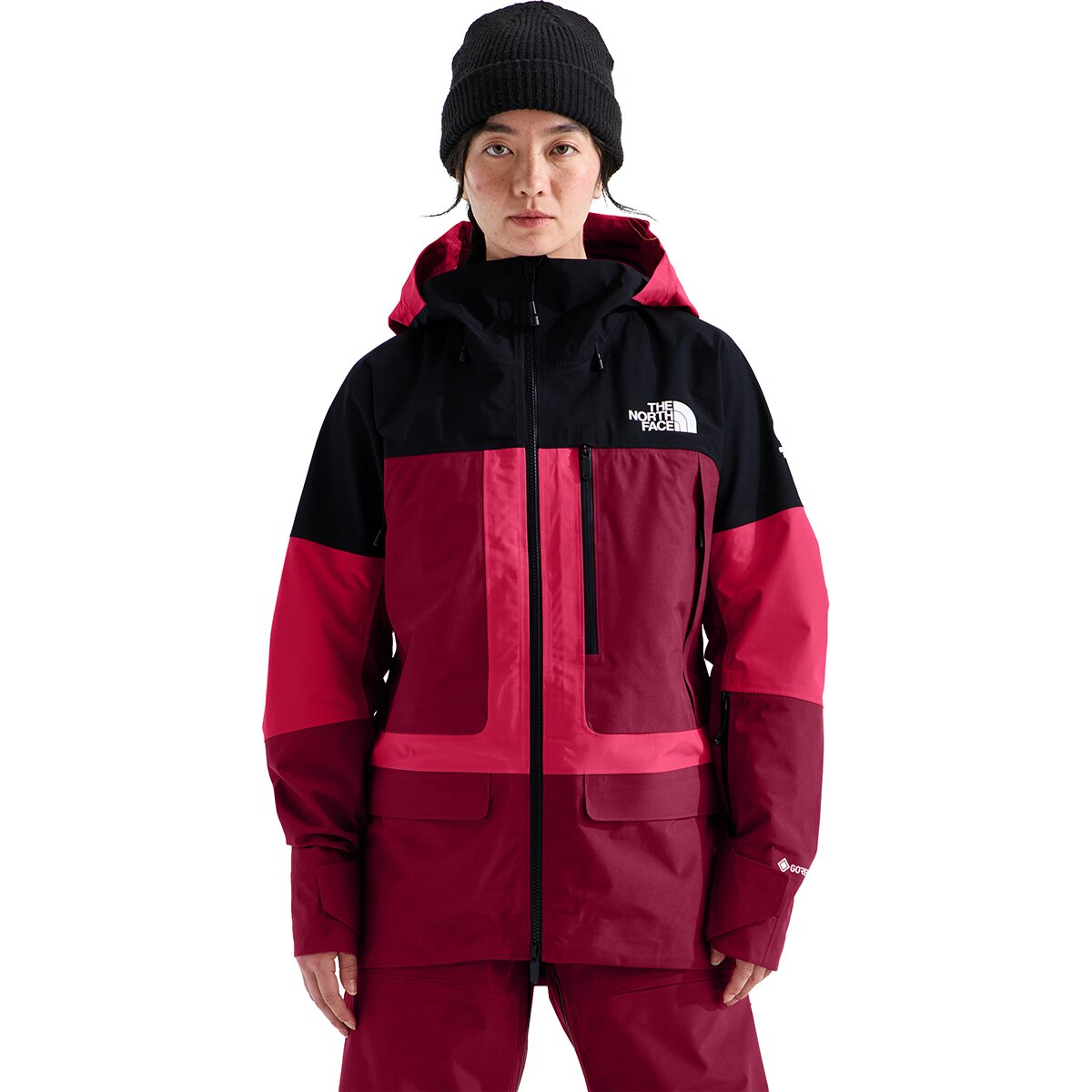 The North Face womens-ski-jackets
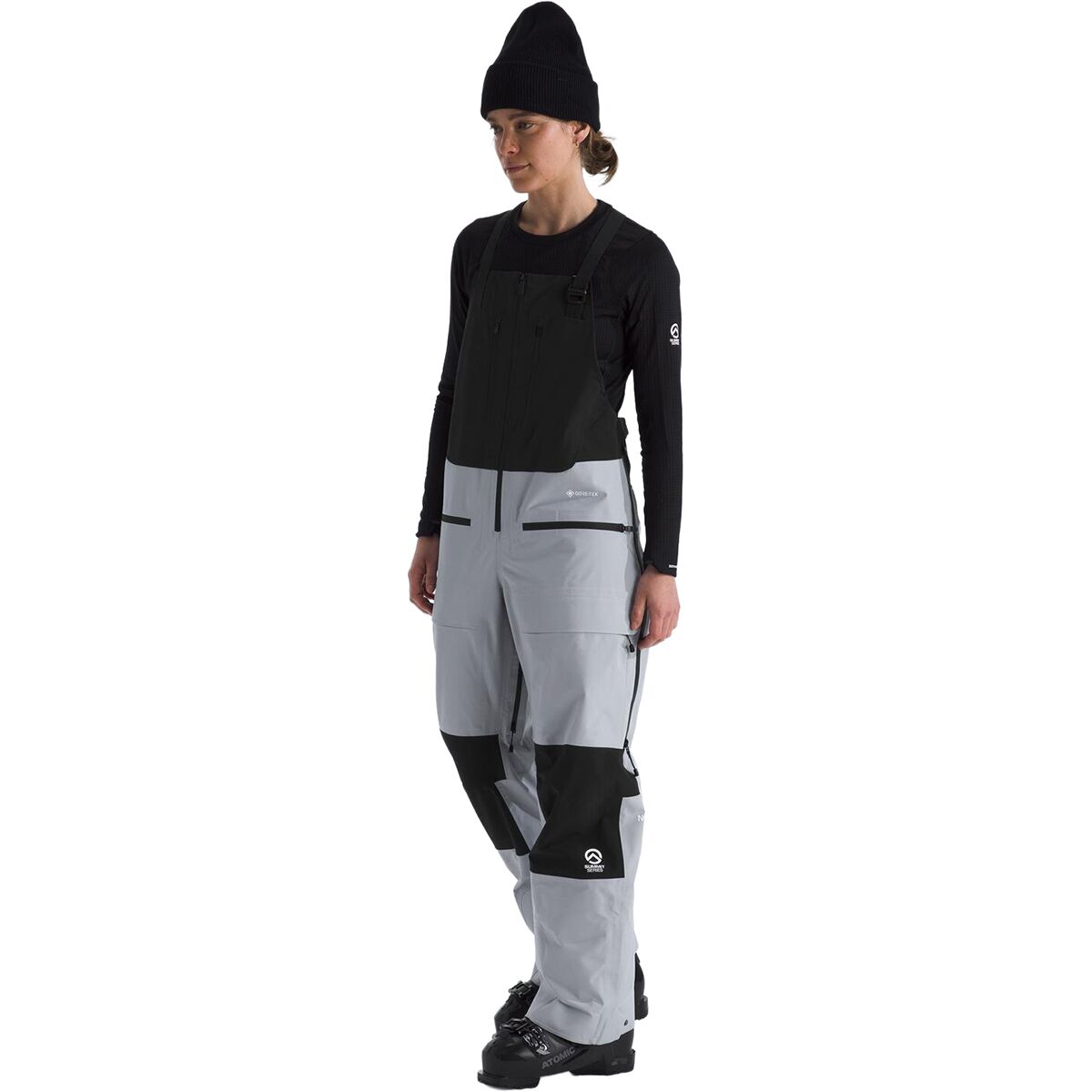 The North Face womens-ski-pants-bibs
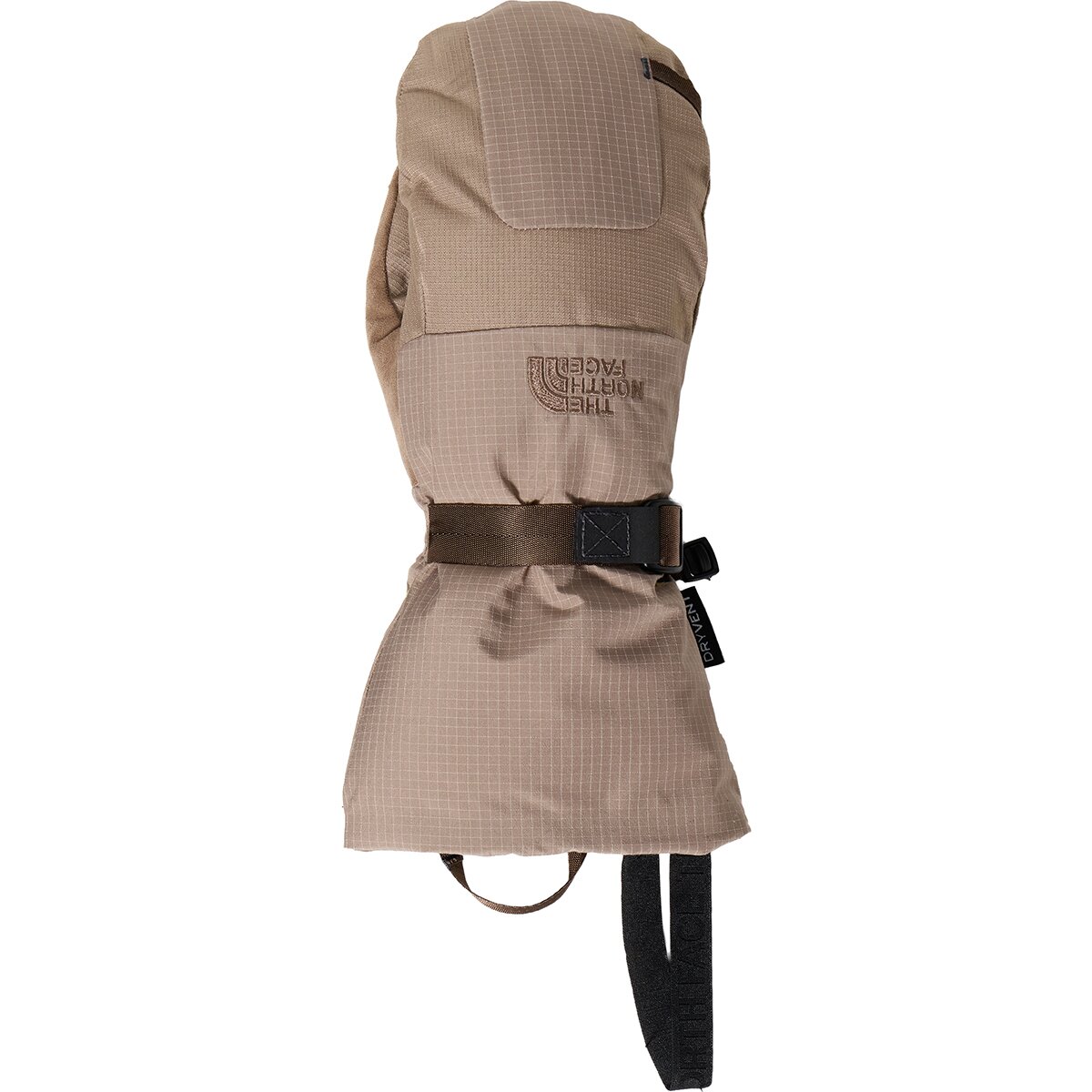 The North Face womens-ski-gloves-mittens
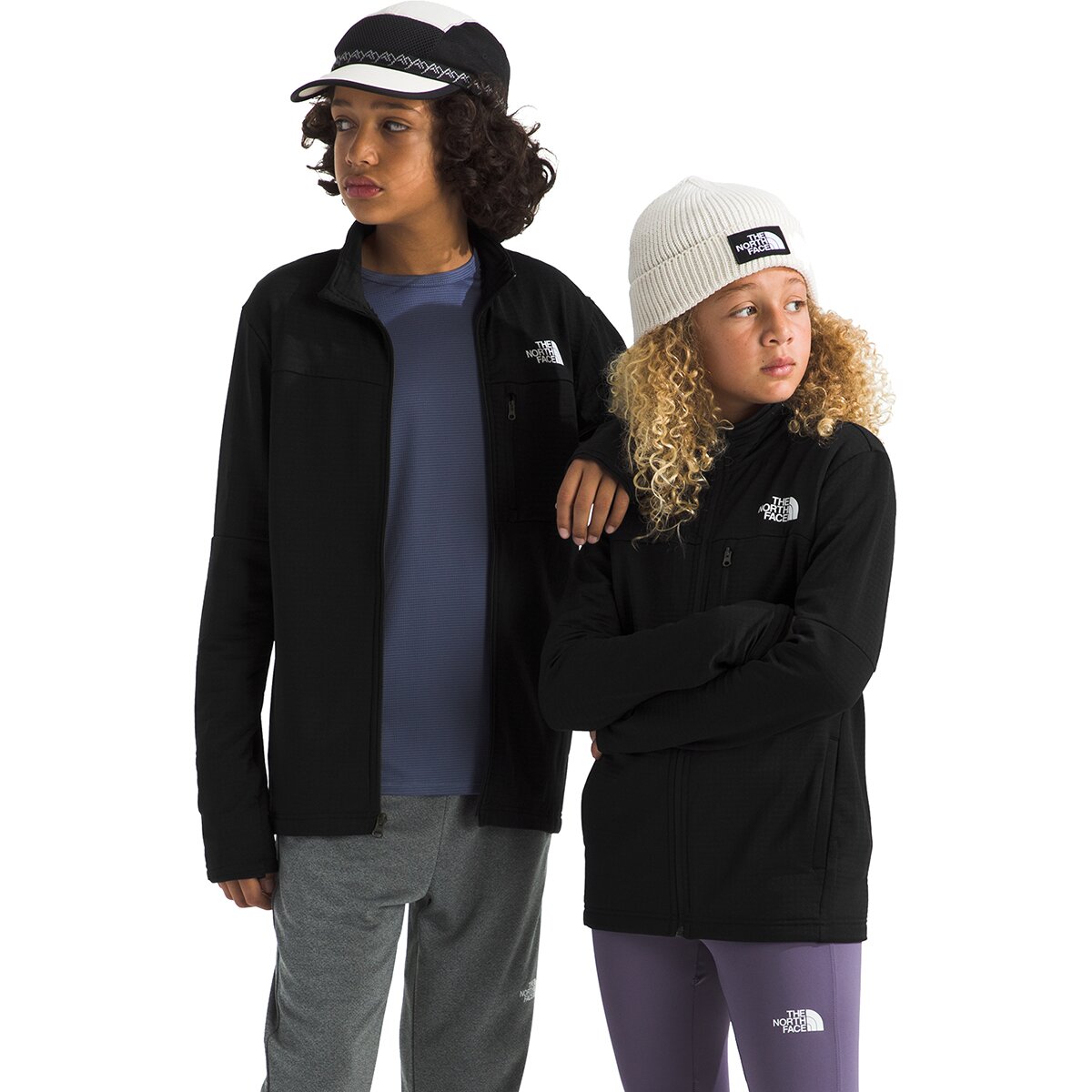 The North Face kids-baselayers
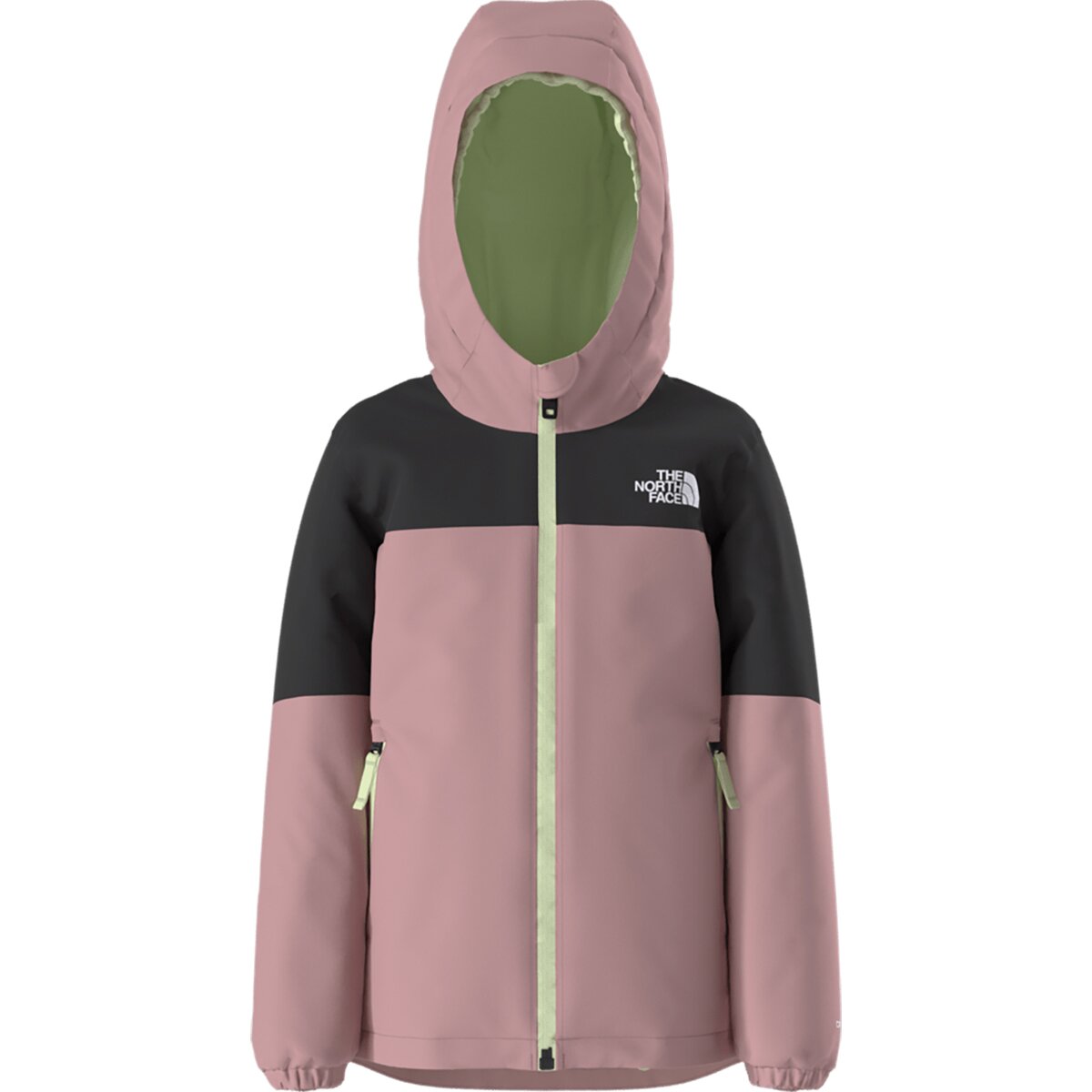 The North Face kids-ski-clothing
Frequently Asked Questions
What materials and proprietary technologies does The North Face use in men's base layers?
The North Face blends merino wool (often combined with COOLMAX®) and synthetic polyester/spandex or nylon blends to balance warmth, odor control, stretch, and quick-drying performance. Proprietary treatments like FlashDry™ speed moisture transport and drying, while DotKint provides structured insulation and breathability for cold-weather base layers.How do I choose between lightweight, midweight, and heavyweight The North Face base layers?
Choose lightweight for cool conditions and high-output activities like trail running or aerobic ski tours, midweight for sustained cold and mixed-activity days, and heavyweight for below-freezing, low-output scenarios such as glacier travel or cold camps. Also factor in your metabolism and layering system—if you generate a lot of heat, favor a lighter weight even in colder temps.How does a FlashDry™ base layer compare to a DotKint base layer?
FlashDry™ fabrics prioritize rapid moisture transport and quick drying, making them ideal for warm-weather or high-intensity base layers, whereas DotKint is engineered to trap insulating air and manage moisture at lower outputs for cold conditions. Pick FlashDry™ for next-to-skin pieces during aerobic efforts and DotKint when you need passive warmth and improved thermal layering.What fit and sizing should I pick for The North Face men's base layers?
Base layers should fit snugly like a second skin to optimize moisture wicking without restricting movement; The North Face pieces are often cut slightly smaller, so start with your regular size. Look for flatlock seams or seamless construction to minimize chafing under packs, and only size up if you prefer a relaxed fit or plan to wear the piece as a midlayer.How should I care for merino-blend versus synthetic The North Face base layers to preserve performance and odor resistance?
Merino blends can typically be worn multiple times between washes thanks to natural odor resistance—wash cold on a gentle cycle with mild detergent and air-dry or tumble low to protect fibers. Synthetics wick and dry quickly but pick up body oils, so launder them more frequently, avoid fabric softeners, wash inside-out, and dry on low or hang to maintain FlashDry™ performance.