


20% Off Full-Price Items
Shop now
EXTRA 20% Off Clearance
Ends today
Get An EXTRA $50 Cash Back*
Summit+ exclusive
The North Face Climb
91 results

The North Face
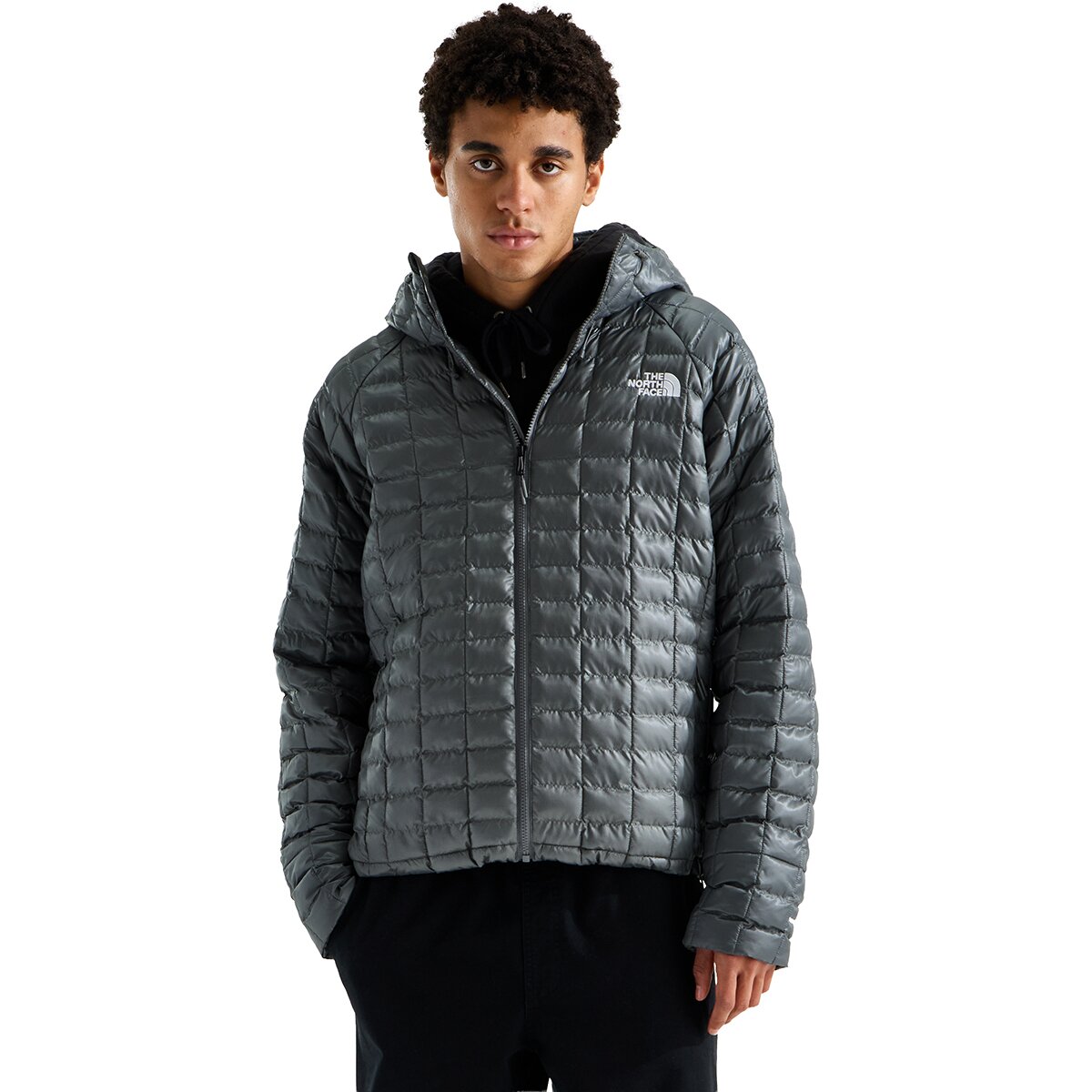
ThermoBall Jacket - Men's
3 colors
Discount Applies In Cart | Ends 11/16
(34)


The North Face
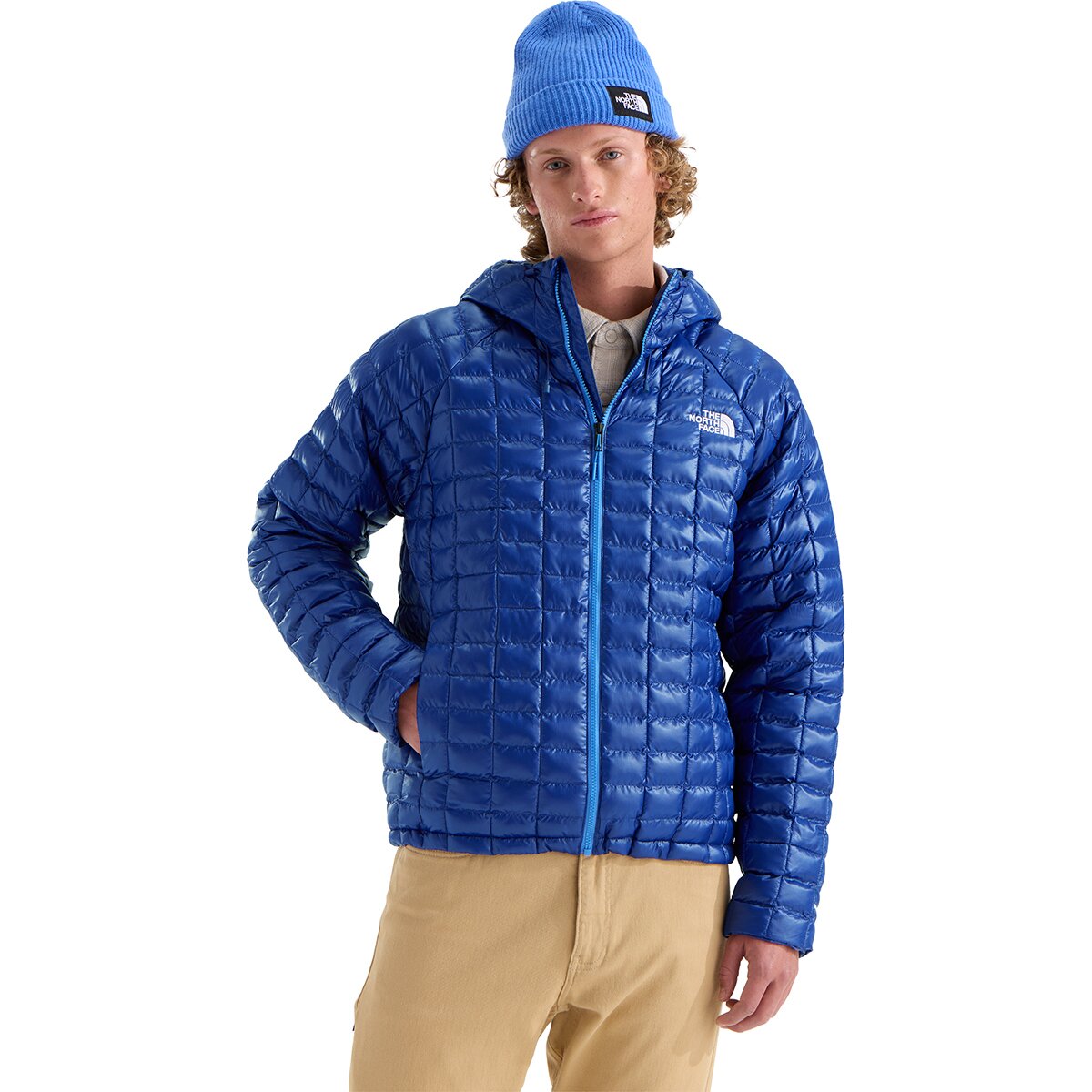
ThermoBall Hooded Jacket - Men's
5 colors
Discount Applies In Cart | Ends 11/16
(37)

+3
The North Face
Aconcagua Hooded Jacket - Men's
7 colors
Discount Applies In Cart | Ends 11/16
(2)

The North Face
Venture 2 Hooded Jacket - Men's
2 colors
Winter Sale
(1283)

+2
The North Face
Antora Jacket - Men's
6 colors
Discount Applies In Cart | Ends 11/16
(1038)

The North Face
Paramount Jogger - Men's
3 colors
Extra 20% Off Clearance | Ends 11/9

The North Face
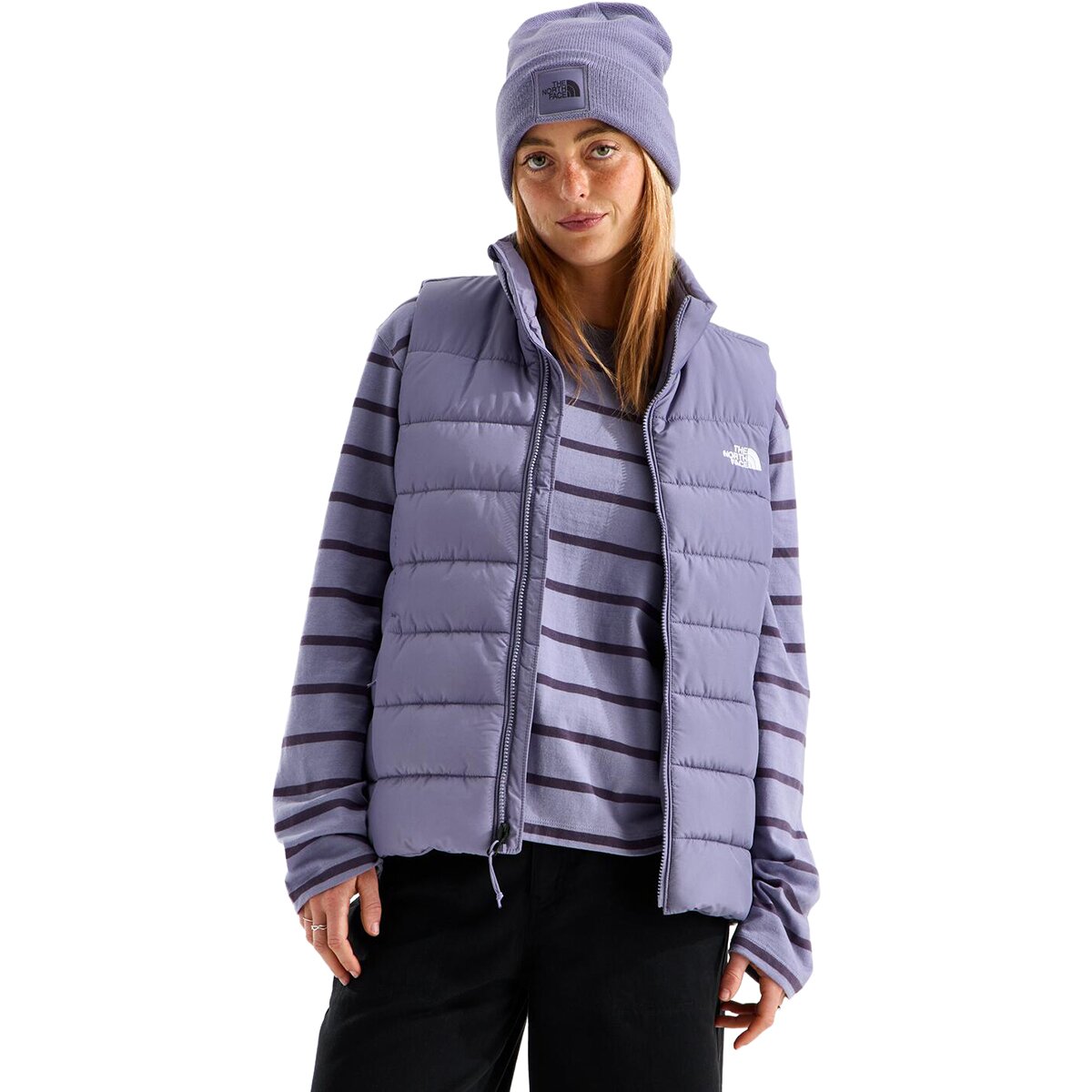
Aconcagua 3 Vest - Women's
3 colors
Winter Sale
(520)

The North Face
Basin Pant - Women's
4 colors
Extra 20% Off Clearance | Ends 11/9
(6)

The North Face
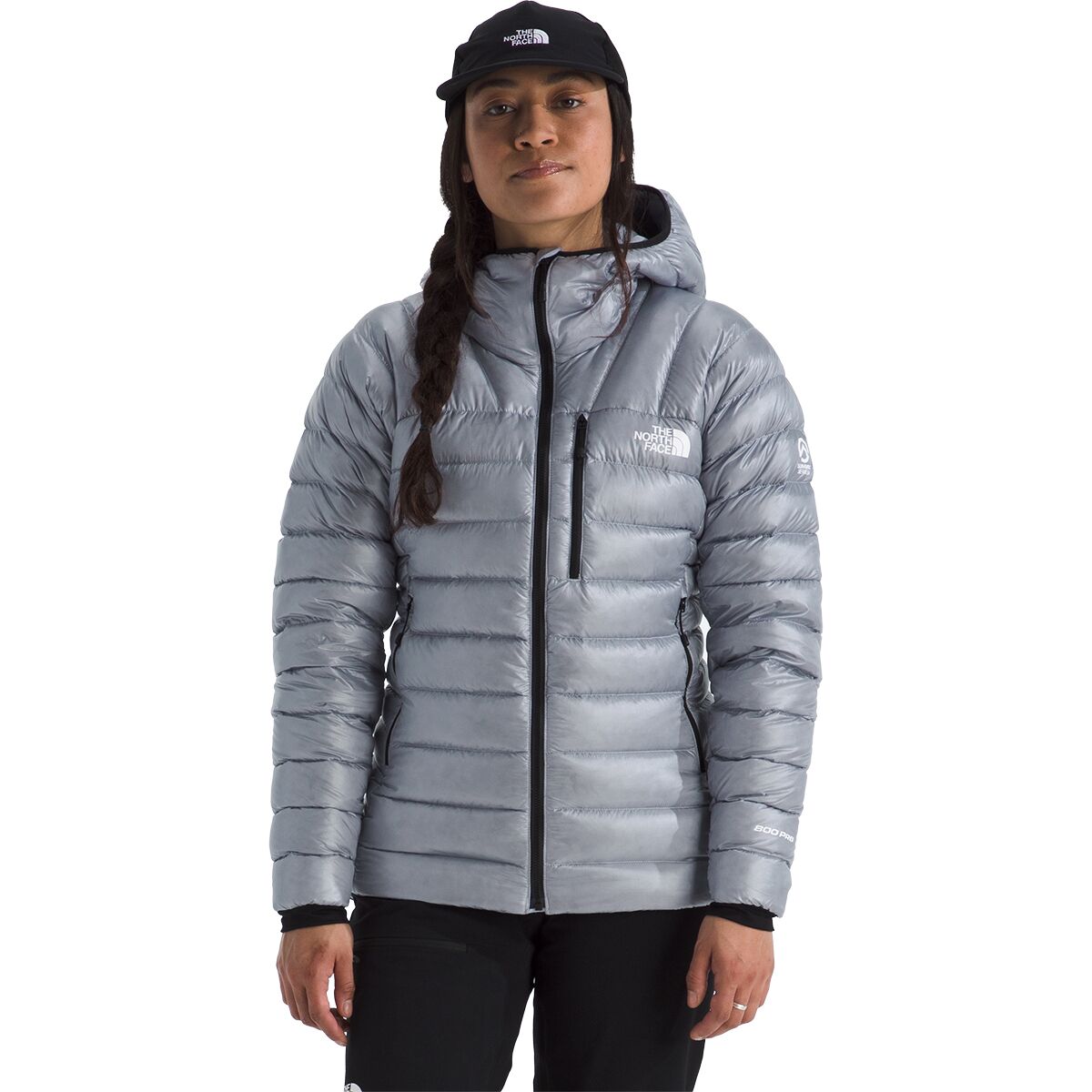
Summit Breithorn Hooded Jacket - Women's
4 colors
Discount Applies In Cart | Ends 11/16
(26)

The North Face
Aconcagua Down Vest - Women's
4 colors
Discount Applies In Cart | Ends 11/16
(2)

The North Face
Ridgelite FUTUREFLEECE Wind Jacket - Men's
3 colors
Discount Applies In Cart | Ends 11/16
(2)

The North Face
Extreme Pile 2 Full-Zip Jacket - Men's
1 color
Discount Applies In Cart | Ends 11/16
(1)

The North Face
Kalix Down Hoodie - Men's
1 color
Discount Applies In Cart | Ends 11/16
(1)

The North Face
Aphrodite 2.0 Capri Pant - Women's
4 colors
Discount Applies In Cart | Ends 11/16
(14)

The North Face
Yumiori Off Peak 1/2-Zip Jacket - Men's
3 colors
Discount Applies In Cart | Ends 11/16
(4)

The North Face
Summit Off Width Pant - Men's
2 colors
Discount Applies In Cart | Ends 11/16

The North Face
Summit Casaval Hoodie - Men's
2 colors
Discount Applies In Cart | Ends 11/16
(3)

The North Face
Summit Cayesh GTX Pro Jacket - Men's
3 colors
Discount Applies In Cart | Ends 11/16

The North Face
Summit FUTUREFLEECE Overlay Hoodie - Men's
2 colors
Discount Applies In Cart | Ends 11/16
(1)

The North Face
Summit Breithorn LT Hybrid Hoodie - Women's
2 colors
Discount Applies In Cart | Ends 11/16
(3)

The North Face
Sunriser Hoodie - Women's
1 color
Winter Sale
(13)

The North Face
Summit Breithorn Vest - Men's
1 color
Discount Applies In Cart | Ends 11/16

The North Face
Adventure Explore Pin Hoodie - Women's
2 colors
Extra 20% Off Clearance | Ends 11/9

The North Face
Packable Loose Pant - Men's
1 color
Extra 20% Off Clearance | Ends 11/9

The North Face
Polartec Power Grid Stormgap Hoodie - Men's
1 color
Winter Sale
(1)

The North Face
Summit Off Width Jacket - Men's
2 colors
Discount Applies In Cart | Ends 11/16

The North Face
Adventure Sun Hoodie - Women's
1 color
Winter Sale
(6)

The North Face
Glacier Fleece Vest - Men's
2 colors
Discount Applies In Cart | Ends 11/16
(2)

The North Face
HKE Spectra GTX Mountain Light Jacket
1 color
10% Cashback Eligible
(1)

The North Face
Summit Casaval LT Vest - Men's
1 color
Discount Applies In Cart | Ends 11/16
(2)

The North Face
Winter Warm Pro 1/4-Zip Top - Women's
1 color
Discount Applies In Cart | Ends 11/16

The North Face
Basin Pro Pant - Women's
2 colors
Discount Applies In Cart | Ends 11/16
(20)

The North Face
Adventure T-Shirt - Women's
3 colors
Discount Applies In Cart | Ends 11/16

The North Face
Summit FUTURELIGHT Torre Egger LT Pant - Women's
1 color
Discount Applies In Cart | Ends 11/16

The North Face
Summit FUTURELIGHT Torre Egger LT Jacket - Women's
1 color
Discount Applies In Cart | Ends 11/16

The North Face
Summit FUTURELIGHT AMK Climb Pant - Women's
1 color
Discount Applies In Cart | Ends 11/16

The North Face
Summit FUTUREFLEECE AMK Hoodie - Women's
1 color
Discount Applies In Cart | Ends 11/16

The North Face
Summit AMK Vest - Women's
1 color
Discount Applies In Cart | Ends 11/16

The North Face
Summit 5050 AMK Hoodie - Women's
1 color
Discount Applies In Cart | Ends 11/16
(1)

The North Face
Summit Torre Egger FUTURELIGHT Jacket - Men's
1 color
Discount Applies In Cart | Ends 11/16
(3)

The North Face
Summit FUTURELIGHT AMK Climb Pant - Men's
1 color
Discount Applies In Cart | Ends 11/16
(1)

The North Face
Summit FUTUREFLEECE AMK Hooded Jacket - Men's
1 color
Discount Applies In Cart | Ends 11/16
(2)
Related Categories

Frequently Asked Questions
How should The North Face climbing shoes (like Summit Series footwear) fit and what should I consider when sizing?
Climbing shoes should feel snug with little dead space—many climbers size down for precision on edging while retaining enough volume to avoid hot spots on long routes. Consider your foot volume, intended use (bouldering vs. long trad routes), and try them with the socks you’ll wear; break-in varies by upper material and breathability. If you plan approach hikes, compare the Summit Series approach-friendly options for added comfort and tread.What climbing-specific features matter in The North Face jackets and how do FUTUREFLEECE™ and WindWall® help on technical routes?
Look for roomy shoulders and articulated sleeves for overhead mobility, reinforced shoulders and hem/hood adjustments to prevent snagging on rock, and a layering-compatible zip system for versatility. FUTUREFLEECE™ delivers breathable, stretchy insulation that moves with you, while WindWall® panels block wind without sacrificing ventilation for active climbing. Use a lightweight shell like the Mountain Jacket over a Nuptse or Denali fleece midlayer when conditions demand more warmth or abrasion resistance.How do The North Face Summit Series boots compare to regular hiking boots for alpine and mountaineering use?
Summit Series boots are built with stiffer midsoles, higher ankle support, and more abrasion-resistant uppers to handle technical terrain, exposure, and heavy loads encountered on alpine routes. Regular hiking boots prioritize comfort, cushioning, and lighter weight for long trail miles rather than technical crampon work or steep ice/snow approaches. Choose Summit Series for technical mountaineering and mixed routes; opt for trail-focused boots for non-technical hikes and approaches.Which The North Face backpacks are best for multi-pitch and alpine climbing, and what features should I prioritize?
For multi-pitch and alpine use, prioritize a technical climbing pack with a streamlined profile, reinforced haul loops, daisy chains/gear loops, ice axe/pole attachments, and durable fabrics like Spectra® ripstop for abrasion resistance. Look for an ergonomic harness, suspended mesh or ventilated backpanel for carry comfort, and internal lash points or hydration compatibility depending on route length. Pick lower-volume, well-organized packs for short technical days and framed or higher-capacity alpine packs when you need more insulation and bivy gear.How do I choose a harness for sport, trad, and alpine climbing from The North Face lineup?
Match harness design to activity: padded, wider-waist harnesses offer comfort for long hang-time on sport and trad, while minimalist, low-profile harnesses prioritize weight savings and packability for alpine objectives. Seek adjustable leg loops if you layer over bulky pants or crampon-compatible boots, and ensure ample, reinforced gear loops for your rack and quickdraws. Models referenced for year‑round versatility (like Sitta or Whisper in TNF contexts) lean lightweight and packable, whereas beefier harnesses favor sustained comfort on belays.