


Up To 20% Off Full-Price Items
Shop now
EXTRA 20% Off Clearance
Shop now | Ends 11/9
Get An EXTRA $50 Cash Back*
Summit+ exclusive
The Critical Slide Society Surf
6 results

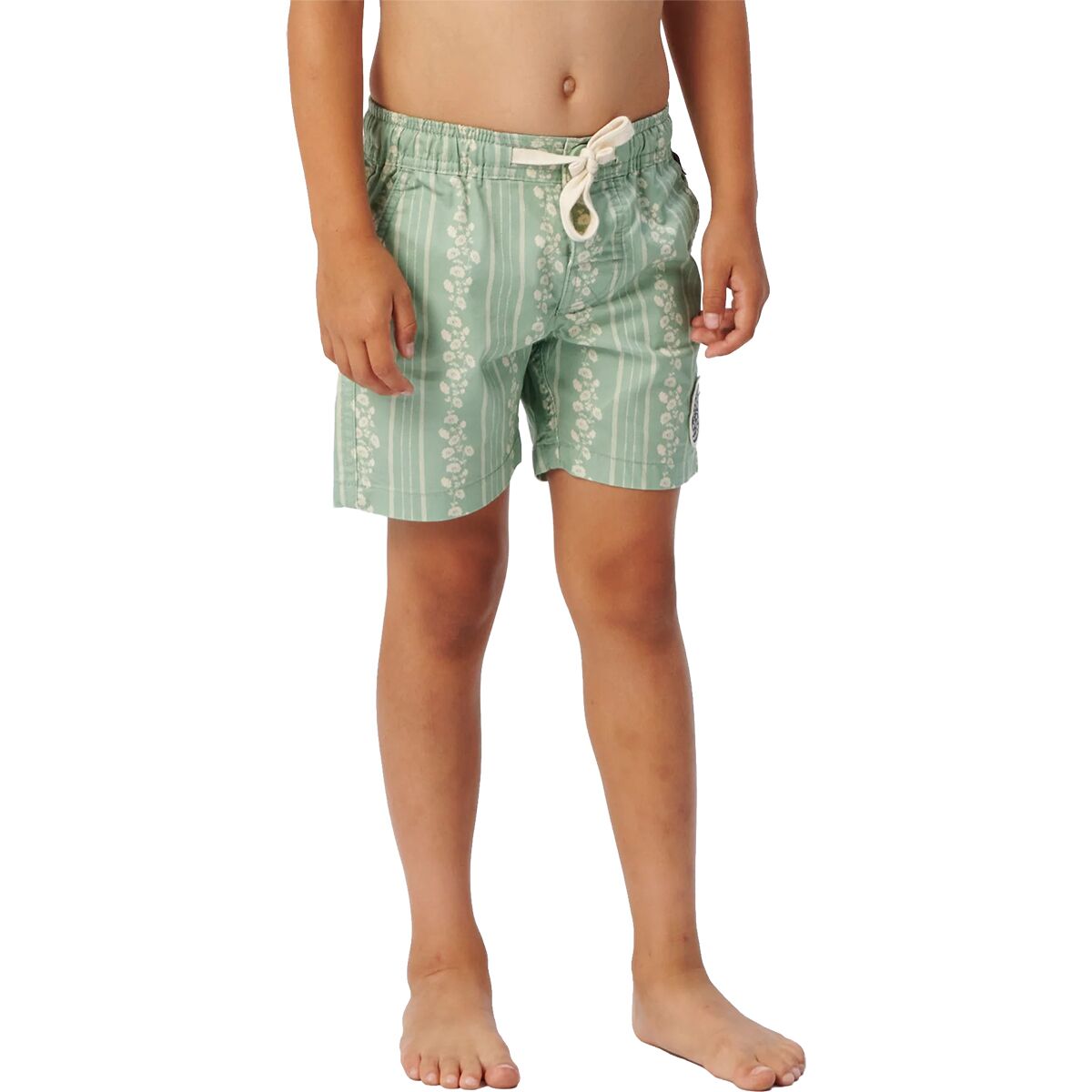
The Critical Slide Society
Coggs Trunk - Boys'
1 color
Current price: $27.96 Original price: $34.95
20% off
Winter Sale

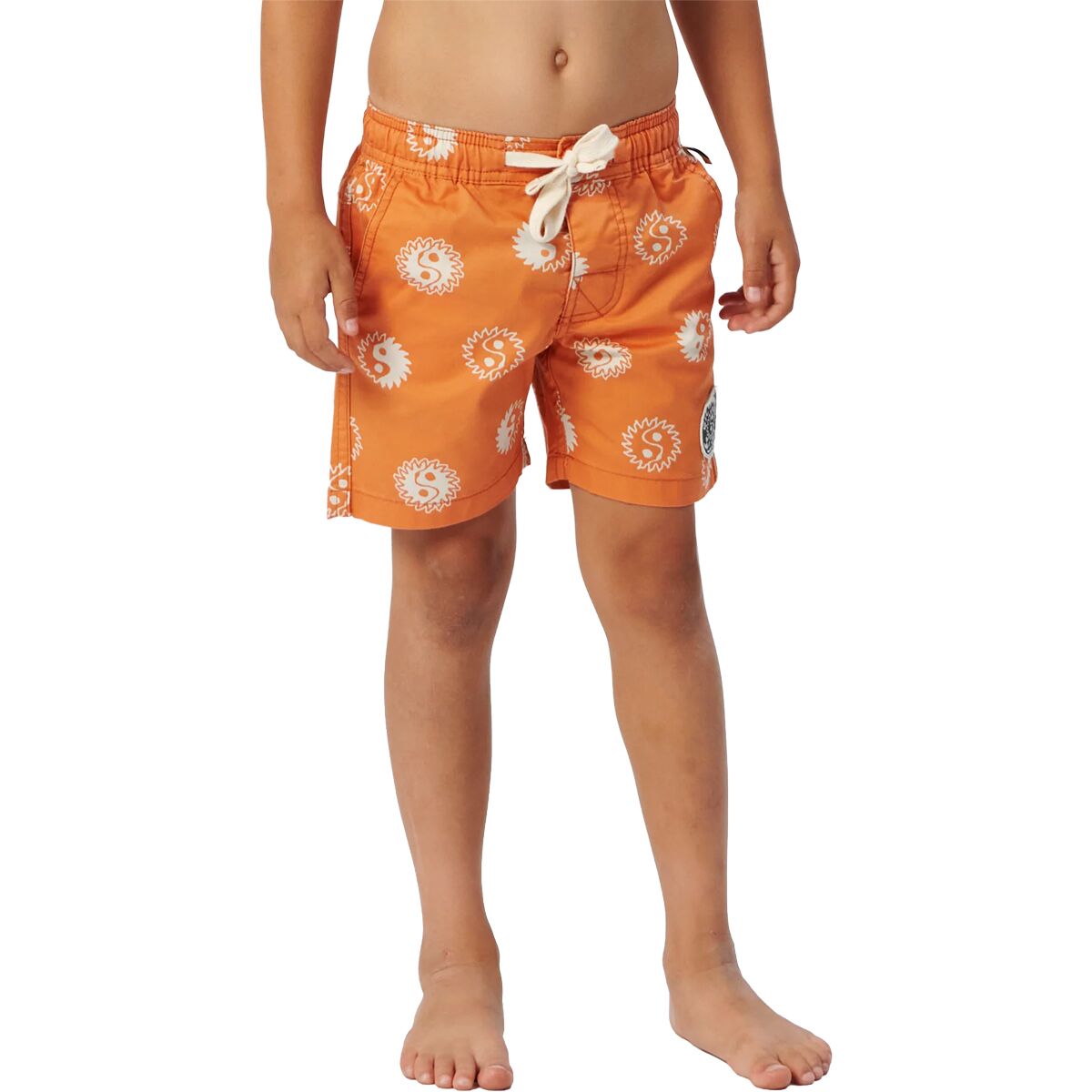
The Critical Slide Society
Ying Yang Trunk - Boys'
1 color
Current price: $27.96 Original price: $34.95
20% off
Winter Sale

The Critical Slide Society
Plain Jane Blocked 16in Trunk - Men's
1 color
Current price: $51.96 Original price: $64.95
20% off
Extra 20% Off Clearance | Ends 11/9

The Critical Slide Society
Hazed Mixed Tape 17in Trunk - Men's
1 color
Current price: $56.21 Original price: $74.95
25% off
Extra 20% Off Clearance | Ends 11/9

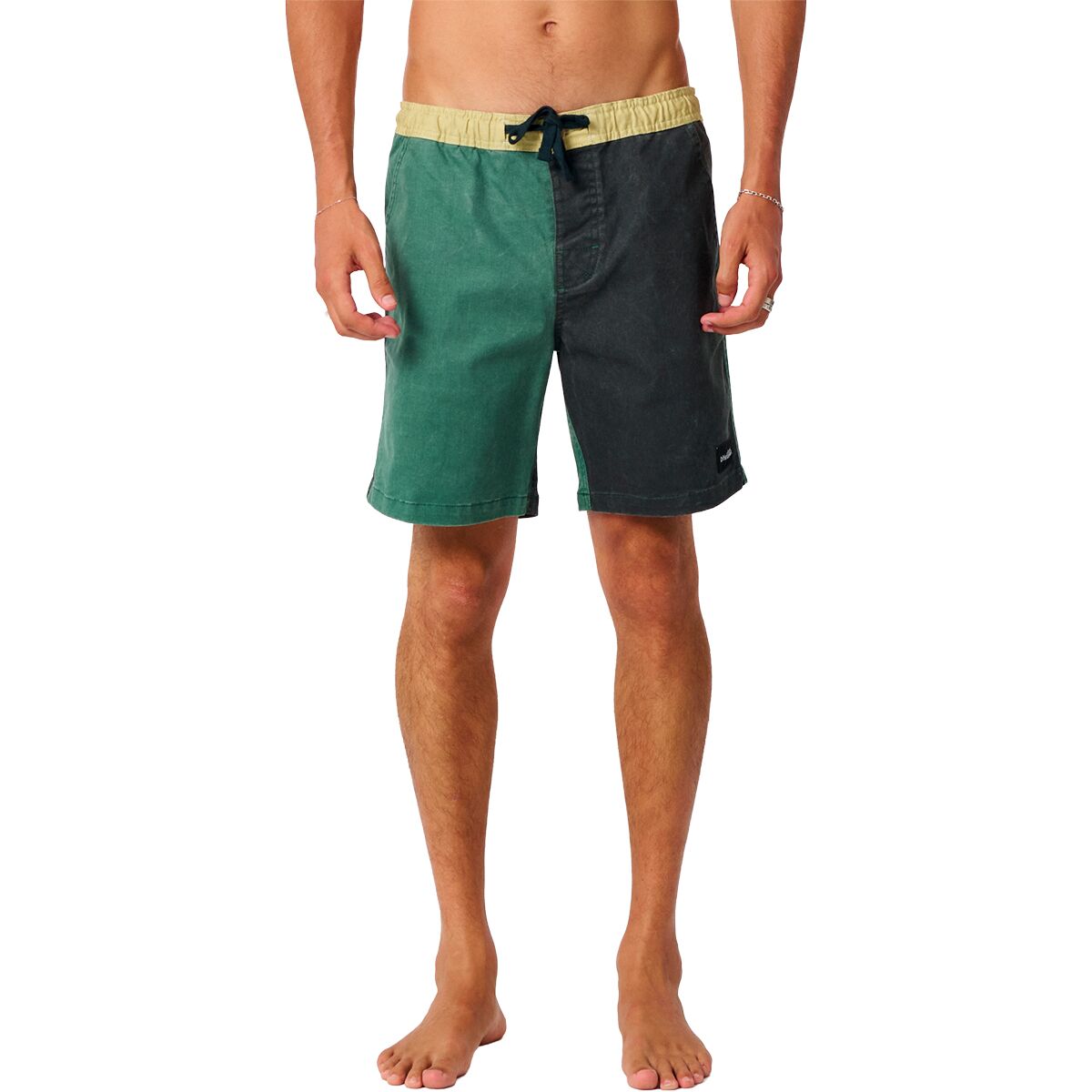
The Critical Slide Society
Hazed 16in Trunk - Men's
1 color
Current price: $52.46 Original price: $69.95
25% off
Winter Sale
(1)


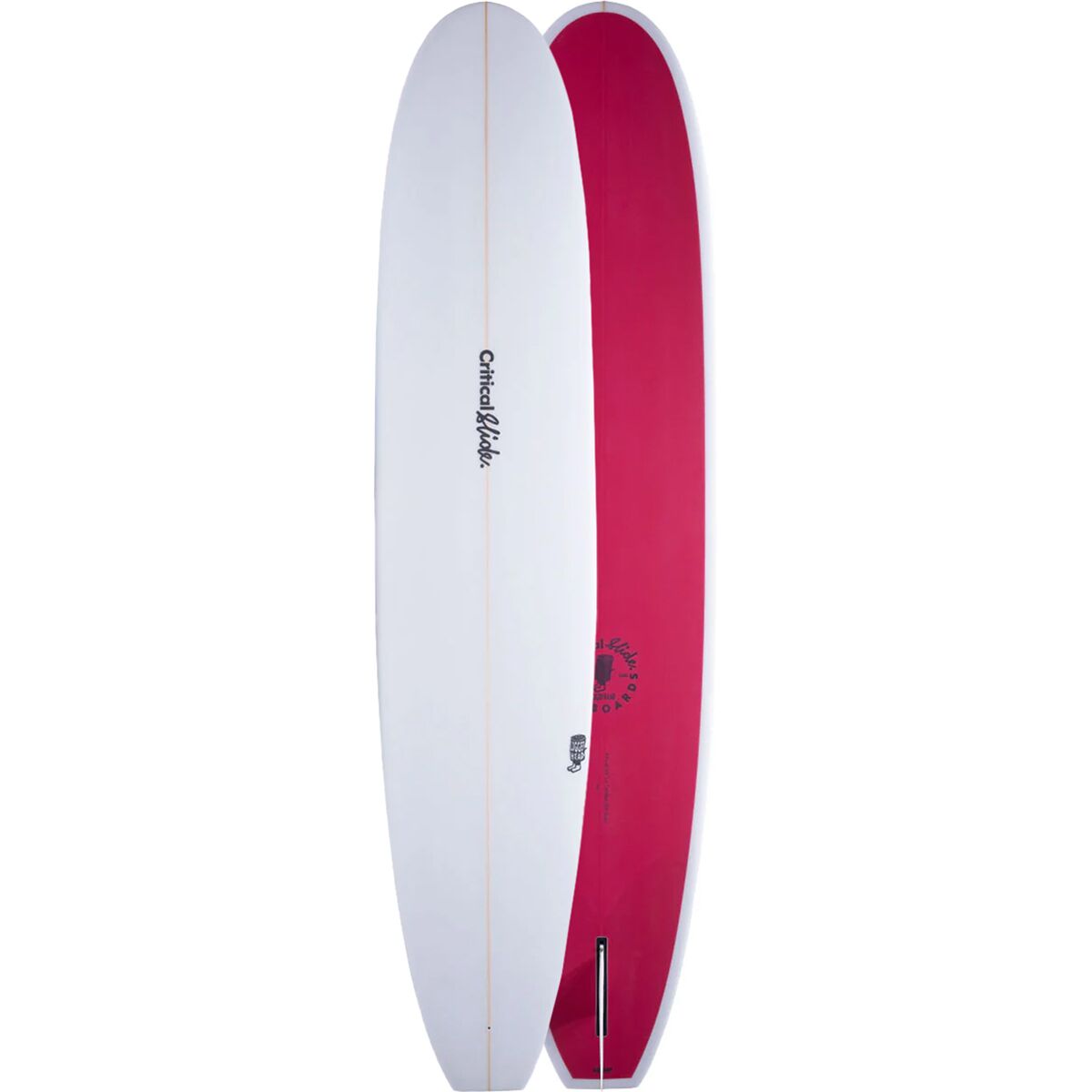
The Critical Slide Society
Logger Head Longboard Surfboard
1 color
Current price: $682.50 Original price: $975.00
30% off
10% Cashback Eligible
Related Categories
Frequently Asked Questions
Which TCSS surfboard is best for beginners who want easy paddling and stable nose rides?
For pure stability and nose-time in small to medium surf, the Logger Head and All Rounder longboards are the go-to options — both offer higher volume, wide parallel rails and classic longboard outlines (Logger Head commonly around 9'0–9'2). Old Mal longboards and fuller mid-lengths also provide forgiving paddling and stability for new surfers learning cross-stepping and wave entry. Match board length and volume to your weight and comfort level for the easiest progression.How do I pick the right size and volume for a TCSS mid-length, longboard, or fish?
Choose based on your weight, skill and the waves you ride: longboards (typically 9'0–9'2) give the most paddle power and stability, mid‑lengths like the Hermit trade some length for increased maneuverability, and fishes/twins prioritize glide and speed in smaller surf. Beginners should err toward more volume for easier paddling and catch‑rate, while intermediate riders can step down for more responsiveness; if you want a rule of thumb, add volume for heavier riders or less experienced paddlers. Consider the board’s rail shape (60/40 forgiving rails) and nose volume when matching to your goals.How does the Logger Head compare to the Hermit mid-length and the Angler twin fin?
The Logger Head is a classic longboard built for nose riding, smooth trim and high wave count in 1–6 ft conditions, typically paired with a single 9.5" fin for steady tracking. The Hermit is a mid‑length hybrid that keeps paddle power but adds shortboard responsiveness and better pivoting for 1–5 ft waves. The Angler twin fin emphasizes speed, looseness and forward drive for small‑to‑medium surf, making it more playful and responsive than a longboard but less suited for extended nose rides.What materials and construction features define TCSS surfboards and how do they influence ride feel?
TCSS boards use a traditional PU core with glassing (deck typically 2x 6oz, bottom with a single layer plus fin patch) and hand‑mixed resin tints, producing a classic feel and durable finish. Bottom contours like nose concave to rolled vee or double concave into a V create lift in the nose, smooth rail release and predictable turning, while boxy/full rails and higher nose/tail volume boost paddling ease and stability. These construction choices prioritize glide, nose time and longboard‑style control over competition‑level performance.Which TCSS model is best if I want to maximize wave count and still have room to progress my turns?
For maximizing wave count with room to progress, the Hermit mid‑length and the All Rounder longboard are excellent choices: the Hermit pairs easier paddling with more shortboard‑like turning, while the All Rounder offers stability and manageable responsiveness for improving turns. If you want more speed and quick directional change once you’ve built confidence, consider an Angler twin or a fish shape for added glide and pivot. In all cases, pick a size with extra volume if you prioritize catch‑rate over advanced trimming.