


Up To 20% Off Full-Price Items
Shop now
EXTRA 20% Off Clearance
Shop now | Ends 11/9
Get An EXTRA $50 Cash Back*
Summit+ exclusive
Suunto Training
2 results
HSA/FSA Eligible

Suunto
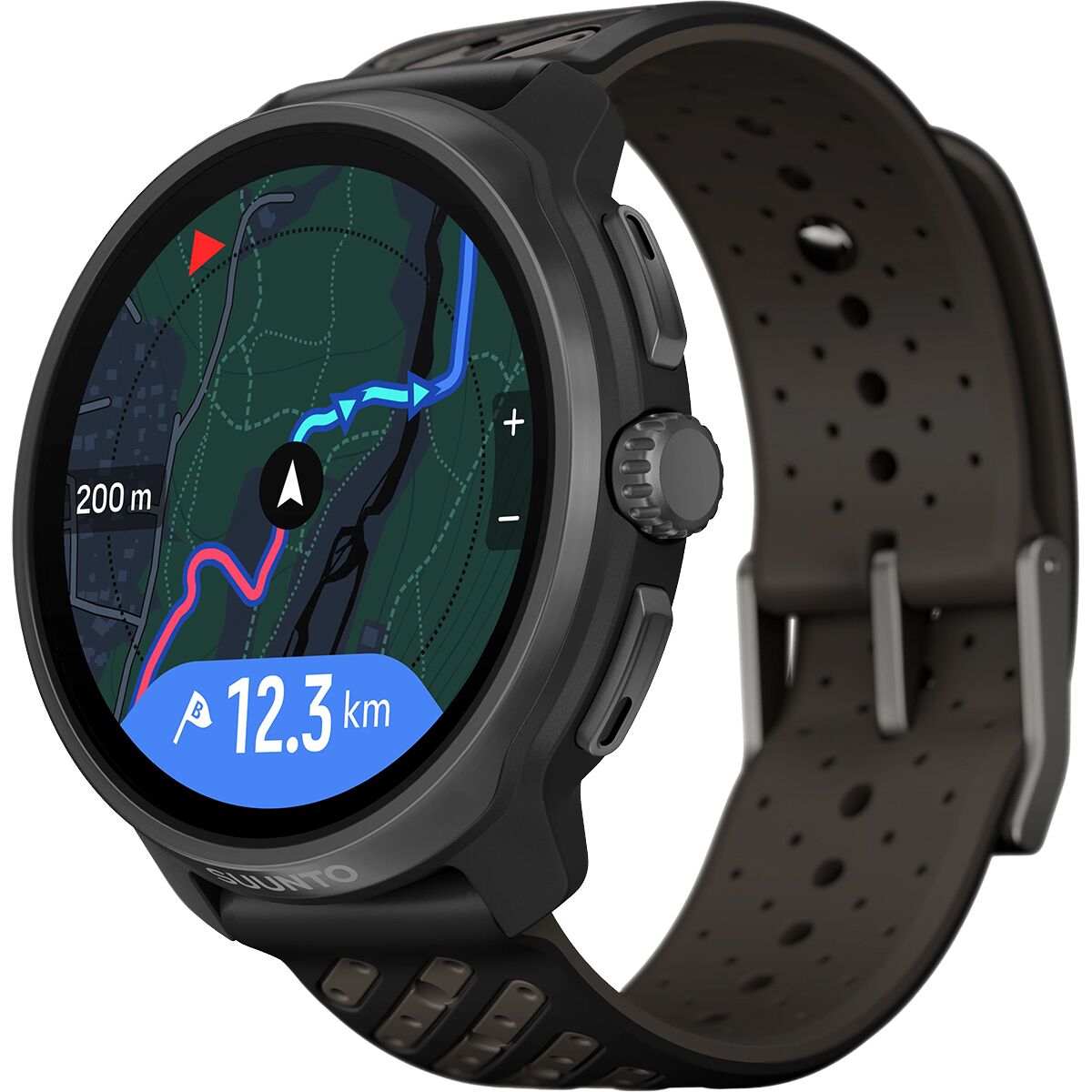
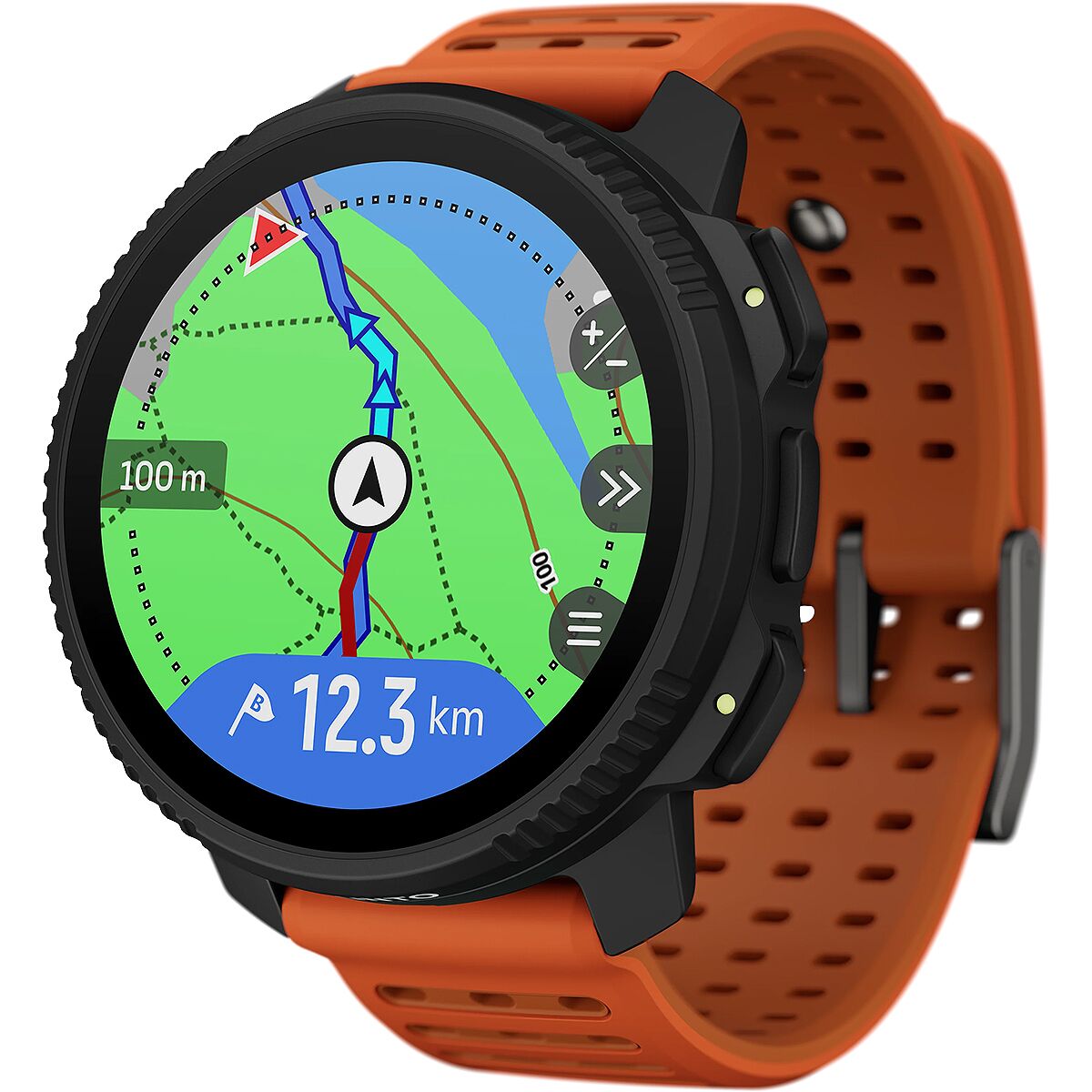
Vertical 2 Watch
2 colors
$599.00
10% Cashback Eligible


Suunto
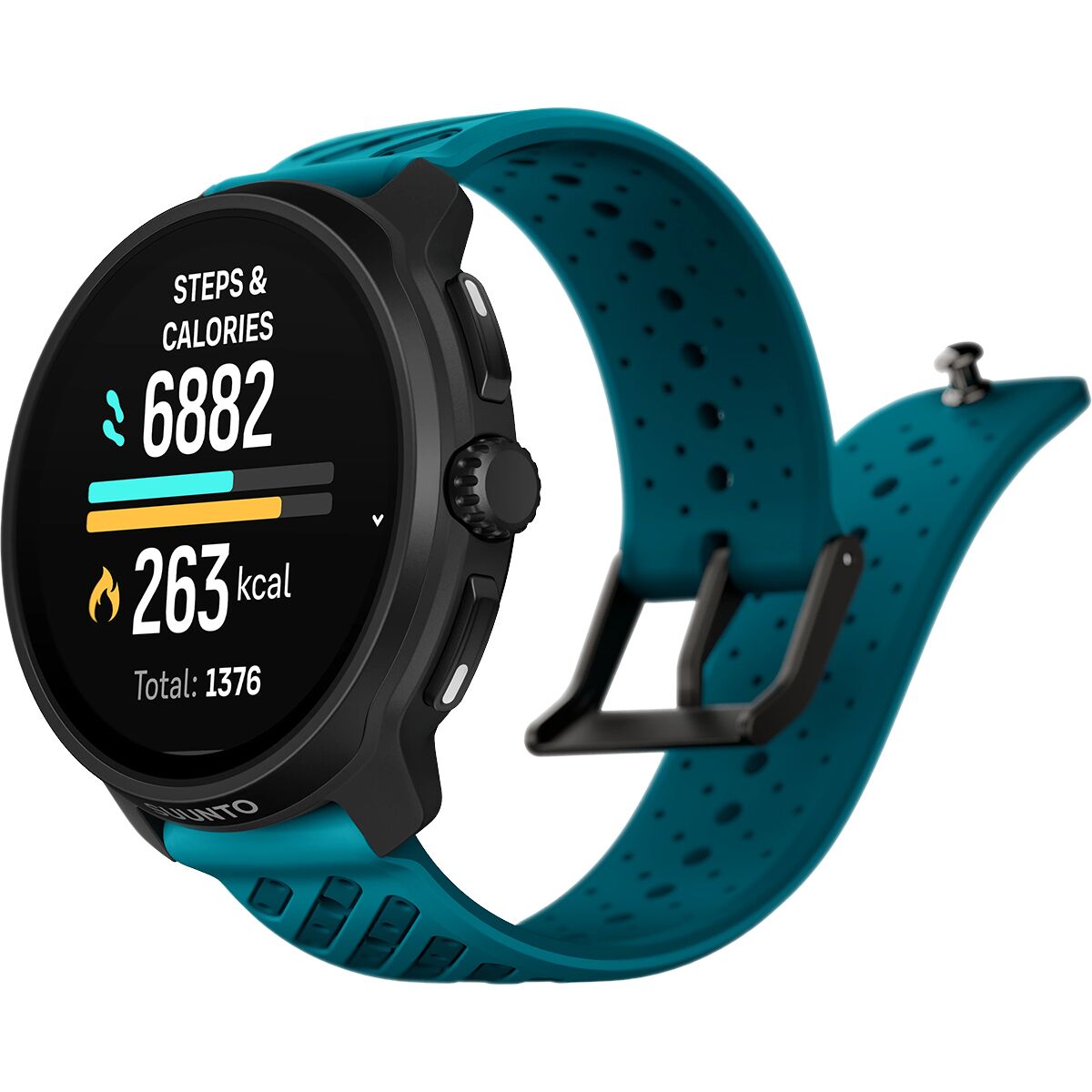
Race 2 Sport Watch
2 colors
$499.00 - $599.00
10% Cashback Eligible
Related Categories
Frequently Asked Questions
What metrics do Suunto training watches use to measure training load and recovery?
Suunto watches combine Training Effect with long‑term load metrics like TSS/ATL/CTL and HRV‑based recovery (ZoneSense) to quantify workout impact and readiness. The Suunto app and Suunto Coach AI use those metrics to adapt session intensity and weekly plans based on your history and recovery trends.Which Suunto model should I pick for trail running, endurance racing, or navigation-heavy hiking?
Choose a Race or Race S for lightweight road and trail racing—the Race S’s 45 mm low‑profile case and Race’s AMOLED screens suit faster-paced training—while the Vertical is optimized for navigation and multi‑day mountain use with a high‑resolution display and enhanced routing features. Match the model to your primary activity: pick Race/Race S for speed and low weight, Vertical for mapping and climb guidance.How accurate are Suunto’s optical heart rate sensors and GPS during intervals, climbs, and technical terrain?
Recent Suunto models use upgraded optical HR sensors plus dual‑band GPS to improve accuracy during high‑intensity intervals and in challenging environments, and they support external PODs (power/cadence) or chest straps for even more reliable data. While wrist optical HR can lag during sudden surges, combining HRV/ZoneSense and external PODs gives the most consistent training zones and load calculations.How does the Suunto Race compare to the Suunto Vertical and Race S?
The Race emphasizes a large AMOLED display and dual‑band GPS for fast feedback and precise tracking; the Race S trades some screen size for a lighter 45 mm titanium‑bezel design and a lower profile suited to smaller wrists. The Vertical prioritizes navigation, offline maps, and climb routing over the Race family’s race‑focused responsiveness, so choose based on whether you value mapping/climb features or minimal weight and responsive display.What should I consider for fit, strap choice, and all‑day comfort when buying a Suunto training watch?
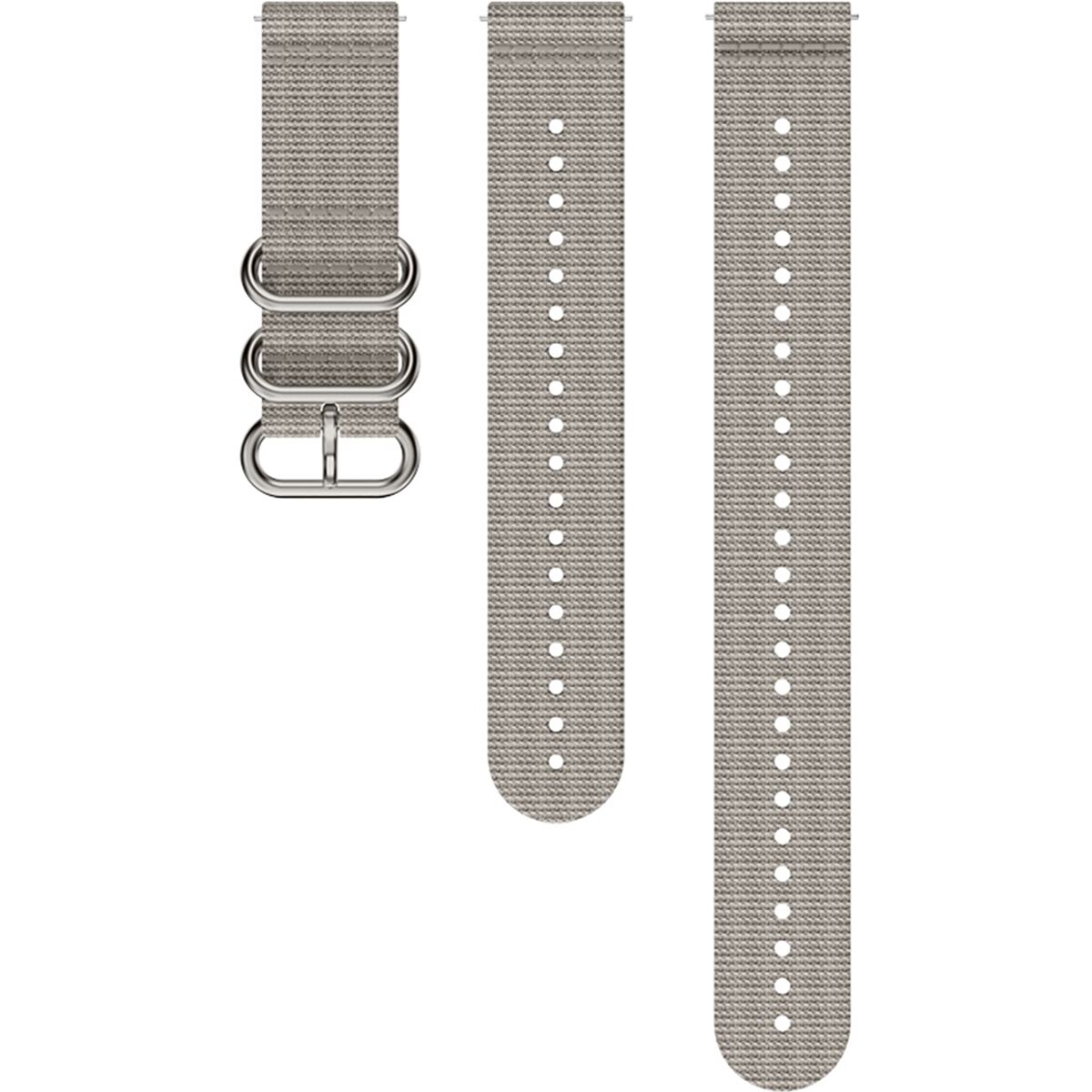
Look at case diameter and weight—many race models are around 45 mm or under and some titanium variants are as light as ~65 g—then choose silicone, textile, or leather straps based on activity and sweat management. If you want minimal interference during long runs or sleep tracking, opt for a lower‑profile model like the Race S or a heart‑rate‑only option such as the t4c or Suunto 3 for simpler daily wear.