


Up To 20% Off Full-Price Items
Shop now
EXTRA 20% Off Clearance
Shop now | Ends 11/9
Get An EXTRA $50 Cash Back*
Summit+ exclusive
Sunski
20 results


Sunski
Strada Polarized Sunglasses
1 color
Discount Applies In Cart | Ends 11/16
(40)

Sunski
Tera Polarized Sunglasses
4 colors
Discount Applies In Cart | Ends 11/16
(784)

Sunski
Vallarta Polarized Sunglasses
3 colors
Discount Applies In Cart | Ends 11/16
(57)

Sunski
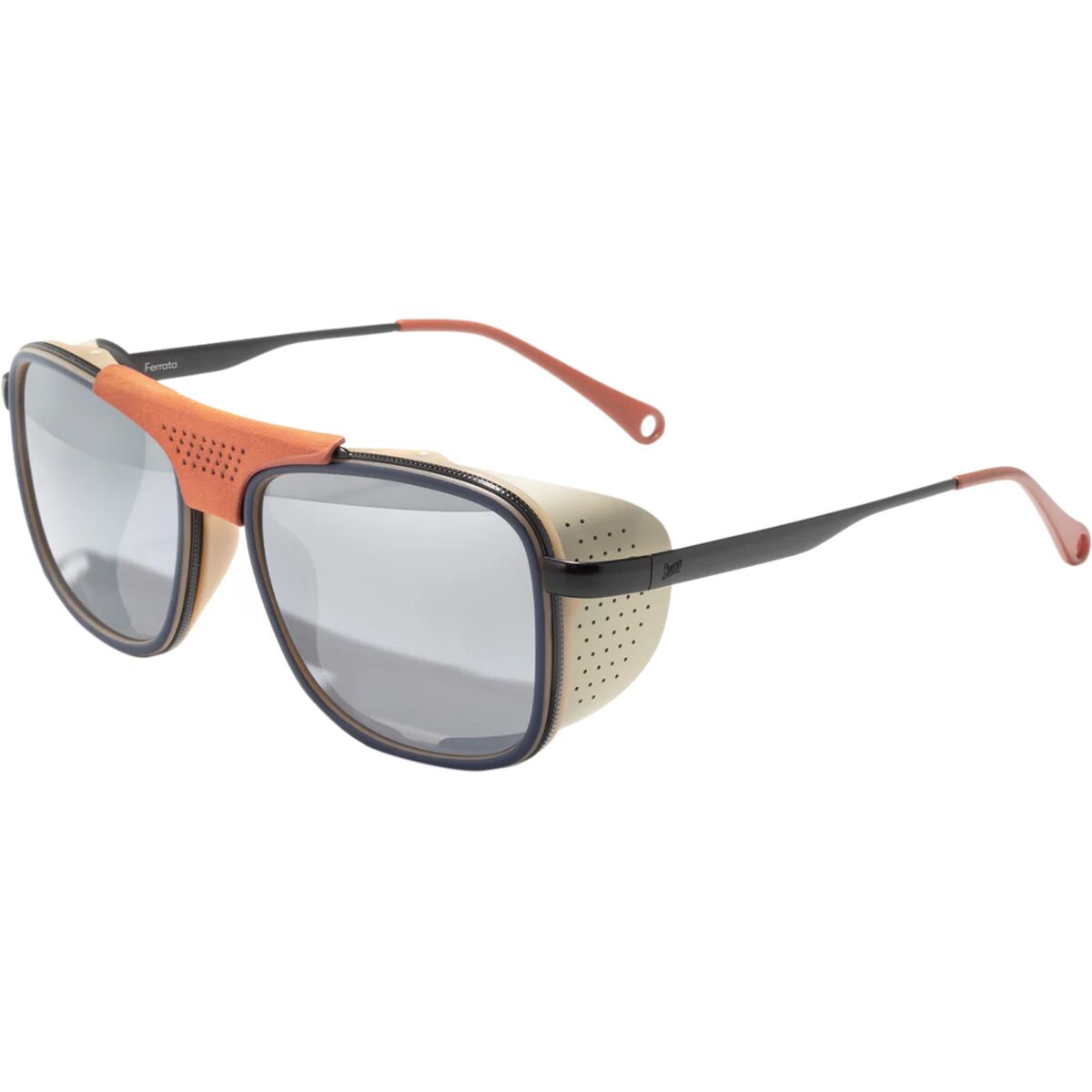
Ferrata Polarized Sunglasses
4 colors
Discount Applies In Cart | Ends 11/16
(73)

Sunski
Baia Polarized Sunglasses
5 colors
Discount Applies In Cart | Ends 11/16
(323)

Sunski
Astra Polarized Sunglasses
3 colors
Extra 20% Off Clearance | Ends 11/9
(104)

Sunski
Dipsea Polarized Sunglasses
5 colors
Discount Applies In Cart | Ends 11/16
(1278)

Sunski
Bernina Polarized Sunglasses
4 colors
Discount Applies In Cart | Ends 11/16
(221)

Sunski
Treeline Polarized Sunglasses
2 colors
Discount Applies In Cart | Ends 11/16
(568)

Sunski
Kiva Polarized Sunglasses
2 colors
Discount Applies In Cart | Ends 11/16
(76)

Sunski
Estero Polarized Sunglasses
3 colors
Discount Applies In Cart | Ends 11/16
(142)

Sunski
Shoreline Polarized Sunglasses
2 colors
Discount Applies In Cart | Ends 11/16
(53)

Sunski
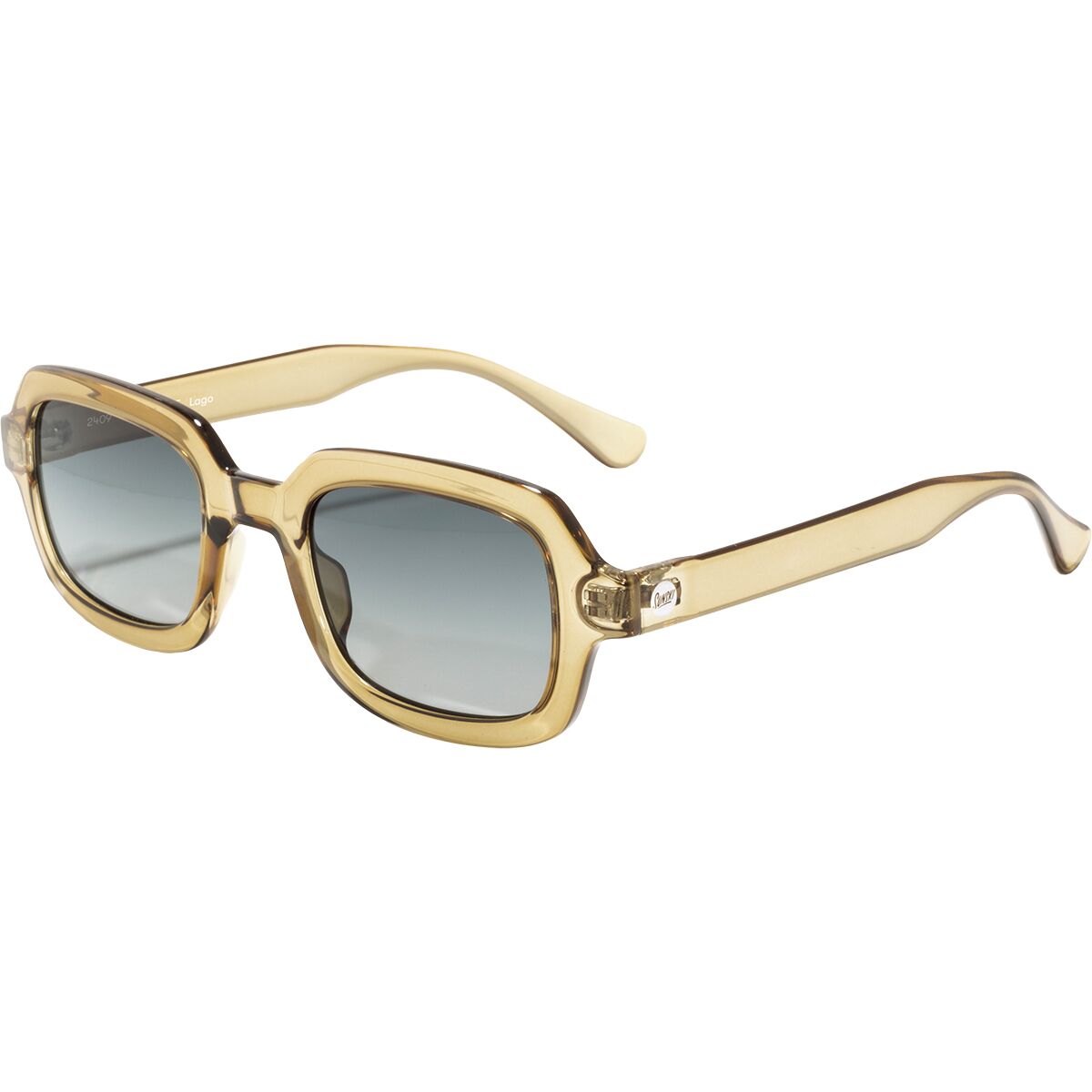
Lago Polarized Sunglasses
2 colors
Discount Applies In Cart | Ends 11/16
(17)

Sunski
Fiorella Polarized Sunglasses
2 colors
Extra 10% Off Clearance | Ends 11/09
(8)

Sunski
Miho Polarized Sunglasses
1 color
Discount Applies In Cart | Ends 11/16
(111)


Sunski
Bianca Polarized Sunglasses
2 colors
Discount Applies In Cart | Ends 11/16
(13)

Sunski
Avila Sunglasses
1 color
Discount Applies In Cart | Ends 11/16
(440)

Sunski
Yuba Polarized Sunglasses
3 colors
Discount Applies In Cart | Ends 11/16
(732)

Sunski
Catalina Polarized Sunglasses
3 colors
Discount Applies In Cart | Ends 11/16
(14)

Sunski
Avila Polarized Sunglasses - Women's
1 color
Winter Sale
(440)
Related Categories

Frequently Asked Questions
What are the differences between Sunski’s TAC, CR-39, and polycarbonate lenses, and which should I choose?
TAC lenses in Sunski frames are plant‑based cellulose laminates that are ultralight and offer good scratch resistance and polarization performance, CR‑39 provides excellent optical clarity and a classic sunglass feel, and polycarbonate is the most impact‑resistant option for active use. Choose TAC or CR‑39 for everyday clarity and lightweight comfort, and pick polycarbonate if you need maximum shatter resistance for high‑impact sports.Which Sunski models are best for skiing, mountaineering, hiking, or water sports?
For backcountry and downhill skiing or mountaineering, the Tera’s classic round shape and base‑4 curve lenses provide wide coverage and comfortable all‑day wear, while the Ferrata—available with removable side sun shields—is ideal for alpine climbing or bright, windy conditions. For water sports and activities with higher impact risk, select Sunski frames offered with polycarbonate lenses and more secure temple fit.How does the Tera compare to the Ferrata?
The Tera is a timeless round silhouette optimized for broad coverage and everyday alpine use, whereas the Ferrata adds removable magnetic side sun shields for peripheral light control and extra protection in high‑glare or wind‑blown environments. Both share Sunski’s lightweight recycled‑resin frames, polarized lenses (base‑4 curve), and durable stainless‑steel hardware, but choose Ferrata if you want shields for intense sun or photophobia.How do I pick the right lens tint and VLT for bright snow versus low‑light conditions?
Lower VLT tints (darker lenses) are best for very bright, reflective environments like sunlit snow or midday glare—examples include mirrored options such as Indigo (around 12% VLT) or Silver CAT 4 grey (around 6.26% VLT). For overcast days, late‑season snow, or tree‑covered trails choose higher VLT tints to preserve contrast and visibility; always match tint density to expected light levels and personal comfort.