


Up To 20% Off Full-Price Items
Shop now
EXTRA 20% Off Clearance
Shop now | Ends 11/9
Get An EXTRA $50 Cash Back*
Summit+ exclusive
STIO Women's Beanies
2 results

STIO
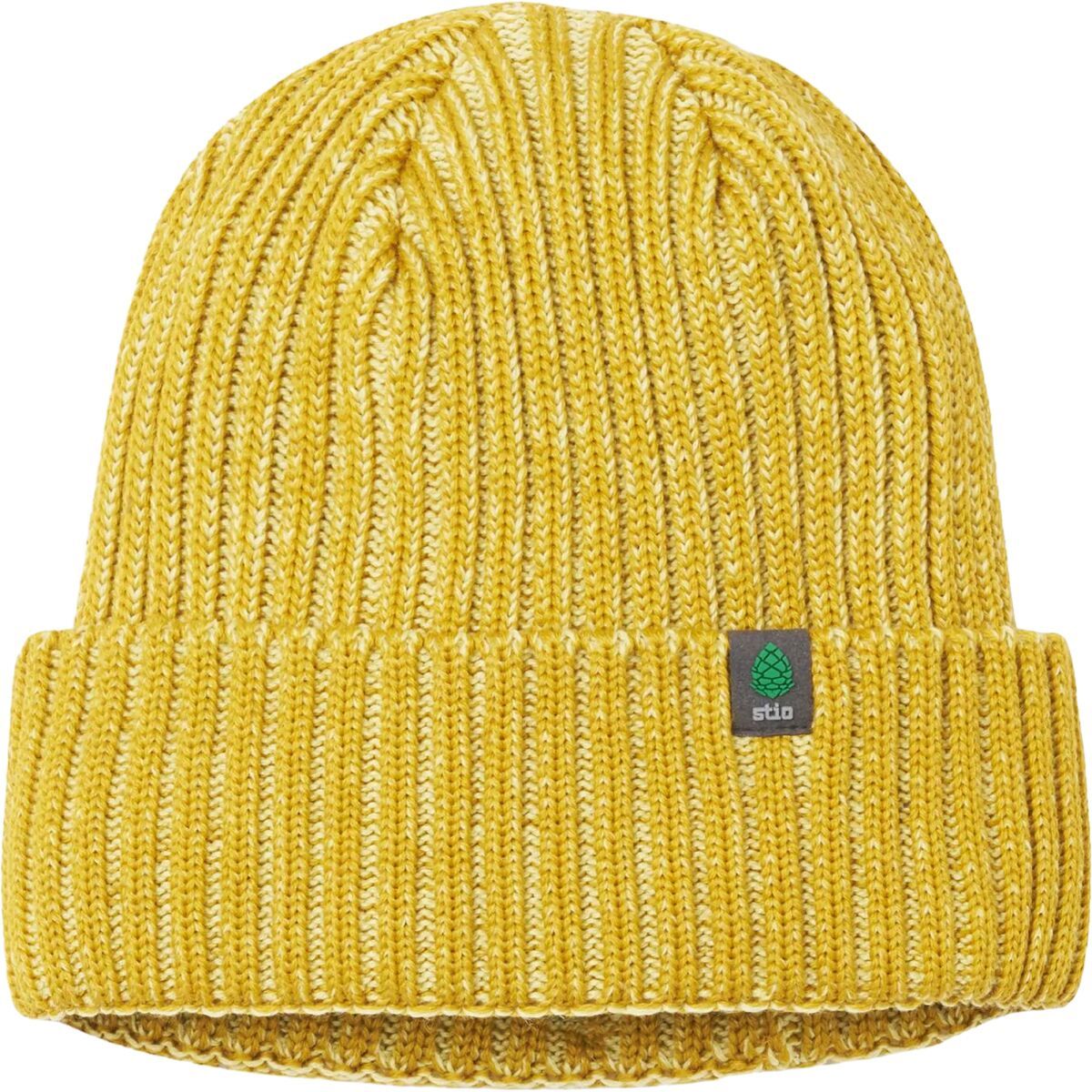
Luca Beanie
3 colors
$39.00

STIO
Turpin Fleece Cuff Beanie
1 color
$39.00
(2)
Related Categories
Frequently Asked Questions
What materials and construction should I prioritize when choosing a Stio women's beanie for cold alpine days?
Look for merino-wool blends for temperature regulation, odor resistance, and breathable warmth, and choose microfleece-lined or double-layer constructions for added insulation on cold days. Examples: the Koa Beanie uses a merino blend and the Turpin Peaks Beanie features ultrasoft double-layer microfleece for heavy snow days, while rib-knit styles like the Sage add classic warmth with a bit more bulk.How does the merino-blend Koa Beanie compare to the Rawlins Fleece Beanie for winter use?
The Koa Beanie (merino blend, North America-made) excels at breathability, odor resistance, and multi-day comfort in aerobic winter activities, while the Rawlins Fleece Beanie is a simple, fully fleece design that provides straightforward insulation and faster drying in wet, low-temperature conditions. Choose Koa for versatile, all-day temperature regulation and Rawlins when you want plush, quick-warming fleece for short excursions or damp weather.Are Stio women's beanies one-size-fits-most, and will they work with helmets or layered hoods?
Most Stio beanies are made with high-stretch knits or soft fleeces and are described as one-size-fits-most—styles like the Percy and Waffle Tate sit low and stretch thin enough to fit comfortably under helmets or hoods. Bulky pom or thicker rib-knit styles such as the Sage may interfere with a snug helmet fit, so opt for low-profile, stretchy pieces for helmet compatibility.Which Stio beanies are best for high-output activities like skinning or backcountry tours?
For high-output efforts pick lighter, breathable options with merino content or thin microfleece linings: the Koa Beanie’s merino blend and the Waffle Tate’s lightweight stretchy knit offer breathability and odor control during aerobic use. If you want a bit more warmth without overheating on the ascent, a microfleece-lined Kaly or a thin double-layer Turpin Peaks can provide balanced insulation on cold transitions.How does Stio address sustainability in its beanie materials and manufacturing?
Stio is phasing out PFAS and targeting 75% preferred materials (recycled, organic, or responsibly sourced fibers) by 2025, and several beanies use merino blends or recycled synthetics as part of that effort. Some models, like the Koa Beanie, are made in North America and the brand highlights material choices that reduce environmental impact across its knit and fleece styles.