


20% Off Full-Price Items
Shop now
Black Friday Sale: Up To 60% Off
Shop Now
STIO Climb
8 results


STIO
Hometown Down Hooded Jacket - Men's
3 colors
$379.00
(37)

STIO
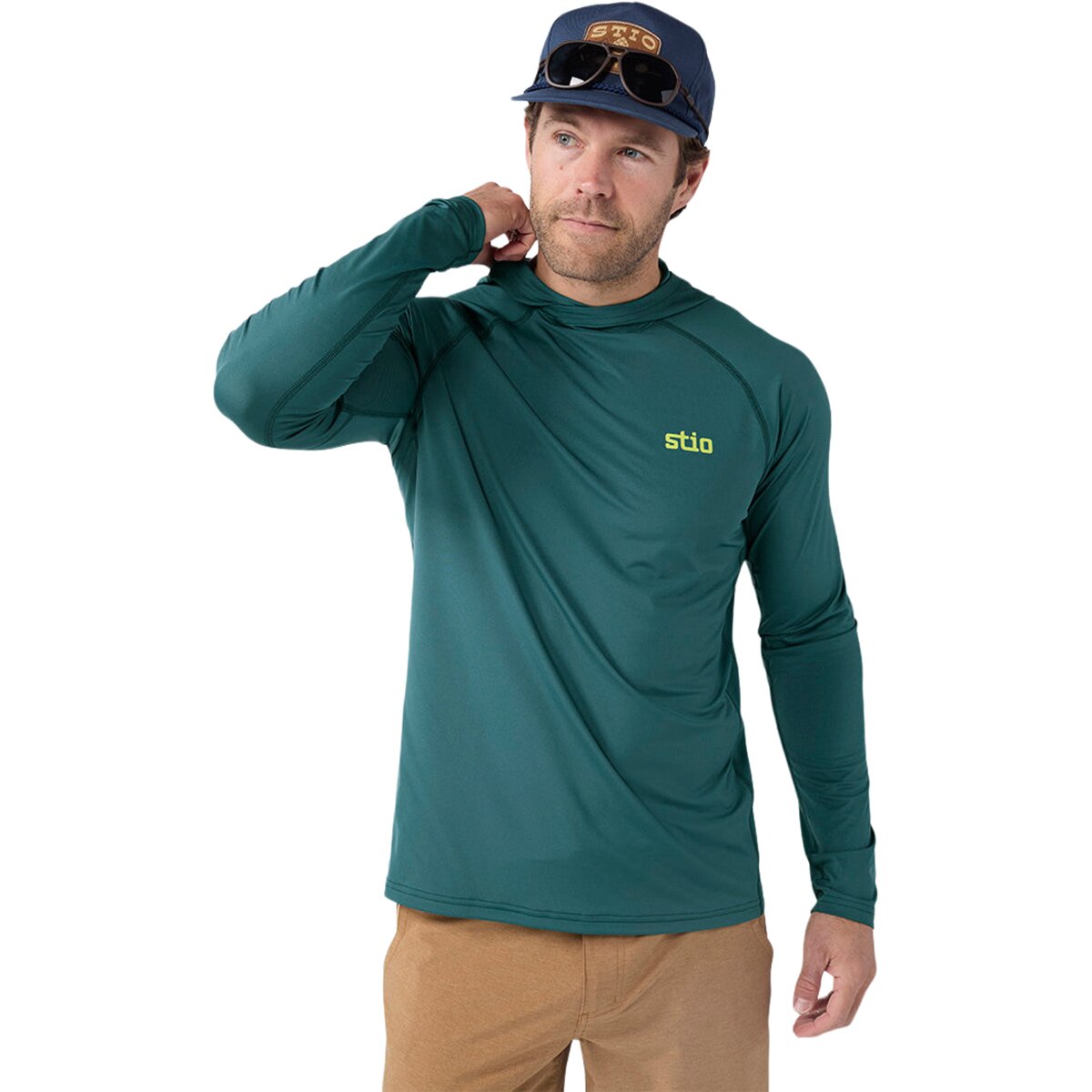
Hylas Hooded Pullover - Men's
3 colors
$99.00
(27)

STIO
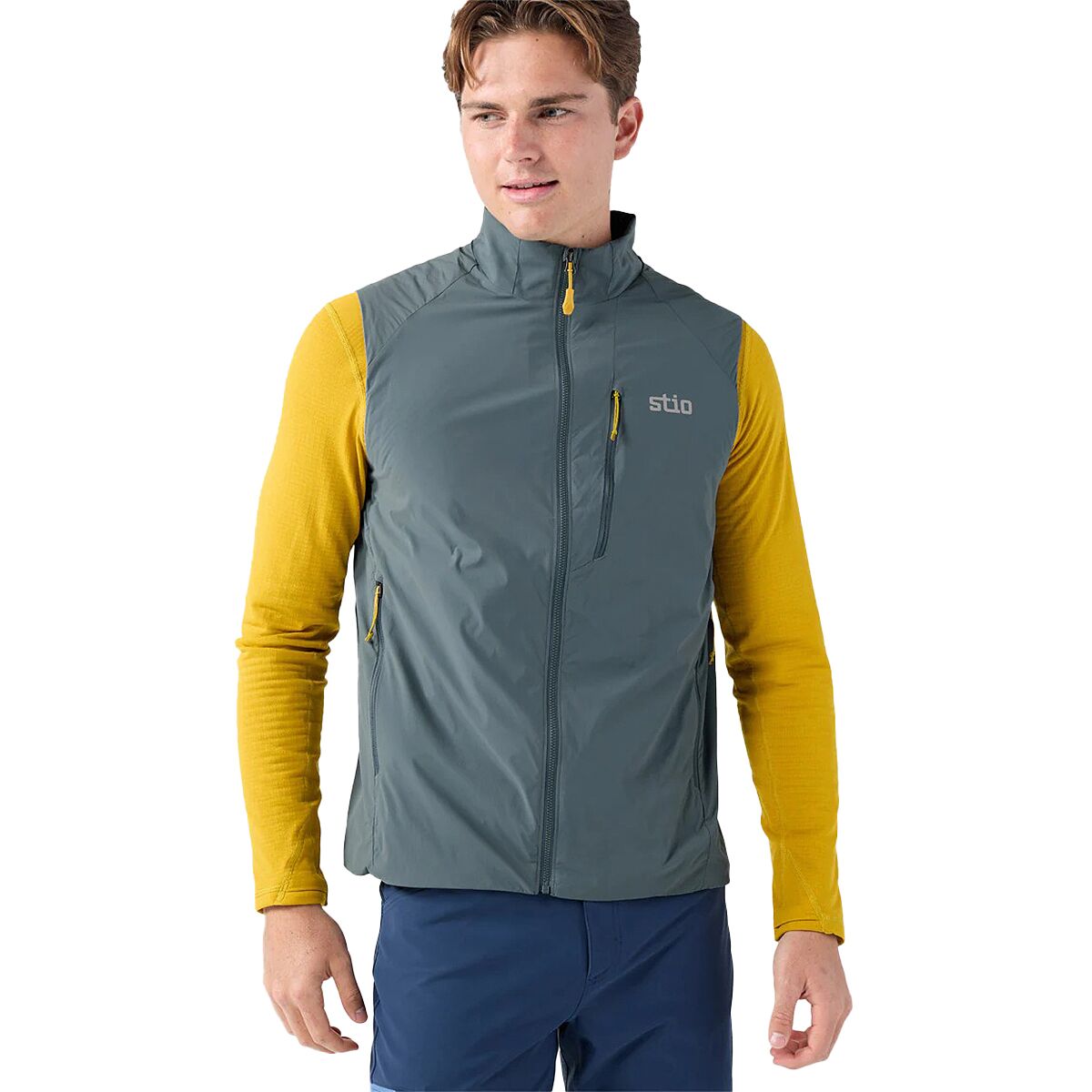
Dawner Vest - Men's
3 colors
$199.00
(20)

STIO
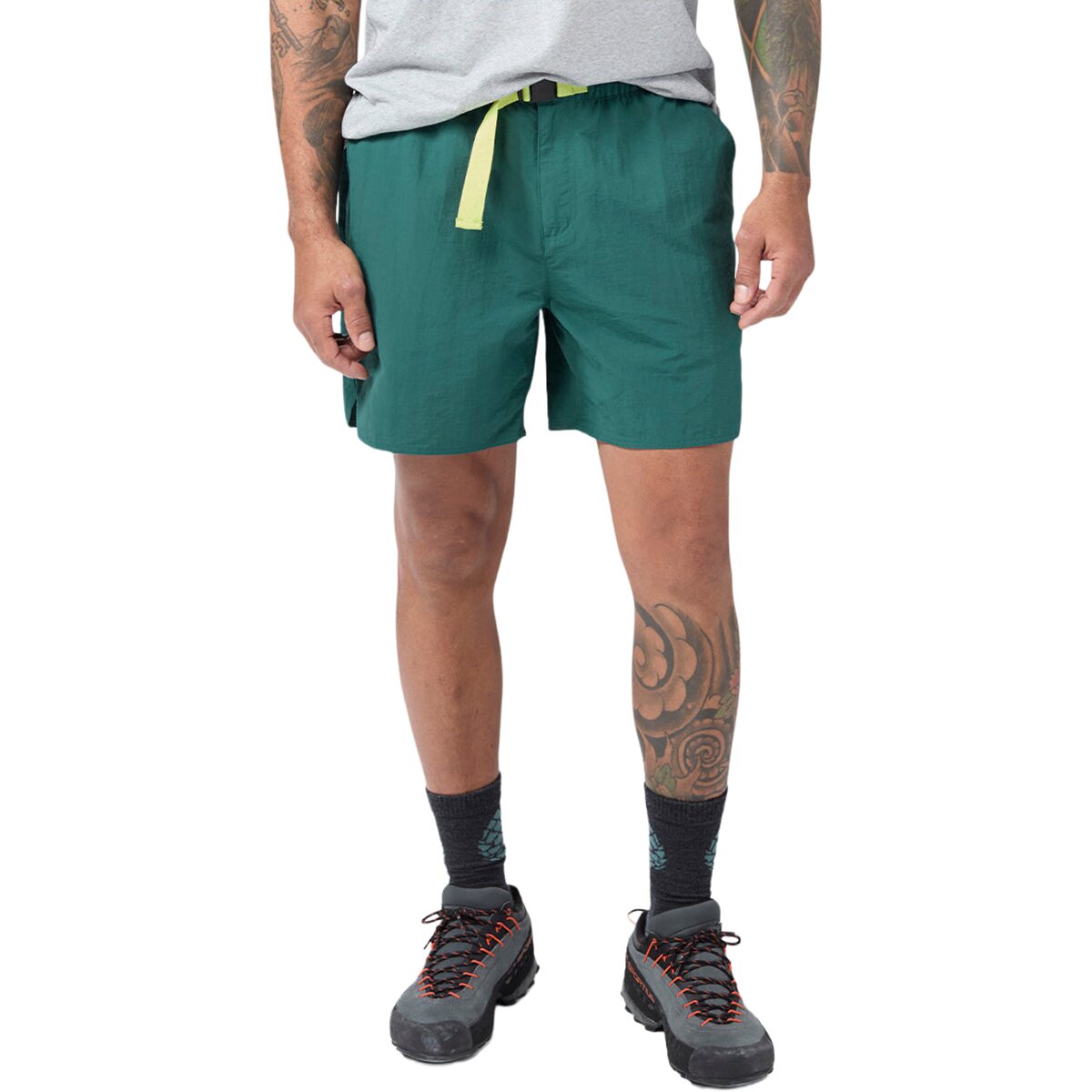
Goodwin 6in Short - Men's
3 colors
$79.00
(3)

STIO
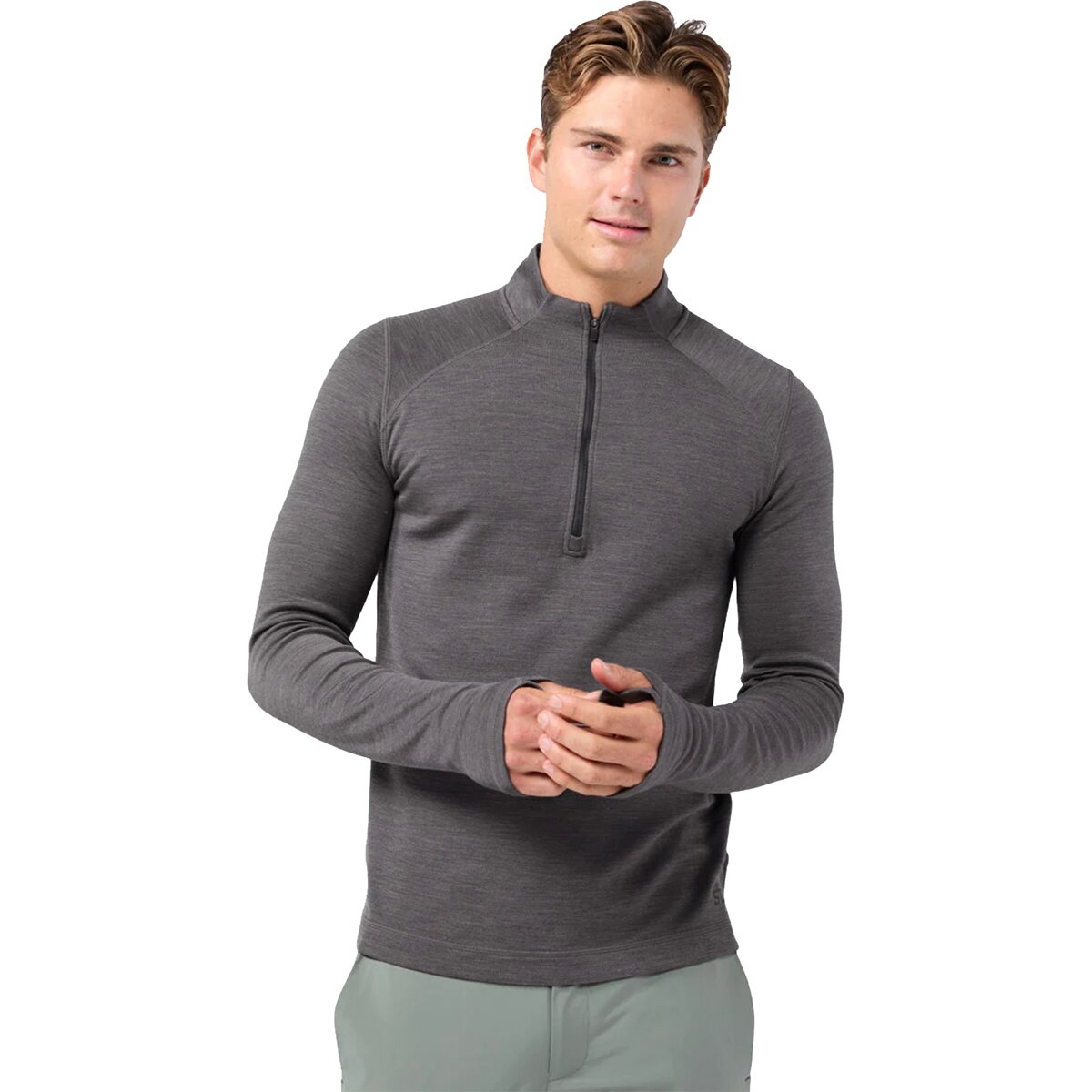
Basis PeakWool Mid 1/2-Zip Top - Men's
2 colors
$159.00
Buy 3+, Save 20%
(7)

STIO
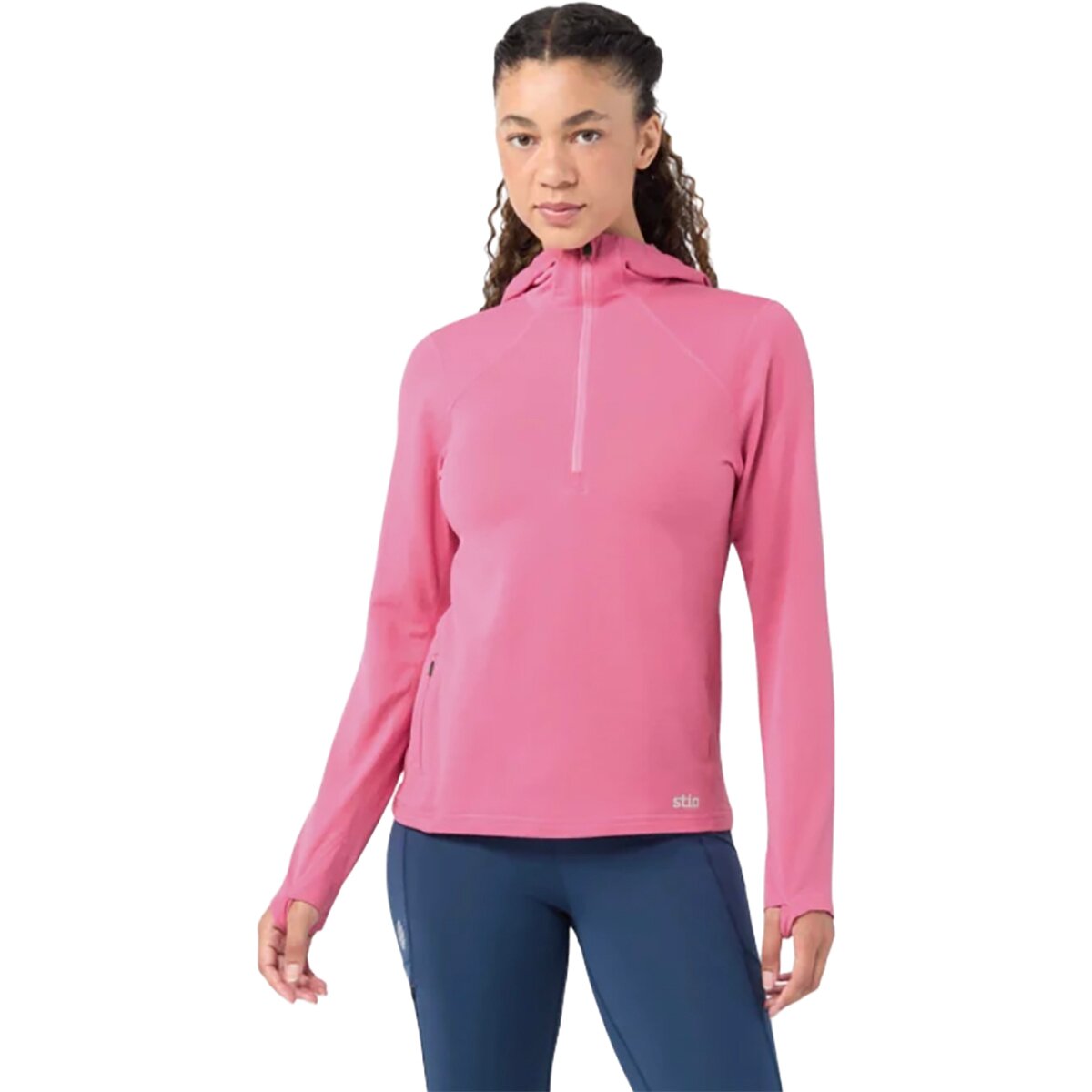
Trax Power Grid 1/2-Zip Hoodie - Women's
2 colors
$90.30 - $129.00
Up to 30% off
Black Friday Sale | Limited Time Only
(30)

STIO
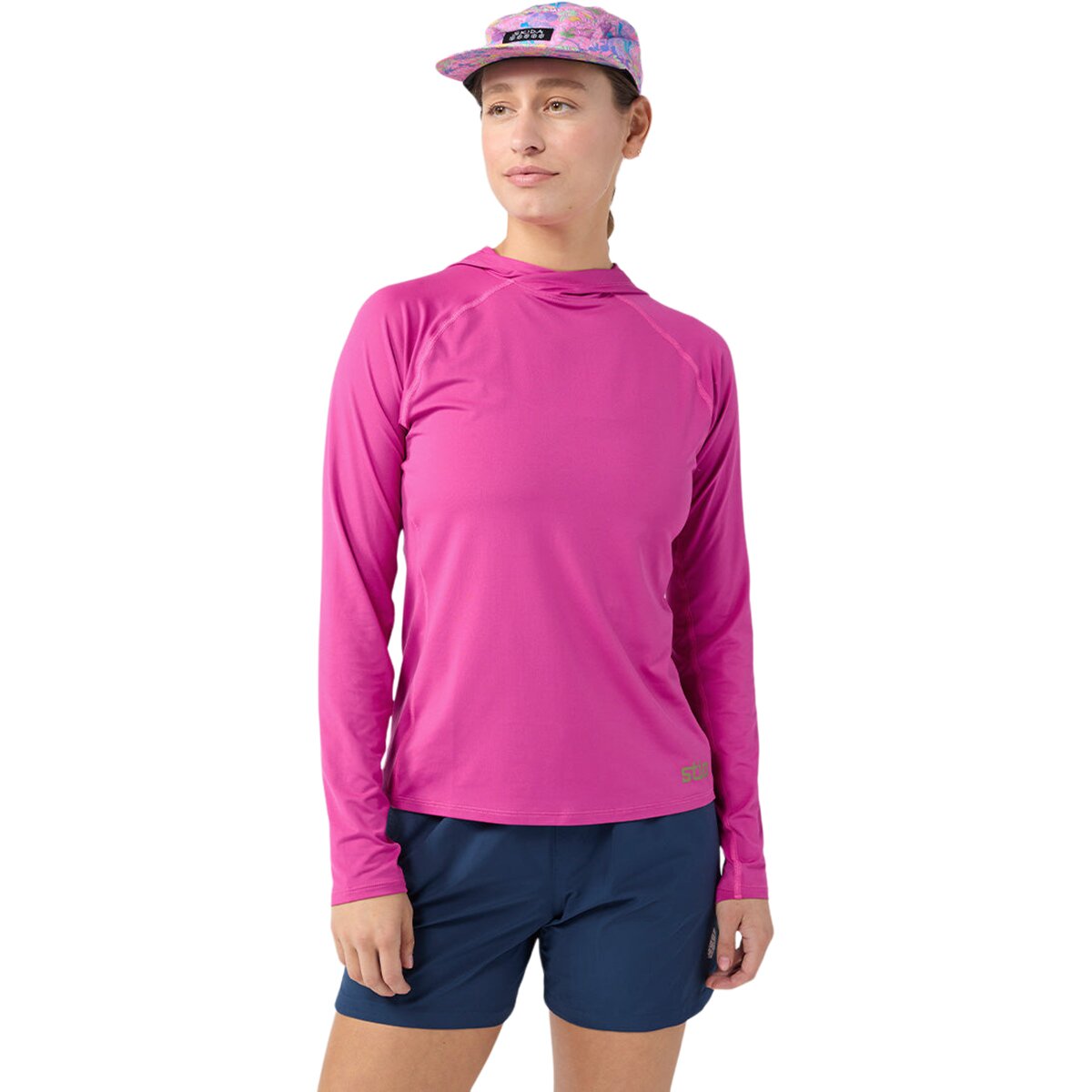
Hylas Hooded Pullover - Women's
2 colors
$99.00
(42)

STIO
CFS Board Pant - Women's
3 colors
$99.00
(60)
Related Categories

Frequently Asked Questions
How should I size Stio climbing pants to ensure harness compatibility and a full range of motion?
Choose a size that leaves enough room at the hips and crotch for your harness without being baggy—Stio designs climbing pants with articulated knees and stretch blends (for example, 63% nylon / 26% polyester / 11% spandex in some softshells) to preserve mobility. Try them on with your harness and the layers you plan to wear; look for adjustable waists, gussets, and tapered cuffs to prevent excess fabric under a harness or around belay devices.How do Stio materials and construction hold up to rock abrasion and alpine objectives?
Stio uses high-stretch synthetic blends and targeted reinforcements—durable face fabrics and reinforced seams in high-wear zones—to resist abrasion from rock and hardware while maintaining mobility. Select technical pieces also use GORE-TEX 3L or bluesign®-approved materials for weather protection and responsible manufacturing, and many items include abrasion panels and bartacked seams where climbers need them most.Which Stio pieces are best for mixed alpine routes that include sustained approaches and sudden storms?
For mixed terrain, pair a lightweight, high-stretch softshell top and pant for long approaches and easy scrambling with a GORE-TEX 3L hardshell for storm protection when conditions turn. Layering with a merino or synthetic moisture-wicking base keeps temperature regulation during sustained effort, and choosing pieces with good ventilation and articulated movement preserves comfort on technical pitches.How do Stio climbing pants compare to Stio softshell hiking pants for technical climbing?
Stio climbing-specific pants prioritize reinforced stretch, gussets, and a cut that accommodates harnesses and wide stances for technical movement, whereas softshell hiking pants trade some reinforcement for lighter weight and increased weather resistance and breathability. If your routes involve frequent contact with rock and hardware, choose the reinforced climbing-oriented cut; for long approaches and mixed-use trekking, a softshell hiking pant may be more comfortable.What features should I prioritize when choosing a Stio top for long approaches and technical pitches?
Prioritize stretch and freedom of movement (articulated shoulders and two-way stretch fabrics), moisture management (merino or high-wicking synthetics), and a close-but-compatible hood if you need a storm layer—these features balance effort on approaches with protection on the climb. Also look for lightweight, durable face fabrics and ventilation options so you can regulate heat during sustained, cardiovascular ascents.