


Up To 70% Off Black Friday Sale
More brands added | Shop now
20% Off Full-Price Items
Shop now
Camp & Travel Up To 70% Off
Daily deal! Shop now
SRAM Bike
434 results
HSA/FSA Eligible

SRAM
PC 971 Chain - 9-Speed
1 color
(1)
HSA/FSA Eligible

SRAM
Red Road Chainring
2 colors
Black Friday Sale | Limited Time Only
HSA/FSA Eligible

SRAM
XX1 2.1 Rear Derailleur
1 color
HSA/FSA Eligible

SRAM
PowerLock Chain Connector
1 color
Black Friday Sale | Limited Time Only
HSA/FSA Eligible

SRAM
PowerLink Chain Connector
1 color
Black Friday Sale | Limited Time Only
HSA/FSA Eligible
SRAM
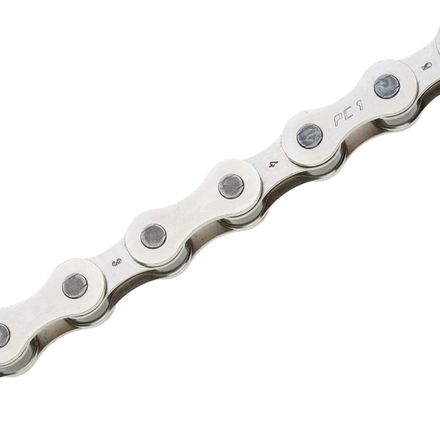
PC 1 Chain - Single Speed
1 color
(1)
HSA/FSA Eligible

SRAM
Powerglide Road Chainring - 10-Speed
1 color
Black Friday Sale | Limited Time Only
(1)
HSA/FSA Eligible

SRAM
Force 1 Hydraulic Disc Brake
1 color
Extra 10% Off | Ends 11/30
HSA/FSA Eligible

SRAM
Rival 22 GXP Crankset
1 color
HSA/FSA Eligible

SRAM
Rival 22 Front Derailleur
1 color
HSA/FSA Eligible

SRAM
Rival 22 11-speed Rear Derailleur
1 color
HSA/FSA Eligible

SRAM
Force 1 X-Sync 11-speed Chainring - 2024
1 color
Black Friday Sale | Limited Time Only
(1)
HSA/FSA Eligible

SRAM
X01 DH XG-795 7 Speed Cassette
1 color
HSA/FSA Eligible

SRAM
Powerlock Link for 11-Speed Chain
1 color
Black Friday Sale | Limited Time Only
(2)
Related Categories
Frequently Asked Questions
Which SRAM groupset should I choose for road, gravel, or mountain riding?
Choose by matching terrain and desired gearing: road riders chasing speed typically go for RED, Force, or Rival (with RED/Force offering higher-end, lighter components), while gravel riders often favor gravel-tuned Apex or 1x gravel options for rugged terrain and simplified shifting. Mountain riders should look at SRAM’s 1x12-speed Eagle family—XX, XX SL, X0, GX or S1000—where cassette ranges (commonly 11-50t up to 10-52t) and durable construction matter most. Match the groupset tier to your skill level and how much weight savings, electronic features, or durability you need.How does SRAM RED compare to Force and Rival?
RED is SRAM’s top-tier road groupset, using carbon fiber levers, crank arms, derailleur cages, machined one-piece chainrings and ceramic bearings for the lightest possible build. Force shares many performance features like carbon levers and machined chainrings but is slightly heavier and positioned for serious enthusiasts, while Rival uses more aluminum to save cost and weight. RED is roughly 350 grams lighter than Force and about 500 grams lighter than Rival, making RED the choice for racers prioritizing every gram.Do SRAM Transmission derailleurs require UDH-compatible frames?
Yes, SRAM’s Transmission system uses a Full Mount rear derailleur that mounts directly to the frame and expects a UDH (Universal Derailleur Hanger) or UDH-compatible interface for proper fit and stiffness. If your frame isn’t UDH-compatible you’ll need a drivetrain setup that uses a traditional derailleur hanger or a compatible adapter solution. Always check your frame manufacturer’s spec sheet before selecting a Transmission-equipped groupset.What are the main benefits of SRAM AXS electronic shifting and who should consider it?
AXS wireless electronic shifting lets you customize shift patterns, use sequential modes, and fine-tune shift behavior via the AXS app while removing mechanical cables from the cockpit for cleaner routing. It’s especially valuable for racers, tech-minded riders, or anyone wanting precise, repeatable shifts and easy multi-component integration across derailleurs and dropper posts. Riders who prefer simpler maintenance and electronic customization will benefit most from AXS-equipped road or gravel setups.How do I choose between SRAM G2, Code, and Level brakes for my riding?
Select brakes based on needed stopping power and weight: G2 is a versatile trail brake available in 2–4 piston configurations and balances power with lighter weight for trail riders, Code (discontinued 2025) was built for high-power downhill and e‑MTB use with 4 pistons, and Level (discontinued 2025) targeted lightweight cross-country users. Match piston count, rotor size, and pad compounds to your terrain and braking demands—more aggressive riding and heavier bikes benefit from more pistons and larger rotors, while XC riders prioritize low weight and modulation.