


Up To 20% Off Full-Price Items
Shop now
EXTRA 20% Off Clearance
Shop now | Ends 11/9
Get An EXTRA $50 Cash Back*
Summit+ exclusive
Spy Ski
5 results

Spy
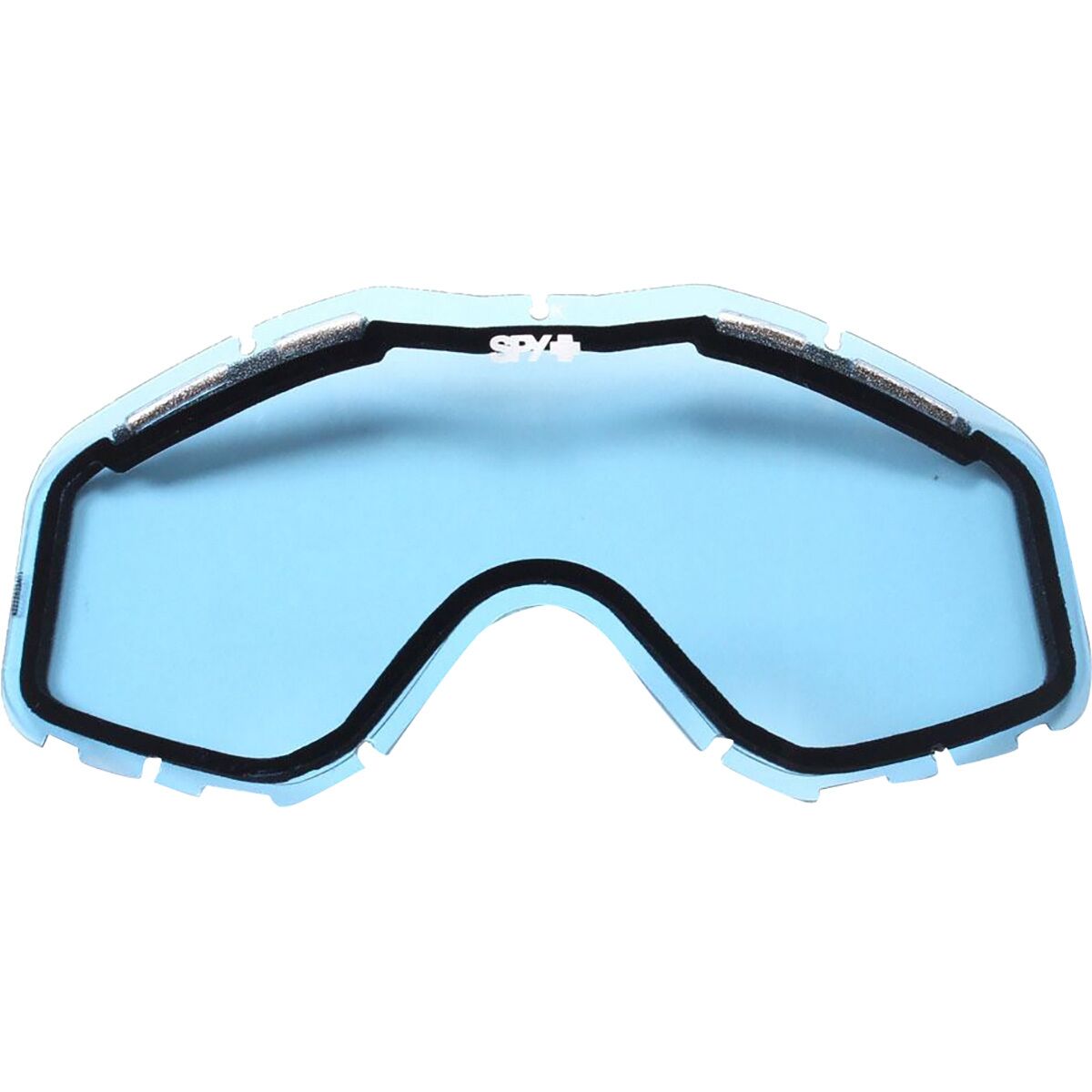
Zed/Targa 3 Replacement Lens
1 color
Current price: $2.10 Original price: $5.25
60% off
Winter Sale

Spy
Targa Mini Replacement Lens
3 colors
Current price: $4.55 Original price: $10.11
55% off
Extra 10% Off Clearance | Ends 11/09

Spy
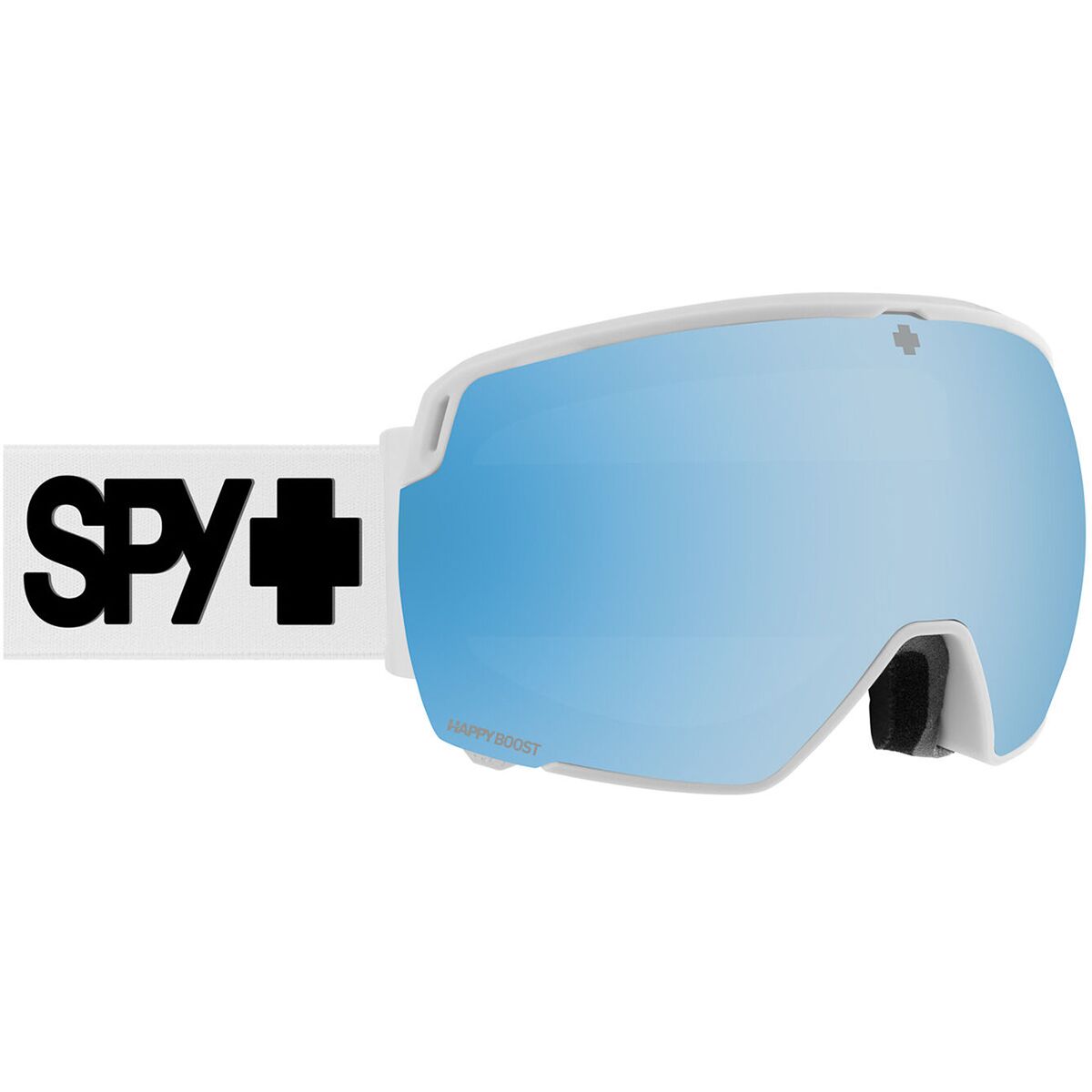
Marauder Elite Goggles
2 colors
Current price: $170.00 - $221.00 Original price: $340.00
Up to 50% off
Winter Sale

Spy
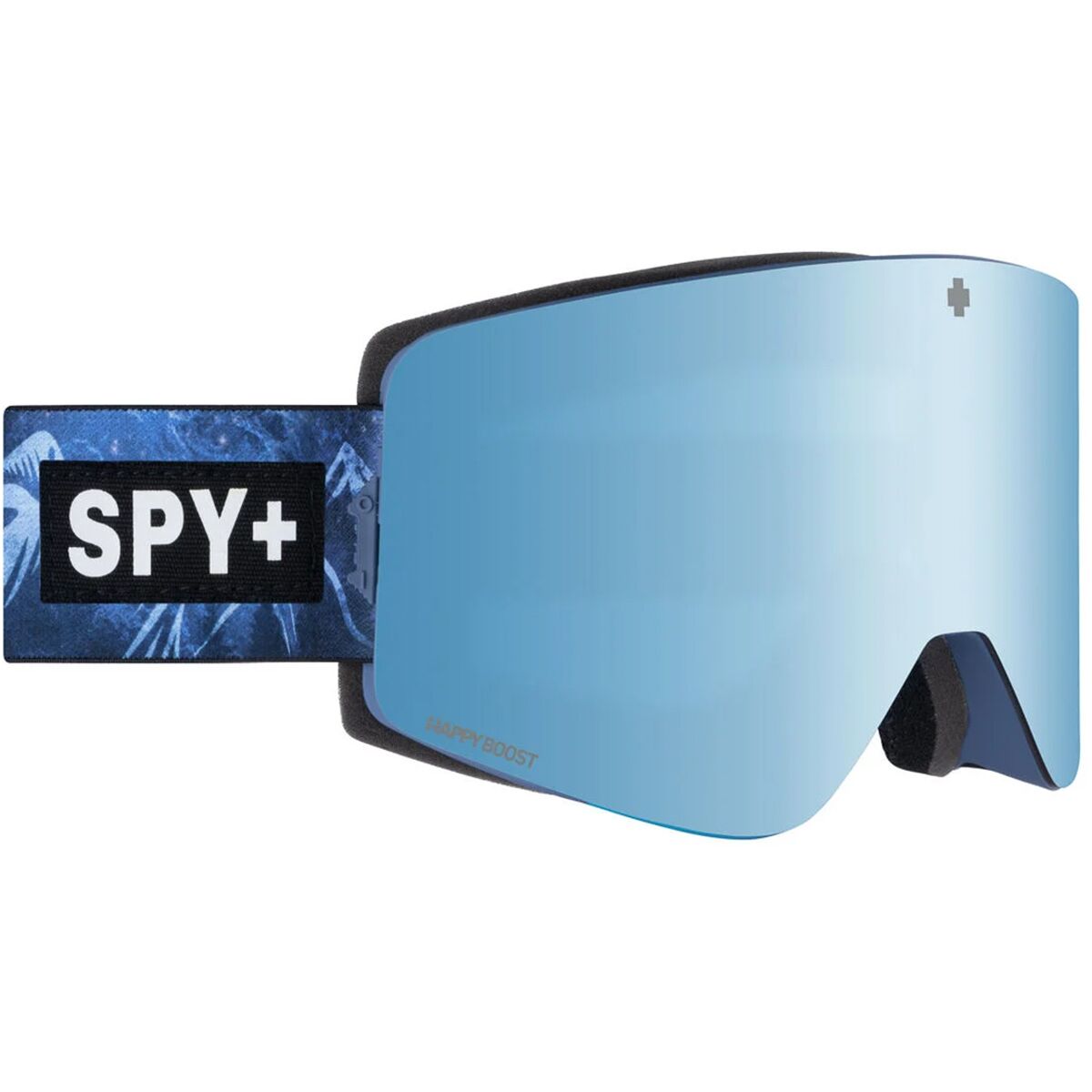
Marauder SE Goggles
1 color
$240.00
Discount Applies In Cart | Ends 11/16
(1)


Spy
Marauder Goggles
1 color
$280.00
Discount Applies In Cart | Ends 11/16
Related Categories

Frequently Asked Questions
How do SPY technologies like Scoop ventilation, anti-fog coatings, and Happy Lens Tech improve visibility on the mountain?
Scoop ventilation channels airflow through varied apertures to expel moisture and reduce fog buildup while anti-fog lens coatings add an extra layer of protection for all-day clarity. Happy™ Lens Tech boosts contrast and enhances terrain definition in variable light, and Trident Polarized options cut glare on bright days, so you get clearer, more readable snow detail across conditions.Which SPY goggle models fit best with helmets and broader faces?
Models like the SPY Ace are known for roomier fits and modern styling that accommodate broader faces, while Crusher Elite Jr. targets small faces and youth. Many SPY models use a flexible polyurethane Flex Frame, triple-layer Isotron foam with Dri-Force fleece, and silicone-backed straps for secure, helmet-compatible fit and comfortable seal.How do SPY lens-change systems like Deadbolt™, Lock Steady™ 2, and Quick Draw differ?
Deadbolt™ uses strong magnetic retention for fast, secure swaps, Lock Steady™ 2 relies on a mechanical button-release for positive engagement, and Quick Draw uses a sliding lever for quick single-handed swaps; each balances speed versus tactile security. Choose based on how often you plan to swap lenses on the hill — frequent changers often prefer magnetic systems for speed, while mechanical systems feel more locked in.How does the SPY Ace compare to the SPY Marauder for skiing and snowboarding?
The Ace leans toward a roomier, streetwear-inspired aesthetic with dual-lens kit options and a fit that suits broader faces, making it a good all-purpose choice for resort riders who value style and convenience. The Marauder emphasizes coverage and strong optics—often pairing spherical-style clarity with performance features—so riders wanting maximum field of view and terrain definition may prefer it. Both are helmet-compatible, use Scoop venting and anti-fog treatments, and should be picked by fit and lens-system preferences.Which lens tints and VLTs should I choose for different mountain conditions?
For flat or low light, high-VLT tints (like yellow at ~70.2% or clear at ~82.8% VLT) help bring out contrast and visibility, while Trident Polarized or lower-VLT tints are better for bright, sunny days to reduce glare. If you ride variable conditions, look for goggles with Happy™ Lens options and included spare/dual lenses so you can swap to a low- or high-VLT lens as the weather changes.