


Up To 20% Off Full-Price Items
Shop now
EXTRA 20% Off Clearance
Shop now | Ends 11/9
Get An EXTRA $50 Cash Back*
Summit+ exclusive
Sea To Summit Tents & Shelters
18 results

Sea To Summit
Ikos Evo Tent
1 color
Discount Applies In Cart | Ends 11/16
(4)

Sea To Summit
Escapist Evo Tarp
1 color
Discount Applies In Cart | Ends 11/16
(3)

Sea To Summit
Ultra-Fine Mesh Headnet
1 color
Discount Applies In Cart | Ends 11/16
(16)

Sea To Summit
Mosquito Head Net
2 colors
Discount Applies In Cart | Ends 11/16
(191)

Sea To Summit
Sentinel Tent: 1-Person
1 color
Discount Applies In Cart | Ends 11/16
(1)

Sea To Summit
Ground Control Tent Pegs - 8-Pack
1 color
Discount Applies In Cart | Ends 11/16
(19)

Sea To Summit
Sentinel Tent: 3-Person
1 color
Discount Applies In Cart | Ends 11/16
(1)


Sea To Summit
Sentinel Tent: 2-Person
1 color
Discount Applies In Cart | Ends 11/16
(1)

Sea To Summit
Sentinel Footprint: 3-Person
1 color
Discount Applies In Cart | Ends 11/16
New Arrival

Sea To Summit
Sentinel Footprint: 2-Person
1 color
Discount Applies In Cart | Ends 11/16

Sea To Summit
Sentinel Footprint: 1-Person
1 color
Discount Applies In Cart | Ends 11/16

Sea To Summit
Telos Evo Tent
1 color
Discount Applies In Cart | Ends 11/16
(4)

Sea To Summit
Telos TR3 Lightfoot Footprint
1 color
Discount Applies In Cart | Ends 11/16
(12)

Sea To Summit
Telos TR3 Bigfoot Footprint
1 color
Discount Applies In Cart | Ends 11/16
(10)

Sea To Summit
Telos TR2 Lightfoot Footprint
1 color
Discount Applies In Cart | Ends 11/16
(12)

Sea To Summit
Telos TR2 Big Footprint
1 color
Discount Applies In Cart | Ends 11/16
(10)

Sea To Summit
Telos Hangout Poleset
1 color
Discount Applies In Cart | Ends 11/16
(4)

Sea To Summit
Nano Mosquito Pyramid Net Shelter
1 color
Discount Applies In Cart | Ends 11/16
(6)
Related Categories
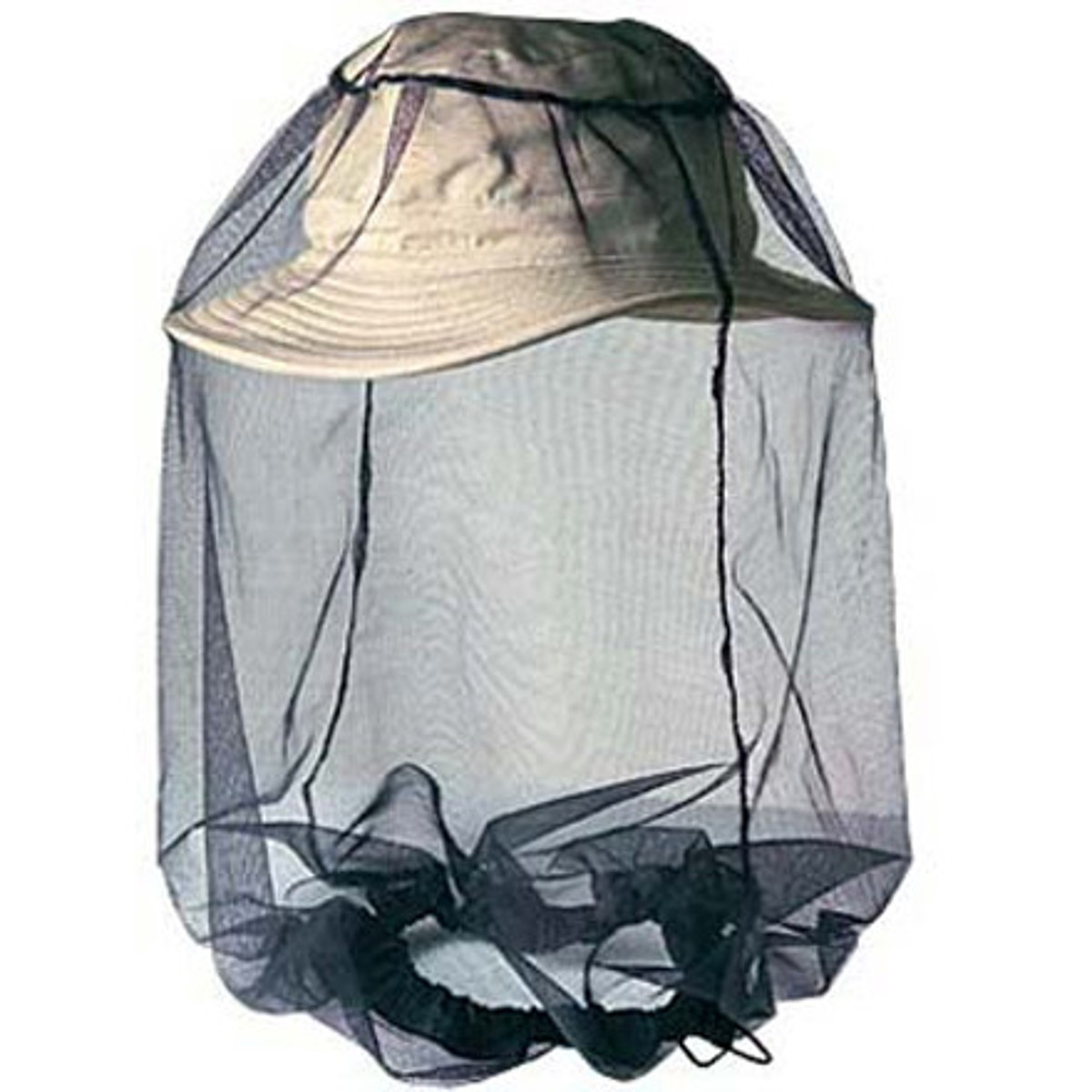 Sea to Summit Screen Rooms
 Sea to Summit Shelters Tarps
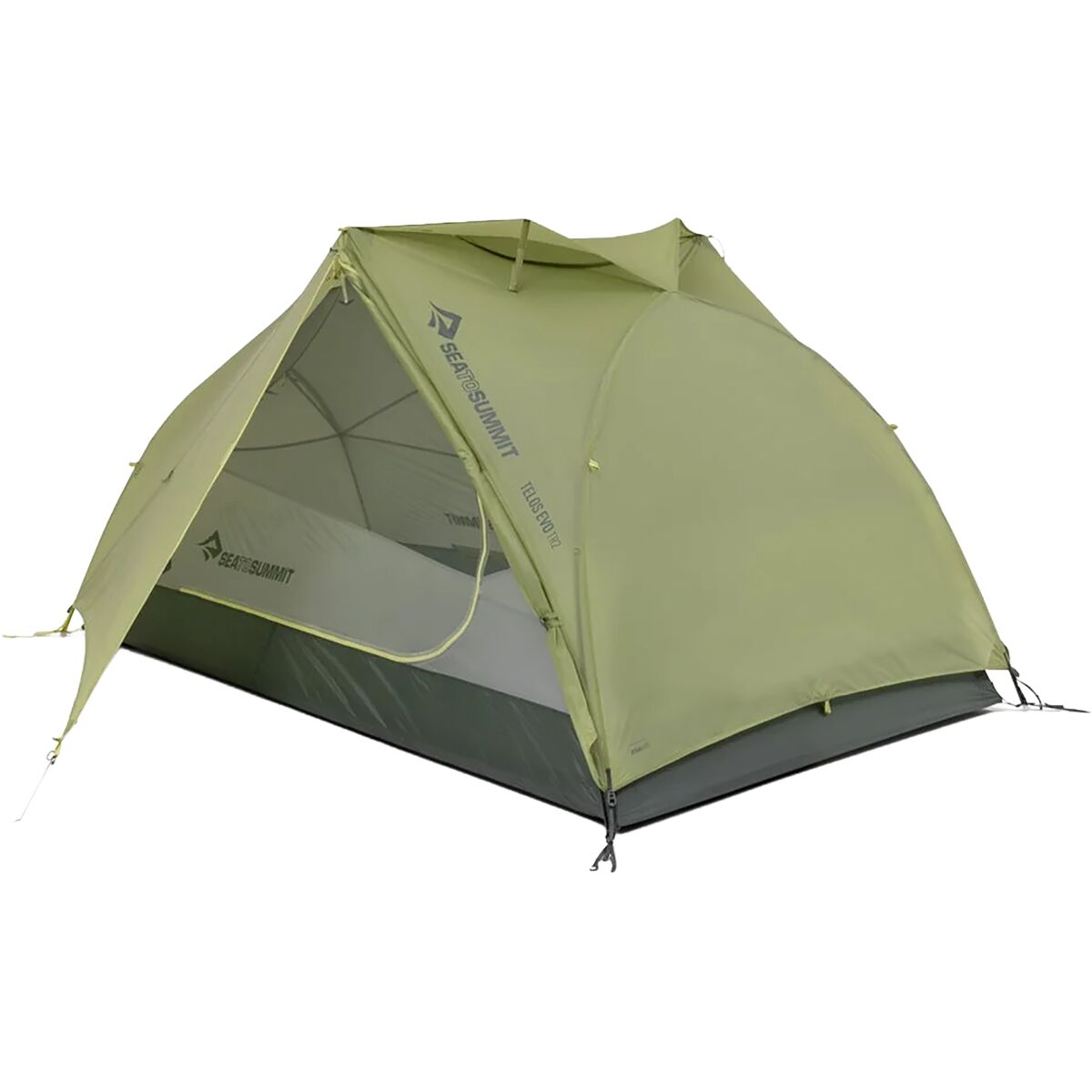 Sea to Summit 3-Season Backpacking Tents
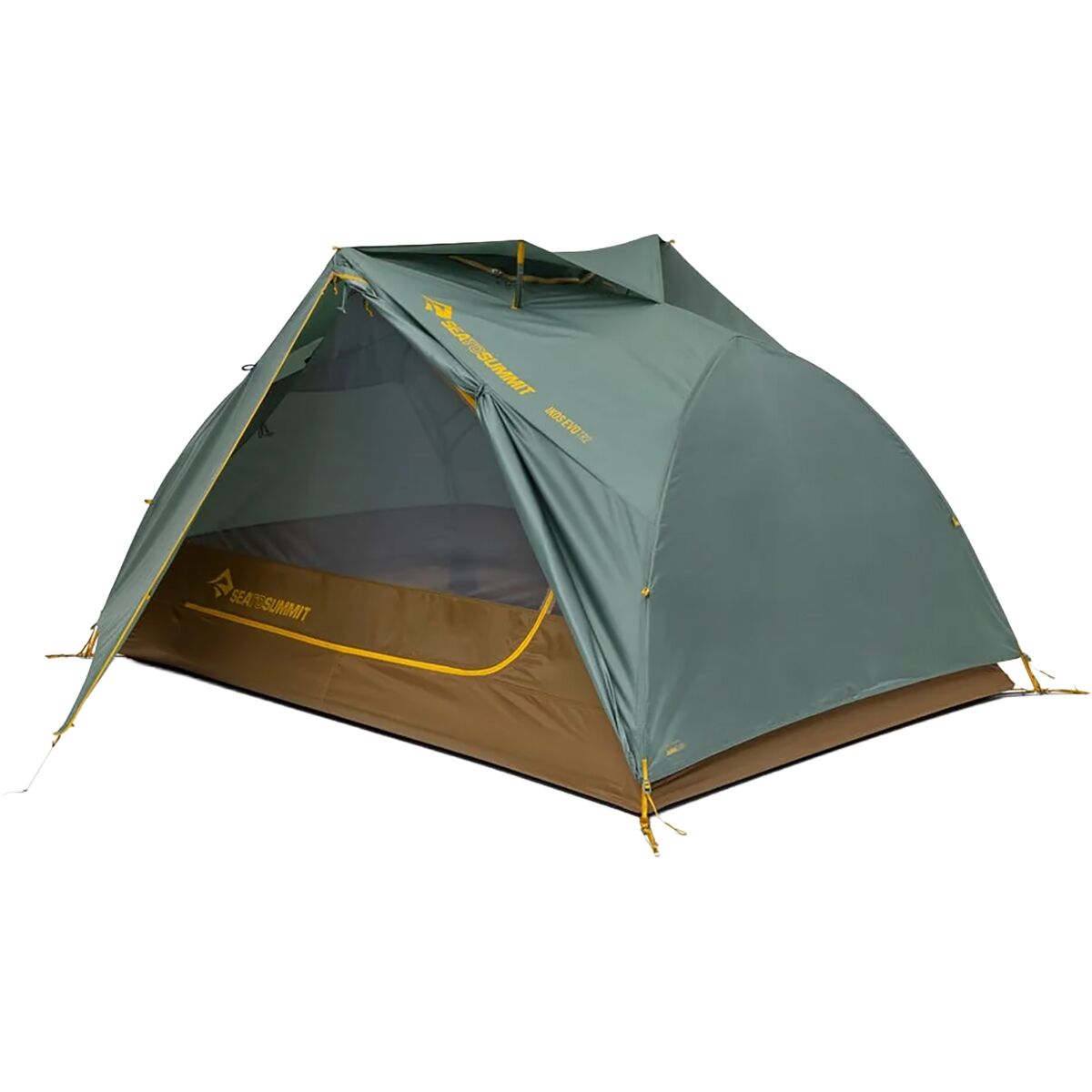 Sea to Summit 3-Season Tents
 Sea to Summit Tent Accessories Repair
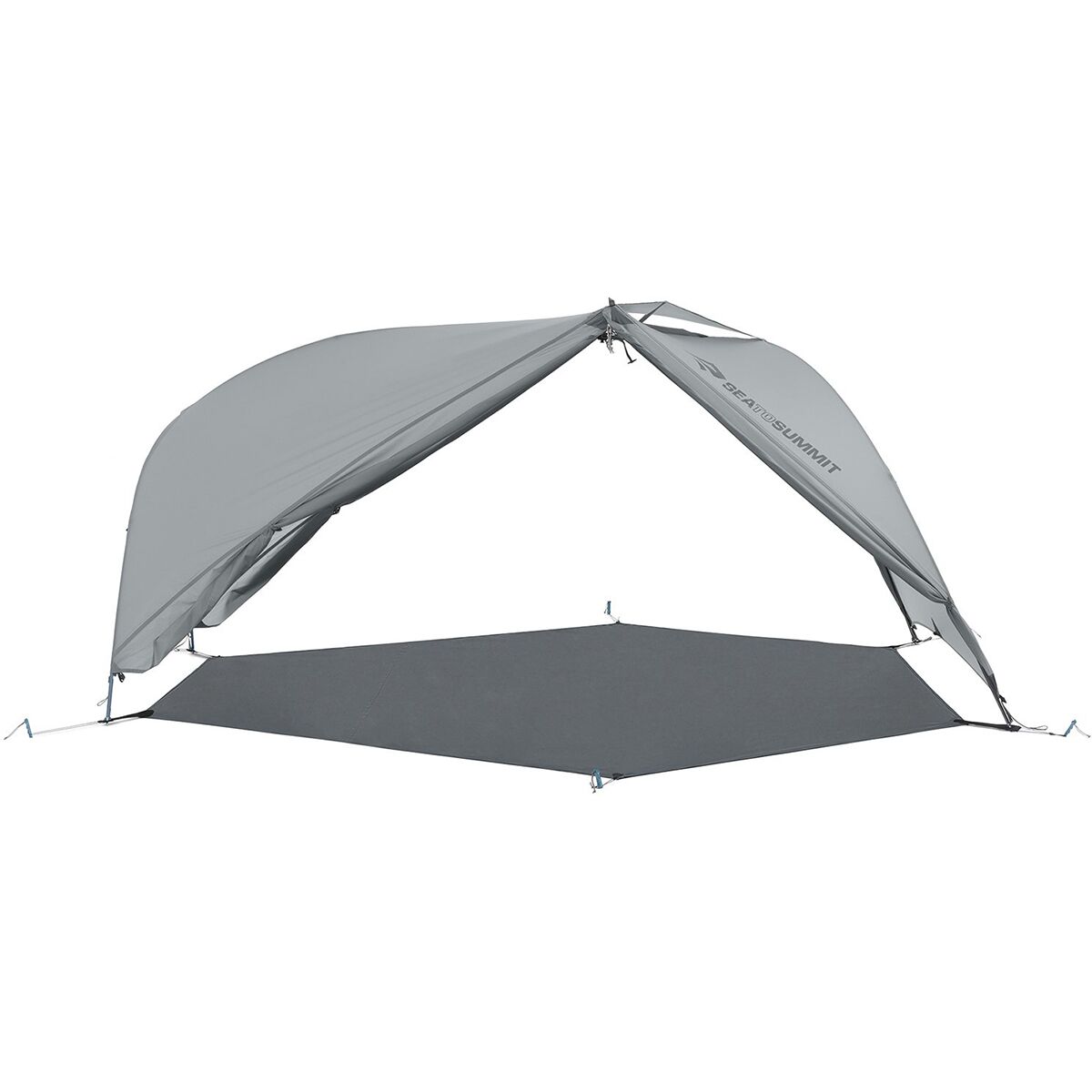 Sea to Summit Vestibules Footprints
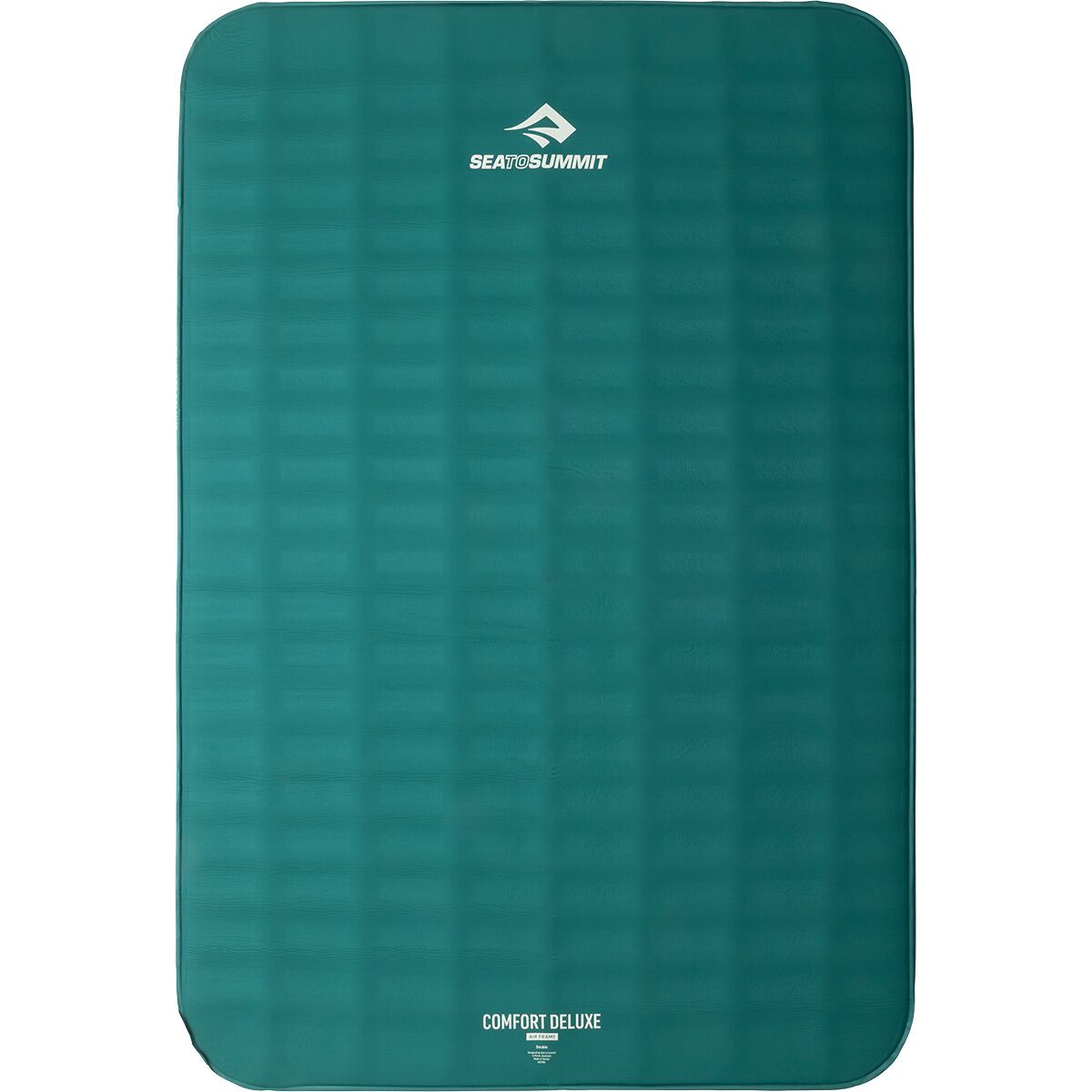 Sea to Summit Sleeping Pads
 Sea to Summit Sleeping Bags
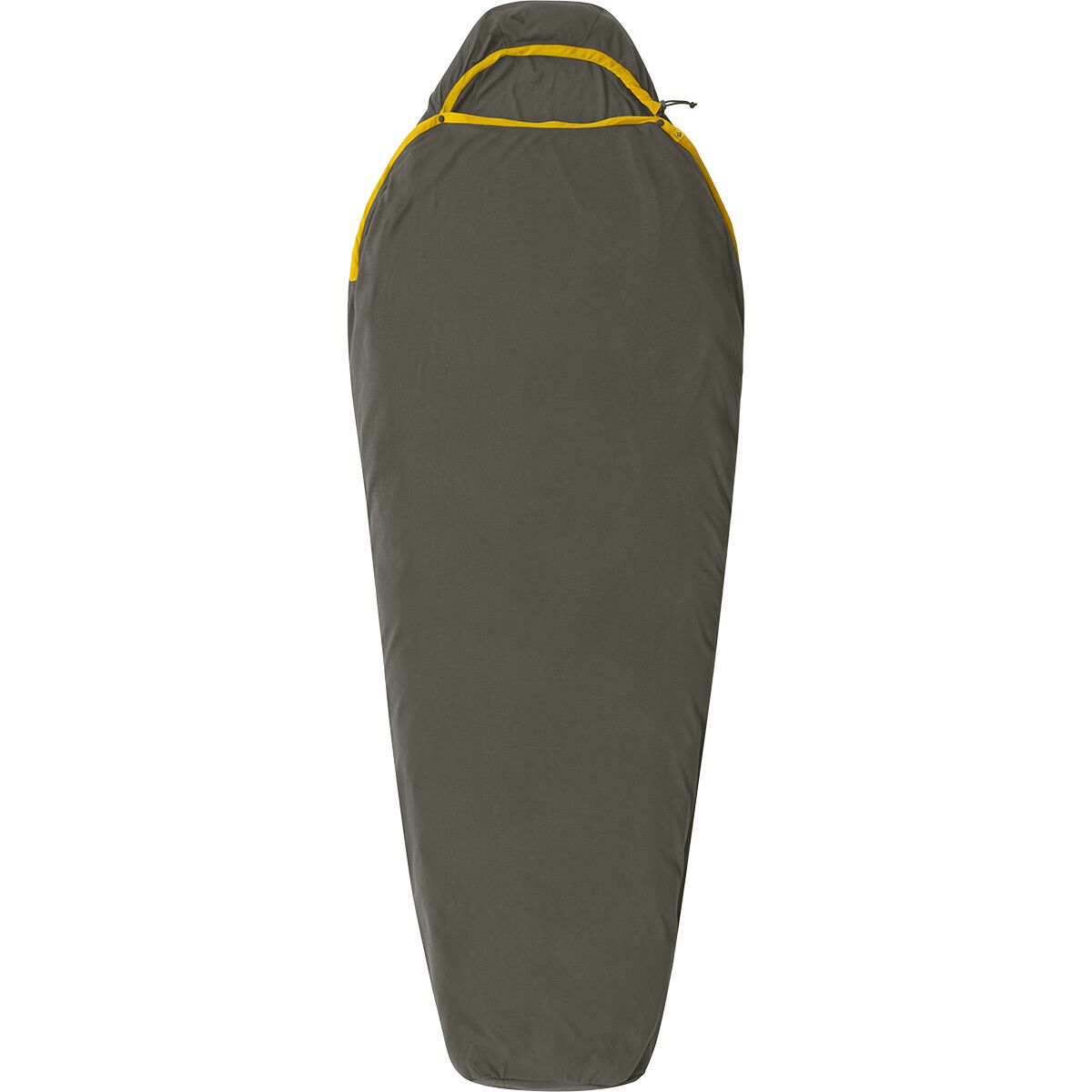 Sea to Summit Sleeping Bag Liners
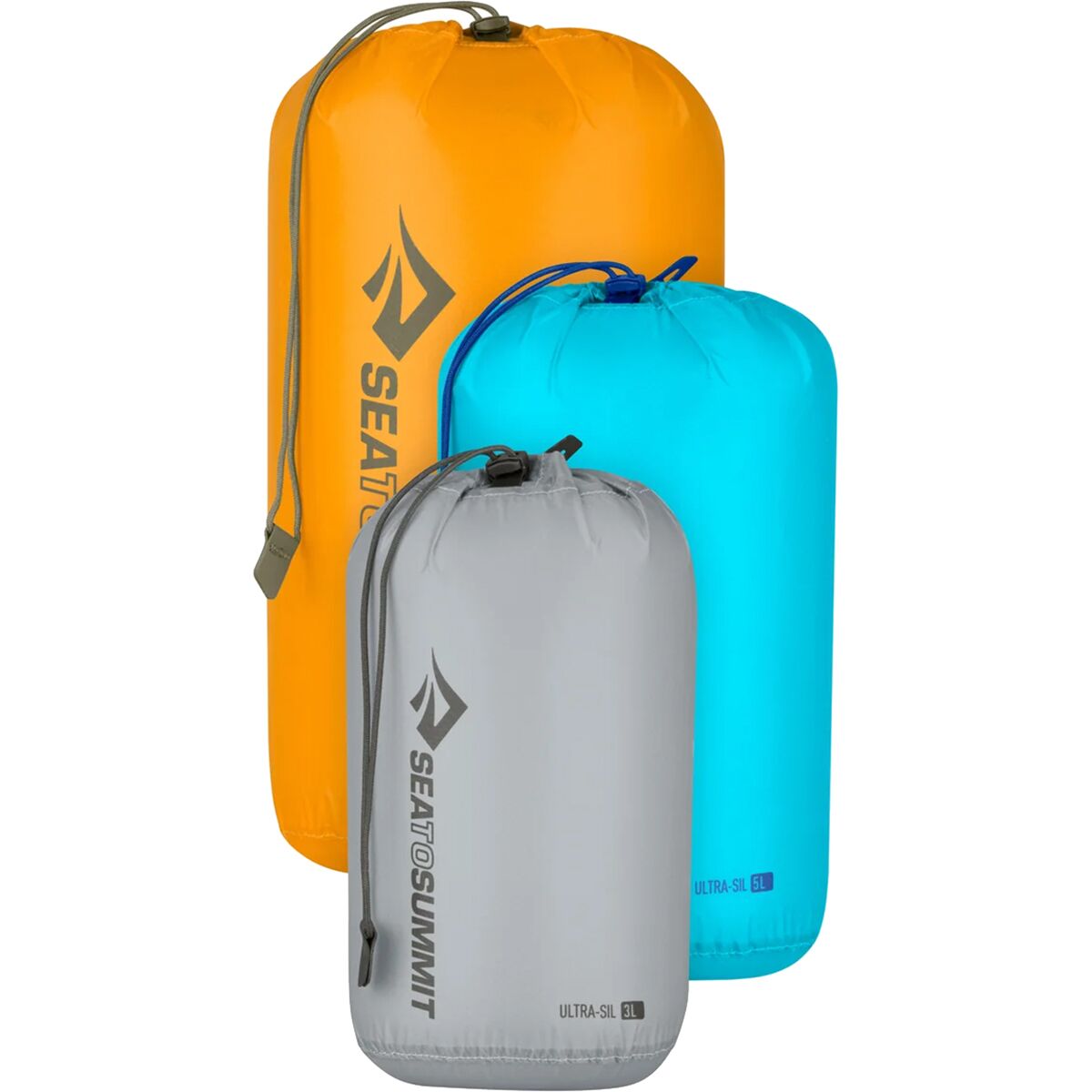 Sea to Summit Stuff Compression Sacks
Frequently Asked Questions
Which Sea to Summit tent is best if I want the absolute lightest option for multi-day ultralight backpacking?
The Telos TR line is the ultralight choice—Telos TR and Telos TR2 use lightweight 15–20D nylon fabrics, DAC Featherlite poles, and minimalist hardware to keep pack weights down (Telos TR2 is listed around 3 lb 11 oz / 1.78 kg). Packability is emphasized with a ~5 x 19 in packed size on TR models and the FairShare system lets you split components to distribute weight across group members. Choose the TR models when grams matter most and you accept tighter gear-storage tradeoffs.How does the Telos TR2 compare to the standard Telos TR and the Alto for two-person use?
The Telos TR2 prioritizes interior volume and vestibule space (example dimensions 84.5 x 53 x 43 in) with Tension Ridge Architecture for taller walls and a roomier feel, while the standard Telos TR aims to shave grams with slightly lighter pole/pitch choices. The Alto is a semi-freestanding, bikepacking-friendly option with a different pole layout and door/vestibule geometry that can be quicker to rig in constrained spots. Pick TR2 for couples who want livability, TR for ultralight two-person setups, and Alto when semi-freestanding versatility and bikepack packing are priorities.What does Tension Ridge Architecture do and how does it affect ventilation and condensation?
Tension Ridge Architecture angles the poles upward like an airplane wing to create near-vertical walls, taller peak height, and larger doors for better livable space. That pole geometry also supports apex vents and improved airflow across the canopy; combined with low vents, adjustable guylines, and Hangout Mode, it helps reduce condensation by promoting cross-ventilation. Proper pitching and using the vents fully open in damp conditions will maximize its anti-condensation benefits.How should I choose tent capacity and vestibule size for backpacking, and how does FairShare storage help on multi-day trips?
Match capacity to both sleepers and overnight gear: a two-person Telos TR2 gives generous sleeping room plus large vestibules for packs and boots, whereas a one-person Alto keeps weight and packed size lower but with less gear storage. Pay attention to listed interior dimensions and vestibule area—if you regularly carry bulky packs or cook under shelter, opt up a size for extra vestibule space. FairShare allows you to split fly, body, and poles into three bags for even load distribution among partners, which is useful on thru-hikes and bikepacking trips.Any tips for pitching Sea to Summit tents on bikepacking routes or exposed alpine campsites?
Use the Telos Evo Bikepack or Alto for bikepacking because their geometry accommodates bike/gear setups and semi-freestanding pitching; employ the FairShare bundles so partners can carry separate components. Stake and tension the Tension Ridge properly (color-coded poles and quick-click feet speed setup), orient the low vents and apex vent into prevailing wind for airflow, and use Ground Control Light pegs with guylines for firm anchoring on varied soils. In exposed alpine sites, add extra guylines and use Hangout Mode only when sheltering from wind-swept precipitation to avoid flapping.