


Up To 20% Off Full-Price Items
Shop now
EXTRA 20% Off Clearance
Shop now | Ends 11/9
Get An EXTRA $50 Cash Back*
Summit+ exclusive
Scott Snowboard
12 results
HSA/FSA Eligible

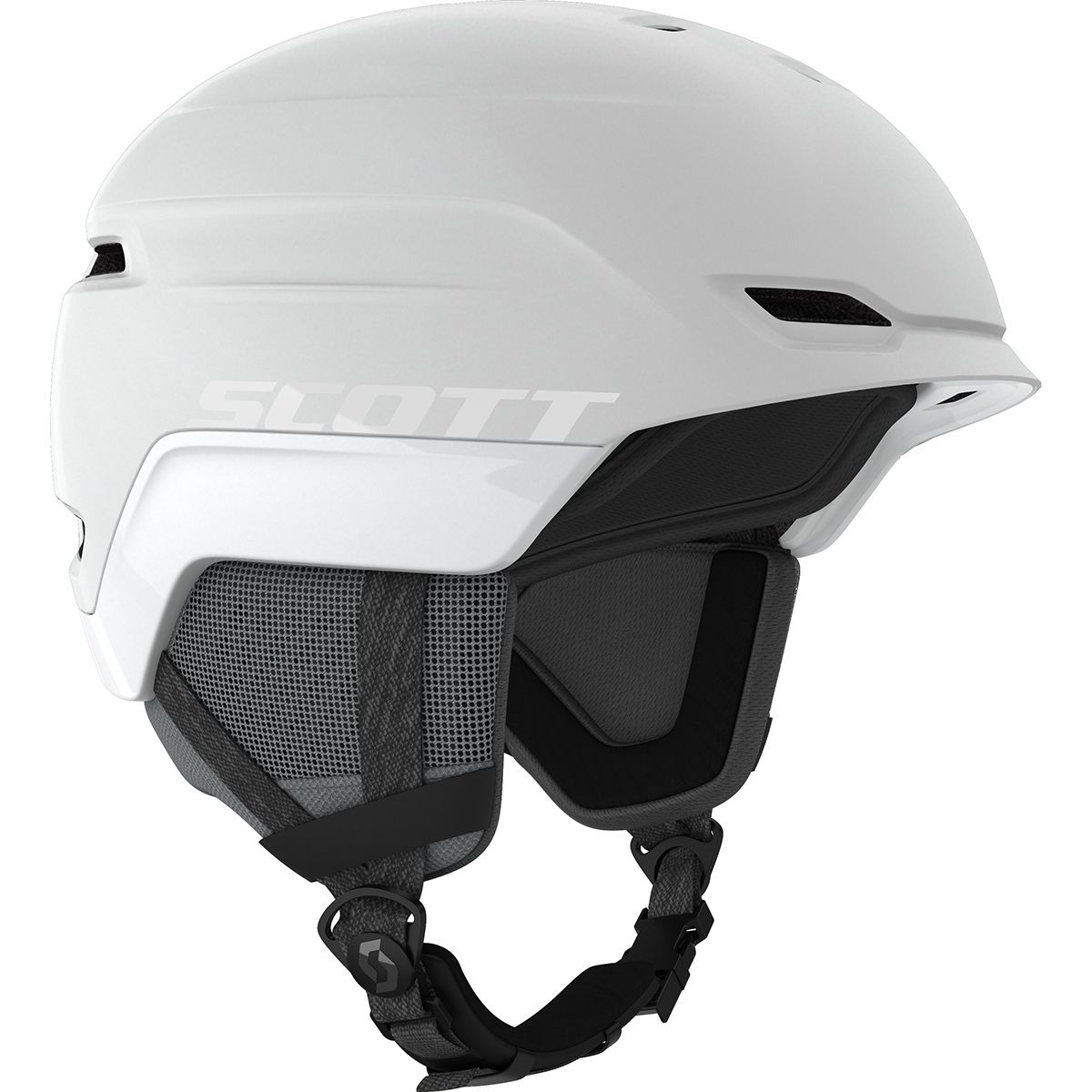
Scott
Chase 2 Plus Helmet
2 colors
Winter Sale
(3)
HSA/FSA Eligible

Scott
Track Plus Helmet
3 colors
Extra 20% Off Clearance | Ends 11/9
HSA/FSA Eligible

+3
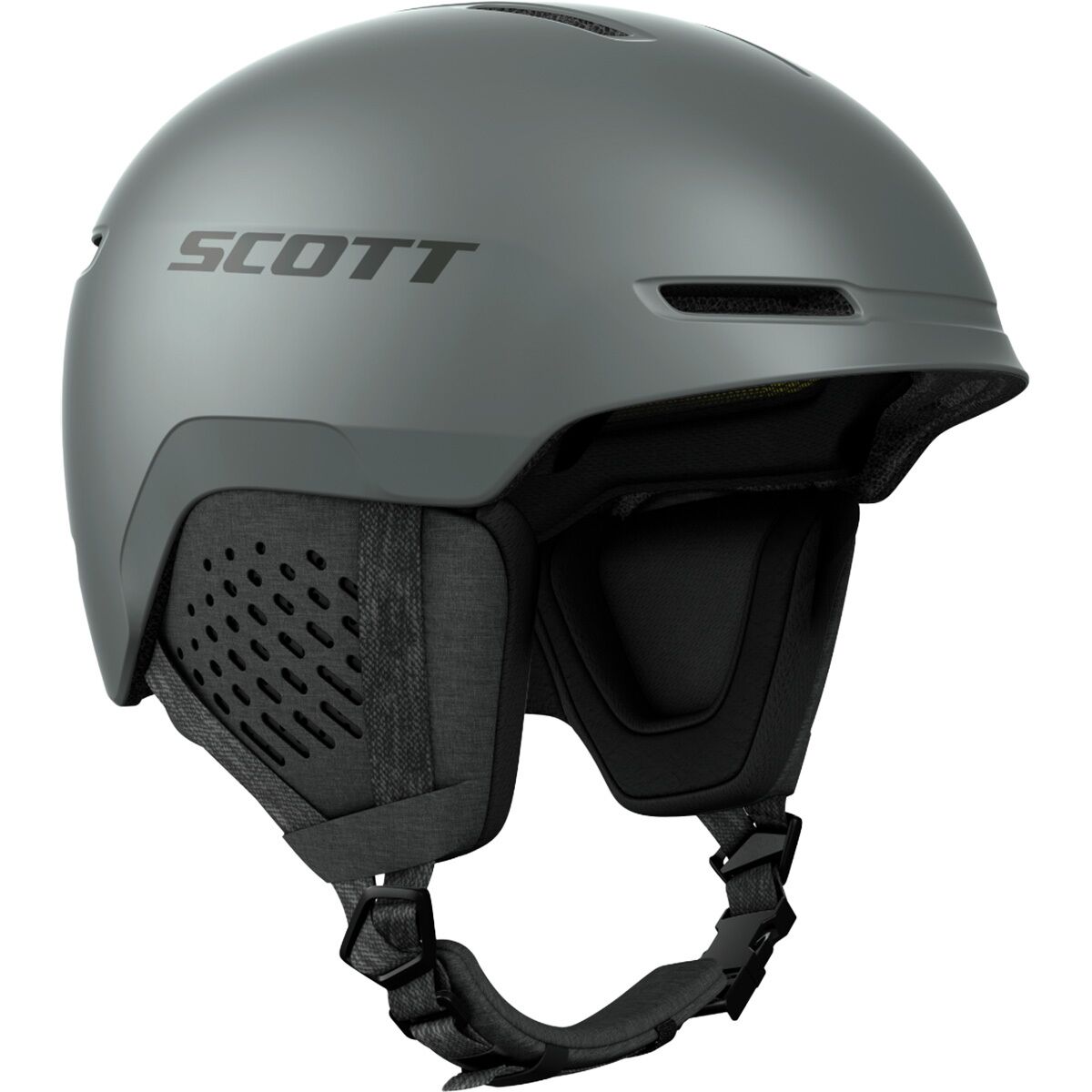
Scott
Track Helmet
7 colors
Discount Applies In Cart | Ends 11/16

Scott
Patrol E2 30L Avy Airbag Backpack
1 color
Discount Applies In Cart | Ends 11/16

Scott
Patrol E2 38L Airbag Avypack Kit
1 color
Extra 20% Off Clearance | Ends 11/9

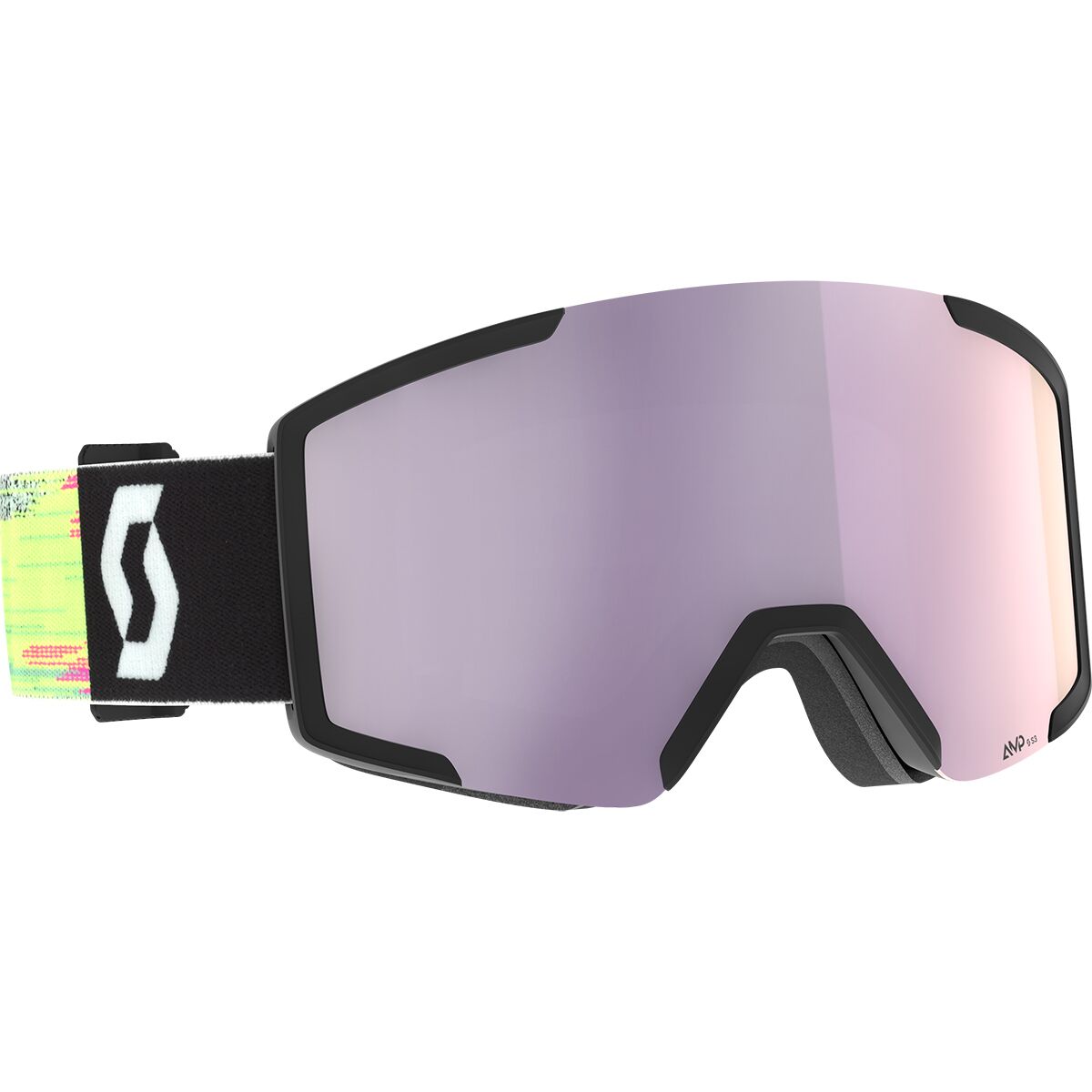
Scott
Shield Goggles
3 colors
Discount Applies In Cart | Ends 11/16

Scott
Shield Junior Goggles - Kids'
2 colors
Discount Applies In Cart | Ends 11/16

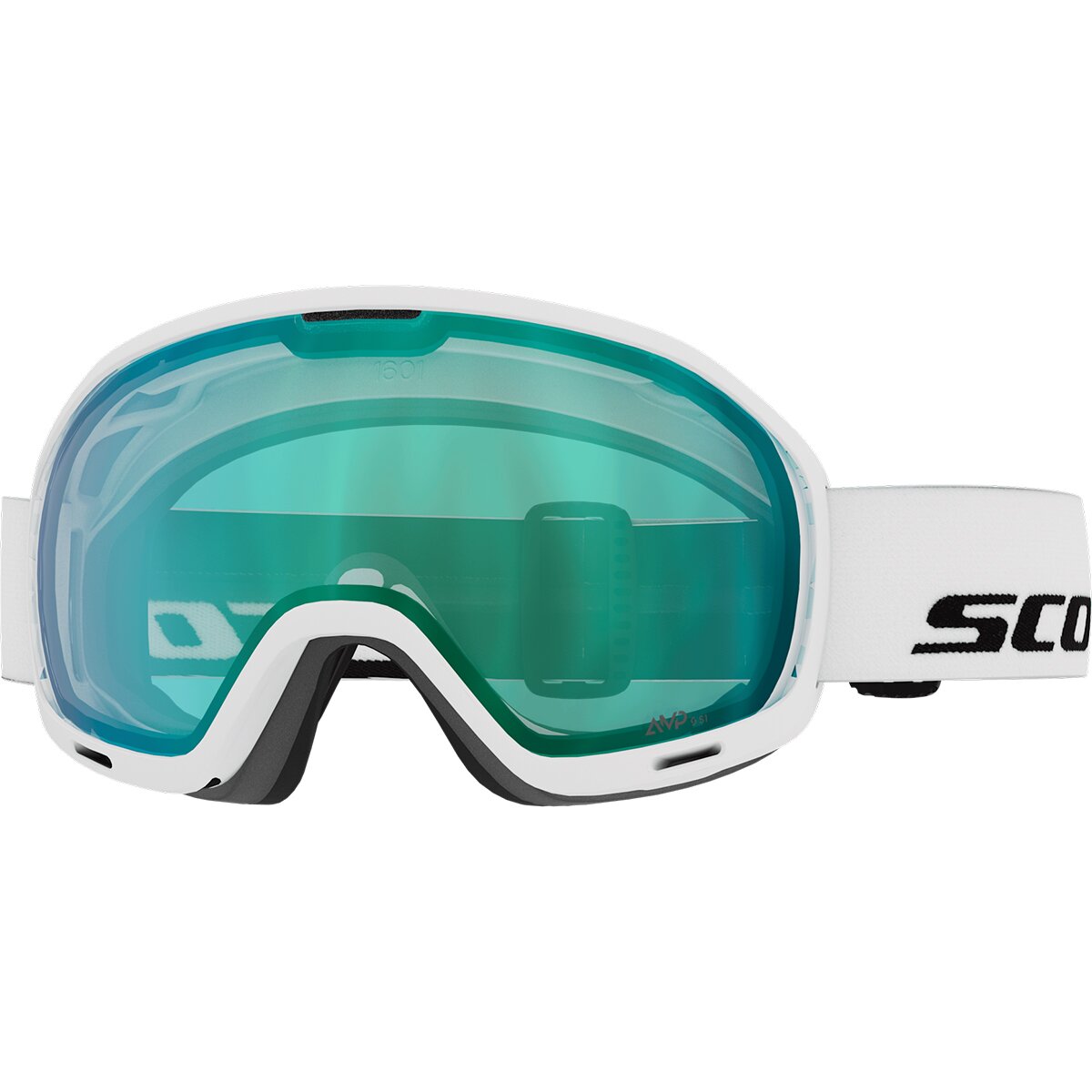
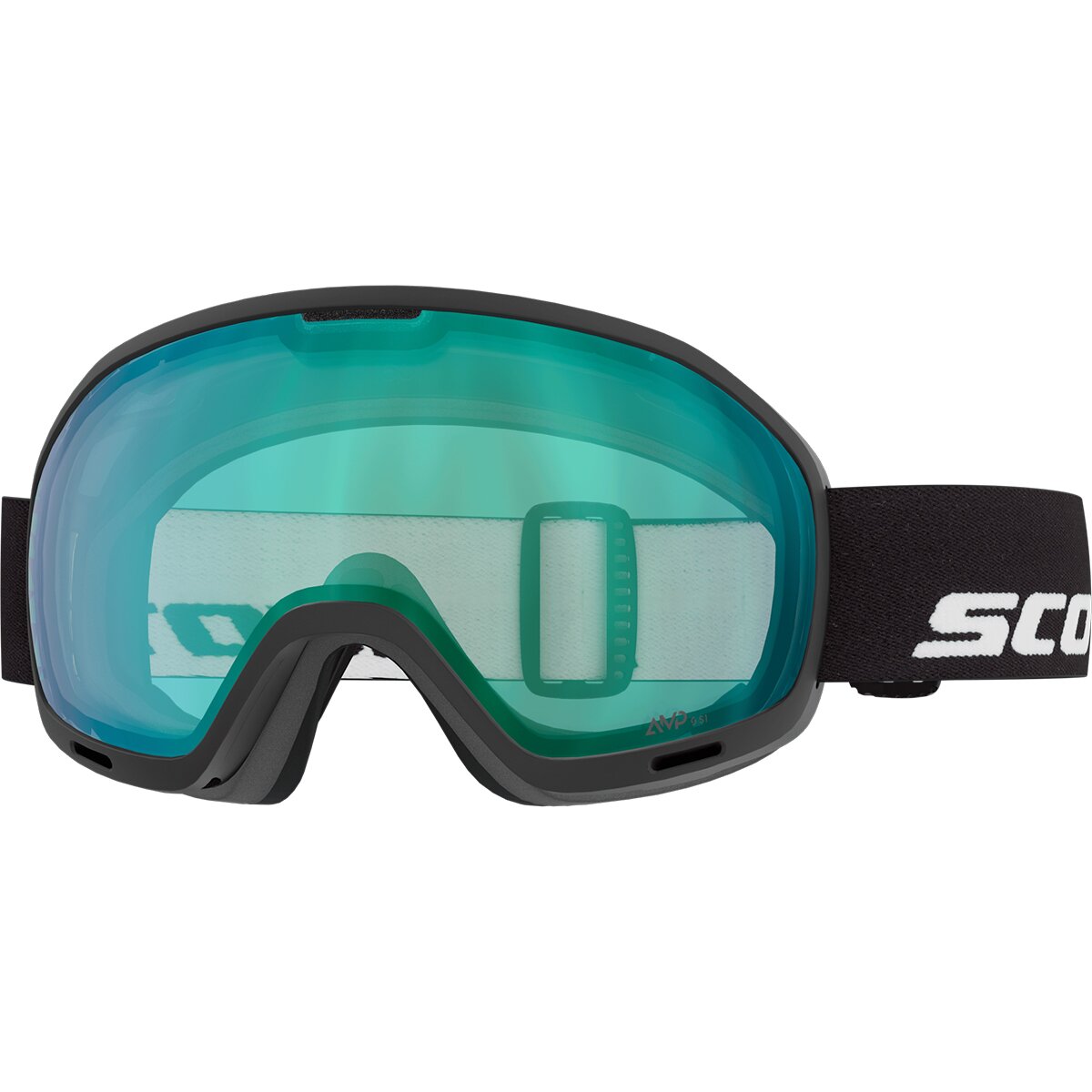
Scott
Unlimited II OTG Goggles
2 colors
Discount Applies In Cart | Ends 11/16

Scott
Cartridge Set For Airbag (CO2+Argon)
1 color
Discount Applies In Cart | Ends 11/16
HSA/FSA Eligible

Scott
Flow Pro Mips Helmet
2 colors
Discount Applies In Cart | Ends 11/16

Scott
SCO Patrol Ultralight E2 25L Airbag Avypack Kit
1 color
Discount Applies In Cart | Ends 11/16
HSA/FSA Eligible

Scott
Couloir Tour Helmet
1 color
Winter Sale
Related Categories

Frequently Asked Questions
What makes Scott snowboards stand out for freeride and all‑mountain riding?
Scott boards pair very light, responsive builds with a stiff flex and rocker‑forward profiles to prioritize float, stability, and high‑speed control in soft snow. Construction often blends cap and sidewall elements for edge grip and durability while incorporating eco choices like recycled polyamide, PFC‑free DWR, and biobased plate components. RECCO® integration and attention to tapered shapes and mounting points help them perform specifically in big‑mountain and powder conditions.How should I choose the right size and stance for a Scott freeride or all‑mountain board?
Start with rider height and weight and factor in your preferred stance—neutral for versatility, slightly forward for deep‑powder performance—and consider longer lengths (for example, around 189 cm) for added flotation and stability in powder. Check waist width against your boots to avoid toe or heel drag, and pick a stiffness that matches your ability since Scott’s stiffer boards demand active input in chop and variable snow. If possible, demo the size to confirm how the board’s weight and flex respond to your riding style.What construction features and materials should I look for on Scott snowboards?
Look for a lightweight core design paired with a rocker or hybrid profile, tapered tip/tail geometry, and a cap/sidewall hybrid layup for a balance of playfulness in powder and reliable edge hold. Scott also uses sustainable elements such as recycled polyamide and biobased plate materials alongside PFC‑free DWR finishes. These choices reduce weight and environmental impact while maintaining the stiffness and pop needed for freeride performance.How does a Scott “Scrapper‑style” freeride board compare to Scott’s all‑mountain models?
A Scrapper‑style freeride board emphasizes longer length, stiffer flex, rearward or more traditional mount points, and a tapered rocker profile to maximize float, slashability, and stability at speed in deep snow. Scott’s all‑mountain models are typically shorter and more balanced in flex and shape, offering better versatility on groomers and mixed conditions but with slightly less specialized powder performance. For riders who split time between big‑mountain powder and resort laps, an all‑mountain choice is more forgiving, while the freeride option rewards aggressive powder‑first riding.Which terrain and rider skill level are best suited to Scott freeride and all‑mountain boards?
Scott’s freeride and performance all‑mountain boards are best for intermediate to expert riders who charge hard in big‑mountain terrain, want float in powder, and can actively manage a stiffer chassis in variable snow. They excel in powder slashes, high‑speed descents, and softer spring corn, but are not ideal for park tricks or riders who prefer very soft, forgiving beginner boards. Try to match board stiffness and length to your riding goals and consider a demo to ensure the board’s responsiveness fits your technique.