


Up To 20% Off Full-Price Items
Shop now
EXTRA 20% Off Clearance
Shop now | Ends 11/9
Get An EXTRA $50 Cash Back*
Summit+ exclusive
Sandbox Snowboard
4 results
HSA/FSA Eligible

Sandbox
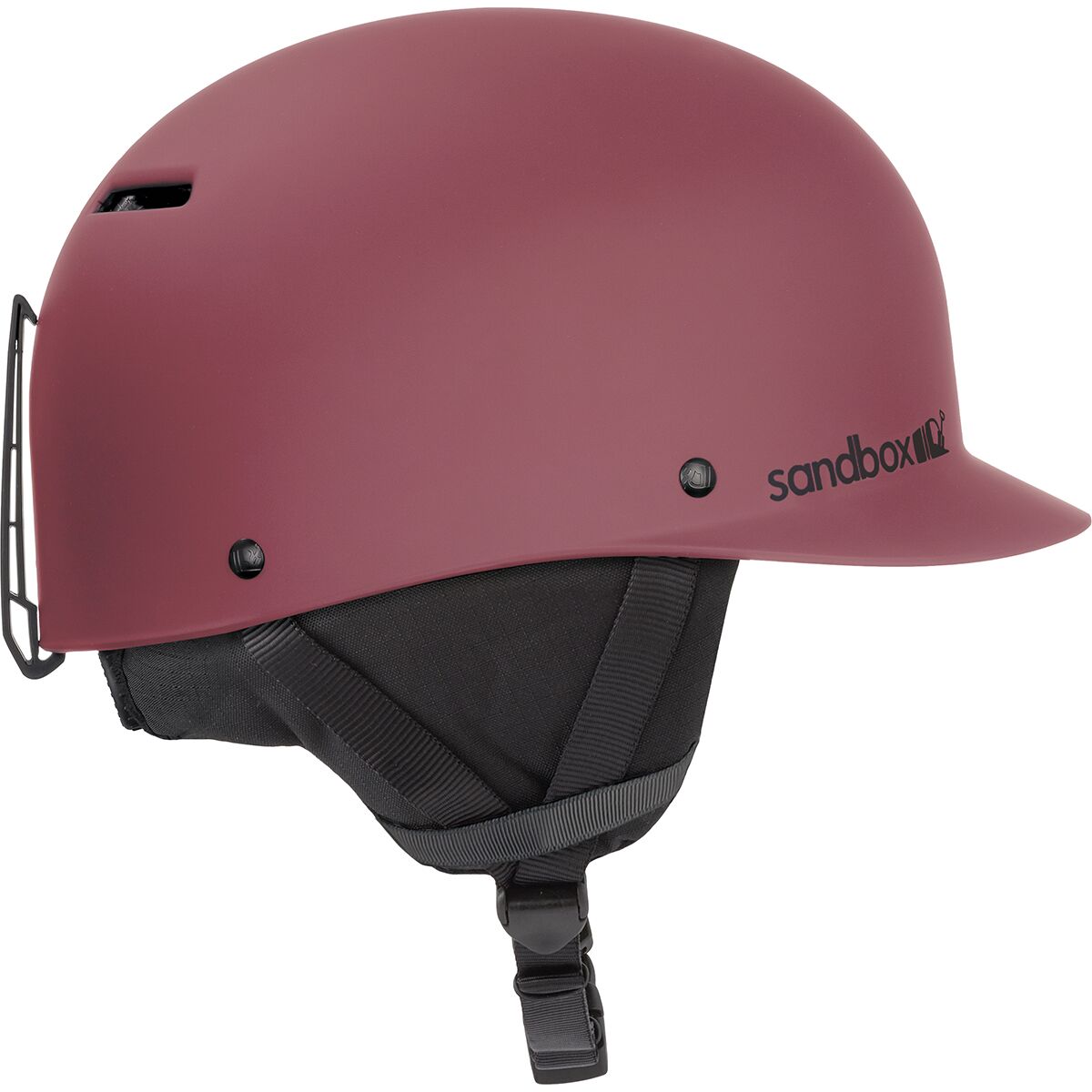
Classic 2.0 Snow Helmet
3 colors
$52.48 - $149.95
Up to 65% off
Discount Applies In Cart | Ends 11/16
HSA/FSA Eligible

Sandbox
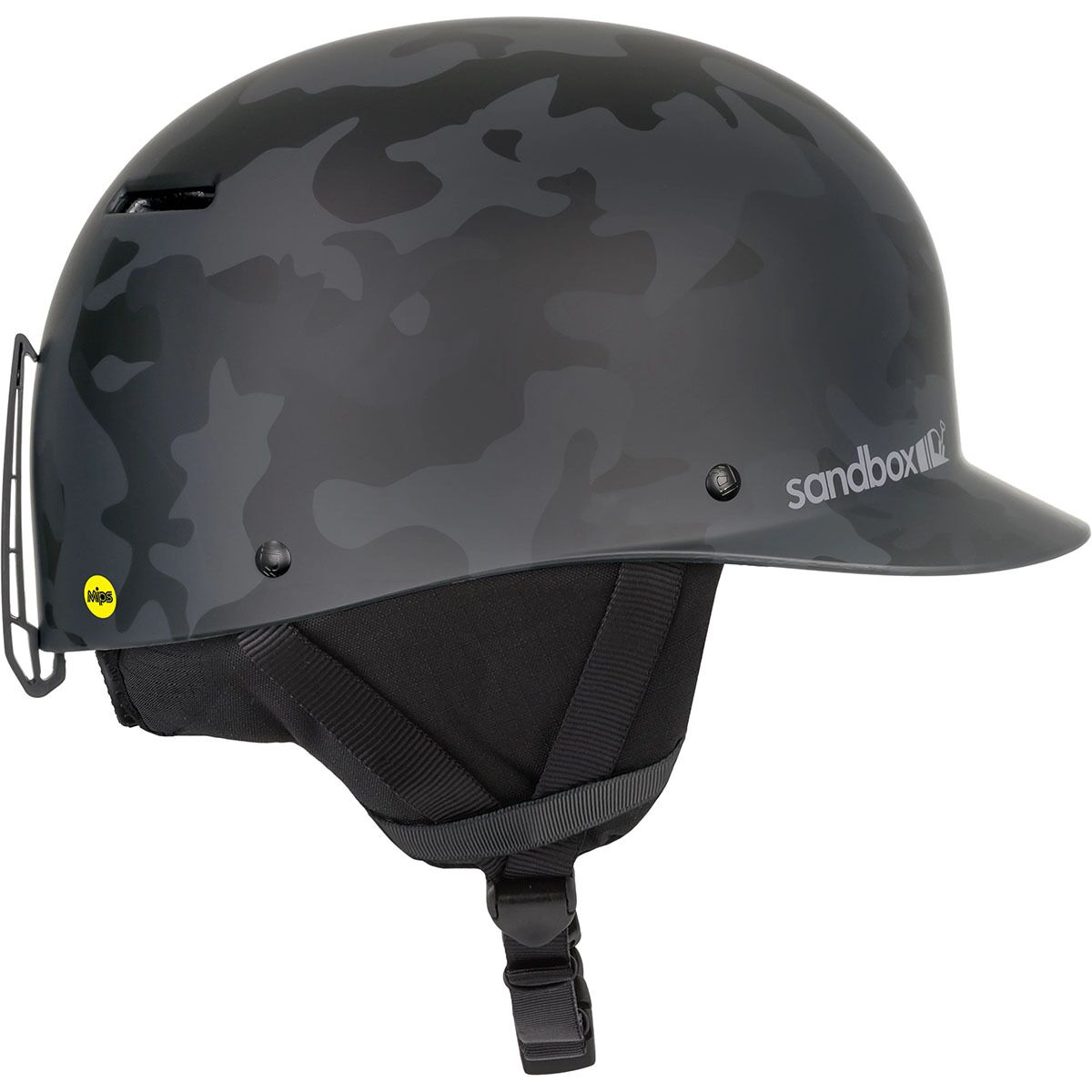
Classic 2.0 Snow Mips Helmet
2 colors
$189.95
Discount Applies In Cart | Ends 11/16
(1)
HSA/FSA Eligible

Sandbox
Icon Snow MIPS Helmet
1 color
$179.95
Discount Applies In Cart | Ends 11/16
HSA/FSA Eligible

Sandbox
Icon New Fit System Snow Helmet
1 color
Current price: $63.70 Original price: $139.95
54% off
Winter Sale
Related Categories
Frequently Asked Questions
How do I choose the right Sandbox snowboard for my riding style—all-mountain, freestyle, or freeride?
Match the board type to your primary terrain: all-mountain boards (hybrid profiles and medium flex) offer versatility across groomers, parks, and occasional powder; freestyle/twin boards (soft–medium flex, true twin shape) prioritize park tricks, switch riding, and maneuverability; freeride/powder boards (directional shapes, rocker or volume-shifted noses, stiffer flex) emphasize float and stability in steep or deep snow. Also consider waist width for your boot size and sidecut radius—wider waists and larger radii help stability at speed and in powder, while narrower waists and tighter radii make quick turns easier. Look at each product’s listed profile, flex rating (1–10), and targeted terrain to narrow choices for your skill level and goals.How should I size a Sandbox snowboard based on my height, weight, and boot size?
Use height/weight as the primary guide for length—longer boards add stability and float while shorter boards boost maneuverability—then confirm waist width to prevent toe/heel drag with your boot size. Check the board’s recommended rider weight range and effective edge/sidecut specs on the product page; riders with larger feet often need a mid or wide option to avoid overhang. If you split between sizes, choose the longer length for speed/stability or the shorter for park and quick turnability.What are the practical differences between camber, rocker, and hybrid profiles on Sandbox snowboards?
Camber delivers strong edge hold, pop, and precise carving on groomers and hardpack, favoring experienced riders and higher speeds. Rocker (reverse camber) provides forgiveness, easier turn initiation, and superior float in powder—good for beginners and playful freestyle riders. Hybrid camber/rocker blends (camber underfoot with rocker at the nose/tail) balance edge grip and float for true all-mountain versatility.How does a directional camber freeride board compare to a true twin rocker freestyle board?
A directional camber freeride board typically has camber underfoot, a stiffer flex, and a setback stance to maximize edge hold, carving power, and float in deep snow—ideal for steep lines and high-speed stability. A true twin rocker freestyle board is symmetrical with softer flex and rocker or flat sections to make switch riding, presses, and park features easier and more forgiving. Choose the freeride directional for off-piste performance and the twin rocker for park-focused progression and playful versatility.What materials, flex ratings, and construction features should I prioritize for durability and responsiveness in a Sandbox snowboard?
Look for a quality wood core (poplar or poplar/paulownia blends) paired with multi-directional fiberglass laminates for a strong, responsive feel and predictable flex; carbon stringers or reinforcing laminates add pop and torsional stiffness without much weight. Match flex rating to your level and terrain—soft (1–4) for forgiving park riding, medium (5–7) for all-mountain versatility, and stiff (8–10) for high-speed carving and stability. Also confirm edge treatments (serrations/traction features), waist width, effective edge, and stance/binding hole pattern compatibility to ensure the board fits your boots and setup.