


Up To 20% Off Full-Price Items
Shop now
EXTRA 20% Off Clearance
Shop now | Ends 11/9
Get An EXTRA $50 Cash Back*
Summit+ exclusive
Sandbox Ski
5 results
HSA/FSA Eligible

Sandbox
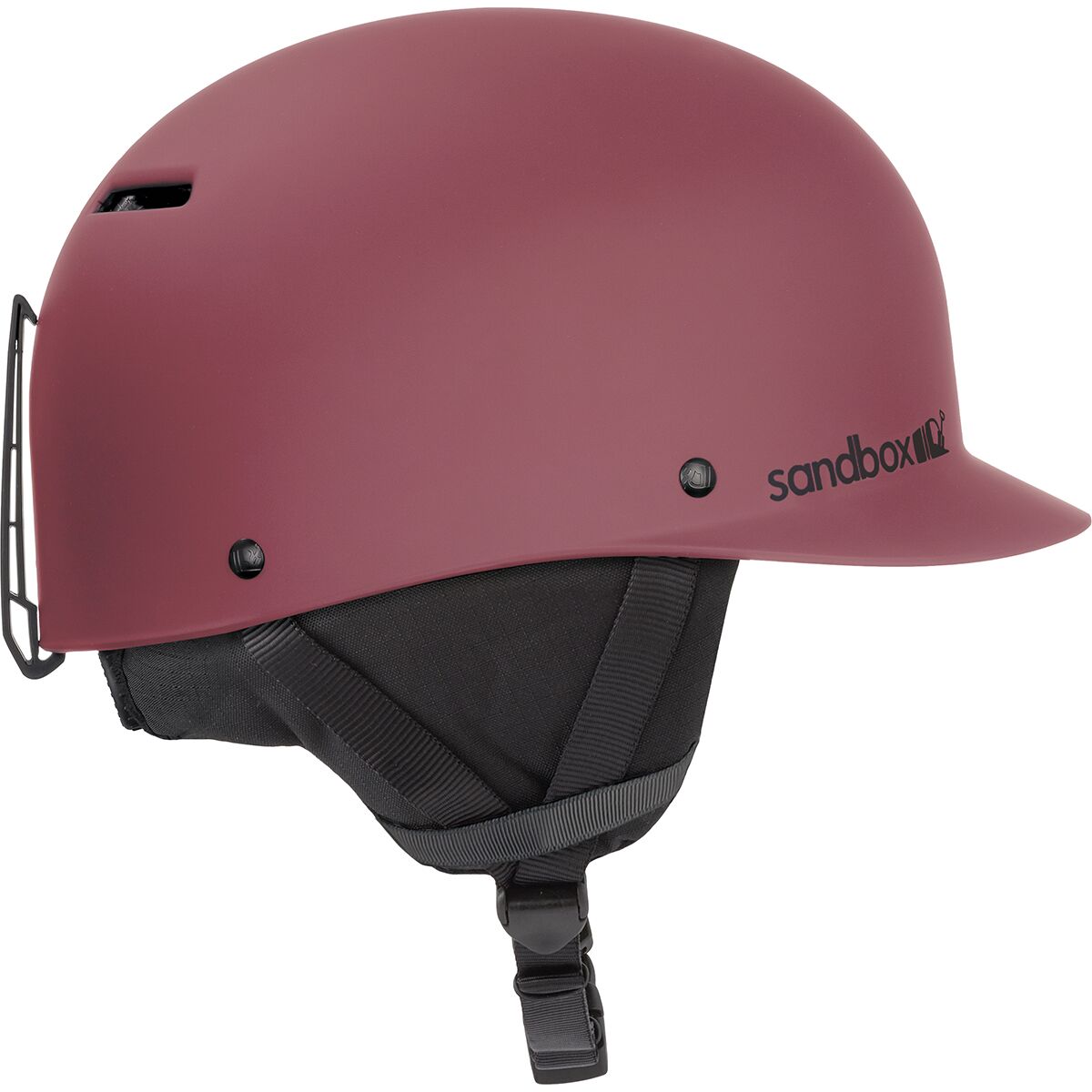
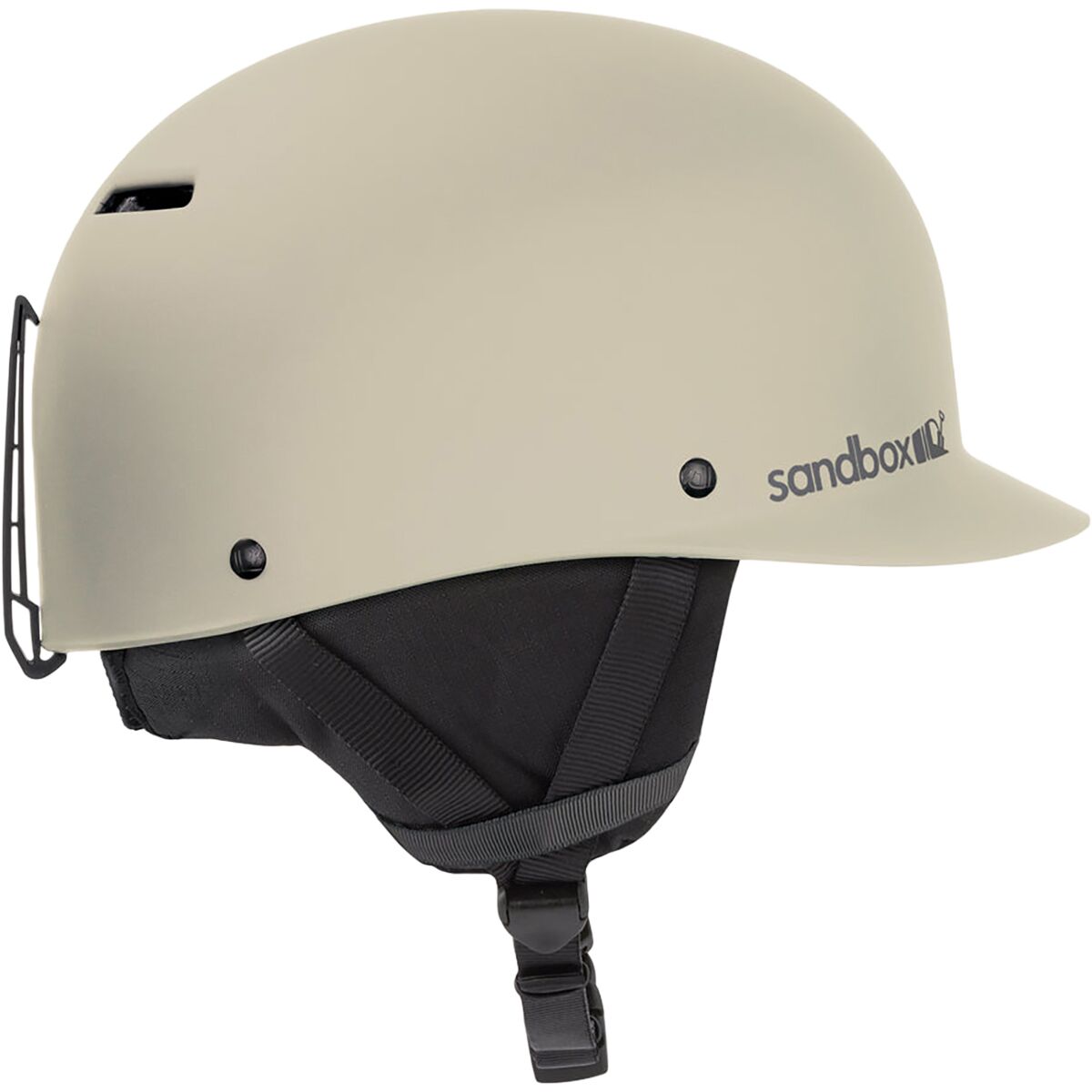
Classic 2.0 Snow Helmet
3 colors
$52.48 - $149.95
Up to 65% off
Discount Applies In Cart | Ends 11/16
HSA/FSA Eligible

Sandbox
Classic 2.0 Snow Mips Helmet
2 colors
$189.95
Discount Applies In Cart | Ends 11/16
(1)
HSA/FSA Eligible

Sandbox
Icon Snow MIPS Helmet
1 color
$179.95
Discount Applies In Cart | Ends 11/16
HSA/FSA Eligible

Sandbox
Icon New Fit System Snow Helmet
1 color
Current price: $63.70 Original price: $139.95
54% off
Winter Sale
HSA/FSA Eligible

Sandbox
Icon Brain Bucket Helmet
1 color
$94.95
Discount Applies In Cart | Ends 11/16
Related Categories
Frequently Asked Questions
How do I choose the right Sandbox ski model for my skiing style and terrain?
Match the model to your primary terrain: narrower Sandbox models (around 88mm waist) work best on groomers and hard snow for quick carving, mid-width all-mountain skis (≈91–114mm) offer versatility across mixed conditions, and wider powder-focused models (≥115mm) prioritize flotation in deep snow. Consider your skill level and frequency of skiing—beginners usually benefit from more forgiving, narrower skis while advanced riders may prefer wider, stiffer shapes for stability and speed.What construction and materials do Sandbox skis use, and how do those choices affect on-snow performance?
Sandbox skis commonly pair a wood core with fiberglass or carbon laminates to balance dampness, pop, and weight; carbon layers reduce weight for uphill efficiency in backcountry models while fiberglass adds playful responsiveness. Rocker/camber hybrid profiles give a mix of edge hold and float—camber underfoot for grip on groomers and tip/tail rocker for easier turn initiation and powder flotation. Metal (e.g., Titanal) laminates are less common on lighter Sandbox models but would increase high-speed stability and dampening when present.How should I size Sandbox skis (length and waist) based on my height, weight, and ability?
Use height as your starting point, then adjust for ability and weight: beginners typically choose skis 10–15 cm shorter than their height for maneuverability, intermediates 2–8 cm shorter, and experts often ski at or slightly above their height for stability. Match waist width to terrain—narrower waists for quick edge-to-edge response, wider waists for float in soft snow—and lean toward longer lengths if you are heavier or plan to ski fast or in deep snow. Always factor in your preferred turn shape: shorter skis for short turns, longer skis for stability and float.How does the Sandbox 88 compare to the Sandbox 112, and which should I pick?
The Sandbox 88 is a narrower, all-mountain/groomer-oriented option that favors quick edge-to-edge carving, responsiveness, and easier turn initiation, making it ideal for hardpack and technical piste skiing. The Sandbox 112 is a much wider, powder-oriented shape with increased tip/tail rocker for superior flotation and surfy feel in deep snow; choose it if you spend most days in soft, variable or big-mountain terrain. Pick the 88 for playful hard-snow performance and the 112 for maximum float and backcountry/powder focus.What bindings and boot characteristics pair best with Sandbox skis for backcountry and all-mountain use?
For backcountry-oriented Sandbox skis, lightweight tech bindings or alpine touring setups with a touring-compatible boot sole improve uphill efficiency, while all-mountain setups benefit from robust alpine bindings with brakes sized to the ski waist (typically brake width ≈ ski waist + 10–15mm). Match boot flex to your skiing: softer, more forgiving boots aid progression and comfort, while stiffer boots give greater power transfer and precision for aggressive or high-speed skiing. Ensure binding DIN range and mounting compatibility suit your weight, skill, and the ski’s intended use.