


Up To 20% Off Full-Price Items
Shop now
EXTRA 20% Off Clearance
Shop now | Ends 11/9
Get An EXTRA $50 Cash Back*
Summit+ exclusive
Salomon Overlanding
1 result

Salomon
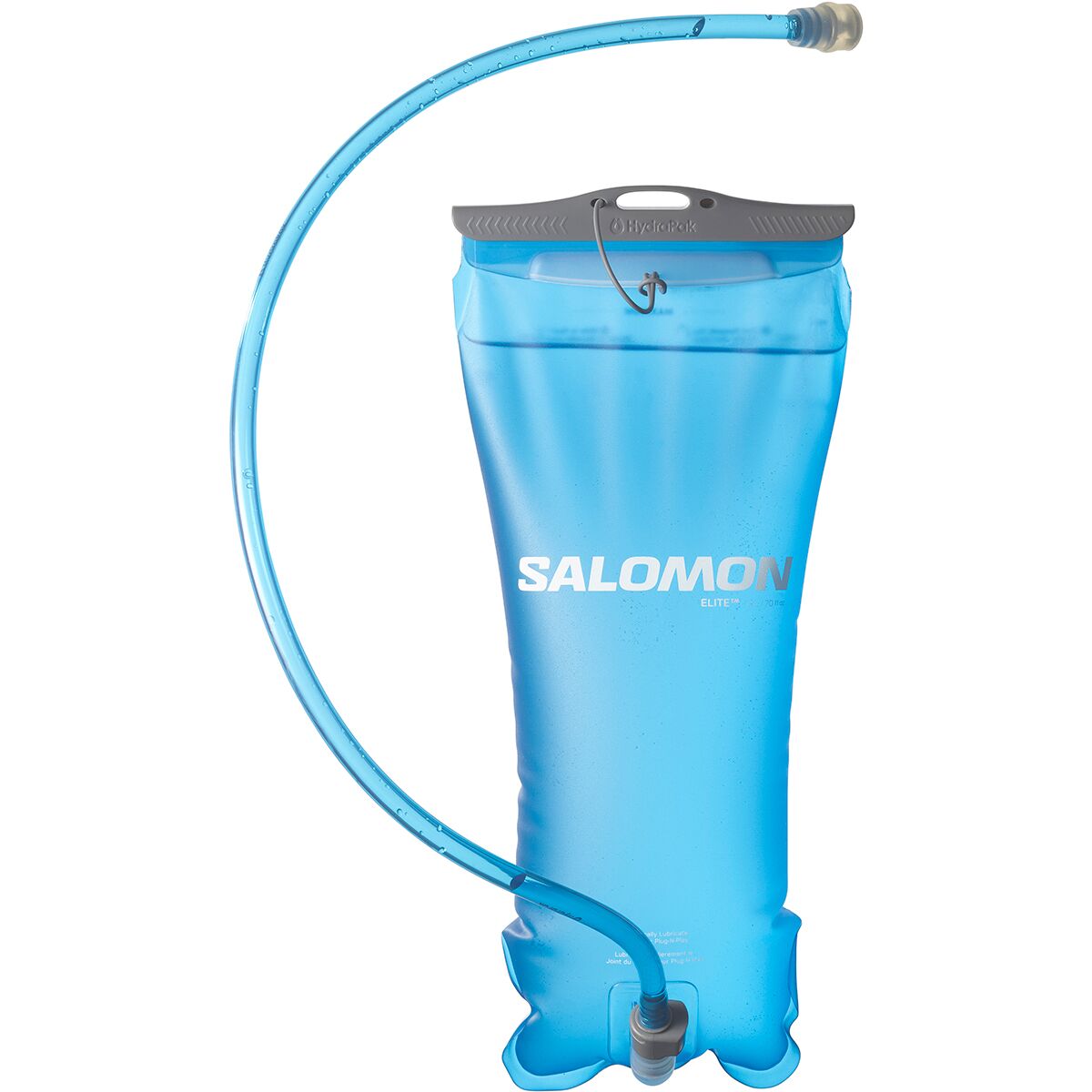
Soft Reservoir
1 color
$39.95 - $44.95
(113)
Related Categories


Frequently Asked Questions
Which Salomon models are best for vehicle‑supported overlanding hikes from a basecamp?
For lightweight, technical approaches choose the X Ultra 4/5 Mid GTX for its agility and low-weight profile (about 1 lb. 14 oz. per pair), while the Quest 4 GTX is better for multi-day overland routes that require extra protection and cushioning (about 2 lb. 14 oz. per pair). Wings Pro 2 or XA Pro 3D v8 suit faster, mixed‑surface travel where responsiveness and lower stack height matter. Prioritize Gore‑Tex versions for wet climates and pick Contagrip outsole variants (All‑Terrain vs. Mug) based on mud vs. mixed-rock conditions.How does the X Ultra 4 Mid GTX compare to the Quest 4 GTX for technical, vehicle‑supported hikes?
The X Ultra 4 Mid GTX is lighter and more nimble, designed for quick approaches, scrambling, and shorter overland hikes where agility matters. The Quest 4 GTX is heavier but offers more cushioning, a sturdier heel chassis and reinforced construction for long days with a pack and very rough terrain. Both use Contagrip outsoles and Gore‑Tex options, so choose X Ultra for speed and Quest for protection and load‑carrying stability.What fit and sizing tips should I use when choosing Salomon boots like the XA Pro 3D v8 or Quest 4 GTX?
Salomon generally fits true to size with a slightly forgiving forefoot; measure foot length and width and test in the socks you’ll wear on trips. Look for Sensi‑fit overlays and Quicklace to secure the heel and midfoot—if you plan heavy packs or long downhill sections, consider trying a half size up to allow toe splay. Also test for collar fit: mid‑cuts give ankle support while low collars feel roomier and may let debris in.How do Gore‑Tex, Matryx uppers, Pro‑Feel film and Contagrip outsoles perform on wet, muddy, and rocky overlanding terrain?
Gore‑Tex membranes provide reliable waterproofing and breathability for stream crossings and damp conditions, while Matryx woven uppers and Pro‑Feel film add abrasion resistance and rock protection up front. Contagrip outsoles with deep, trapezoidal lugs offer multi‑surface bite on loose rock, roots and hardpack, and the Mug (mud) compound variants shed mud better on soggy trails. Combined, these features balance durability, grip, and underfoot protection for varied overlanding surfaces.When should I choose a mid‑cut like the X Ultra Mid GTX versus a low‑top such as the Wings Pro 2 for overlanding?
Choose a mid‑cut (X Ultra Mid GTX) when you need extra ankle support and protection for talus, scree, or when carrying heavier loads; mids also keep out more debris and pair well with Gore‑Tex for wet conditions. Opt for a low‑top or trail‑runner style like the Wings Pro 2 when you value lower weight, quicker footwork, and faster approaches—the Wings Pro 2 features a responsive dual‑compound Contagrip outsole and a 10mm drop for more dynamic movement. Consider terrain, pack weight, and how much ankle support you need when deciding.