


20% Off Full-Price Items
Shop now
EXTRA 20% Off Clearance
Shop now | Ends 11/9
Get An EXTRA $50 Cash Back*
Summit+ exclusive
Salomon Climb
1 result

Salomon
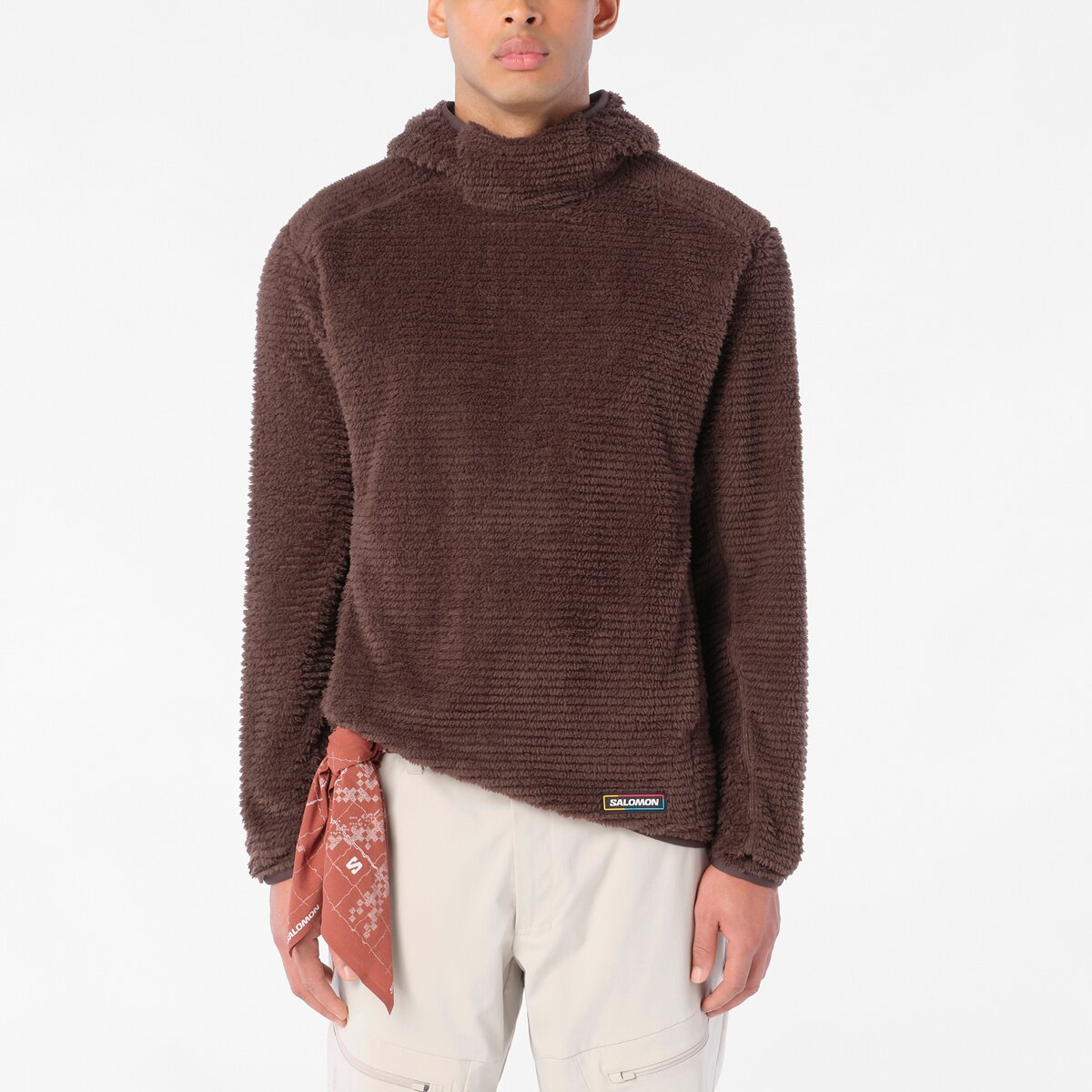
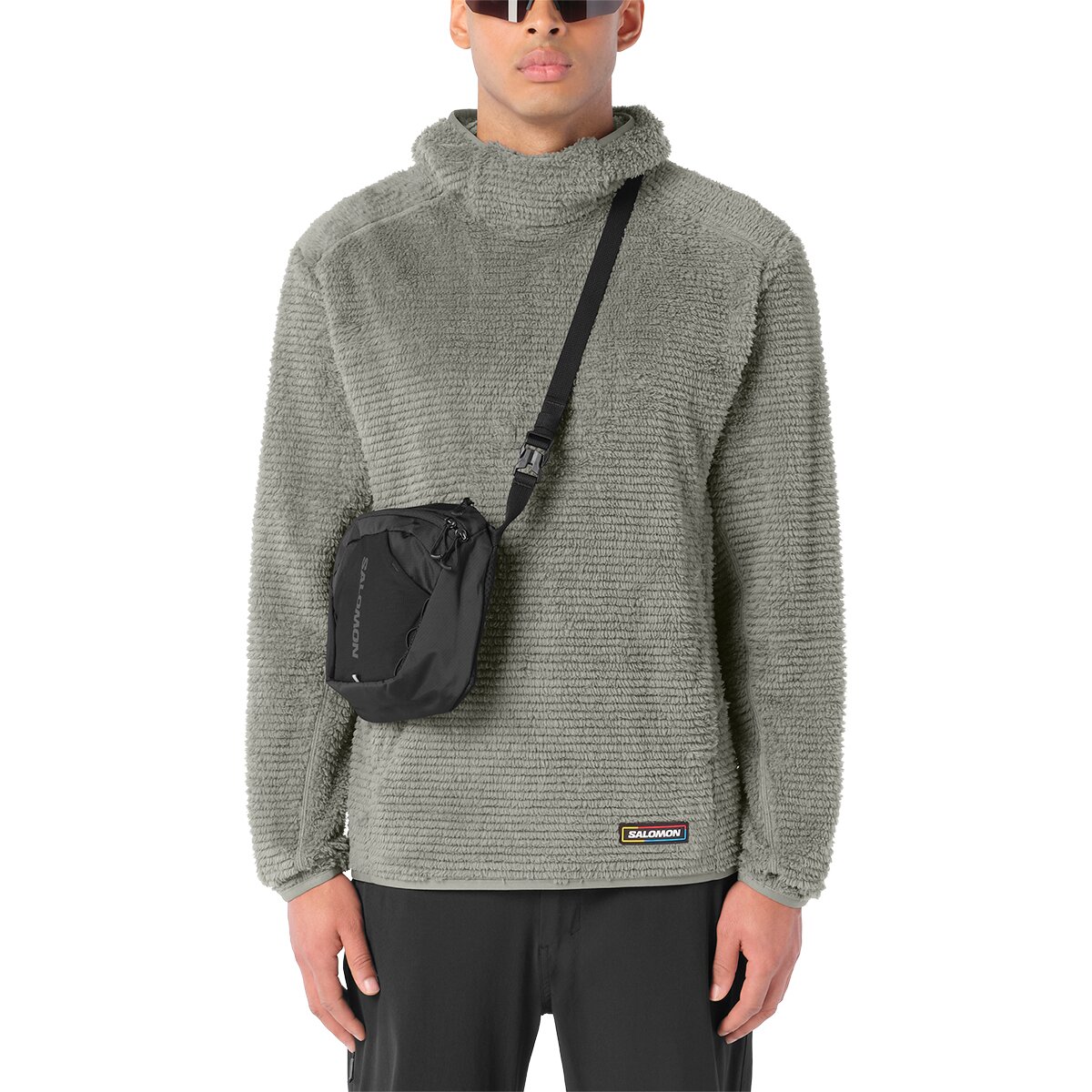
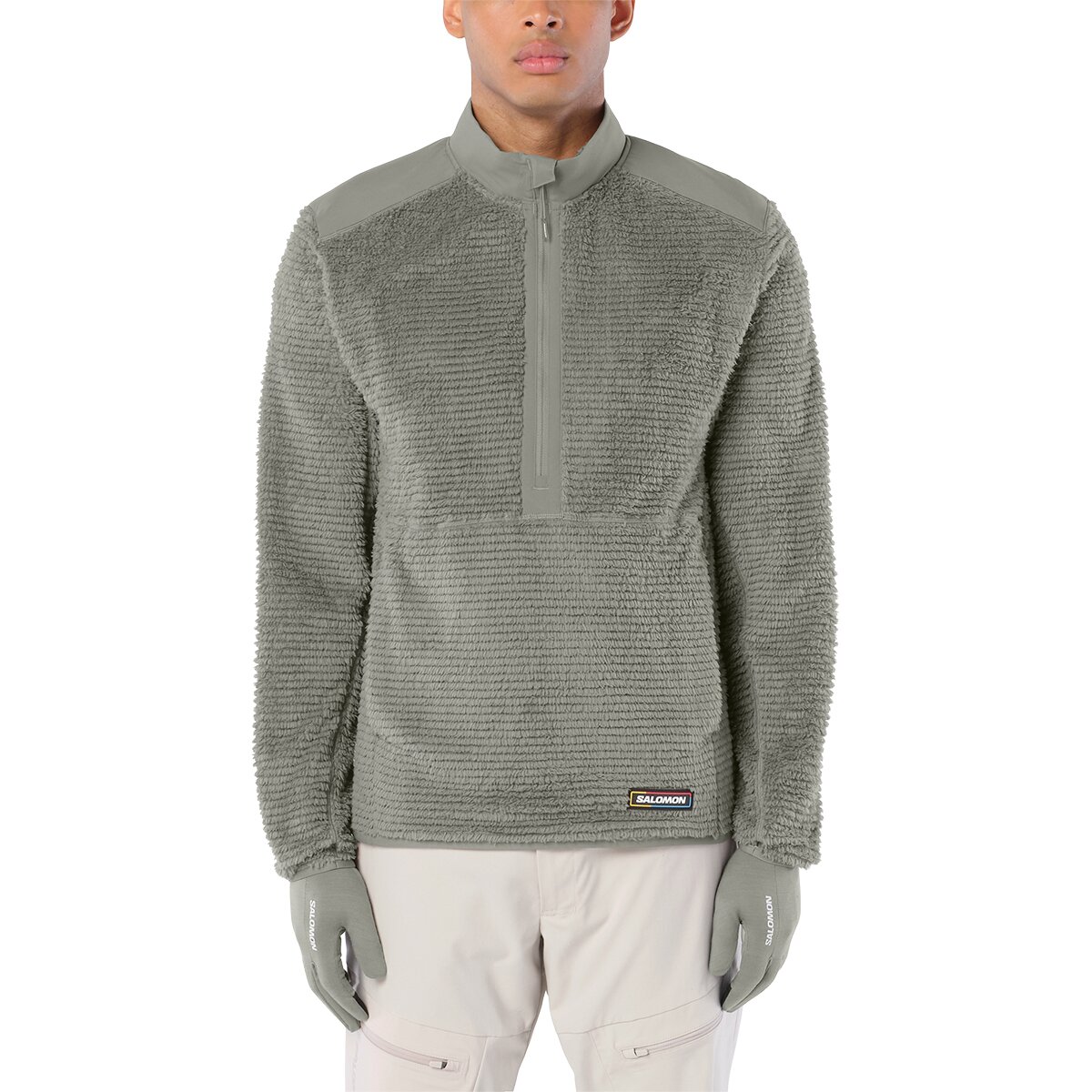
Thernova Fleece Hooded Jacket - Men's
2 colors
$119.95
(1)
Related Categories

Frequently Asked Questions
What design features make Salomon mountaineering boots suitable for technical alpine climbing?
Salomon mountaineering boots typically use a dual-lacing system with an inner boot that cinches via a tab-loop on the tongue plus an outer lace for uniform ankle support, giving precise zonal pressure control. They pair a stiff shank for edge support with front and rear welts for step-in technical crampons and heavier insulation options for cold alpine conditions.How should I size and fit Salomon climbing boots for use with crampons and heavy socks?
Size Salomon mountaineering boots with the volume you expect to wear—try them with the liner and the sock thickness you’ll use on climbs—and allow a bit more toe room than summer hiking boots for long descents. Use the dual-lacing system to lock the heel and ankle while allowing forefoot comfort, and confirm crampon compatibility for your chosen model before committing.Are Salomon mountaineering boots compatible with technical crampons?
Many Salomon mountaineering models are built with front and rear welts specifically to accept step-in technical crampons, and the dual-lacing/inner-boots help keep the foot secure under load. Always verify the individual model’s specs for welt type and ISO crampon compatibility, since not every style uses the same welt geometry.How do Salomon mountaineering boots differ from Salomon backpacking or hiking boots like the Quest 4D?
Salomon mountaineering boots prioritize stiffer shanks, heavier insulation, and crampon-ready welts for vertical ice and mixed alpine terrain, while backpacking boots such as the Quest 4D focus on comfort, cushioning, and flexibility for long approaches. Expect mountaineering models to be heavier and more rigid (designed for technical performance) versus the more supple, lighter construction of typical hiking/backpacking boots.Which boot stiffness and insulation levels should I choose for different alpine activities?
Choose a very stiff shank and higher insulation for vertical ice, long cold alpine routes, or mixed climbing where edge control and warmth matter; moderate stiffness and mid-level insulation suit glacier travel and long approaches; and lighter, less-insulated, more flexible boots work for summer scrambles and high-elevation day trips. Salomon mountaineering boots often fall in the 4.5–5 lb range for heavier, insulated models and usually require minimal break-in compared with traditional leather mountaineering boots.