


Up To 20% Off Full-Price Items
Shop now
EXTRA 20% Off Clearance
Shop now | Ends 11/9
Get An EXTRA $50 Cash Back*
Summit+ exclusive
Salomon Alpine Skiing
56 results

Salomon
S/Pro Supra 90 GW Boot - 2026
1 color
Extra 20% Off Clearance | Ends 11/9


Salomon
S/Pro Supra 80 GW Boot - 2026 - Women's
1 color
Extra 20% Off Clearance | Ends 11/9

Salomon
QST X Ski + Shift 16 MN Binding - 2026
2 colors
Winter Sale

Salomon
Strive GW 14 Ski Binding - 2027
4 colors
(29)

Salomon
S/Pro Supra BOA 100 Boot - 2026
1 color
Winter Sale
(2)

Salomon
Strive 12 GW Binding - 2027
4 colors
(10)

Salomon
S/Pro Supra BOA 120 Boot - 2026
1 color
Extra 20% Off Clearance | Ends 11/9
(20)

Salomon
S/Pro MV 100 GW Ski Boot - 2024
1 color
Extra 20% Off Clearance | Ends 11/9
(7)

Salomon
Steep Ski Poles
4 colors
(3)

Salomon
QST 100 Ski - 2027
2 colors
(18)

Salomon
S/Pro Supra BOA 85 GW Boot - 2026 - Women's
1 color
Extra 20% Off Clearance | Ends 11/9

Salomon
Strive 14 MN Binding - 2027
2 colors
(10)

Salomon
Polar Access Ski Poles
2 colors
(1)

Salomon
S/Pro Supra Dual BOA 105 GW Boot - 2026 - Women's
1 color
Extra 20% Off Clearance | Ends 11/9
(2)

Salomon
S/Lab QST Echo Ski - 2027
1 color
(1)

Salomon
QST 94 Ski -Black - 2027
2 colors
(13)

Salomon
Strive 10 GW Binding - 2027
1 color

Salomon
Shift Alpha BOA 130 Boot - 2026
1 color
Winter Sale
(1)

Salomon
S/Pro Supra Dual BOA 130 Boot - 2026
1 color
Winter Sale

Salomon
S/LAB Shift 2 13 MN Binding - 2027
1 color
(4)

Salomon
S/Lab Shift Alpha BOA Boot - 2027
1 color
(4)

Salomon
S/Pro Supra BOA 105 GW Boot - 2026 - Women's
1 color
Extra 20% Off Clearance | Ends 11/9

Salomon
S/Pro Supra 120 GW Boot - 2026
1 color
Winter Sale
(3)

Salomon
S/Pro Alpha C 130 BOA Boot - 2027
1 color
(17)

Salomon
S/Pro Supra 120 Dual BOA Boot - 2027
1 color
(1)


Salomon
QST Blank Team Flat Ski - 2027 - Kids'
1 color
HSA/FSA Eligible

Salomon
Player Combo Helmet - Kids'
2 colors
(1)

Salomon
Depart 02 Ski - 2027
1 color

Salomon
T2 RT Boot - Kids'
2 colors
(1)

Salomon
Polar Pro S3 Ski Poles
2 colors
(2)

Salomon
S/Pro Delta BOA 120 GW Boot - 2026
1 color
Winter Sale

Salomon
QST X Ski - 2026
1 color
Extra 20% Off Clearance | Ends 11/9
(8)

Salomon
Strive MN 16 Ski Binding - 2027
1 color
(10)

Salomon
QST 106 Ski - 2027
3 colors
Winter Sale
(17)

Salomon
S/Pro Alpha 110 GW Boot - 2026 - Women's
1 color
Winter Sale
(9)

Salomon
T3 RT Boot - Kids'
2 colors
(1)

Salomon
Orka Visor Helmet - Kids'
3 colors
(2)

Salomon
Strive 14 MN Binding - 2027
1 color
(10)

Salomon
S/Pro Supra BOA 95 GW Boot - 2026 - Women's
1 color
Extra 20% Off Clearance | Ends 11/9
(10)

Salomon
T1 Boot - Kids'
1 color
(3)

Salomon
QST X Ski + Shift 2 16 + Shift Alpha BOA 130 Boot - 2026
2 colors
Winter Sale

Salomon
S/Pro Supra S 120 BOA Boot - 2027
1 color
Related Categories
 Salomon Men's Ski Jackets
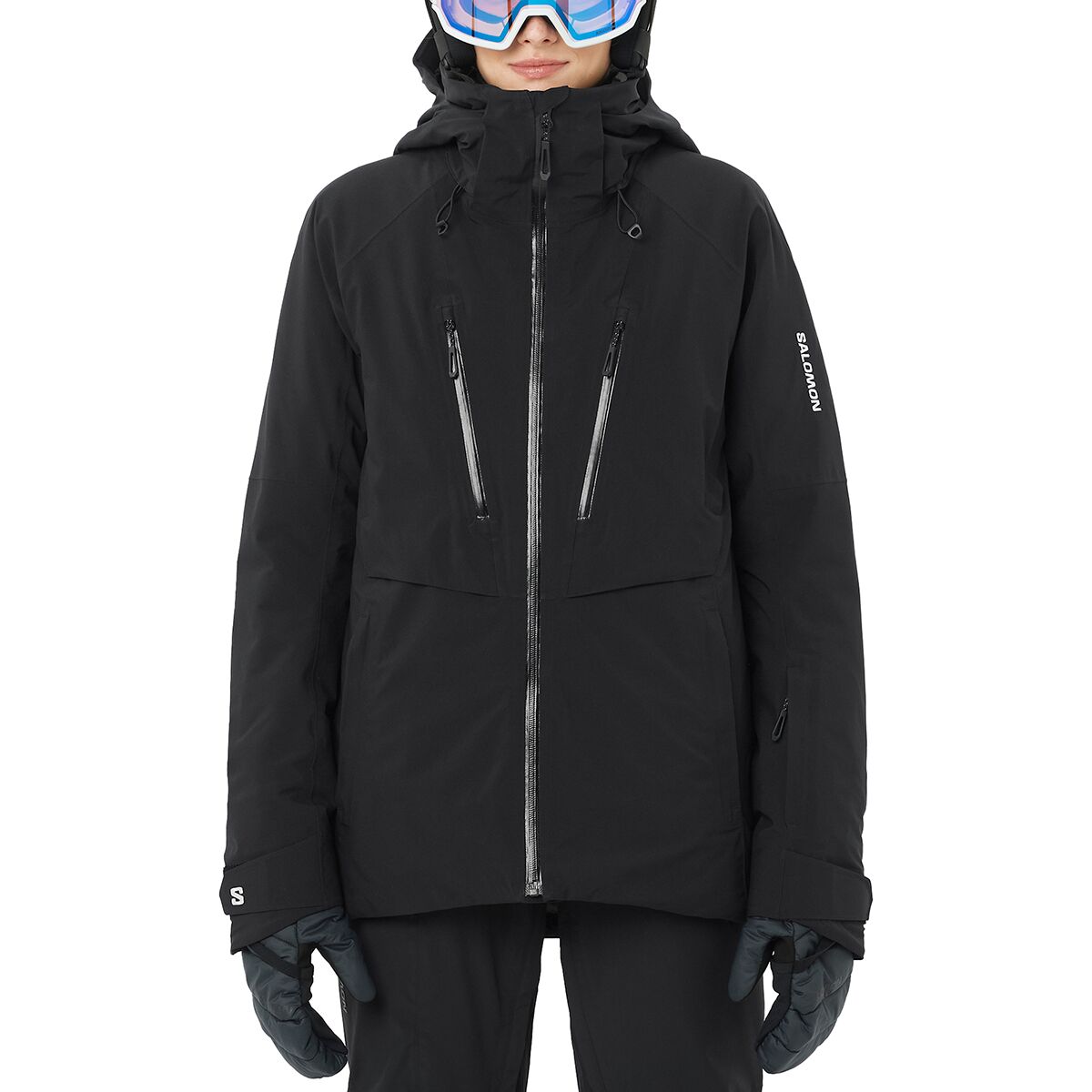 Salomon Women's Ski Jackets
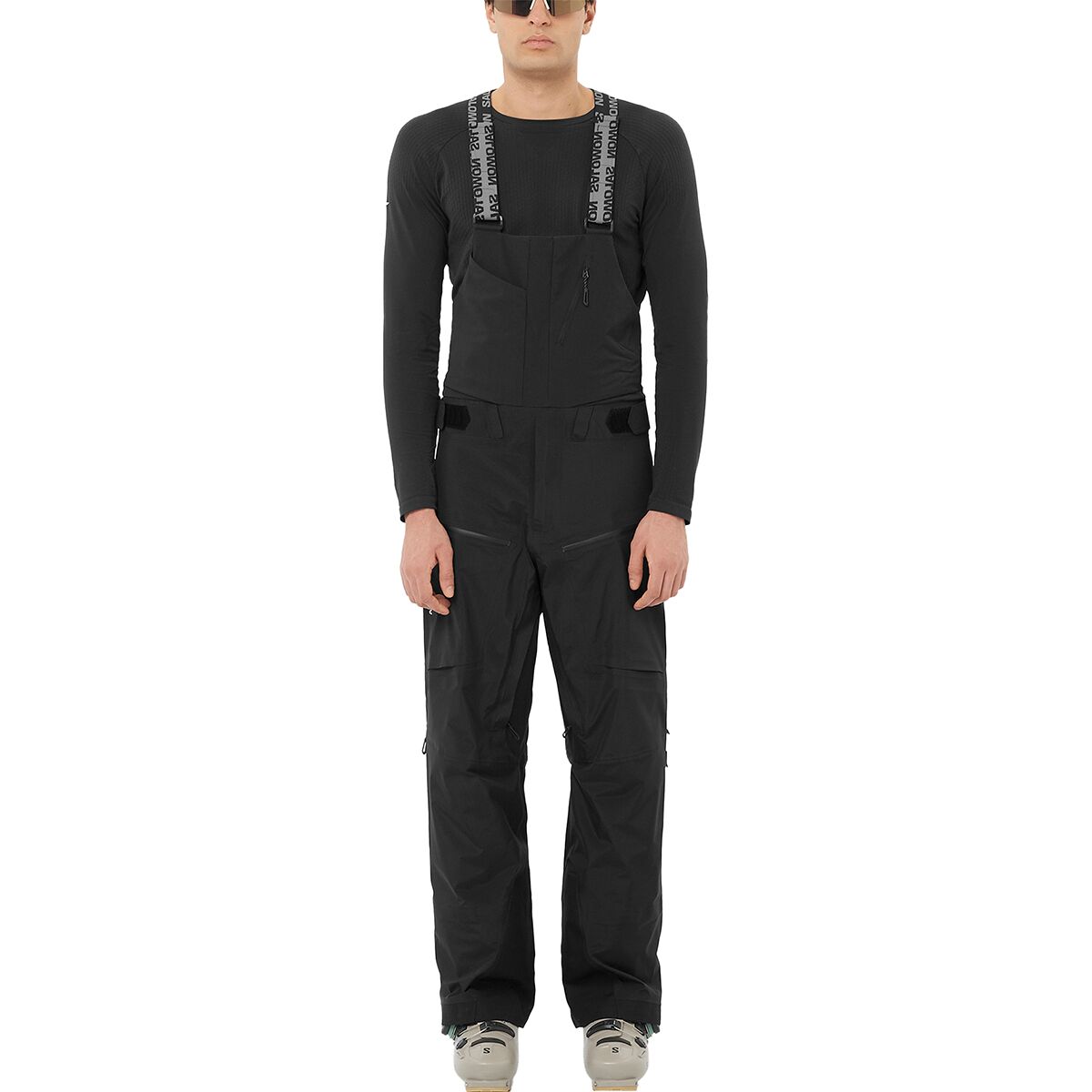 Salomon Men's Ski Pants & Bibs
 Salomon Women's Ski Pants & Bibs
 Salomon Men's Ski & Snowboard Jackets
 Salomon Women's Ski & Snowboard Jackets
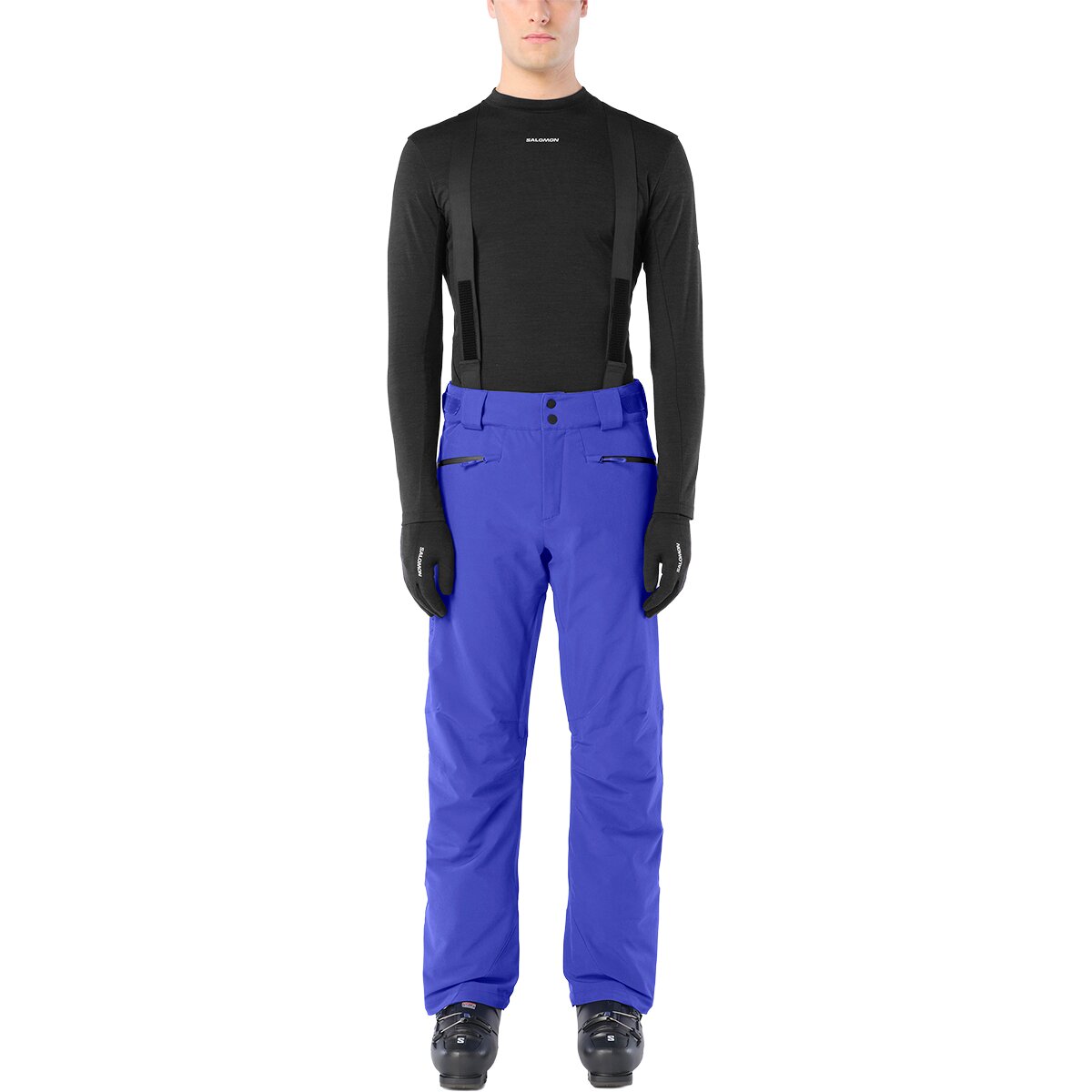 Salomon Men's Ski & Snowboard Pants
 Salomon Women's Ski & Snowboard Pants
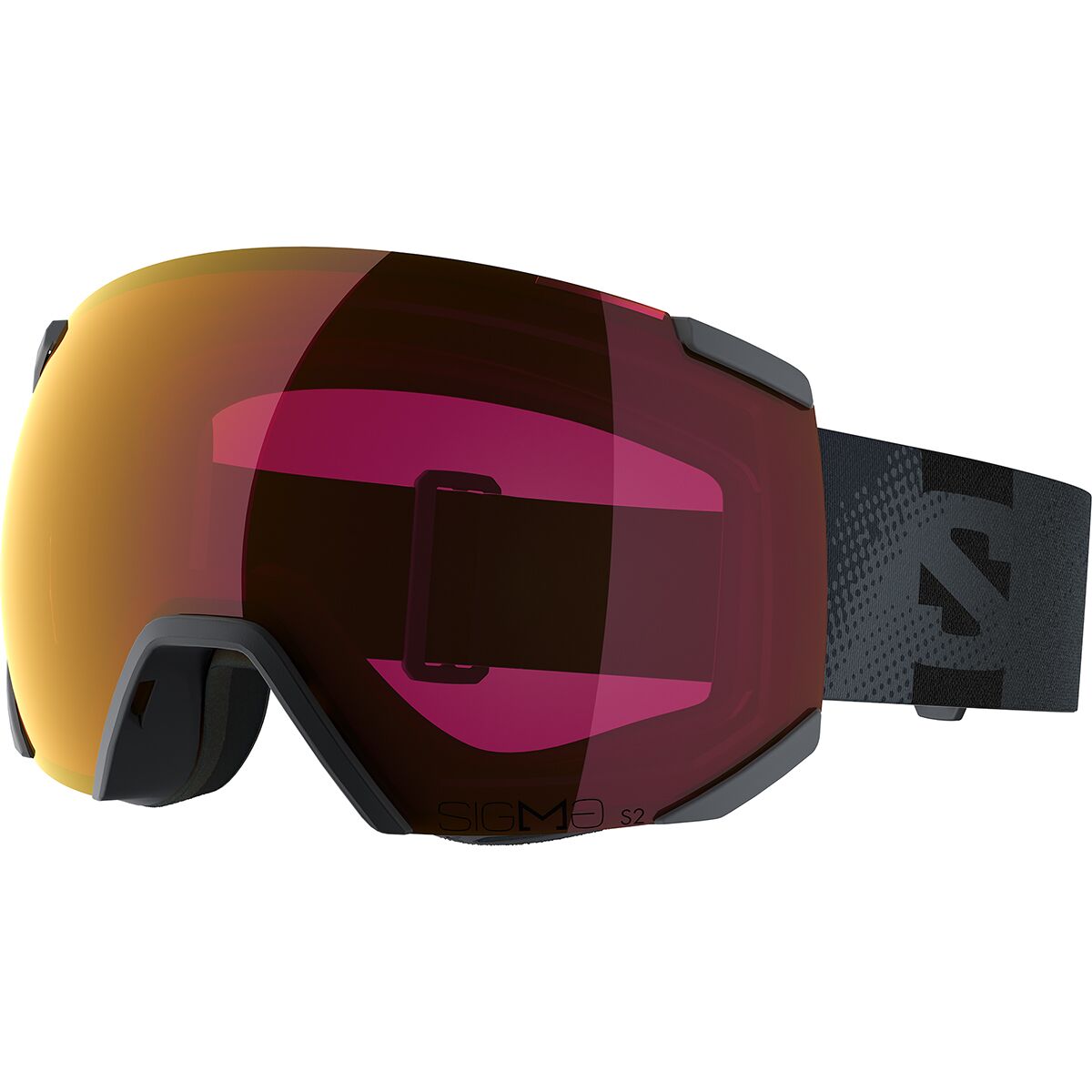 Salomon Goggles
 Salomon Snowboard Helmets
Frequently Asked Questions
What design features give the Salomon QST 94 its versatility in mixed snow and variable terrain?
The QST 94 pairs a lightweight poplar wood core with fiberglass and basalt reinforcements plus cork inserts in the tip and tail to damp vibrations while remaining lively. A deep tip rocker, camber underfoot and a slightly set-back factory mount (-9.6 cm on many lengths) help it float in softer snow yet remain agile in trees and chopped-up conditions.How does the MTN Summit 79 differ from the QST 94 for backcountry touring and hard-snow performance?
The MTN Summit 79 is built for uphill efficiency and precision with a karuba wood core and monocoque carbon construction that keeps weight low (roughly 975–1,045 g per ski in common lengths) and torsional stiffness high for edge hold on hard snow. The QST 94 is heavier (around 1,810–1,931 g per ski) and tuned for playful all‑mountain performance and flotation, so it sacrifices some uphill efficiency compared with the MTN Summit.Should I pick the QST 94 or QST 106 for skiing tight trees and occasional powder days?
Choose the QST 94 for tighter trees and mixed conditions—its 94 mm waist and quicker sidecut make it easier to pivot and manage in confined terrain. Opt for the QST 106 if you prioritize float on deeper powder and want a wider platform at speed, accepting that it will be a bit less nimble in tight, technical zones.How should I size Salomon all‑mountain skis like the QST series based on ability and terrain?
For intermediate skiers on mixed terrain, aim for ski length around chin to forehead height for easier turn initiation and maneuverability; advanced skiers who favor stability at speed and better flotation should size toward forehead to slightly above head height. If you plan significant touring, consider shortening length for reduced swing weight and easier skinning, but avoid cutting too short or you’ll lose high-speed stability.Are S/Lab Shift MNC bindings a good choice if I want one setup for both resort descents and backcountry approaches?
Yes, S/Lab Shift MNC is a multi‑norm (MNC) hybrid that accepts alpine (ISO 5355) and many touring boot soles, allowing true uphill touring with a pin-mode and a downhill DIN-mode for strong alpine-style retention. They weigh more than lightweight tech bindings and are heavier on the skintrack, but they offer superior downhill performance compared to most dedicated tech bindings, making them a good compromise for frequent resort-to-backcountry users.