


Up To 20% Off Full-Price Items
Shop now
EXTRA 20% Off Clearance
Shop now | Ends 11/9
Get An EXTRA $50 Cash Back*
Summit+ exclusive
Sage
18 results


Sage
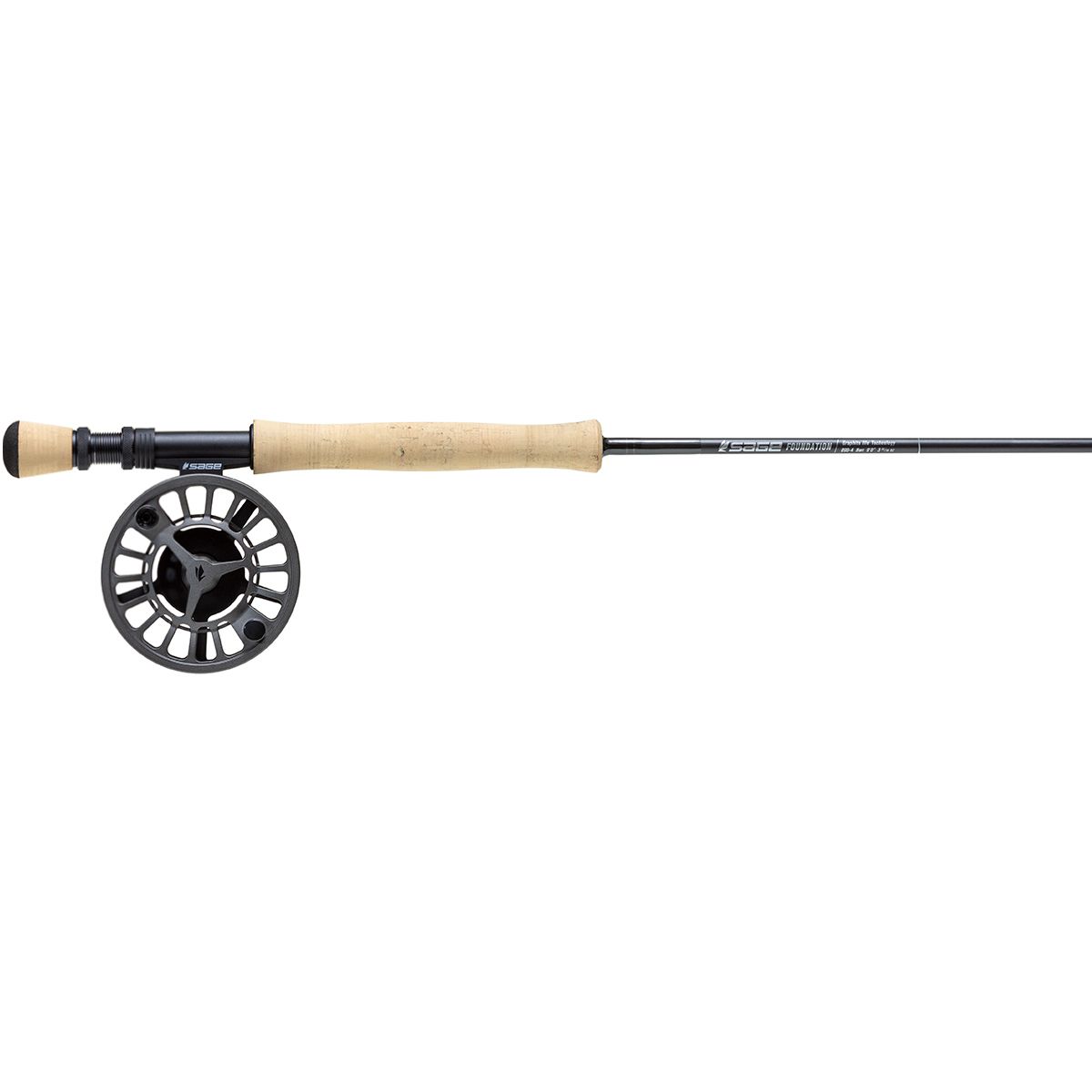
Foundation Outfit
1 color
$775.00
10% Cashback Eligible

Sage
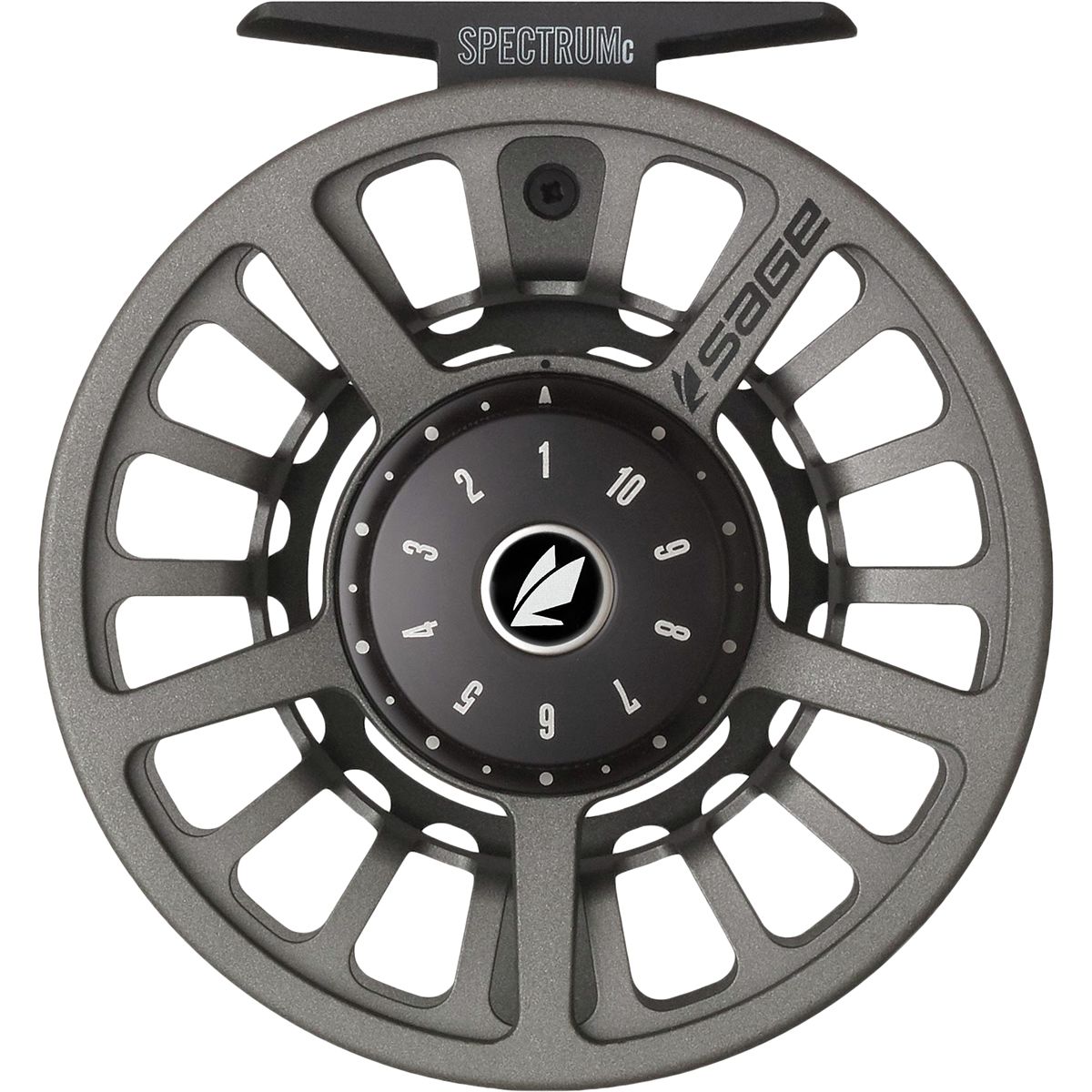
Spectrum C Fly Reel
2 colors
Current price: $150.00 Original price: $200.00
25% off
Extra 20% Off Clearance | Ends 11/9

Sage
R8 Fly Rod
1 color
$1,100.00
10% Cashback Eligible
(2)

Sage
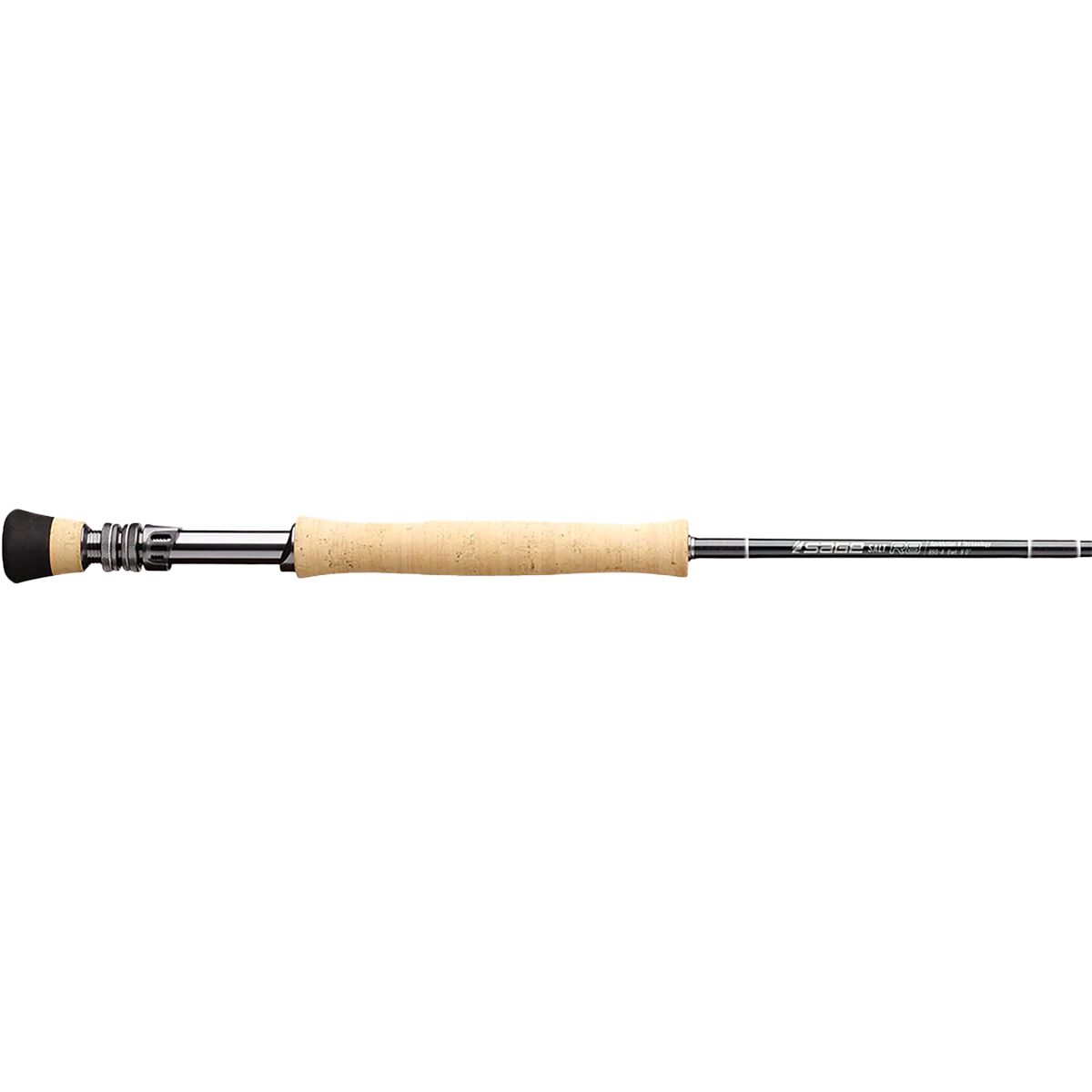
Salt R8 Rod - 4 Piece
1 color
$1,150.00
10% Cashback Eligible

Sage
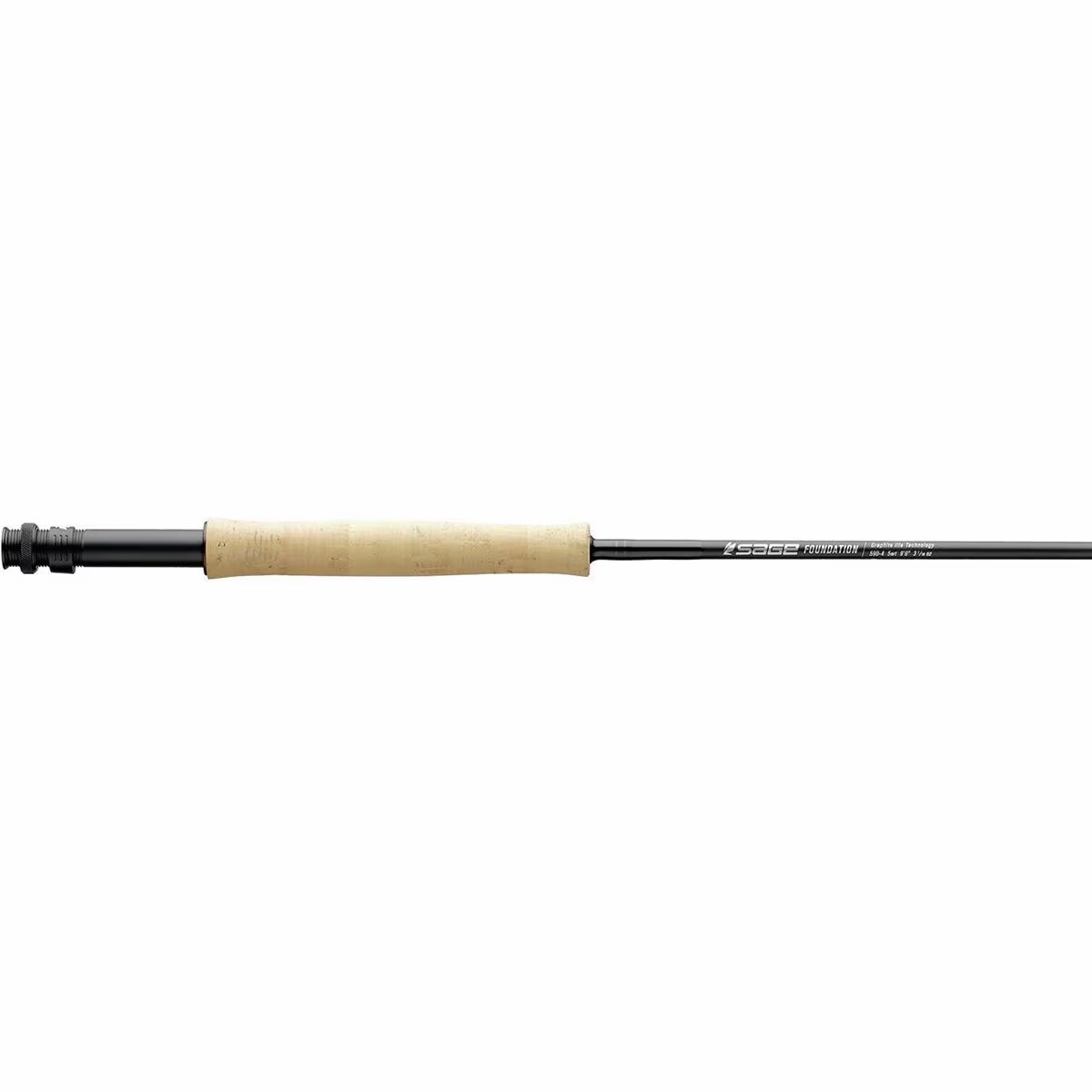
Foundation Rod
2 colors
$550.00
10% Cashback Eligible

Sage
ARROW Fly Rod
1 color
$725.00
10% Cashback Eligible

Sage
Trout Fly Reel
2 colors
$425.00
10% Cashback Eligible
(1)

Sage
ESN Fly Reel
2 colors
$500.00
10% Cashback Eligible

Sage
Ballistic Rod Bulk Tube - 4 Piece
1 color
$80.00 - $90.00

Sage
SHIFT Fly Reel
2 colors
$330.00 - $360.00

Sage
SHIFT LT Fly Reel
2 colors
$430.00 - $460.00
10% Cashback Eligible

Sage
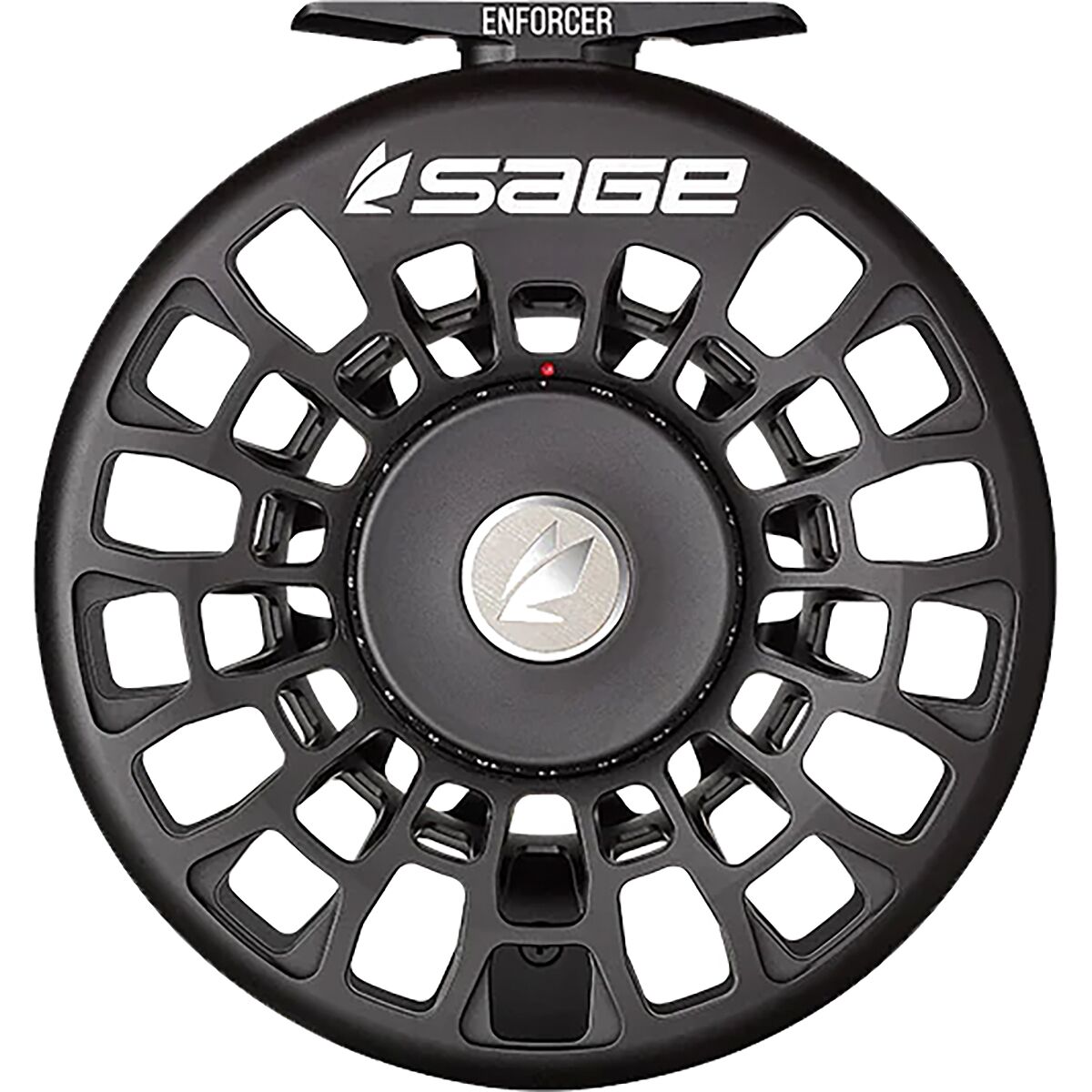
Enforcer Fly Reel
3 colors
$450.00 - $600.00
Up to 25% off
Extra 20% Off Clearance | Ends 11/9

Sage
Arbor XL Fly Reel
2 colors
$450.00
10% Cashback Eligible

Sage
Trout Spey Reel
1 color
$450.00
10% Cashback Eligible

Sage
Dart Fly Rod - 3-Piece
1 color
Current price: $675.00 Original price: $900.00
25% off
Extra 20% Off Clearance | Ends 11/9

Sage
ESN Fly Rod - 4 Piece
1 color
$1,000.00
10% Cashback Eligible

Sage
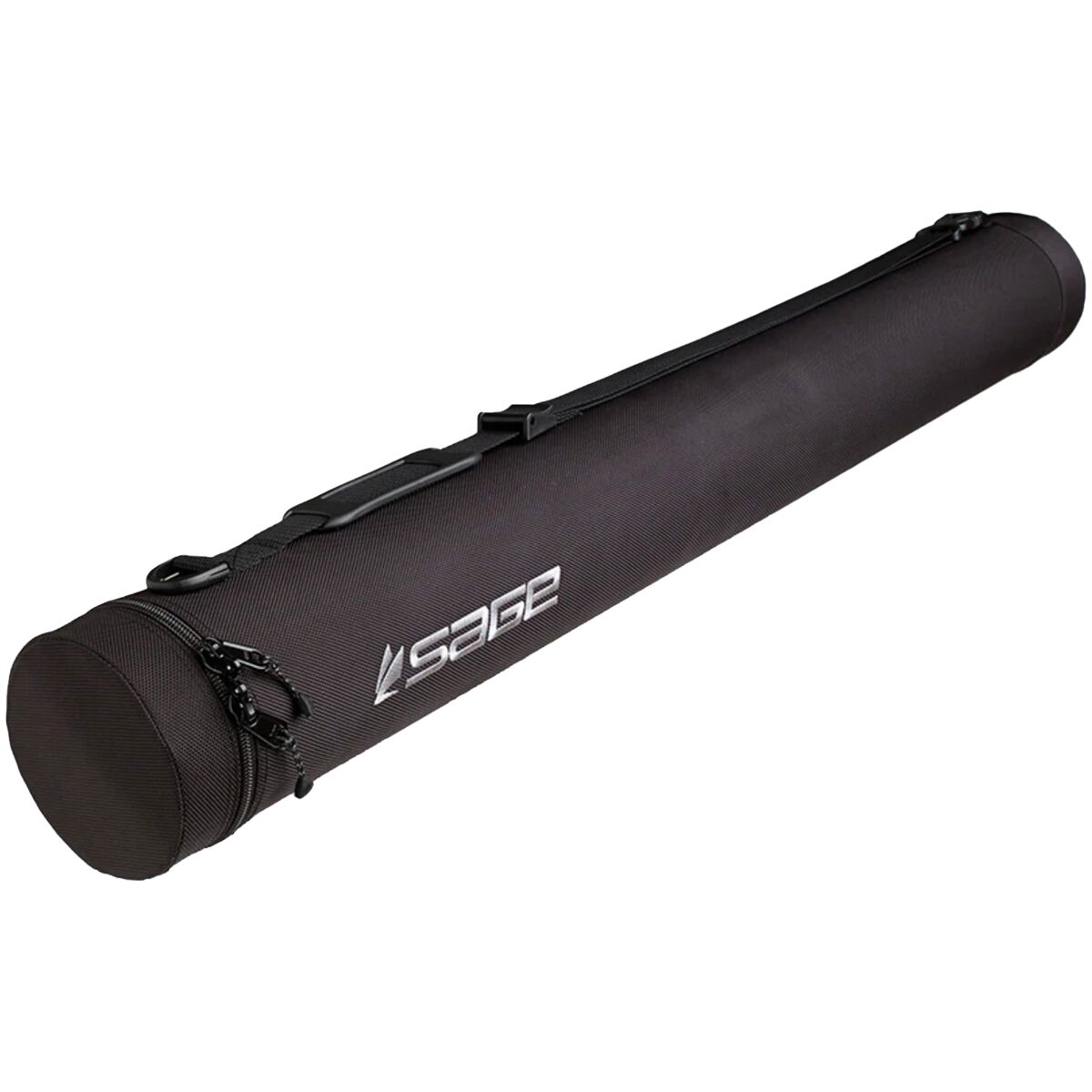
Double Ballistic Rod Case
1 color
$105.00

Sage
Click Fly Reel
2 colors
$330.00
(2)
Related Categories
Frequently Asked Questions
What makes Sage fly rods different from other fly‑rod brands?
Sage pairs proprietary Konnetic Technology with carefully engineered carbon fiber layups and precision tapers to deliver a blend of smooth casting, sensitivity, and backbone across its line, emphasizing performance tuned for specific fishery demands. Their design philosophy focuses on matching blank behavior to intended techniques so anglers get predictable load, recovery, and feel.Where are Sage rods designed and built?
Sage designs and engineers its rods on Bainbridge Island, Washington, with final assembly and quality control performed in the U.S. to maintain tight tolerances and consistent action from blank to finished rod. This local engineering focus supports rapid prototyping and refinement of tapers and actions.What kinds of fishing do Sage rods cover?
Sage produces rods that span delicate dry‑fly and nymph work for small trout up through heavy saltwater and spey rods for big-game species, covering techniques like tight‑line nymphing, streamer fishing, and long‑distance saltwater casting. Models are offered in a range of weights and actions so anglers can choose equipment matched to species, water, and presentation needs.How does Konnetic HD compare to Sage’s original Konnetic Technology?
Konnetic HD builds on the original Konnetic platform by adding higher‑density fiber placement and reinforcement in key areas, increasing load capacity and stability for larger flies, heavier lines, and demanding saltwater or steelhead duty. It preserves the smoothness and sensitivity that Konnetic is known for while delivering more powerful recovery and tighter tracking under heavy loads.How do I choose the right Sage rod action and weight for my skill level and water type?
Match rod weight to target fish and typical flies—3–5wt for small‑stream trout and delicate presentations, 5–8wt for general trout and bass work, and 8–12wt for large saltwater or heavy‑line applications—and choose a shorter, softer action for tight quarters or delicate mends versus a longer, faster action for long casts and stability in wind. If you’re unsure, test rods in person or consult published rod charts to align line weight, taper, and action with your technique and local waters.