


Up To 20% Off Full-Price Items
Shop now
EXTRA 20% Off Clearance
Shop now | Ends 11/9
Get An EXTRA $50 Cash Back*
Summit+ exclusive
RockyMounts Paddle
9 results

RockyMounts
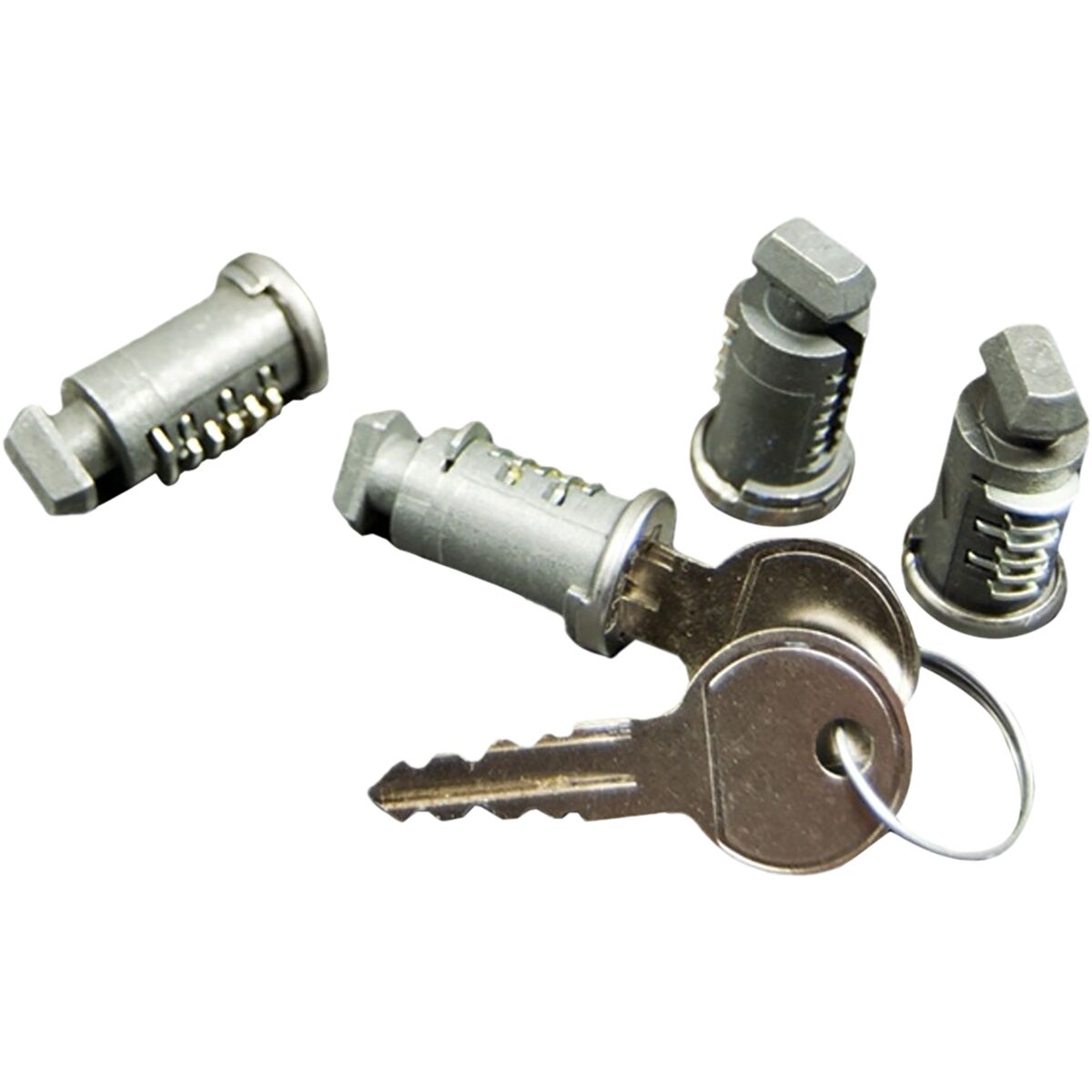
Lock Cores - 2-Pack
1 color
$49.99

RockyMounts
Wheel Tray Left Assembly - GuideRail/AfterParty
1 color
$214.00

RockyMounts
Wheel Tray Assembly GuideRail/AfterParty
1 color
$191.00

RockyMounts
Inner Wheel Tray - MonoRail/BackStage
1 color
$95.00

RockyMounts
HighNoon FC Wheel Tray
1 color
$81.00 - $84.00

RockyMounts
GigaWatt Wheel Tray
1 color
$169.00

RockyMounts
GigaWatt Hitch Base
1 color
$150.00

RockyMounts
GigaWatt Frame Platform
1 color
$228.00

RockyMounts
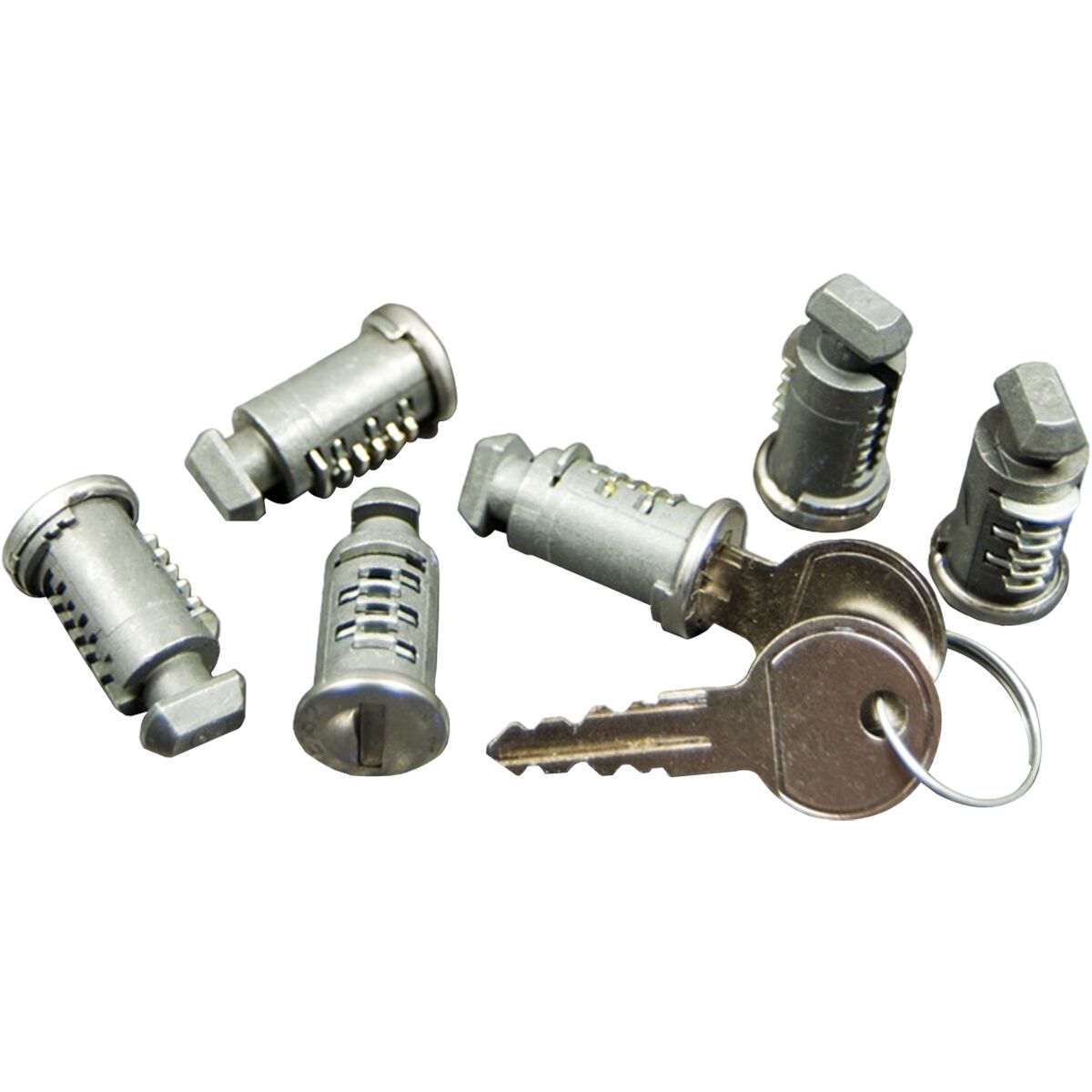
Lock Cores - 6-Pack
1 color
$59.99
Related Categories
Frequently Asked Questions
How do I choose the right paddle length for my kayak or stand-up paddleboard (SUP)?
Paddle length depends on your height, vessel width, and paddling style: taller paddlers and wider kayaks/SUPs need longer shafts, while narrower touring kayaks and more aggressive stroke angles use shorter paddles. For sit-on-top kayaks and SUPs add 4–6 inches to kayak sizing; for sit-in kayaks use a length based on your torso height and the cockpit width, or follow manufacturer sizing charts when available.What are the trade-offs between carbon, fiberglass, and aluminum paddle shafts?
Carbon shafts are the lightest and stiffest, maximizing power transfer and reducing fatigue for long paddles; fiberglass offers a middle ground of weight, durability, and cost; aluminum is the heaviest and most durable but transmits more vibration and can tire paddlers faster. Choose carbon for touring or racing, fiberglass for versatile all-around use, and aluminum for casual rental or budget setups.How does a wing blade compare to a flat or dihedral touring blade for different paddling styles?
Wing blades generate more forward lift and efficiency per stroke, making them ideal for racing and long-distance touring where forward speed and catch consistency matter. Flat or dihedral blades offer smoother, more forgiving strokes with better control at low angles, which benefits recreational paddling and technical conditions; dihedral channels water to reduce flutter.Should I get a two-piece, three-piece, or adjustable-length paddle for travel and versatility?
Two-piece paddles with a fixed ferrule are compact and stiff, a good balance for travel and performance, while three-piece paddles fold smaller for checked luggage but may sacrifice stiffness. Adjustable-length paddles let couples/share or switch between kayaking and SUP, though they can be slightly heavier and less stiff than fixed-shaft designs. Choose based on how small you need the paddle to pack and how important shaft stiffness is for your paddling.How do I match blade shape and surface area to my skill level and typical water conditions?
Smaller, narrower blades (lower surface area) are best for beginners and long-distance paddling because they require less force per stroke and reduce shoulder strain, improving endurance. Larger, broader blades deliver more power per stroke for whitewater, surf, or short, powerful bursts; intermediate paddlers often prefer mid-sized blades to balance efficiency and power.