


Up To 20% Off Full-Price Items
Shop now
EXTRA 20% Off Clearance
Shop now | Ends 11/9
Get An EXTRA $50 Cash Back*
Summit+ exclusive
Quiksilver Surf
10 results

Quiksilver
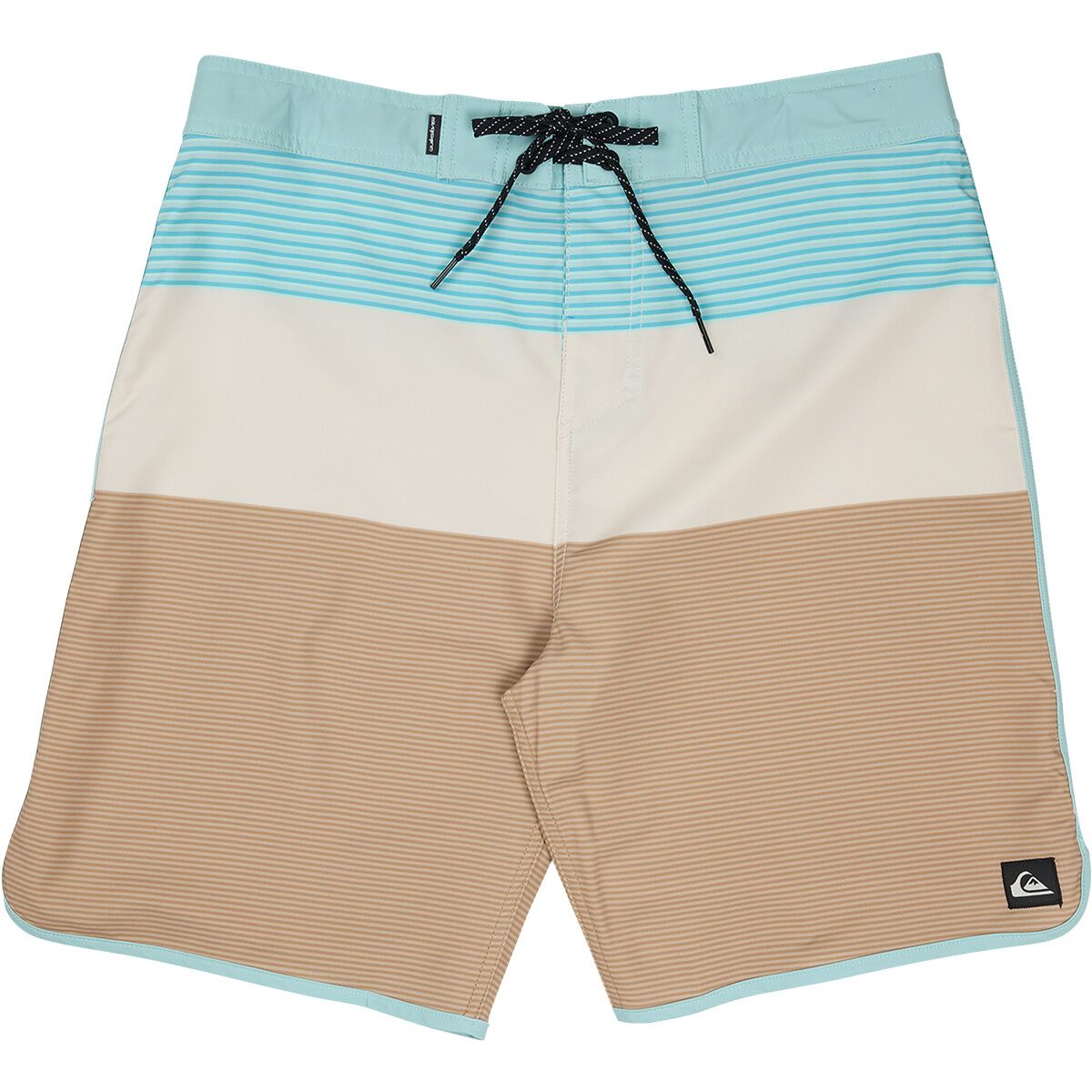
Taxer Amphibian 18 Short - Men's
3 colors
Current price: $32.37 - $37.76 Original price: $53.95
Up to 40% off
Winter Sale
(1)

Quiksilver
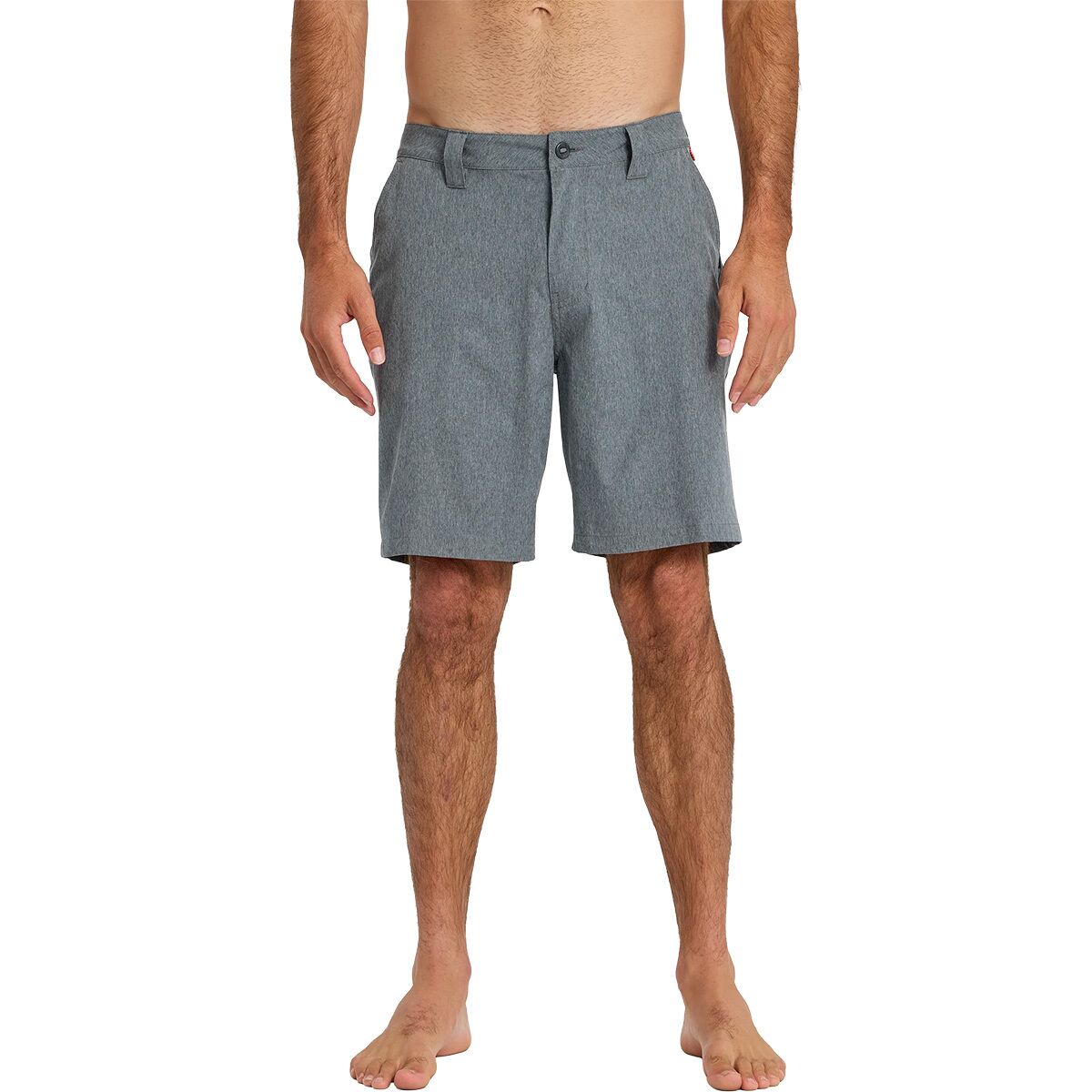
Union Heather Amphibian 20 Short - Men's
3 colors
Current price: $37.17 - $43.36 Original price: $61.95
Up to 40% off
Extra 20% Off Clearance | Ends 11/9

Quiksilver
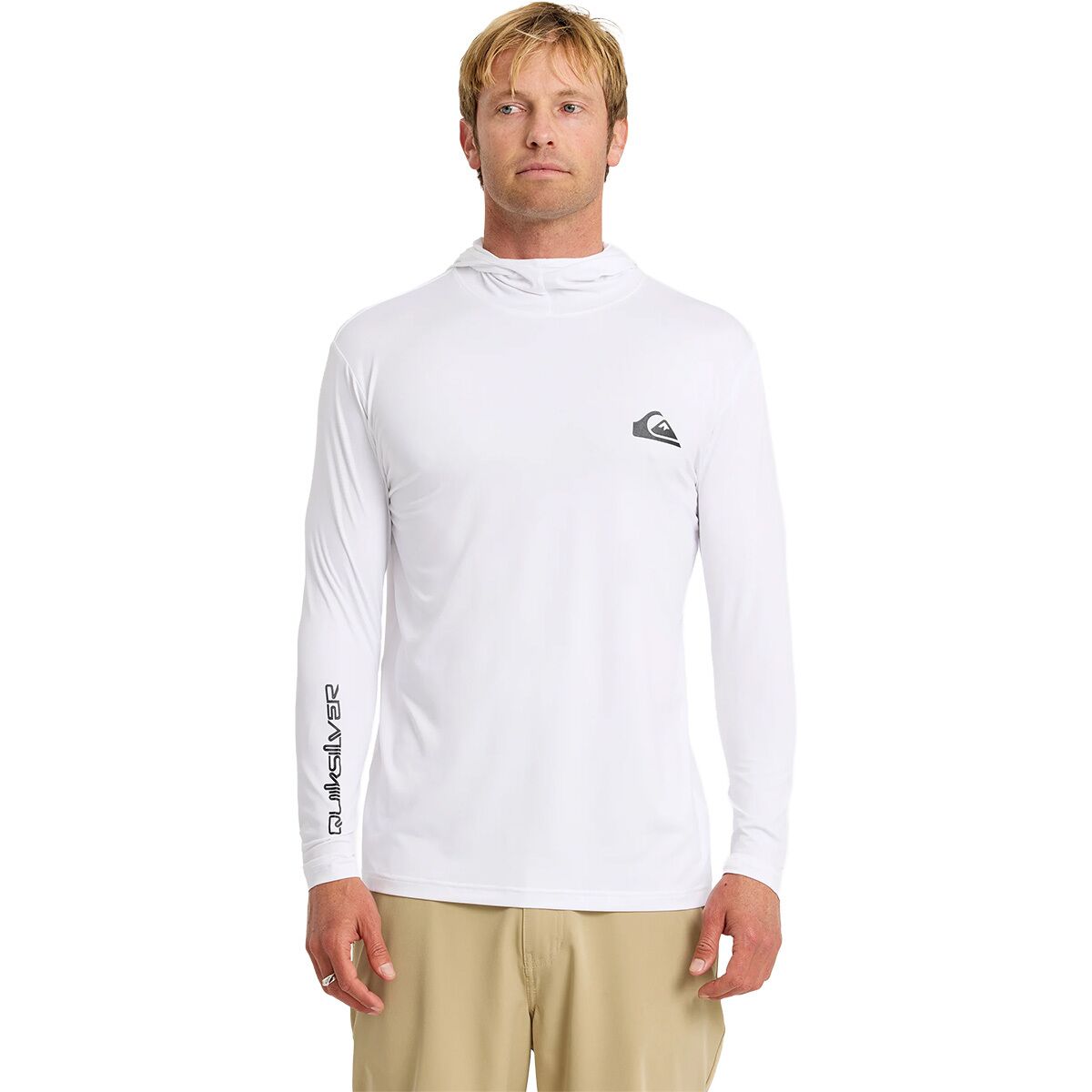
Everyday Surf HD Hoodie - Men's
1 color
Current price: $35.37 Original price: $58.95
40% off
Winter Sale
(1)

Quiksilver
Surfsilk Tijuana 19 Board Short - Men's
3 colors
Current price: $29.48 - $44.21 Original price: $58.95
Up to 50% off
Winter Sale

Quiksilver
DNA Logo Surf Long-Sleeve Shirt - Men's
2 colors
Current price: $29.37 - $31.82 Original price: $48.95
Up to 40% off
Winter Sale

Quiksilver
Original Straight Leg 18 Board Short - Men's
2 colors
Current price: $29.48 - $35.37 Original price: $58.95
Up to 50% off
Extra 10% Off Clearance | Ends 11/09

Quiksilver
Everyday Solid Volley 17 Short - Men's
1 color
Current price: $21.98 Original price: $43.95
50% off
Winter Sale

Quiksilver
Union Amphibian 20 Short - Men's
1 color
Current price: $37.77 Original price: $53.95
30% off
Winter Sale

Quiksilver
Surfsilk Kaimana 20 Board Short - Men's
1 color
Current price: $37.76 Original price: $53.95
30% off
Winter Sale

Quiksilver
Taxer Amphibian 18in Short - Men's
1 color
Current price: $39.20 Original price: $56.00
30% off
Winter Sale
Related Categories
Frequently Asked Questions
How do I choose the right Quiksilver wetsuit thickness for different water temperatures and activities?
Pick thickness based on water temperature and how much paddling you do: lighter options (3/2mm) work for warmer water and high-output sessions, midweight suits (4/3mm) suit cool conditions, and heavier builds (5/4/3mm or thicker accessories) are best for cold-water surfing. Also consider mobility—lines with Mega‑Stretch neoprene prioritize flexibility and paddle power, while thicker neoprene prioritizes warmth.What’s the difference between a 2‑layer and a 3‑layer shell in Quiksilver wetsuits, and when should I choose each?
A 2‑layer shell laminates outer fabric to the membrane with a looser inner lining for breathability and unrestricted movement, making it versatile for warmer or high-output surf. A 3‑layer shell bonds the membrane between outer and inner layers for lighter weight, greater durability, and reduced friction—ideal for intense, frequent sessions or colder conditions. Choose 2‑layer for comfort and range of motion, 3‑layer for durability and performance under load.How should Quiksilver boardshorts and surf tees fit for best performance in the water?
Boardshorts should fit comfortably at the waist without pinching—snug enough to stay put while allowing hip rotation and paddling; look for secure waist closures and a functional key pocket. Surf tees and rash guards should be close‑fitting to minimize drag and chafing while providing UV protection and quick‑dry performance, with stretch fabrics for full shoulder mobility.How do I pick Quiksilver neoprene accessories (boots, gloves, hoods) for different surf conditions?
Match neoprene thickness and construction to temperature and entry conditions: thinner gloves/boots (2–3mm) preserve dexterity for milder water, while thicker pieces (4–6mm) increase warmth for cold surf; hoods add significant core warmth and reduce heat loss through the head. Consider entry type—thicker, sturdier soles for rocky/pebbly beaches and low‑profile soles for sandy breaks—and prioritize anatomical fit for paddle efficiency.How should I care for Quiksilver wetsuits, boardshorts, and rash guards to extend their life?
Rinse gear thoroughly with fresh water after each use to remove salt, sand, and sunscreens, then hang wetsuits inside‑out on a wide hanger away from direct sunlight to dry; boardshorts and rash guards can be air‑dried flat or on a line. Occasionally use a neoprene shampoo for wetsuits, avoid hot dryers and bleach, and store items in a cool, dry place to prevent material breakdown.