


Up To 20% Off Full-Price Items
Shop now
EXTRA 20% Off Clearance
Shop now | Ends 11/9
Get An EXTRA $50 Cash Back*
Summit+ exclusive
Princeton Tec
3 results

Princeton Tec
Remix Headlamp
2 colors
$41.99
Discount Applies In Cart | Ends 11/16

Princeton Tec
Apex Rechargable Battery Pack
1 color
Current price: $57.39 Original price: $81.99
30% off
Winter Sale

Princeton Tec
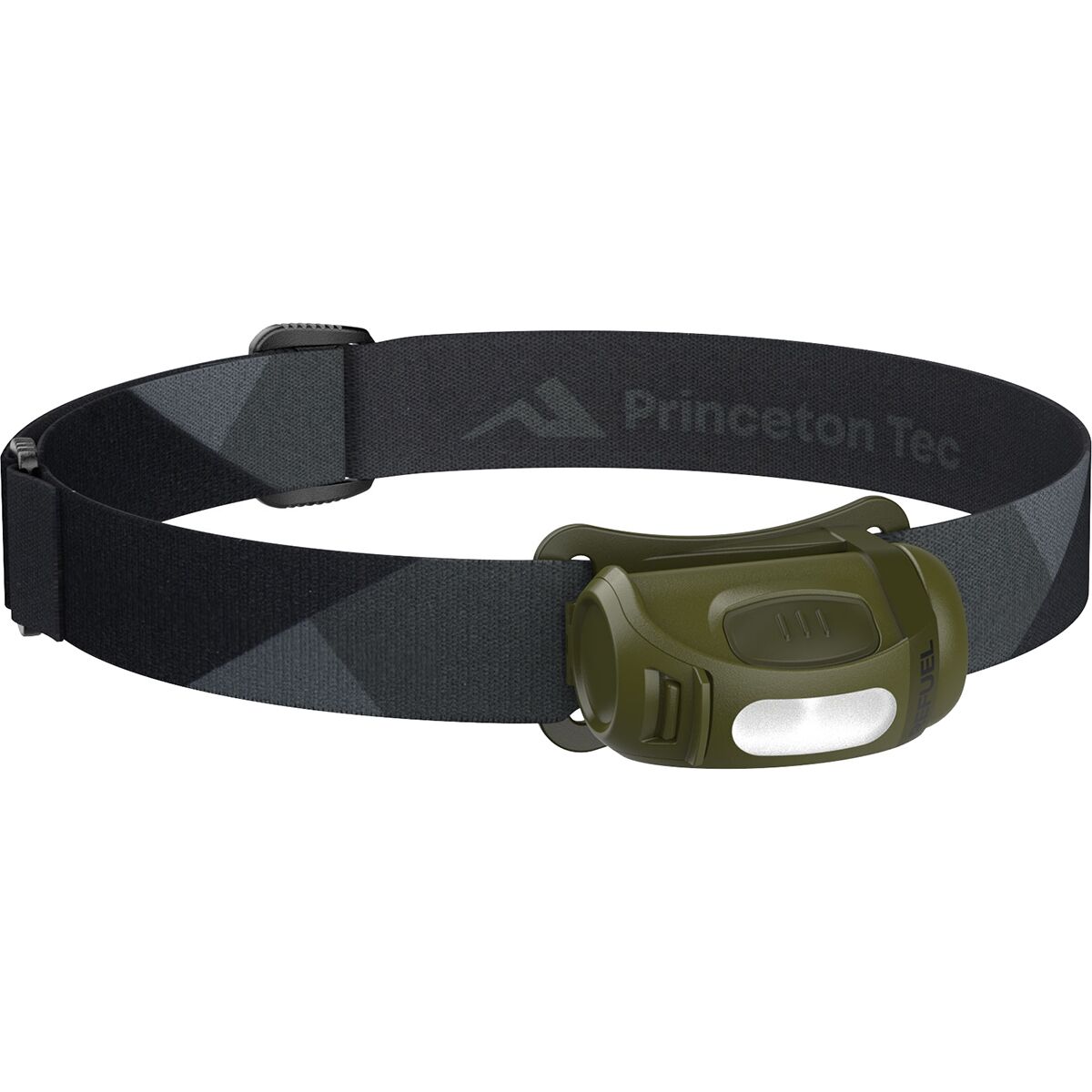
ReFuel Headlamp
1 color
$31.99
Discount Applies In Cart | Ends 11/16
Related Categories

Frequently Asked Questions
What sets Princeton Tec headlamps apart from other lighting brands?
Princeton Tec has made tactical and outdoor lighting in the USA since 1975, emphasizing durable construction, intuitive controls, and a wide performance range from ultralight models like the Byte (about 2.25 oz, ~200 lumens) to high-output units like the Apex (up to ~650 lumens) and industrial/safety-oriented lights such as the Quad Industrial. Their lineup balances regulated runtimes, multiple beam patterns (spot and flood), water resistance (IPX7/IP68 on select models), and rechargeable or dual-fuel options for diverse use cases.What proprietary technologies and features should I look for in a Princeton Tec headlamp?
Look for Charge‑X rechargeable compatibility and dual‑fuel designs that accept either batteries or internal charging, Princeton Tec’s regulated runtime systems that extend usable light at lower levels, and multi-mode outputs including red-light preservation modes. Many models also pair selectable spot/flood optics with rugged controls—large buttons and reinforced housings—to suit both outdoor adventures and work environments.Are Princeton Tec headlamps suitable for professional or industrial work?
Yes, Princeton Tec offers safety-focused options (such as UL safety-rated industrial models) and durable designs with high ingress protection (IPX7/IP68 on selected units), regulated runtime for predictable performance, and intuitive large-button controls for gloved operation. Models aimed at industry also emphasize consistent output, visible signaling modes, and robust housings to withstand demanding worksite conditions.How does Princeton Tec approach durability and environmental impact in their headlamps?
Princeton Tec’s long manufacturing history in the USA supports durable design choices—sturdy housings, sealed electronics, and serviceable battery options—that extend product life, while rechargeable systems like Charge‑X and dual‑fuel compatibility reduce disposable battery waste. Combined with high water‑resistance ratings and user‑replaceable components on many models, their approach favors longevity and lower overall environmental footprint compared with single‑use designs.