


20% Off Full-Price Items
Shop now
Up To 50% Off Winter Sale
Shop now
Get An EXTRA $50 Cash Back*
Summit+ exclusive
Outdoor Tech Travel
2 results

Outdoor Tech
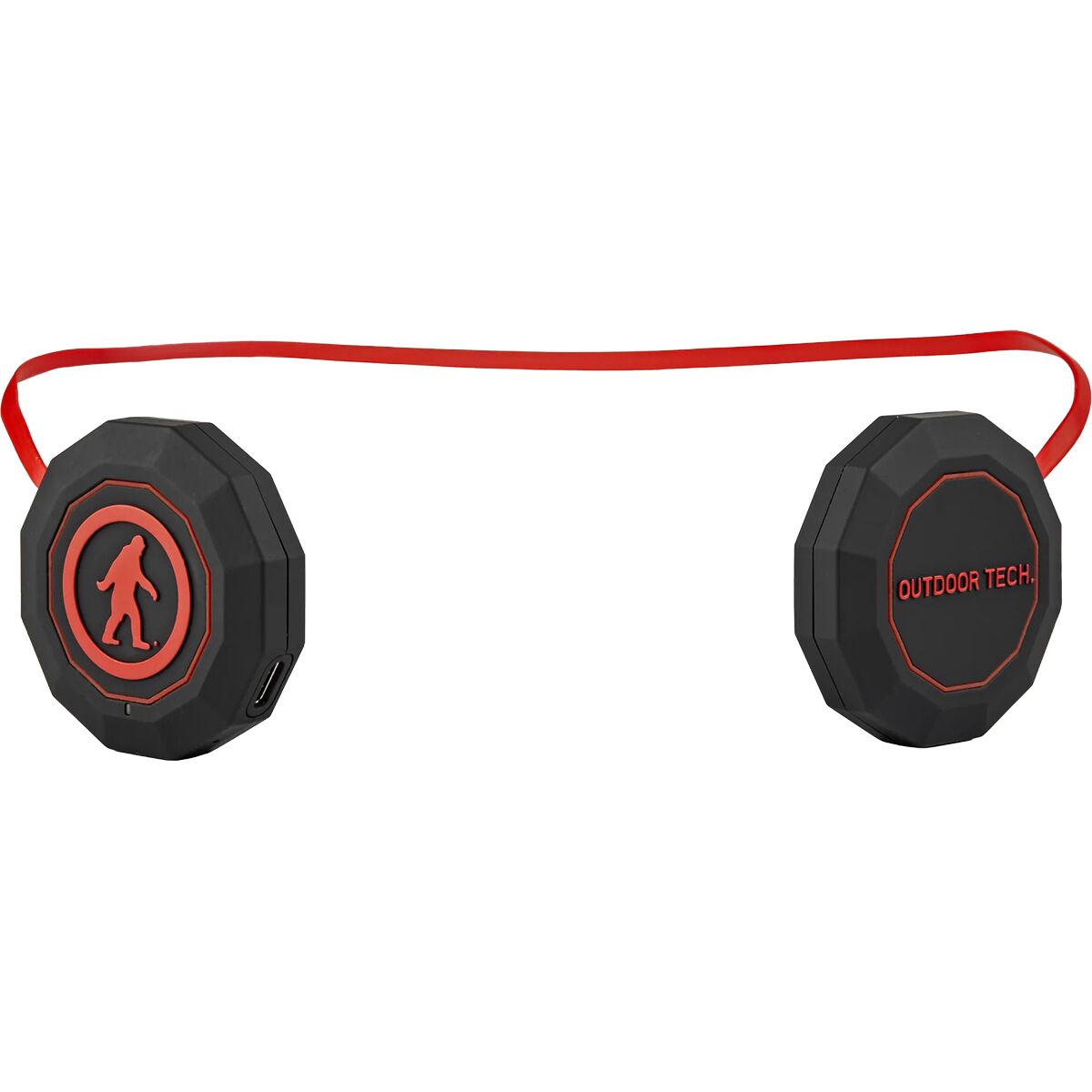
Chips Xv Headphones
1 color
$139.95
Discount Applies In Cart | Ends 11/16

Outdoor Tech
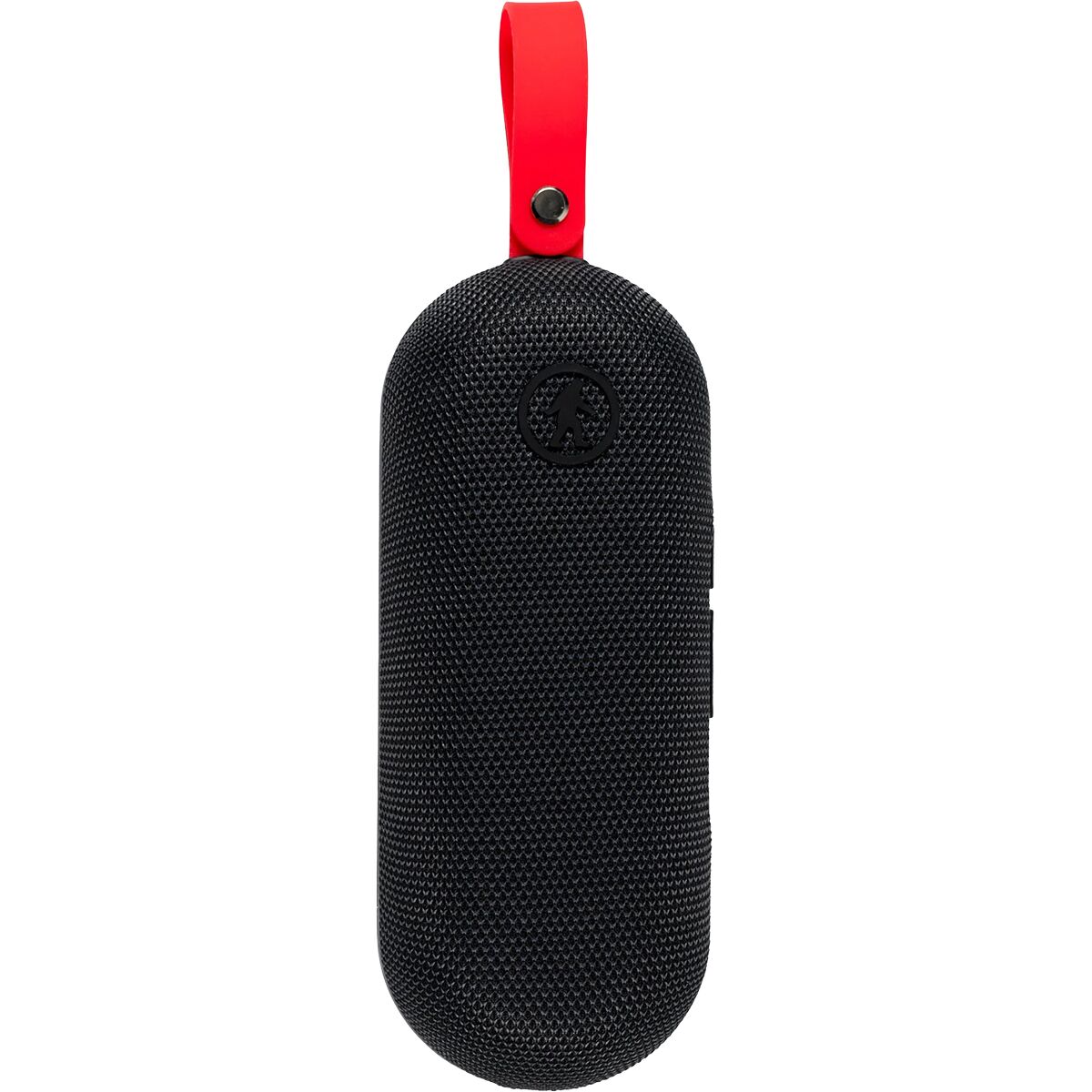
Hawk
1 color
$59.95
Discount Applies In Cart | Ends 11/16
Related Categories

Frequently Asked Questions
What size travel bag should I choose for a multi-day ski, climbing, or mixed-activity trip?
Choose capacity based on trip length and gear bulk: 30–50L backpacks work well for overnight to 2-night trail trips, while multi-day or airport-to-site travel often needs larger rollers or trunk-style bags to fit skis, boots, and helmets. Prioritize an adjustable hip belt and a supportive harness for heavy loads, and test-fit with a packed kit—keep heavy items low and centered to maintain a stable center of gravity.How does a travel backpack compare to a rolling gear bag for outdoor trips?
Backpacks (30–50L and up) provide off-trail mobility, lightweight carry, and better load transfer with hip belts and ventilated harnesses, making them ideal for approach hikes and technical terrain. Rolling gear bags and clamshell-style trunks excel for airport-to-resort travel and bulky items—look for reinforced bases, spinner or inline wheels, and telescoping handles when you need to move heavy gear without shouldering it.What materials and construction details should I look for to maximize durability and weather resistance?
Seek fabrics like ripstop nylon or Cordura with a DWR finish or PU coating, welded or taped seams, and YKK water-resistant zippers to resist abrasion and moisture. Reinforced stress points, Hypalon or bar-tack haul handles, and padded, removable dividers or boot sacks extend life and protect gear in rough handling.How should I pack skis, boots, and climbing ropes to protect them and keep the bag balanced?
Use dedicated ski/board sleeves or a clamshell trunk for skis and snowboards, pack boots in external or ventilated boot compartments, and stow ropes coiled in an internal gear pocket or compression sack to avoid tangles. Place the heaviest items low and toward the spine of a backpack or over the wheelbase of a roller, and use compression straps and padded dividers to prevent shifting.Which carry features and fit details matter most for different terrain and skill levels?
For trail and technical approaches, prioritize a contoured, adjustable harness, load-lifter straps, a padded hip belt, and breathable back panels to distribute weight over long carries; these features benefit intermediate and advanced users who carry heavier kits. For primarily vehicle-to-resort or airport travel, choose robust rollers with reinforced stitching, easy-access clamshell openings, and stowable shoulder straps so less-experienced users still get comfortable handling and transport.