


Up To 20% Off Full-Price Items
Shop now
EXTRA 20% Off Clearance
Shop now | Ends 11/9
Get An EXTRA $50 Cash Back*
Summit+ exclusive
Outdoor Research Women's Vests
2 results

Outdoor Research
Coze Hooded Down Vest - Women's
3 colors
Current price: $112.48 - $134.97 Original price: $224.95
Up to 50% off
Extra 20% Off Clearance | Ends 11/9
(2)

Outdoor Research
SuperStrand LT Vest - Women's
1 color
Current price: $74.48 Original price: $148.95
50% off
Winter Sale
(28)
Related Categories
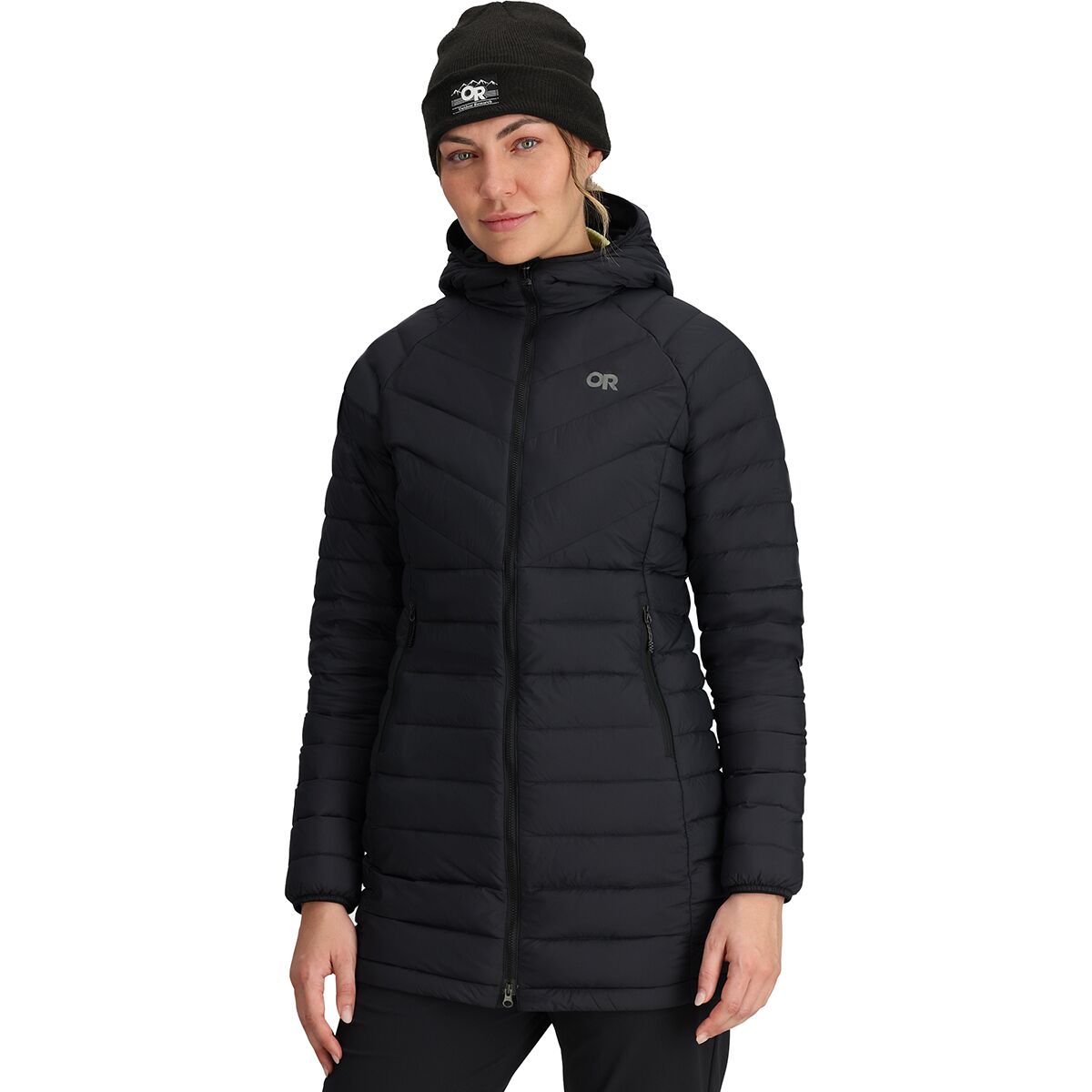 Outdoor Research Women's Down Jackets
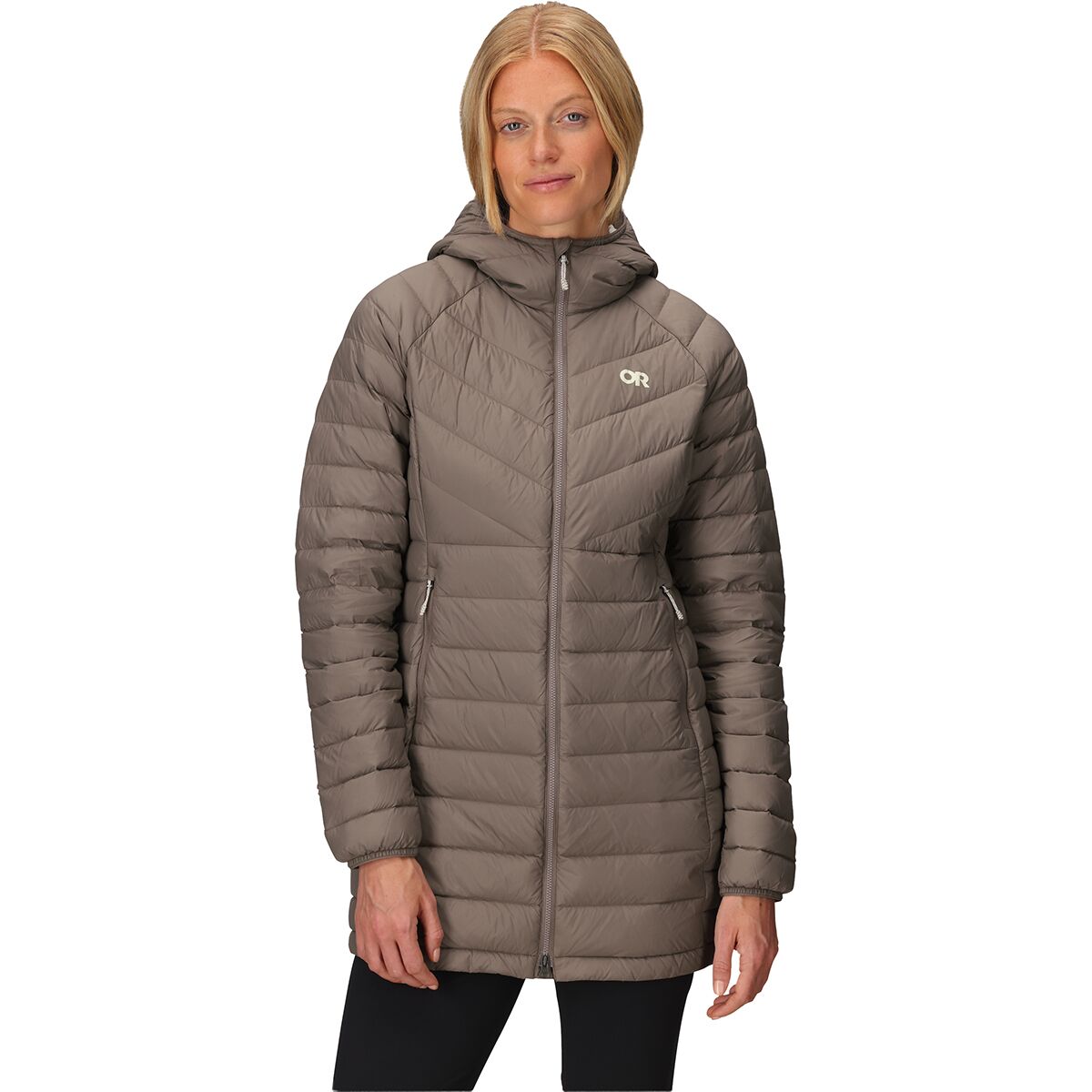 Outdoor Research Women's Insulated Jackets
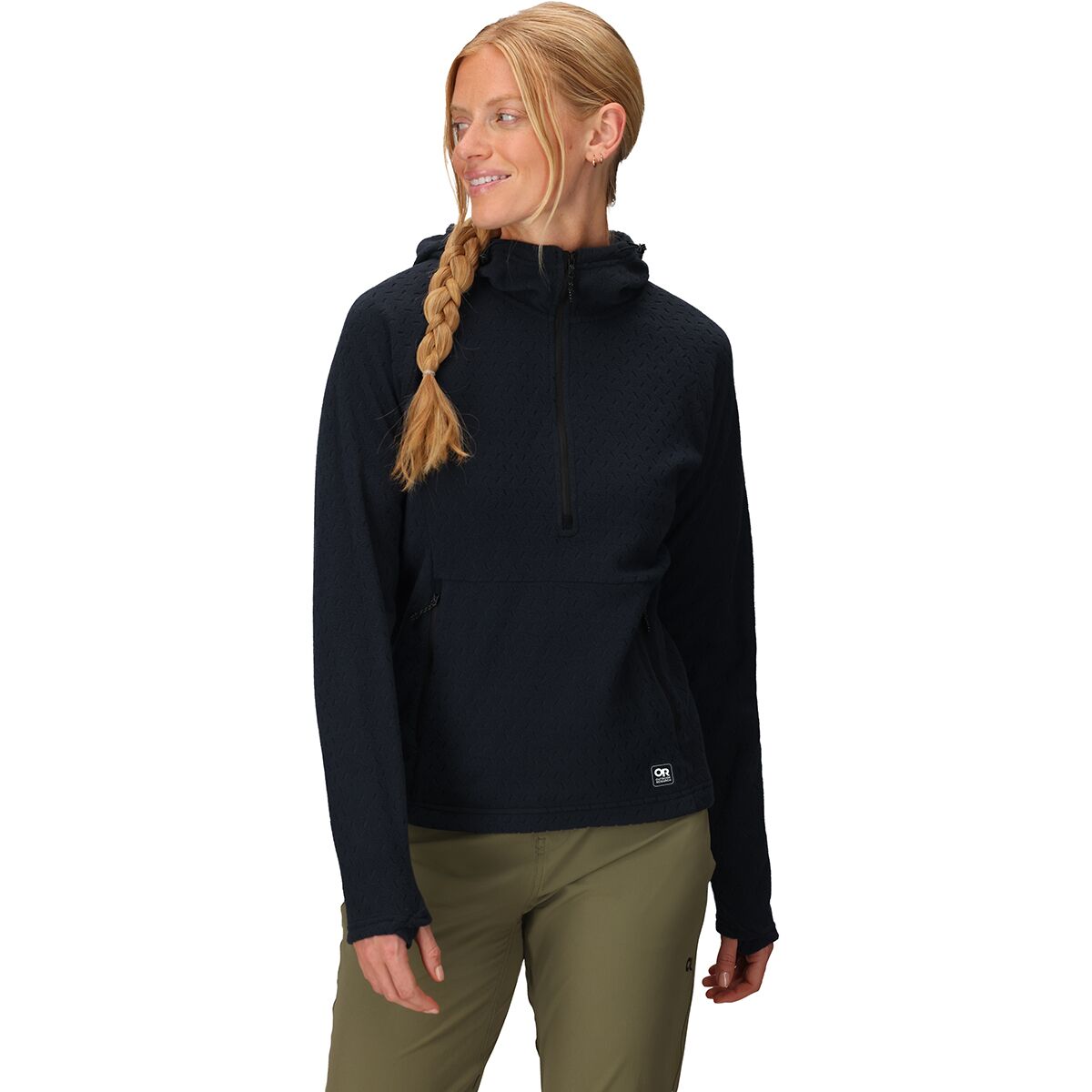 Outdoor Research Women's Fleece Jackets
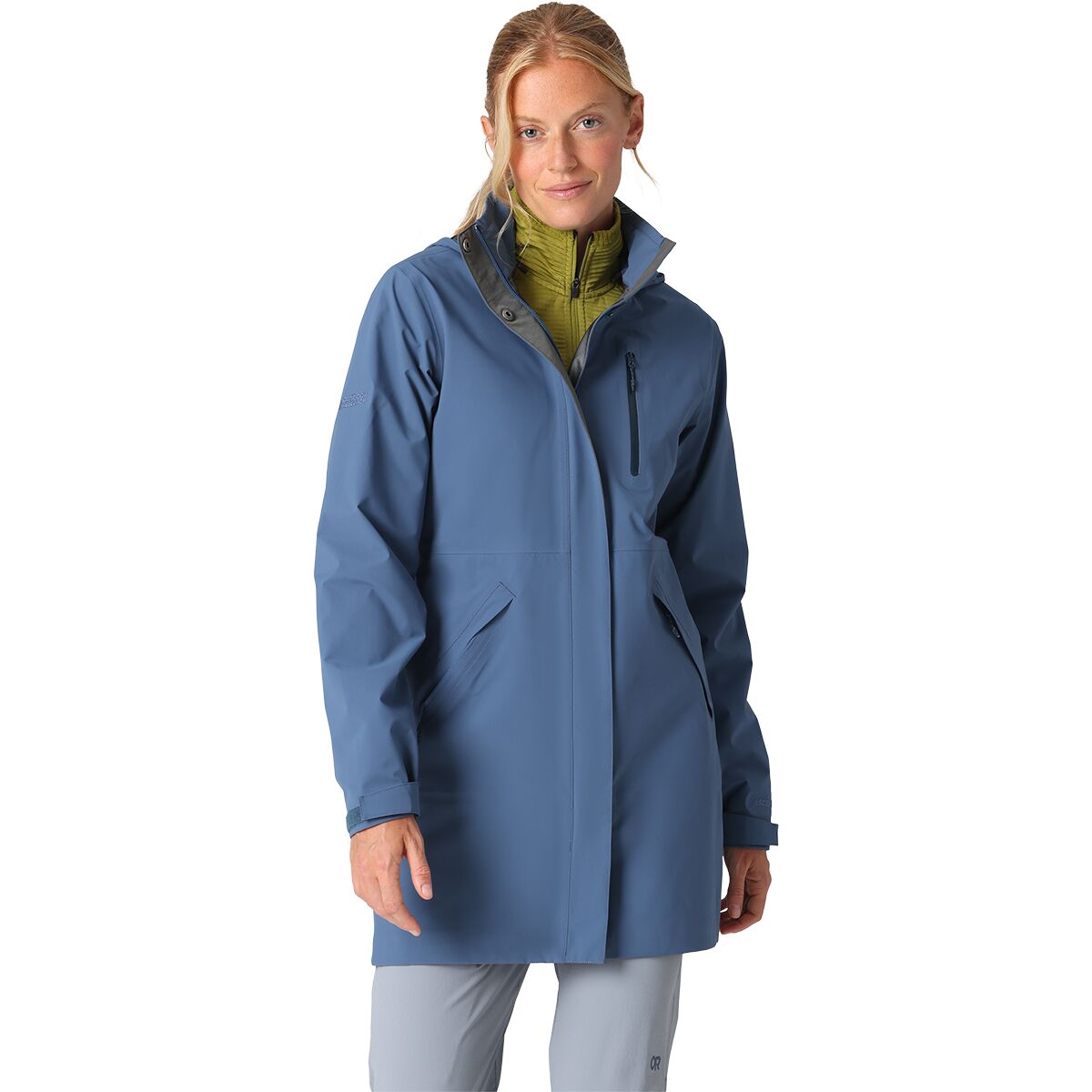 Outdoor Research Women's Rain Jackets
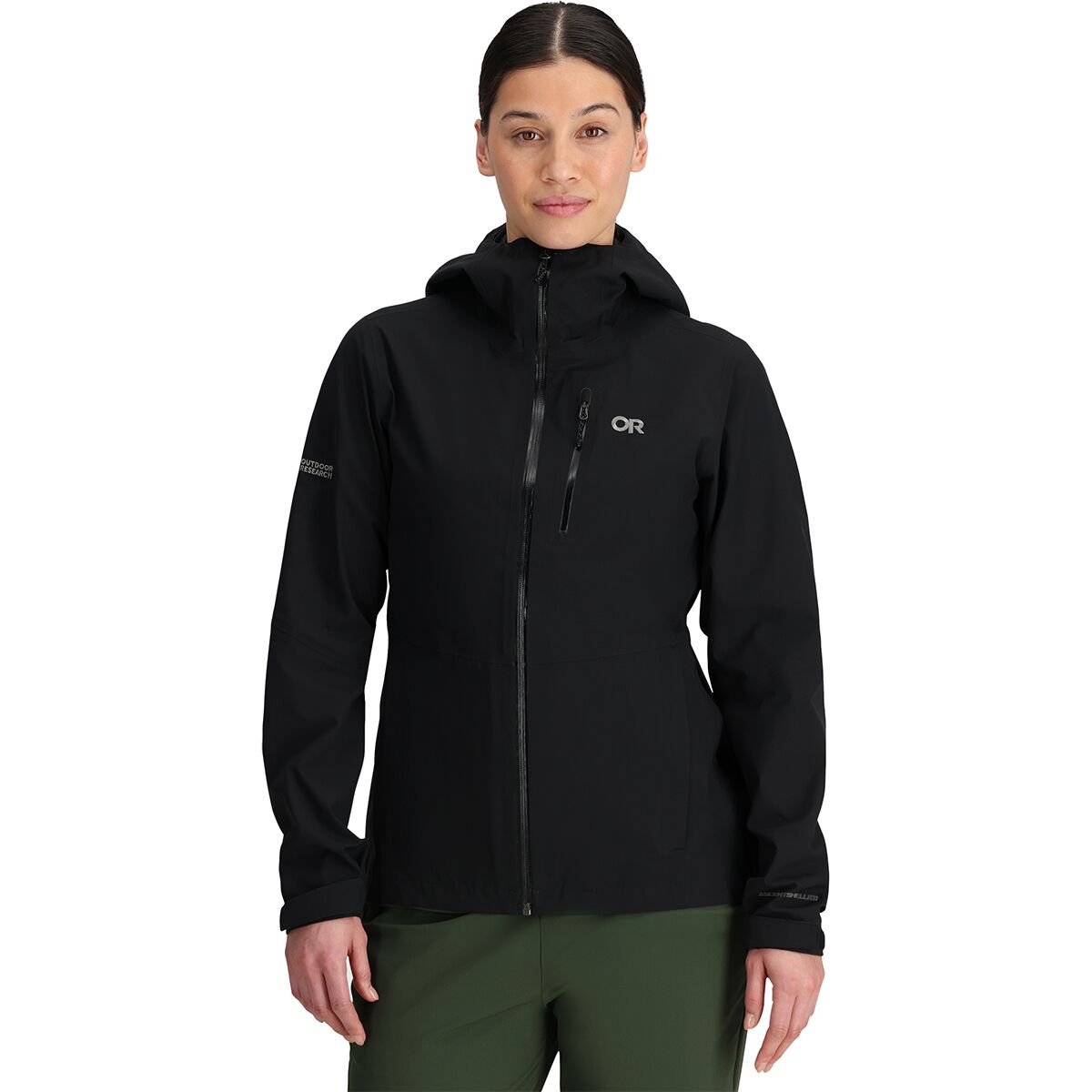 Outdoor Research Women's Rain Wind Jackets
 Outdoor Research Women's Softshell Jackets
 Outdoor Research Women's Synthetic Insulation Jackets
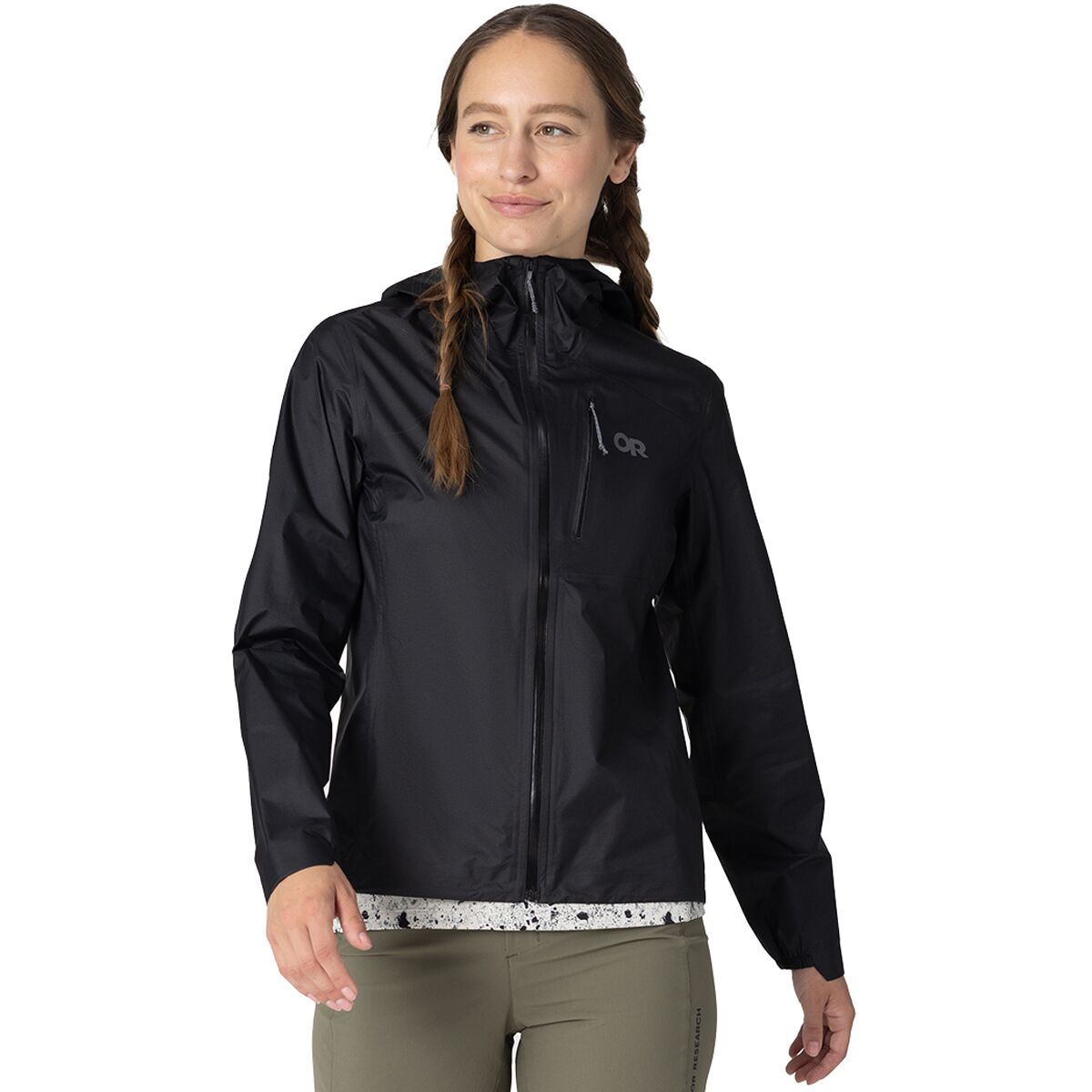 Outdoor Research Women's Technical Shell Jackets
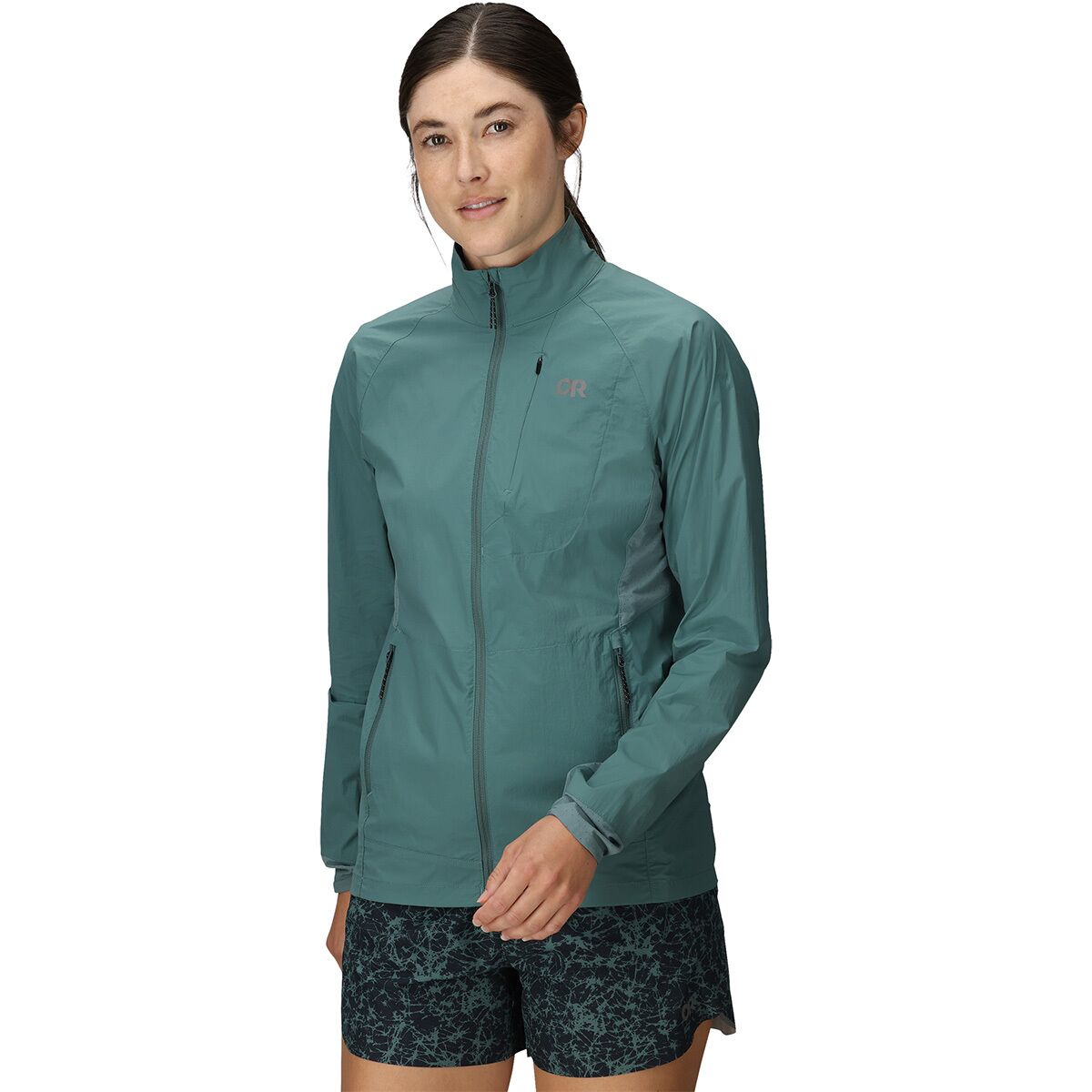 Outdoor Research Women's Wind Jackets
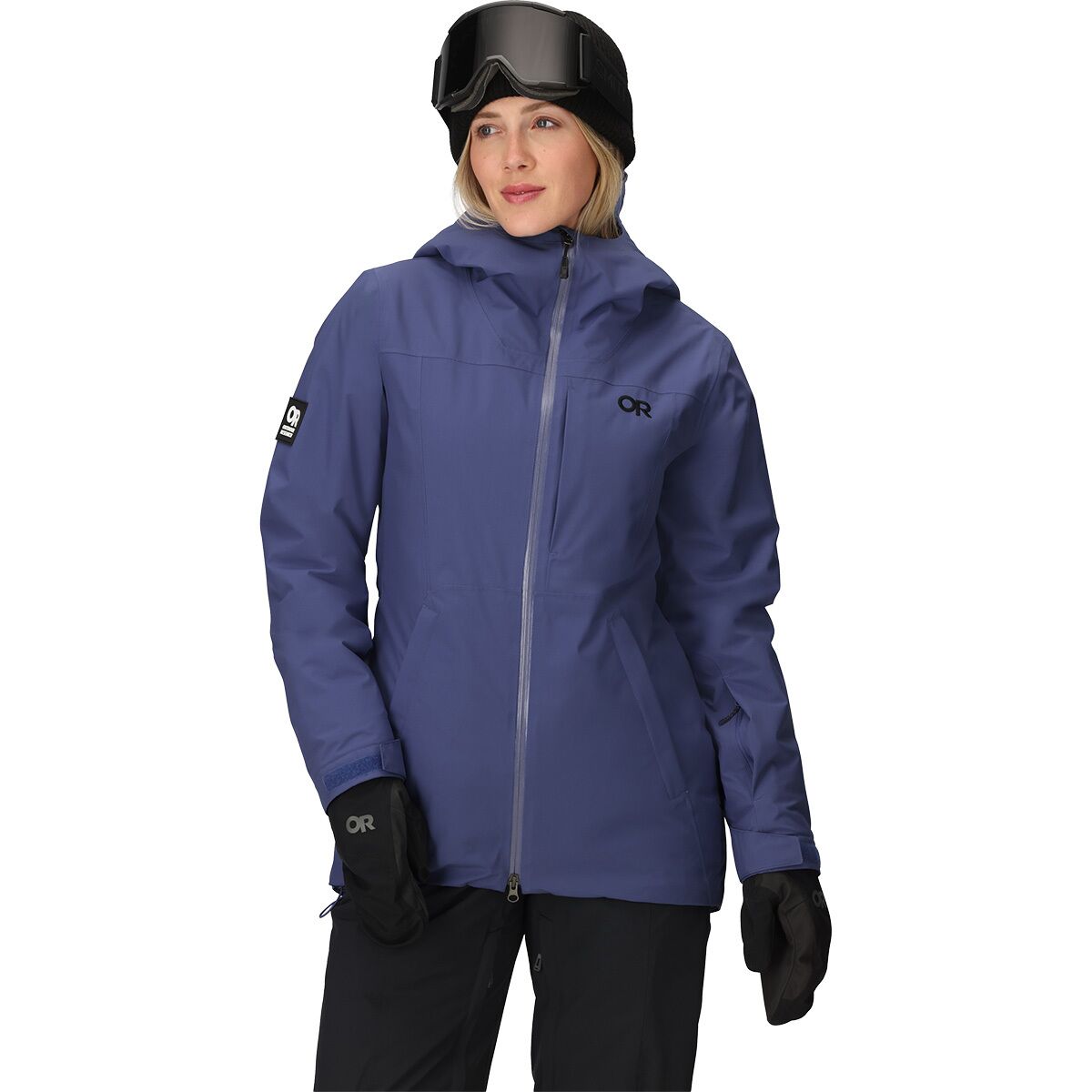 Outdoor Research Women's Ski & Snowboard Jackets
Frequently Asked Questions
How do I choose between synthetic and down Outdoor Research women's vests?
Synthetic options like the VerticalX SuperStrand in the SuperStrand LT retain loft and insulating performance when wet and are usually lighter and more packable, making them ideal for wet-weather hiking or fastpacking. Down-filled models such as the Coldfront, Coze, Transcendent, and other 700–800+ fill pieces provide higher warmth-to-weight in dry cold and a puffier loft for standing warmth. Consider expected weather, activity intensity, and packability—synthetic for damp, active days; down for maximal warmth in dry conditions.How does the SuperStrand LT Vest compare to the Refuge Vest for hiking and travel?
The SuperStrand LT is an ultralight, VerticalX-synthetic vest (about 5.9 oz) built for packability and wet-weather resilience during fast hikes or travel. The Refuge Vest is a higher-loft, more substantial insulating option (reference ~10.7 oz) that delivers extra warmth for colder, low-activity days or base-layer replacement. Choose SuperStrand for weight-sensitive outings and Refuge when you need more stand-alone warmth.Which Outdoor Research hooded vests are best for ski touring and cold-weather layering?
For ski touring and aerobic winter activity, the Deviator Hooded Vest (hybrid/active insulation) is designed to balance breathability and weather protection so you don’t overheat on the skintrack. For colder, less aerobic situations or as a warm midlayer under a shell, the Coldfront Hooded Down Vest and Coze Hooded Down Vest use higher-fill down for superior stationary warmth. Match the hooded down pieces to low-ventilation, high-warmth needs and the Deviator to moving-pulse activities.What fit and sizing should I pick when layering vests under shells or wearing them solo?
Outdoor Research vests generally use a regular/standard fit and sit at hip length (examples: SuperStrand ~26.5" center back; Refuge women’s ~27.25"), so pick your usual size if you plan to wear light base layers underneath. If you expect to layer over bulky midlayers or want extra mobility for climbing or skiing, consider sizing up for more room through the shoulders and chest. Also note features like elastic armholes and adjustable hems that help seal warmth and improve fit under packs or shells.Which materials and construction features make an OR vest more durable and weather-resistant?
Look for ripstop or recycled nylon shells (20D–30D Pertex Quantum Eco or similar) for abrasion and wind resistance plus water-shedding performance, and reinforced panels or ripstop weaves where abrasion is likely. Insulated collars, insulated/soft-lined hand pockets, elastic arm bindings, and hybrid mapping (synthetic on shoulders, down on torso) improve comfort and durability, while bluesign®-approved fabrics and responsibly sourced down indicate stronger sustainability standards.