


Up To 20% Off Full-Price Items
Shop now
EXTRA 20% Off Clearance
Shop now | Ends 11/9
Get An EXTRA $50 Cash Back*
Summit+ exclusive
Outdoor Research Ski Clothing
138 results

+3
Outdoor Research
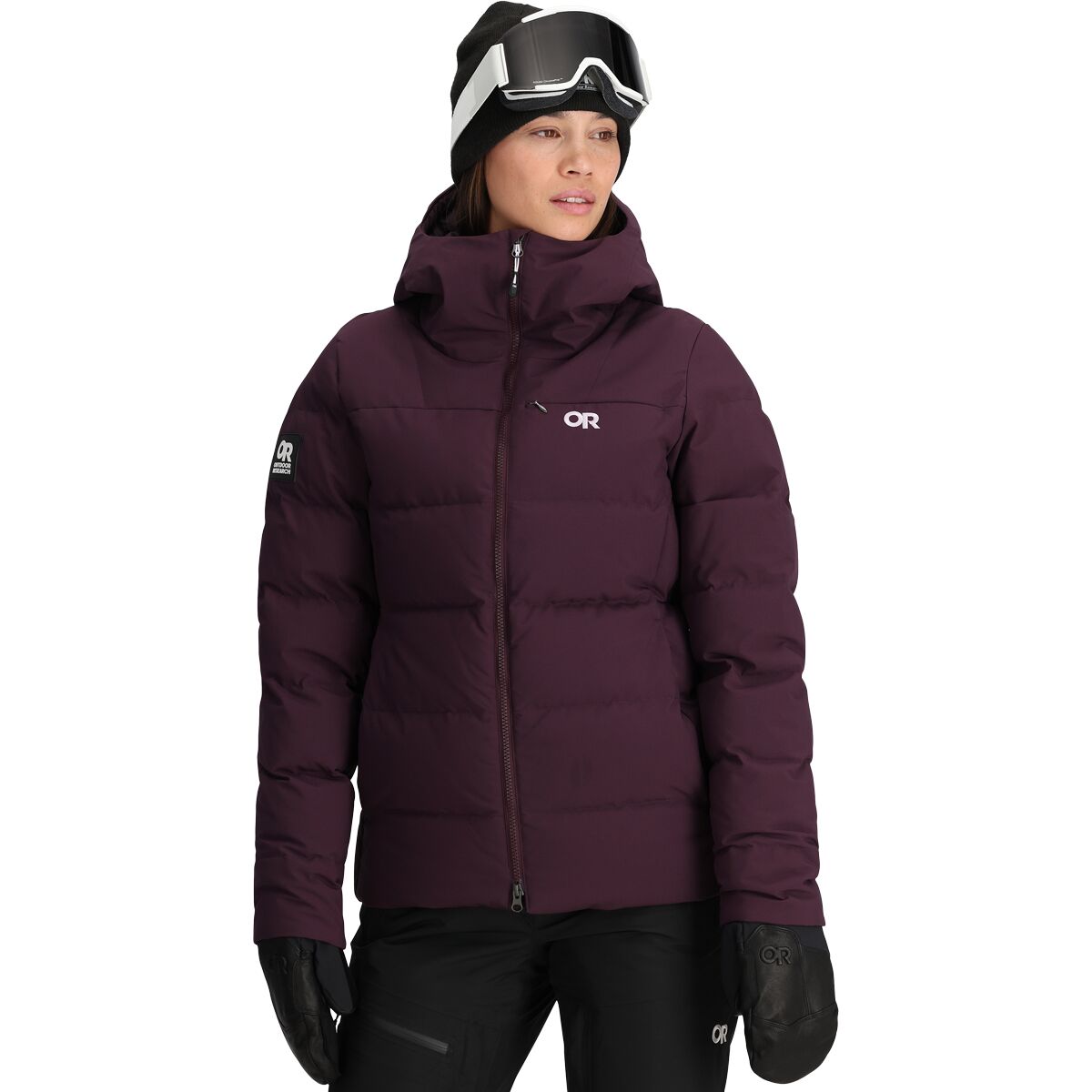
Powderverse Jacket - Women's
7 colors
Discount Applies In Cart | Ends 11/16
(4)

Outdoor Research
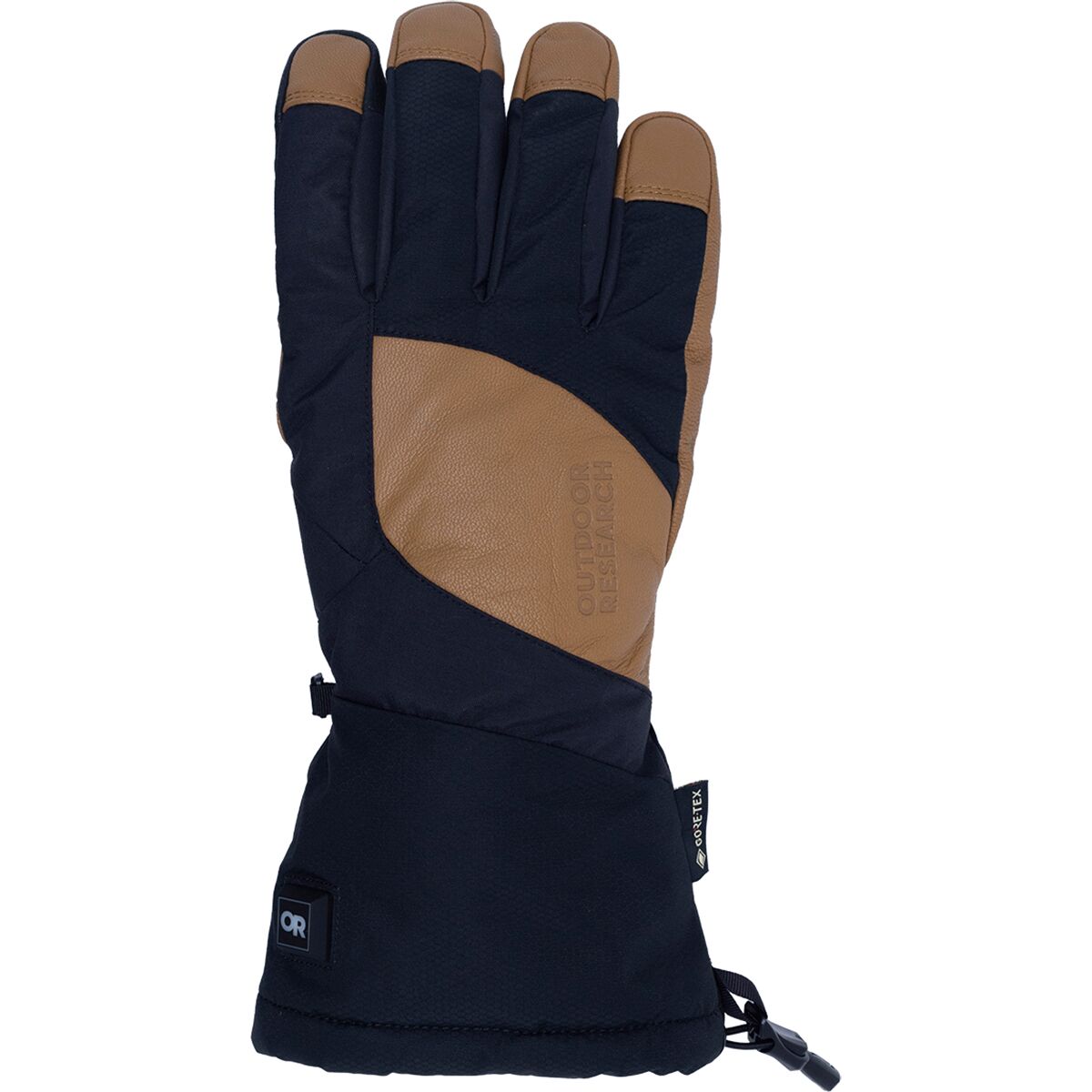
Alti II GORE-TEX Mitten
1 color
Winter Sale
(55)

+2
Outdoor Research
Carbide Bib Pant - Men's
6 colors
Discount Applies In Cart | Ends 11/16
(223)

Outdoor Research
Cloudchaser 3L Jacket - Men's
3 colors
Spend $800+ On Outerwear, Get $50 | Summit+
(4)


Outdoor Research
Prevail Heated GORE-TEX Mitten
3 colors
Discount Applies In Cart | Ends 11/16
(88)

Outdoor Research
Carbide Jacket - Men's
5 colors
Discount Applies In Cart | Ends 11/16
(135)

Outdoor Research
Cloudchaser 3L Bib Pant - Men's
3 colors
Spend $800+ On Outerwear, Get $50 | Summit+
(2)

+2
Outdoor Research
Snowcrew Pant - Men's
6 colors
Discount Applies In Cart | Ends 11/16
(103)

Outdoor Research
Snowcrew Bib Pant - Men's
3 colors
Spend $800+ On Outerwear, Get $50 | Summit+
(39)

Outdoor Research
Cloudchaser 3L Jacket - Women's
4 colors
Spend $800+ On Outerwear, Get $50 | Summit+
(3)

Outdoor Research
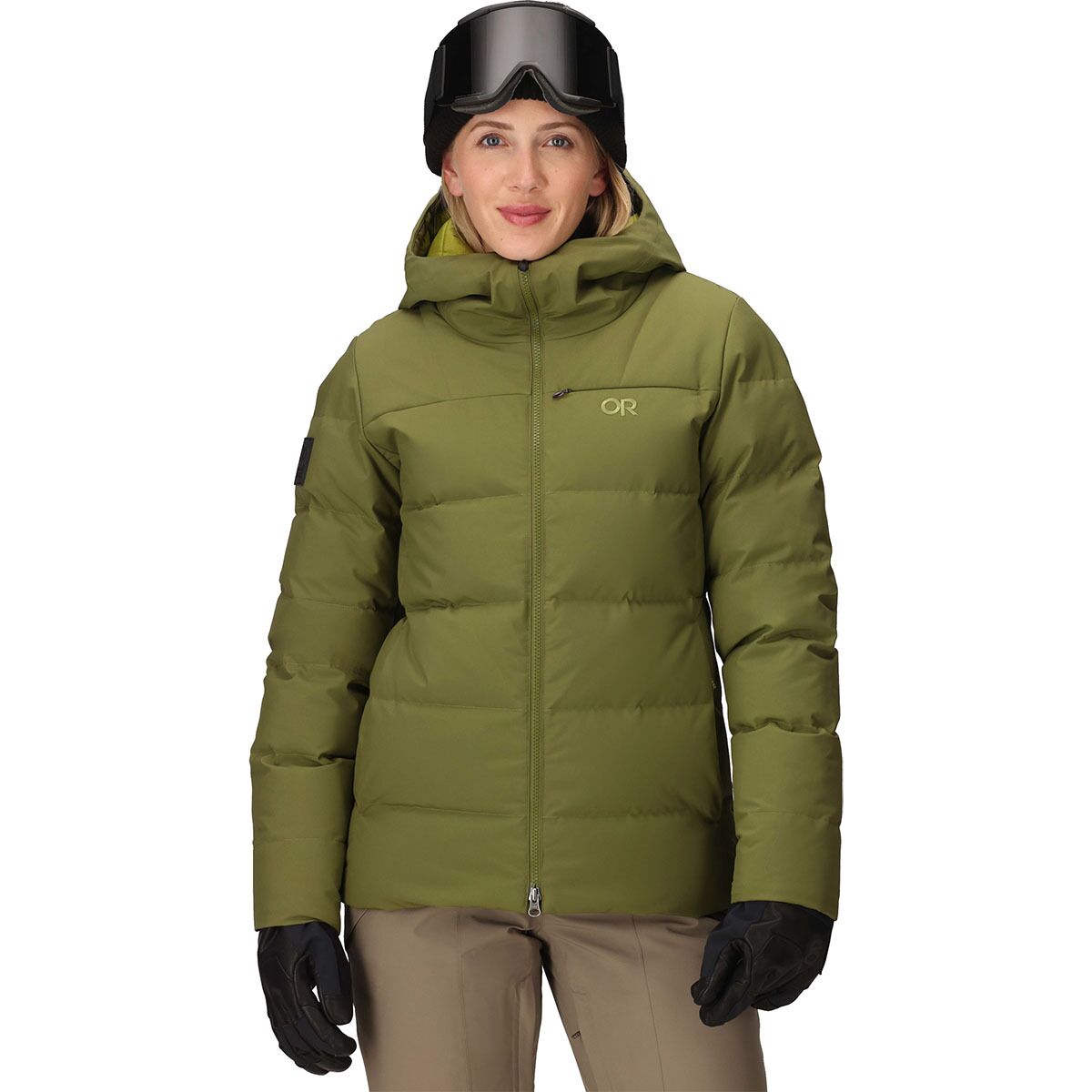
Snowcrew Down Jacket - Women's
5 colors
Discount Applies In Cart | Ends 11/16
(8)

Outdoor Research
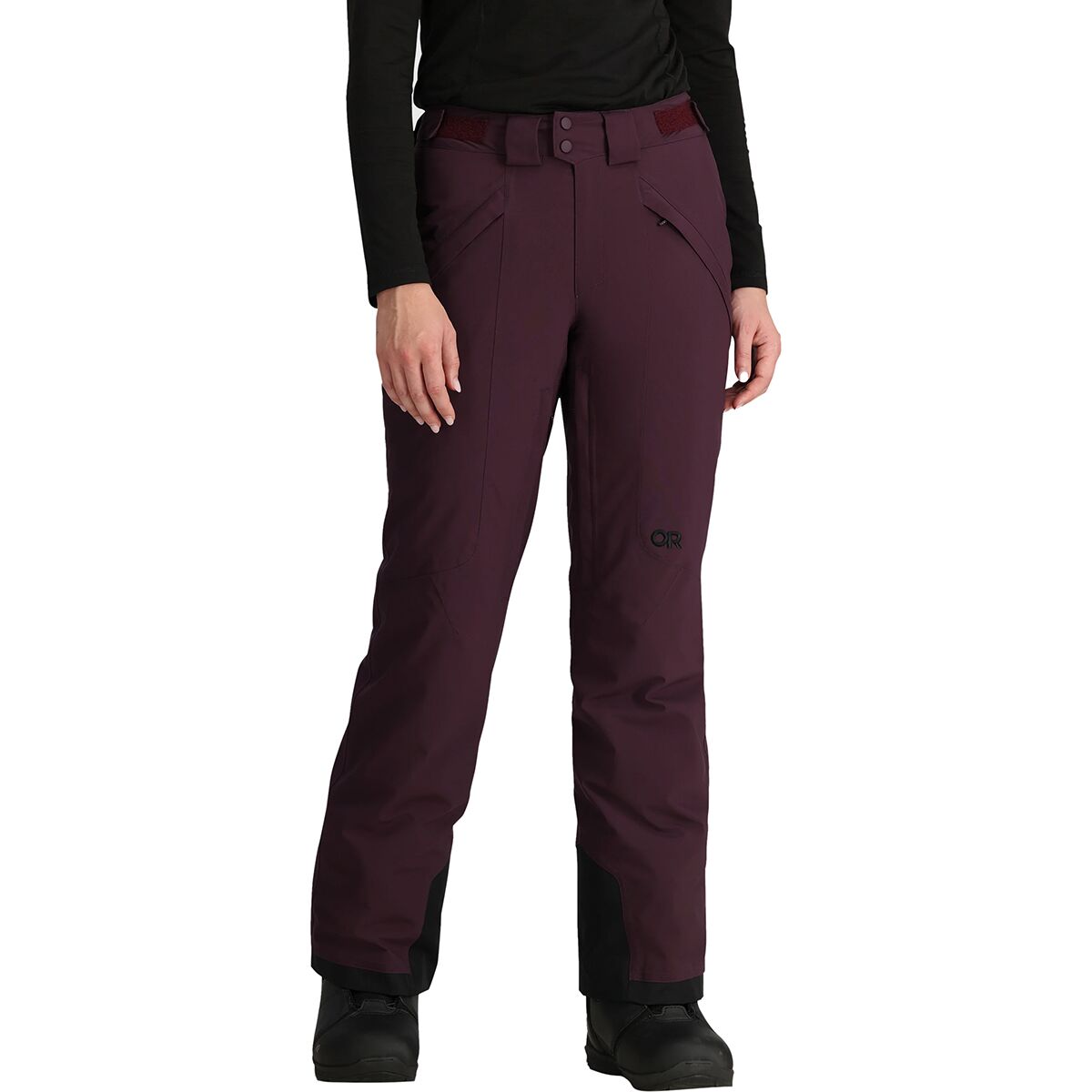
Powderverse Pant - Women's
3 colors
Discount Applies In Cart | Ends 11/16
(3)


Outdoor Research
Prevail Heated GORE-TEX Glove
2 colors
Discount Applies In Cart | Ends 11/16
(37)

Outdoor Research
Mt. Baker II GORE-TEX Mitten - Men's
1 color
Extra 10% Off Clearance | Ends 11/09
(39)

Outdoor Research
Snowcrew Down Jacket - Men's
4 colors
Discount Applies In Cart | Ends 11/16
(31)

Outdoor Research
Carbide Sensor Mitten
3 colors
Extra 10% Off Clearance | Ends 11/09
(62)

+2
Outdoor Research
Powderverse Jacket - Men's
6 colors
Discount Applies In Cart | Ends 11/16
(9)

Outdoor Research
Snowcrew Jacket - Women's
4 colors
Discount Applies In Cart | Ends 11/16
(98)

Outdoor Research
Powderverse Pant - Men's
4 colors
Discount Applies In Cart | Ends 11/16
(7)

+2
Outdoor Research
Snowcrew Jacket - Men's
6 colors
Discount Applies In Cart | Ends 11/16
(98)

Outdoor Research
Hemispheres Team GORE-TEX 3L Bib Pant - Men's
4 colors
Discount Applies In Cart | Ends 11/16
(4)

+2
Outdoor Research
Carbide Jacket - Women's
6 colors
Discount Applies In Cart | Ends 11/16
(64)

Outdoor Research
Sureshot Heated Softshell Glove
2 colors
Discount Applies In Cart | Ends 11/16
(29)

Outdoor Research
Alti II GORE-TEX Mitten- Women's
1 color
Extra 10% Off Clearance | Ends 11/09
(22)

Outdoor Research
Hemispheres Team GORE-TEX 3L Jacket - Men's
4 colors
Discount Applies In Cart | Ends 11/16
(3)

Outdoor Research
Sureshot Pro Glove - Men's
2 colors
Discount Applies In Cart | Ends 11/16
(20)

Outdoor Research
Versaliner Sensor Glove - Women's
1 color
Winter Sale
(21)

Outdoor Research
Trailbreaker Tour Pant - Men's
4 colors
Discount Applies In Cart | Ends 11/16
(37)

Outdoor Research
Stormbound GORE-TEX Down Mitten
2 colors
Discount Applies In Cart | Ends 11/16
(5)

+2
Outdoor Research
Liftie Beanie - Women's
6 colors
Discount Applies In Cart | Ends 11/16
(2)

Outdoor Research
Arete Modular GORE-TEX Glove - Men's
3 colors
Discount Applies In Cart | Ends 11/16
(17)

Outdoor Research
Alpine Onset Merino 150 Hooded Baselayer Top - Women's
1 color
Winter Sale
(8)

Outdoor Research
Cloudchaser 3L Bib Pant - Women's
3 colors
Spend $800+ On Outerwear, Get $50 | Summit+
(3)

Outdoor Research
Lost Lake Wool Beanie
2 colors
Winter Sale

Outdoor Research
Vigor Lightweight Sensor Glove - Men's
2 colors
Discount Applies In Cart | Ends 11/16
(47)

Outdoor Research
Vigor Heavyweight Sensor Glove - Men's
3 colors
Discount Applies In Cart | Ends 11/16
(73)

Outdoor Research
Polarverse Balaclava
1 color
Discount Applies In Cart | Ends 11/16
(2)

Outdoor Research
Alti GORE-TEX Mitten
1 color
Discount Applies In Cart | Ends 11/16

Outdoor Research
Shadow Insulated Mitten
2 colors
Winter Sale
(8)

Outdoor Research
Arete Modular GORE-TEX 3-Finger Glove
3 colors
Discount Applies In Cart | Ends 11/16
(5)

Outdoor Research
Mixalot Glove
2 colors
Discount Applies In Cart | Ends 11/16

Outdoor Research
Coldfront Down Beanie
3 colors
Winter Sale
(37)
Related Categories
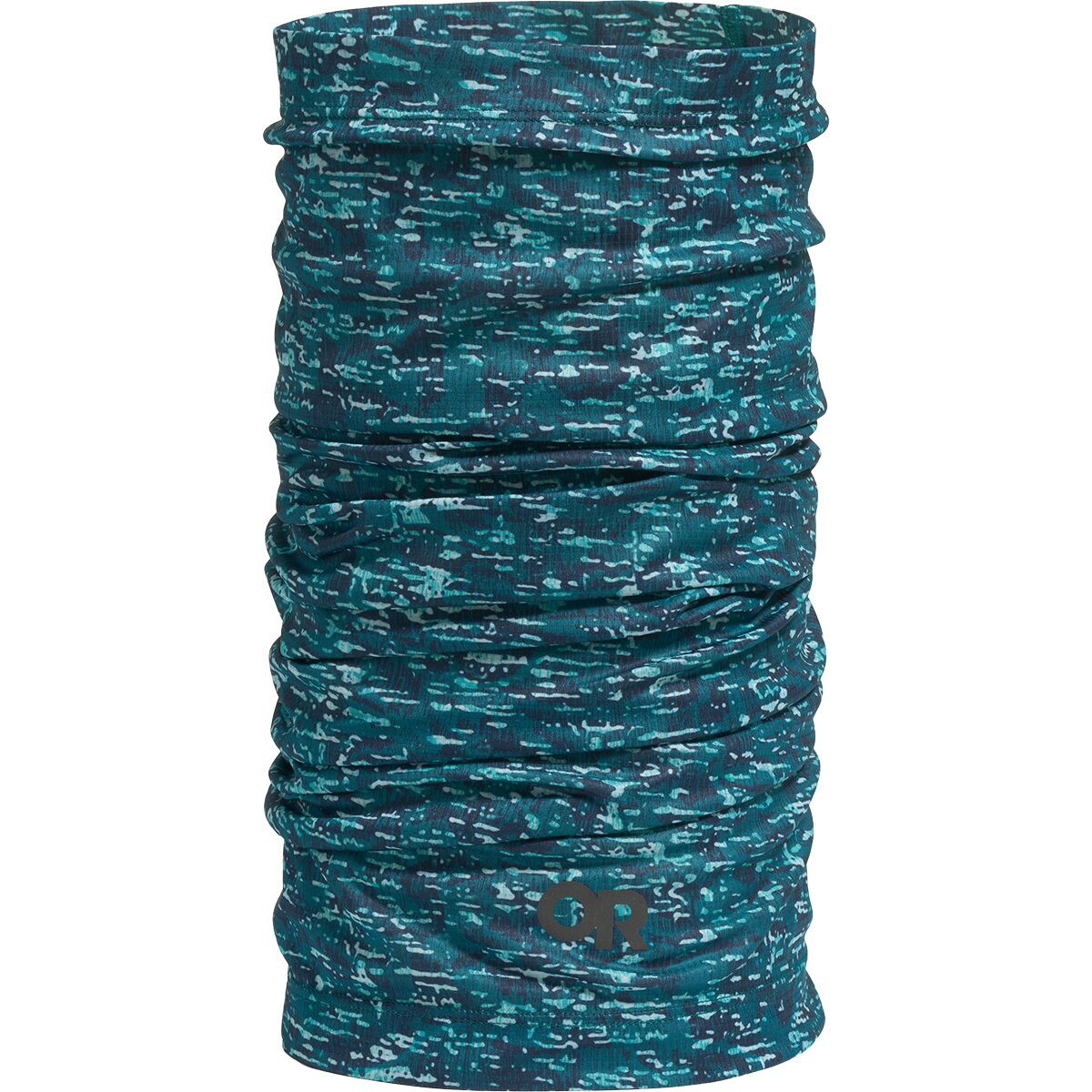 Outdoor Research Balaclavas & Neck Gaiters
 Outdoor Research Mens Ski Gloves & Mittens
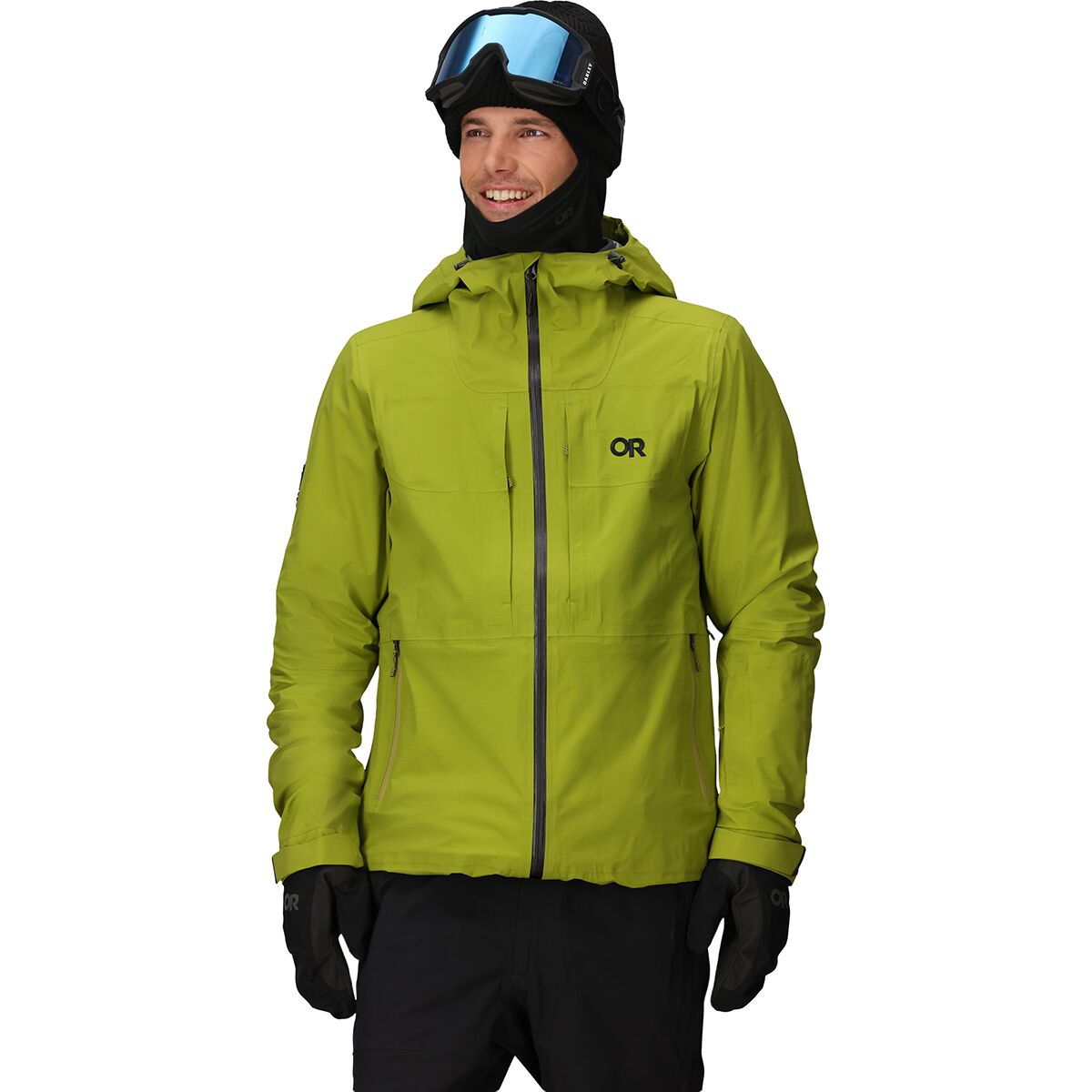 Outdoor Research Mens Ski Jackets
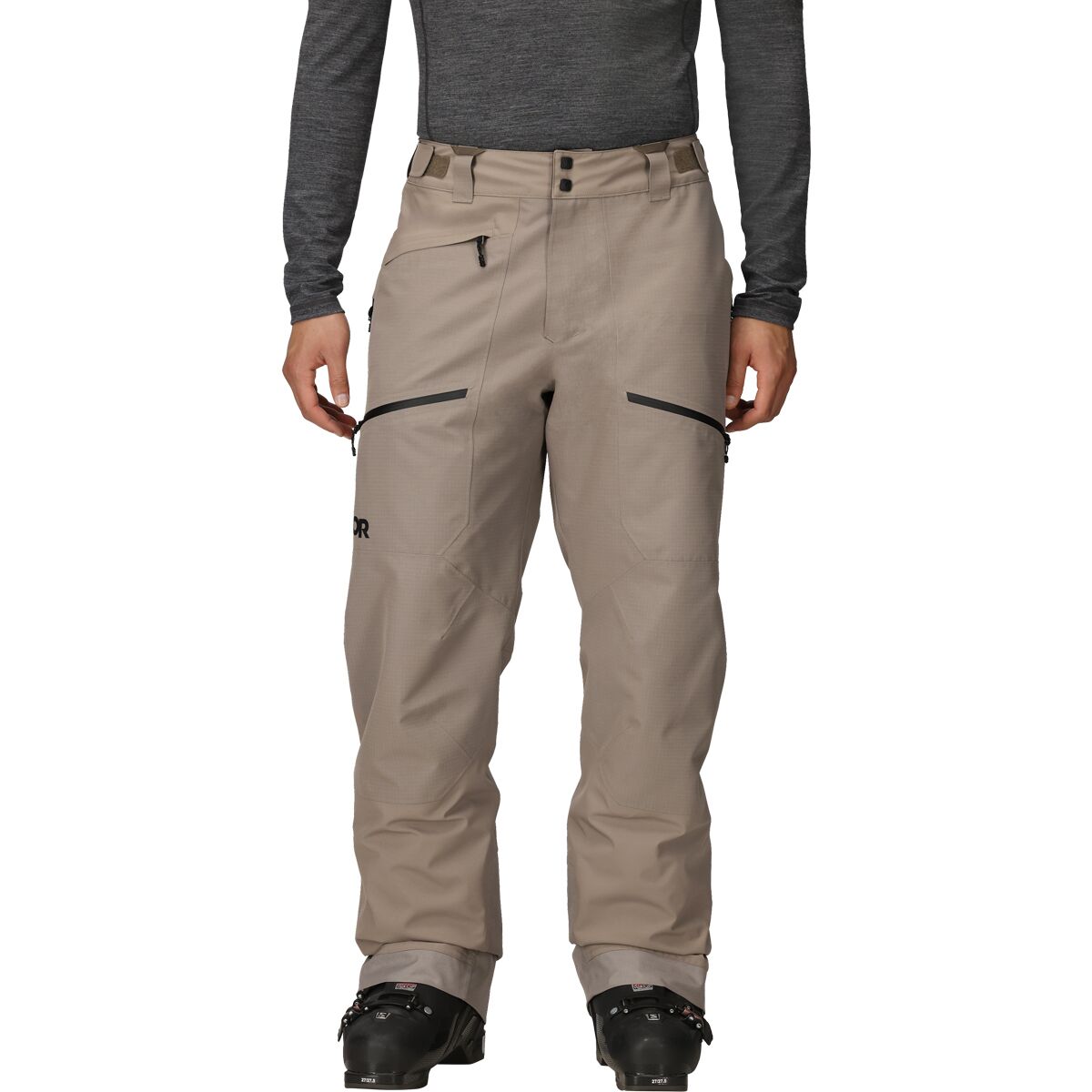 Outdoor Research Mens Ski Pants & Bibs
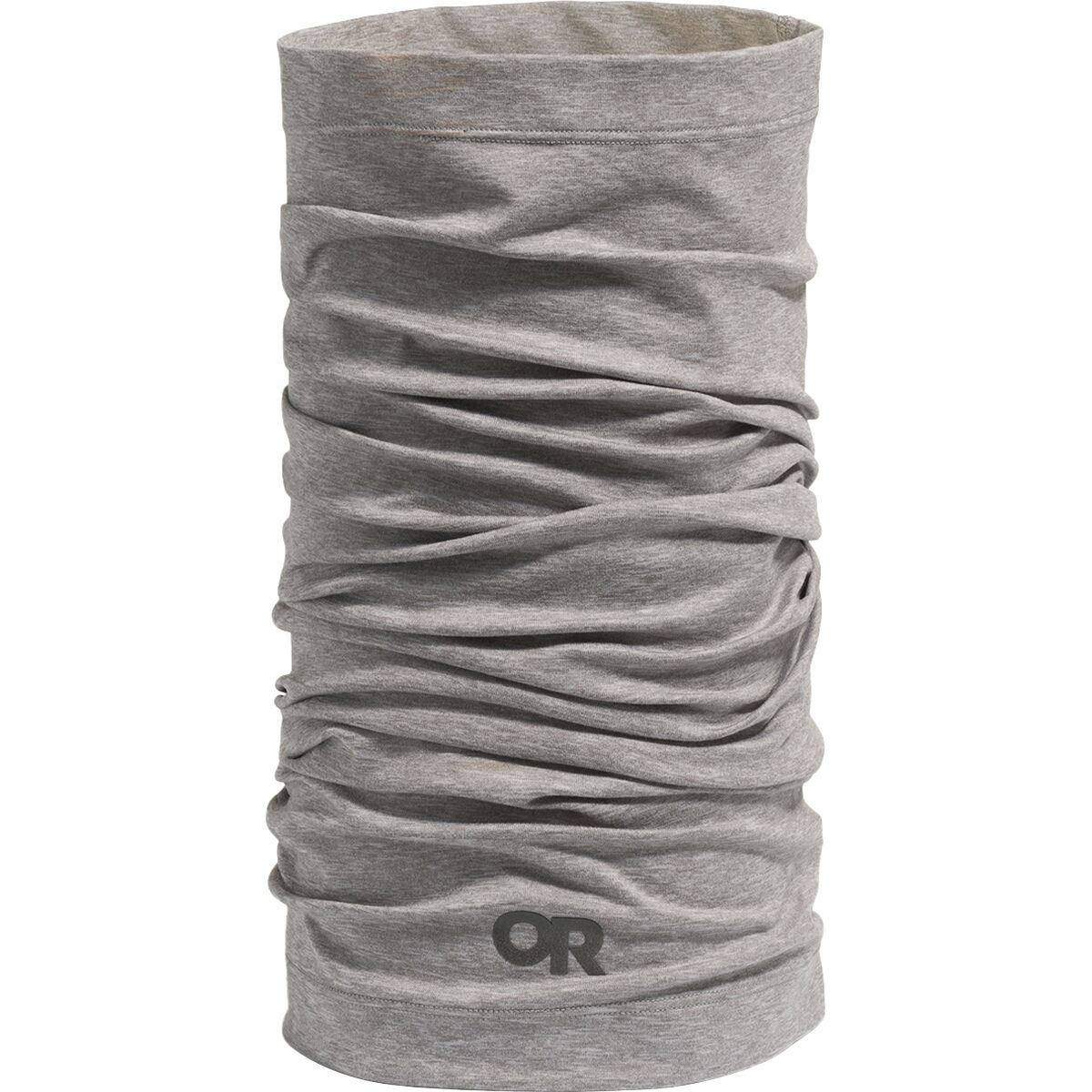 Outdoor Research Womens Balaclavas & Neck Gaiters
 Outdoor Research Womens Snowboard Clothing
 Outdoor Research Womens Snowboard Gloves & Mittens
 Outdoor Research Womens Snowboard Jackets
 Outdoor Research Womens Snowboard Pants & Bibs
Frequently Asked Questions
How do Outdoor Research softshells like the Valhalla compare to hardshell/insulated options like the Powderverse for backcountry ski use?
The Valhalla uses a Gore Windstopper X‑Fast softshell construction with high breathability and DWR water resistance, prioritizing stretch and ventilation for skinning and aerobic touring. The Powderverse is built on AscentShell 2L recycled ripstop with a 20K mm waterproof rating and ~17K g breathability plus VerticalX Eco core‑mapped insulation, offering more wet‑weather protection and targeted warmth for resort freeride. Choose the Valhalla for mobility and venting, and the Powderverse when you need stronger waterproofing and insulated coverage.Which Outdoor Research jacket—Powderverse or Snowcrew—is better for very cold, wet resort days?
The Powderverse pairs AscentShell 2L (20K/17K) with VerticalX Eco insulation mapped for the seat, giving strong waterproofing and targeted warmth for wet resort days. The Snowcrew uses Ventia 2L with full seam‑taping and 100% VerticalX Eco insulation, designed for a high warmth‑to‑weight ratio (Snowcrew jacket example weight ~899g) and reliable waterproofing. If you prioritize maximum warmth with a streamlined package choose Snowcrew; if you want higher ripstop durability and targeted core mapping, Powderverse is a strong alternative.What waterproof/breathability ratings and features should I prioritize for backcountry ski touring versus resort freeride?
For backcountry touring prioritize breathability, stretch, and active venting (softshells like the Valhalla or shells with large pit zips/Torsoflow vents) over maximal waterproof ratings to avoid overheating on climbs. For resort freeride prioritize higher waterproof ratings and fully seam‑taped constructions (AscentShell at 20K mm, Ventia 2L seam‑taped) plus core‑mapped insulation like VerticalX Eco to stay warm and dry on lifts and in prolonged storms. In both cases, look for breathable liners, pit zips, and harness/pack‑compatible pocketing to balance protection and ventilation.How should Outdoor Research ski clothing fit for touring versus freeride, and how do I pick the right size?
For touring aim for a slightly athletic, articulated fit that allows layering and unrestricted movement—look for articulated knees, stretch fabrics, and non‑restrictive cuffs. For freeride/resort use you can opt for a more generous standard fit to accommodate thicker insulating layers and a powder skirt; always consult Outdoor Research size charts and consider garment weight for layering (e.g., Snowcrew ~899g). If possible try garments with your typical base/mid layers and a harness to verify mobility and pocket accessibility before committing.Which jacket and pant features matter most—pit zips, powder skirts, gaiters, reinforced scuff guards—and when are they essential?
For aerobic touring, prioritize large pit zips/Torsoflow vents, stretch softshell fabrics, and lightweight harness‑compatible pockets to dump heat efficiently. For resort and cold, wet days prioritize adjustable powder skirts with snap systems, integrated elastic gaiters, reinforced instep scuff guards (420D nylon kickpatches), and durable DWR‑coated zippers plus core‑mapped VerticalX Eco insulation for lift‑ride warmth. Zippered thigh and chest pockets, sealed seams, and adjustable cuffs provide practical on‑hill storage and wet‑weather protection across both uses.