


20% Off Full-Price Items
Shop now
Up To 50% Off Winter Sale
Shop now
Get An EXTRA $50 Cash Back*
Summit+ exclusive
Outdoor Research Men's Footwear
2 results

Outdoor Research
Tundra Aerogel Sock
1 color
Current price: $44.97 Original price: $74.95
40% off
Winter Sale
(65)

Outdoor Research
Tundra Trax Booties - Men's
1 color
$98.95
Discount Applies In Cart | Ends 11/16
(68)
Related Categories
 Outdoor Research Mens Winter Shoes
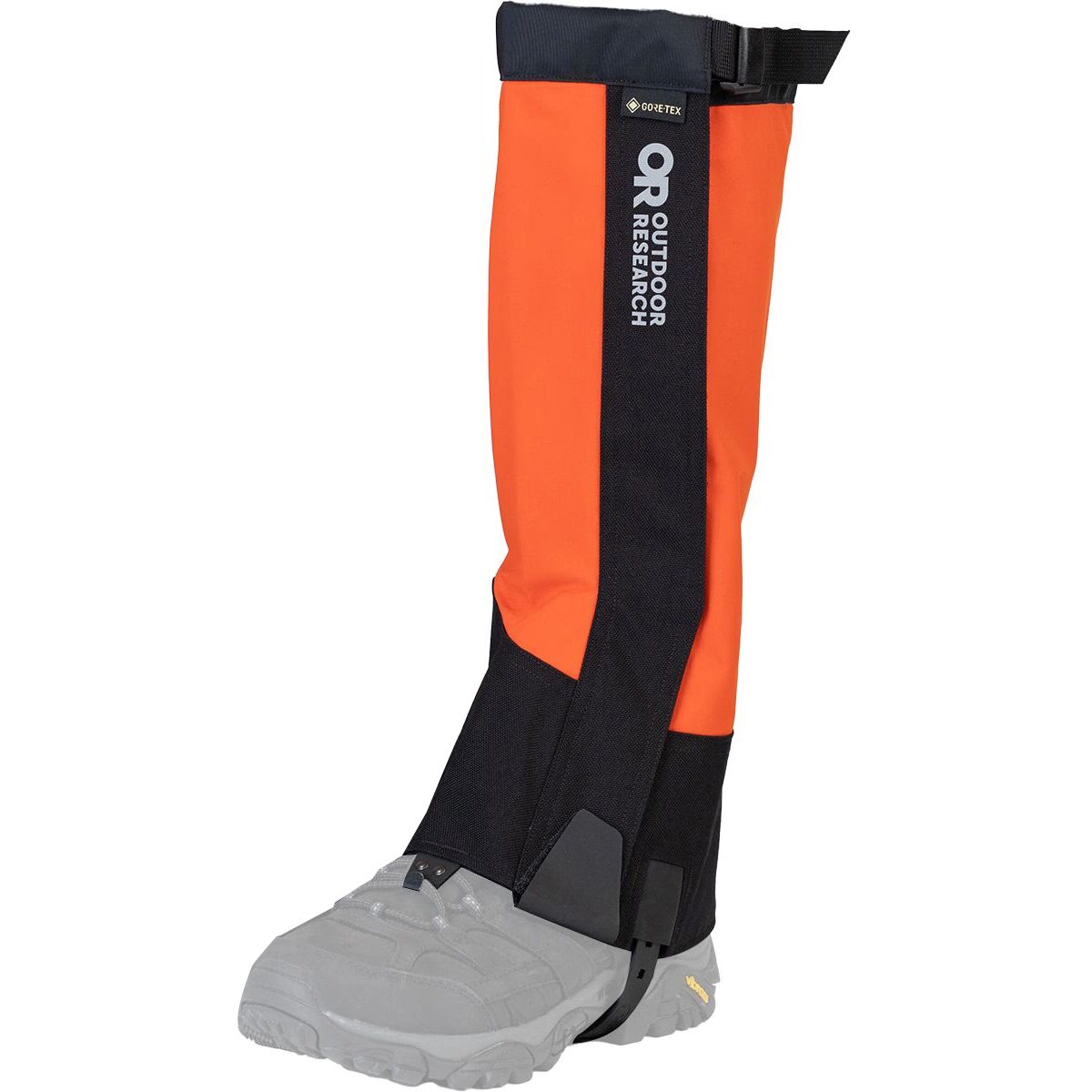 Outdoor Research Gaiters
 Outdoor Research Running Gaiters
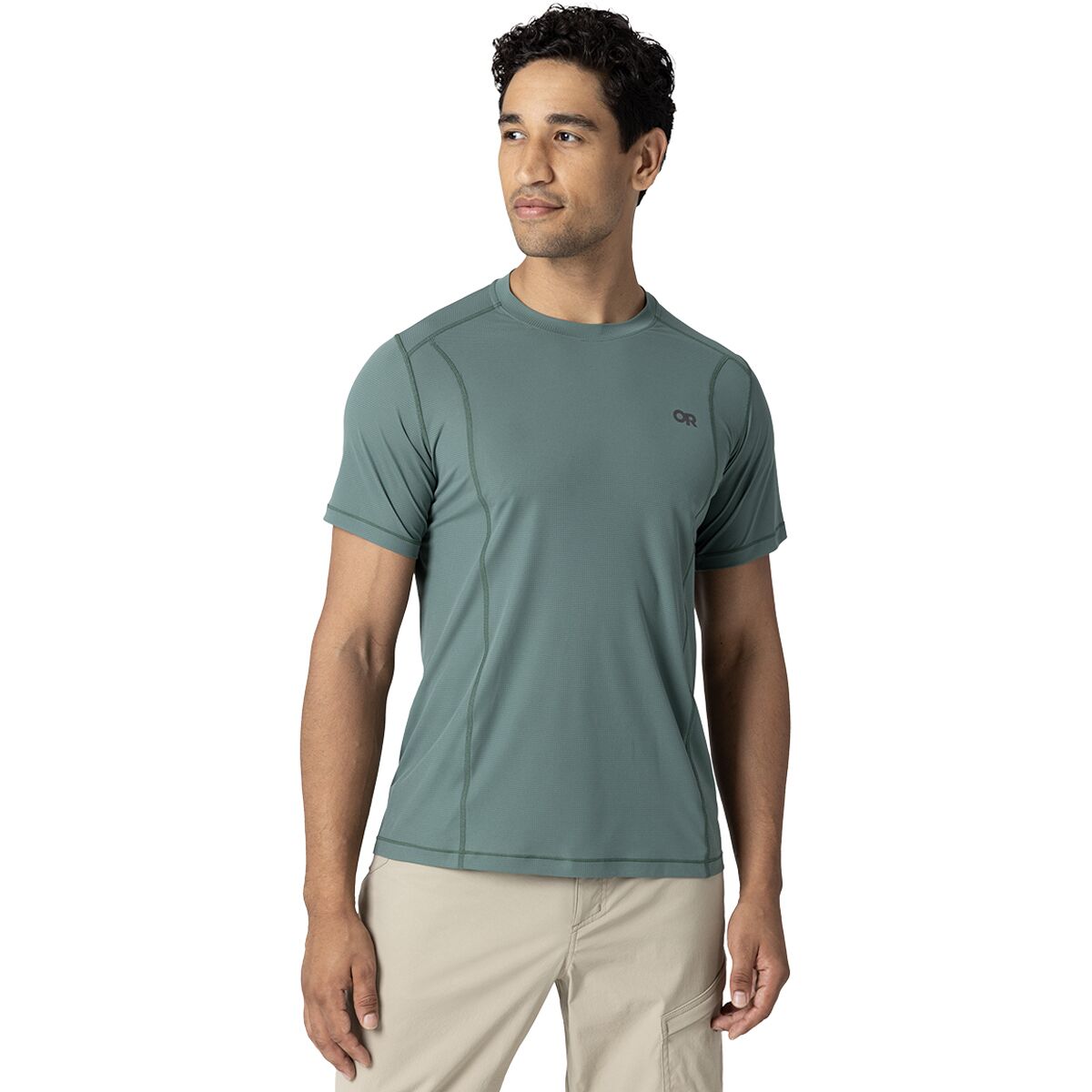 Outdoor Research Mens Hiking Clothing
 Outdoor Research Mens Hike Camp Jackets
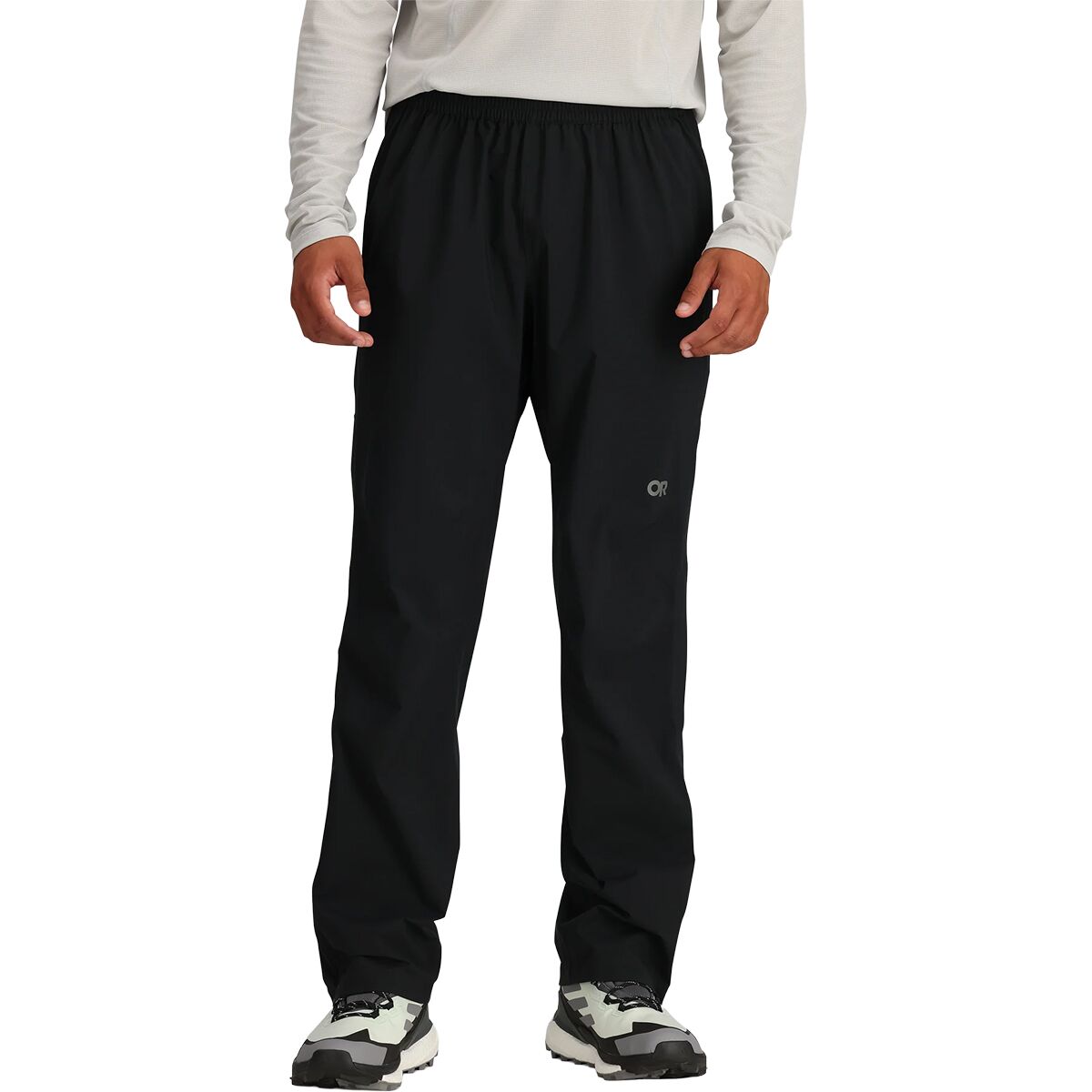 Outdoor Research Mens Hike Camp Pants
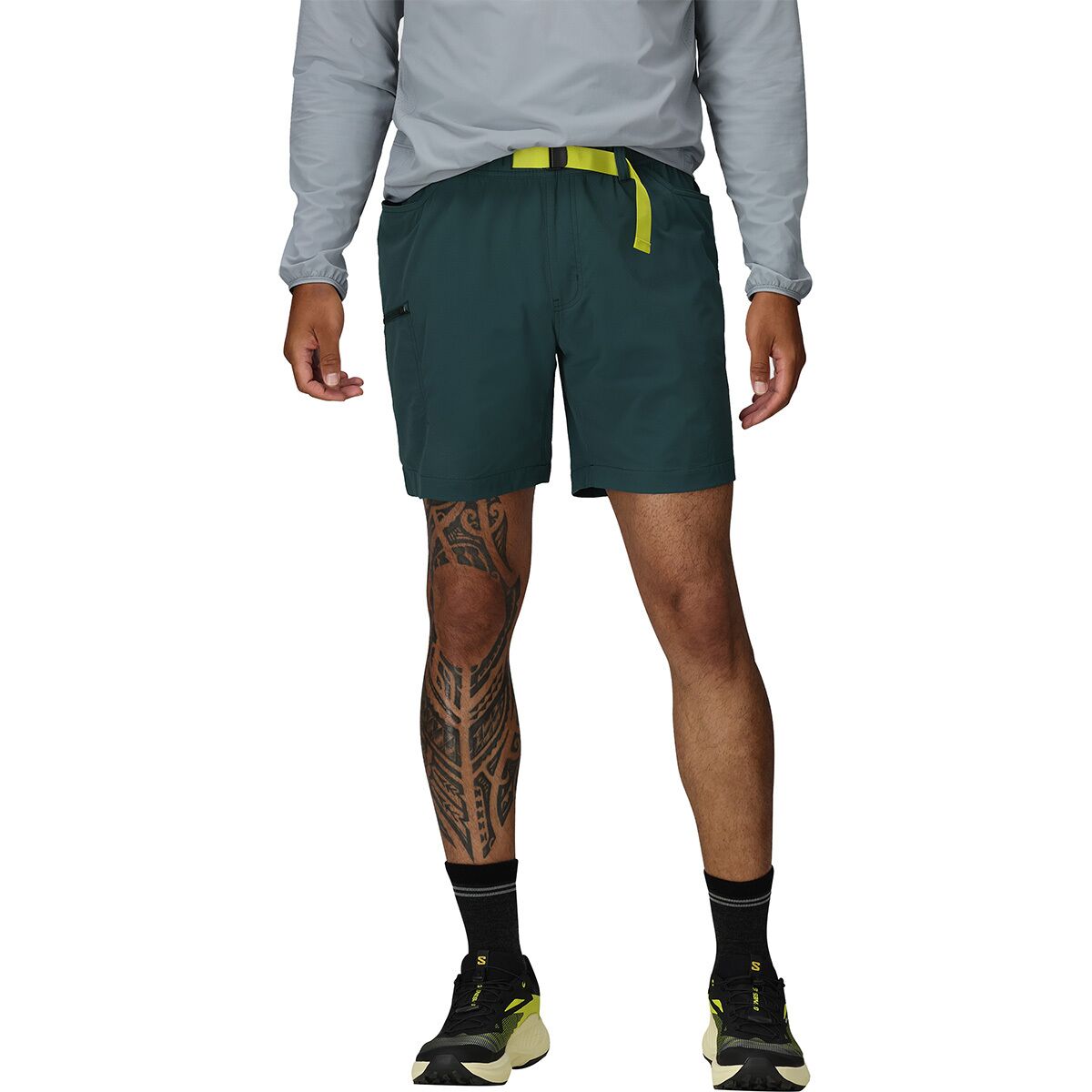 Outdoor Research Mens Hike Camp Shorts
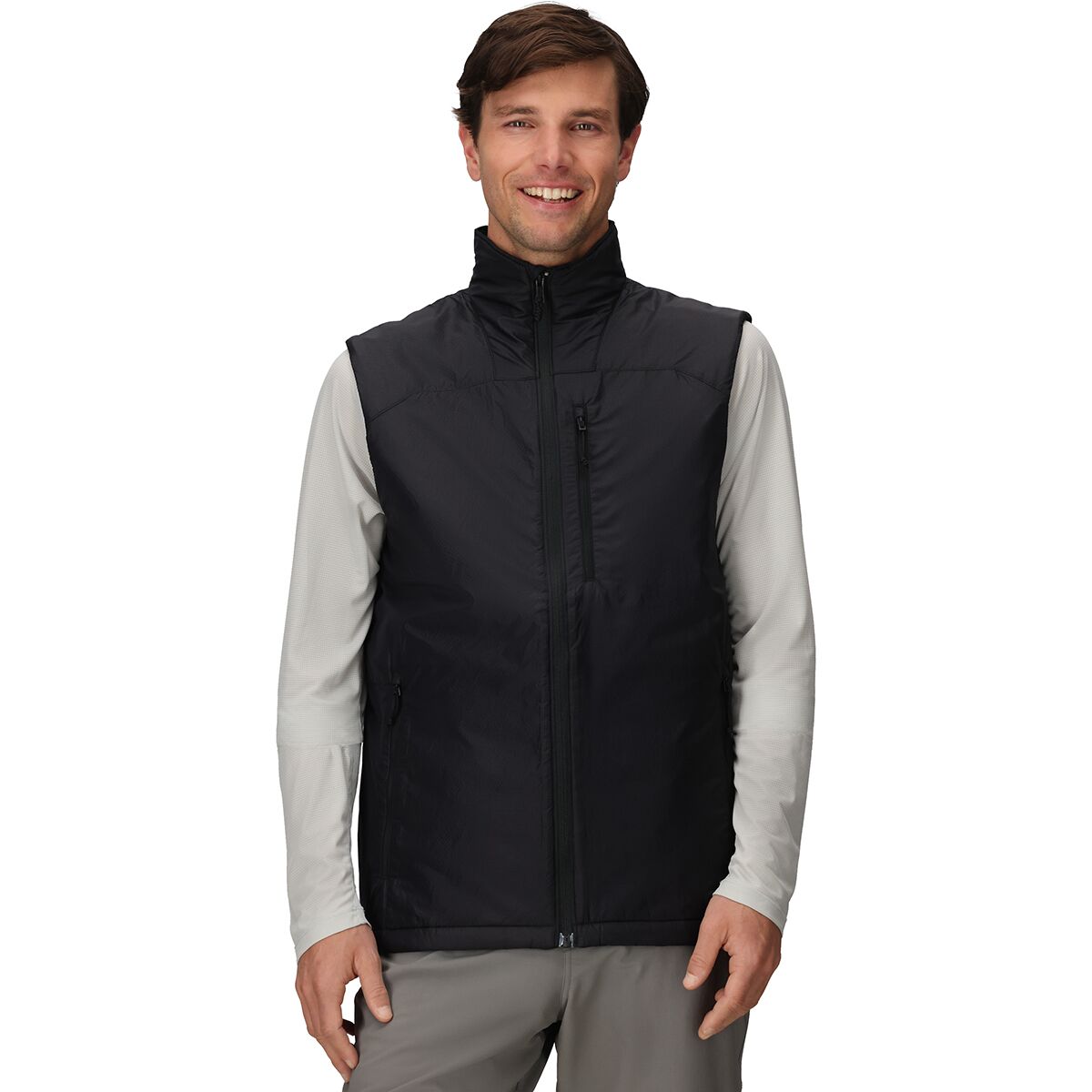 Outdoor Research Mens Hike Camp Vests
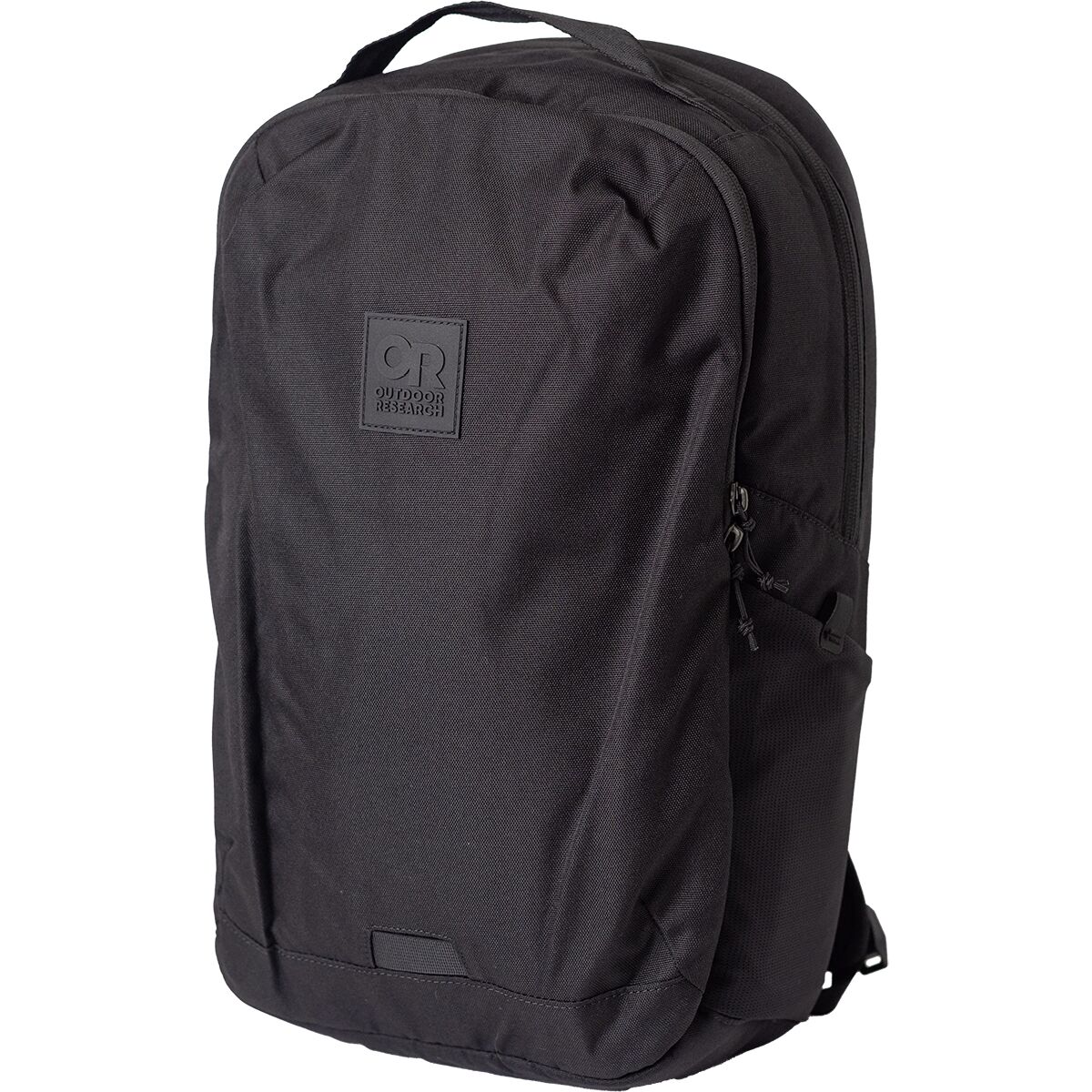 Outdoor Research Mens Everyday Packs
Frequently Asked Questions
What makes Outdoor Research men's hiking boots waterproof and breathable?
Outdoor Research often uses Gore‑Tex membranes and taped seams in waterproof models to block water while allowing vapor out; some designs also feature a measured flood height (around 3.86 in on certain styles) for low water crossings. Breathability is enhanced by mesh linings and venting channels so waterproof boots balance dryness with moisture control during long hikes.How do I choose between Outdoor Research hiking boots, hiking shoes, and hiking sandals?
Pick sandals for hot-weather use, water crossings, and post‑hike recovery where drainage and low weight matter; choose hiking shoes for day hikes or mild terrain when you want lighter weight and more flexibility; select boots with a shank, heel brake, deeper lug pattern, and reinforced toe for rugged, rocky, or extended backpacking trips. Consider the trade‑offs: boots add protection and stability, shoes save weight and break‑in time, and sandals prioritize breathability and quick drying.How do full‑grain leather uppers compare to synthetic/mesh and Matryx Kevlar weaves on Outdoor Research footwear?
Full‑grain leather offers the best abrasion resistance and long‑term durability but takes longer to break in and is heavier; paired with a Gore‑Tex lining it gives dependable water resistance. Synthetic/mesh uppers are lighter and more breathable for fast hikes, while Matryx Kevlar weaves provide an ultra‑tough, low‑stretch option that resists cuts and abrasion with less weight than leather.What fit and sizing tips help ensure comfort with Outdoor Research men's shoes and boots?
Aim for a secure midfoot hold without pinching the toes—leave about a thumb’s width of toe room for downhill travel—and account for foot volume (narrow vs. wide lasts) and ankle collar padding when choosing sizes. Try with the socks you’ll wear on the trail, test for adequate Achilles clearance and instep pressure, and use replaceable insoles or minor size adjustments to dial in support during break‑in.How do traction and lug design differ across Outdoor Research outsoles, and which is best for my terrain?
Aggressive, deep lugs and softer rubber compounds provide better bite on loose, muddy, or off‑trail terrain, while shallower, wider lugs and firmer rubber are geared to packed trails and lower rolling resistance. If you’re heading into technical backcountry opt for a boot with pronounced lug depth and a heel brake for descents; for day hikes on maintained trails choose a lighter outsole with moderate lugs to reduce fatigue.