


20% Off Full-Price Items
Shop now
Up To 50% Off Winter Sale
Shop now
Get An EXTRA $50 Cash Back*
Summit+ exclusive
Outdoor Research Climb
80 results

+3
Outdoor Research
Helium Down Hooded Jacket - Women's
7 colors
Discount Applies In Cart | Ends 11/16
(279)


Outdoor Research
Cirque III Pant - Men's
3 colors
Discount Applies In Cart | Ends 11/16
(32)


+5
Outdoor Research
Echo Hooded Long-Sleeve Shirt - Men's
9 colors
Discount Applies In Cart | Ends 11/16
(788)

Outdoor Research
Ferrosi Pant - Women's
5 colors
Discount Applies In Cart | Ends 11/16
(219)

+4
Outdoor Research
Helium Down Hooded Jacket - Men's
8 colors
Discount Applies In Cart | Ends 11/16
(702)

Outdoor Research
Helium Down Jacket - Women's
4 colors
Winter Sale
(14)

+3
Outdoor Research
Vesper Insulated Hooded Jacket - Women's
7 colors
Discount Applies In Cart | Ends 11/16
(8)

Outdoor Research
SuperStrand XT Hooded Jacket - Women's
2 colors
Winter Sale
(4)

Outdoor Research
Ferrosi Convertible Pant - Men's
3 colors
Discount Applies In Cart | Ends 11/16
(94)

Outdoor Research
SuperStrand LT Hoodie - Men's
5 colors
Discount Applies In Cart | Ends 11/16
(378)

+2
Outdoor Research
Vigor Grid Fleece Half-Zip Jacket - Men's
6 colors
Discount Applies In Cart | Ends 11/16
(37)

Outdoor Research
Timberline Fleece Lined Pant - Men's
3 colors
Discount Applies In Cart | Ends 11/16
(5)

Outdoor Research
Astroman Air Sun Hoodie - Men's
5 colors
Discount Applies In Cart | Ends 11/16
(64)

Outdoor Research
Vesper Insulated Hooded Jacket - Men's
5 colors
Discount Applies In Cart | Ends 11/16
(14)

Outdoor Research
Vesper Insulated Jacket - Men's
3 colors
Discount Applies In Cart | Ends 11/16
(3)

Outdoor Research
Cirque III Pant - Women's
4 colors
Discount Applies In Cart | Ends 11/16
(10)

Outdoor Research
Helium XT Down Hoodie - Men's
3 colors
Discount Applies In Cart | Ends 11/16
(2)

Outdoor Research
Rialto Fleece Lined Pant - Women's
2 colors
Discount Applies In Cart | Ends 11/16
(20)

Outdoor Research
Headwall GORE-TEX 3L Jacket - Men's
4 colors
Discount Applies In Cart | Ends 11/16
(24)

Outdoor Research
Mixalot Glove
2 colors
Discount Applies In Cart | Ends 11/16

Outdoor Research
Ultima Softshell Hooded Jacket - Women's
5 colors
Discount Applies In Cart | Ends 11/16
(6)

Outdoor Research
Vigor Grid Fleece Pullover Hoodie - Men's
4 colors
Discount Applies In Cart | Ends 11/16
(41)

Outdoor Research
Field Outdoor Pant - Men's
3 colors
Discount Applies In Cart | Ends 11/16
(10)

Outdoor Research
Helium UL Jacket - Women's
4 colors
Discount Applies In Cart | Ends 11/16
(4)

Outdoor Research
Archangel Bib Pant - Women's
1 color
Spend $800+ On Outerwear, Get $50 | Summit+
(15)

+3
Outdoor Research
Echo T-Shirt - Men's
7 colors
Discount Applies In Cart | Ends 11/16
(107)

Outdoor Research
ActiveIce Spectrum Sun Long-Sleeve T-Shirt - Men's
3 colors
Discount Applies In Cart | Ends 11/16
(6)

Outdoor Research
Transcendent Down Hooded Jacket - Women's
4 colors
Discount Applies In Cart | Ends 11/16
(14)

Outdoor Research
Echo L/S Tee - Men's
4 colors
Discount Applies In Cart | Ends 11/16
(49)

Outdoor Research
Helium Down Jacket - Men's
1 color
Winter Sale
(24)

+3
Outdoor Research
Ferrosi 10in Short - Men's
7 colors
Discount Applies In Cart | Ends 11/16
(172)

Outdoor Research
Austera Alpine Down Hoodie - Men's
2 colors
Discount Applies In Cart | Ends 11/16
(2)

Outdoor Research
Headwall GORE-TEX 3L Jacket - Women's
3 colors
Discount Applies In Cart | Ends 11/16
(4)

Outdoor Research
Mixalot Glove
1 color
Winter Sale
(33)

Outdoor Research
Arete II GORE-TEX Glove - Men's
1 color
Winter Sale
(47)

Outdoor Research
Vigor Plus Fleece Hooded Jacket - Women's
2 colors
Discount Applies In Cart | Ends 11/16
(1)

Outdoor Research
Echo Long-Sleeve T-Shirt - Women's
3 colors
Discount Applies In Cart | Ends 11/16
(45)

Outdoor Research
Vesper Insulated Pullover - Women's
1 color
Discount Applies In Cart | Ends 11/16
(8)

Outdoor Research
Astroman Short-Sleeve Sun Shirt - Men's
4 colors
Winter Sale
(143)

Outdoor Research
SuperStrand LT Plus Size Hooded Jacket - Women's
2 colors
Winter Sale
(7)

Outdoor Research
Timberline Ankle Pant - Women's
4 colors
Discount Applies In Cart | Ends 11/16
(3)

Outdoor Research
Headwall GORE-TEX 3L Pant - Women's
1 color
Discount Applies In Cart | Ends 11/16
Related Categories
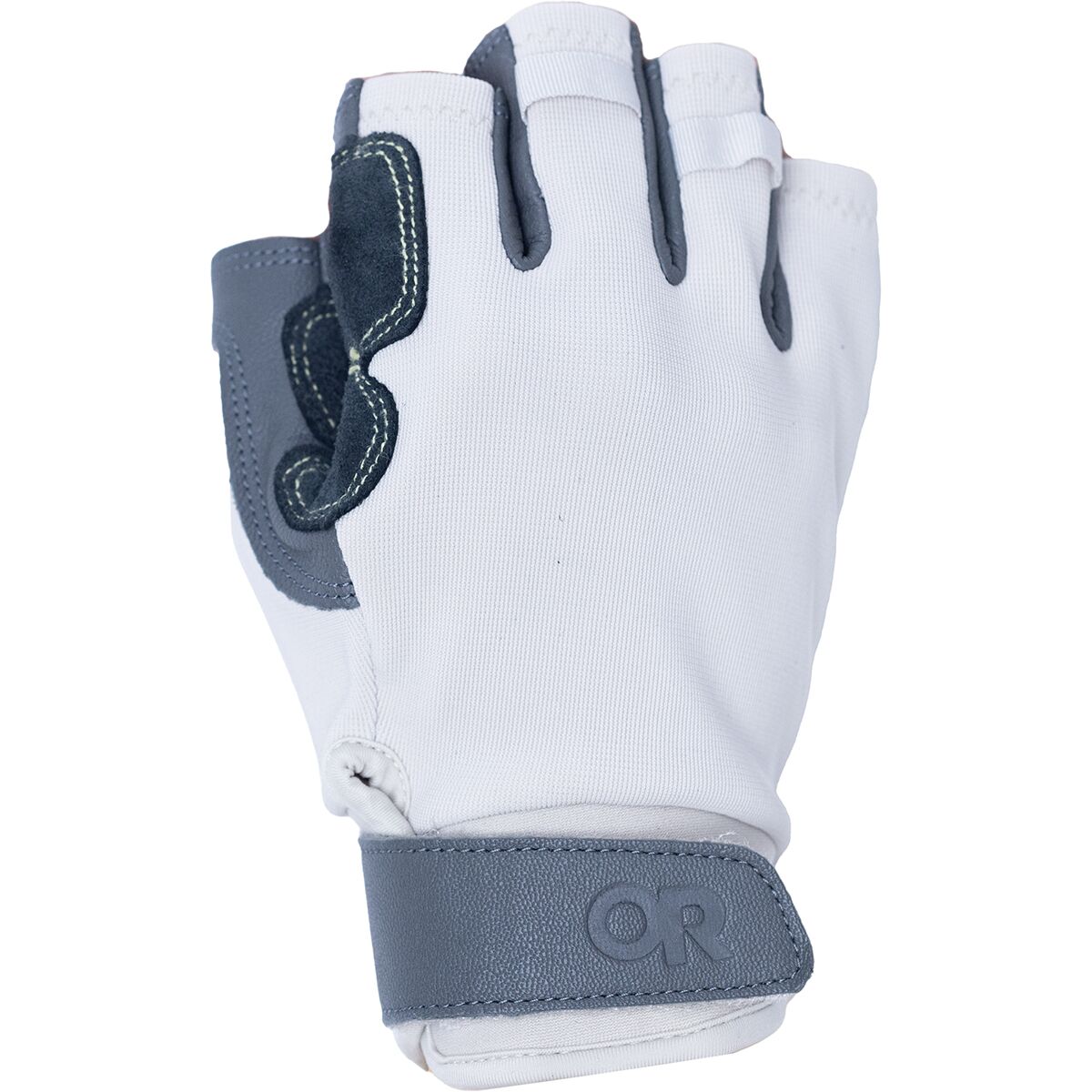 Outdoor Research Climbing Gloves
 Outdoor Research Ice Climbing Gloves
 Outdoor Research Men's Climb Jackets
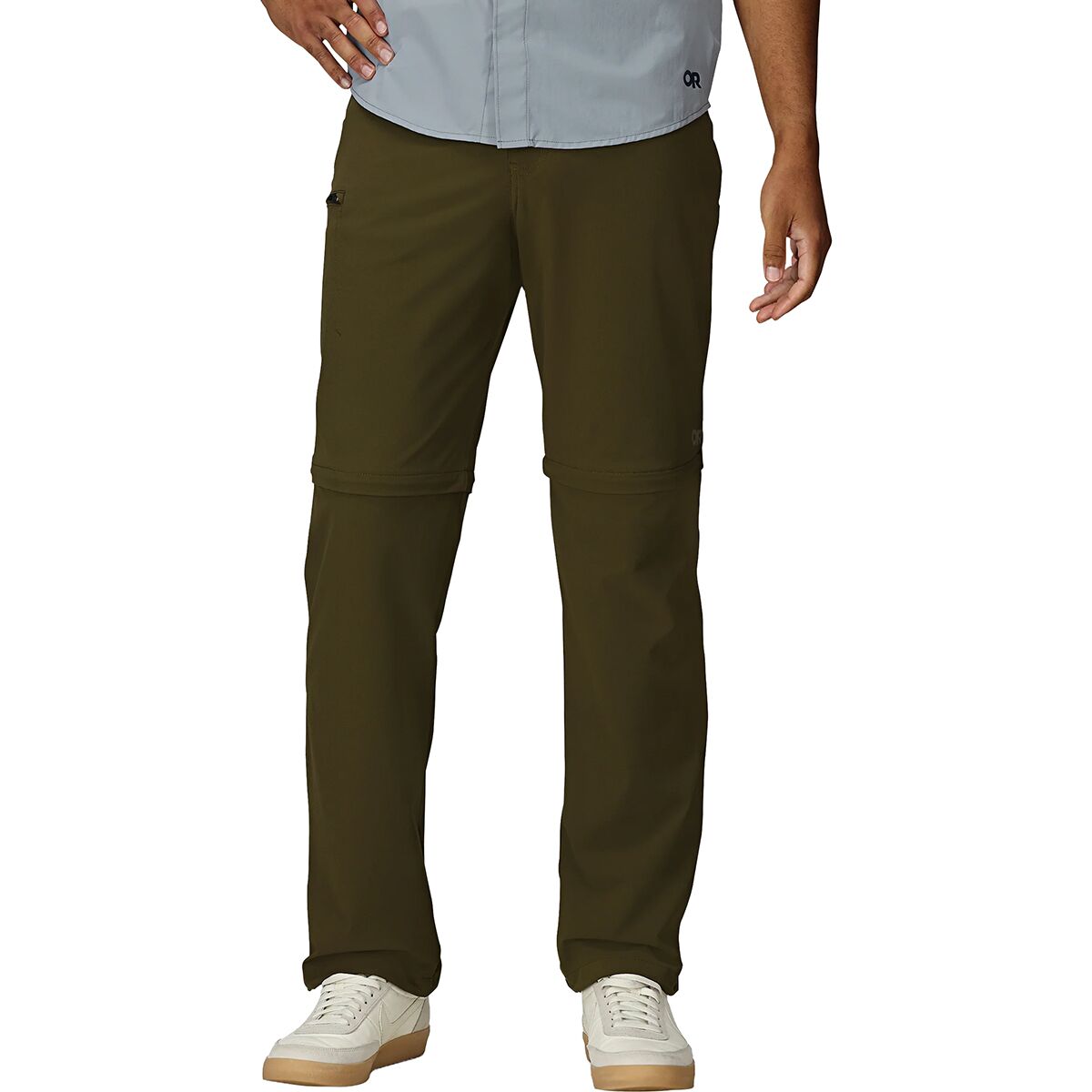 Outdoor Research Men's Climb Pants
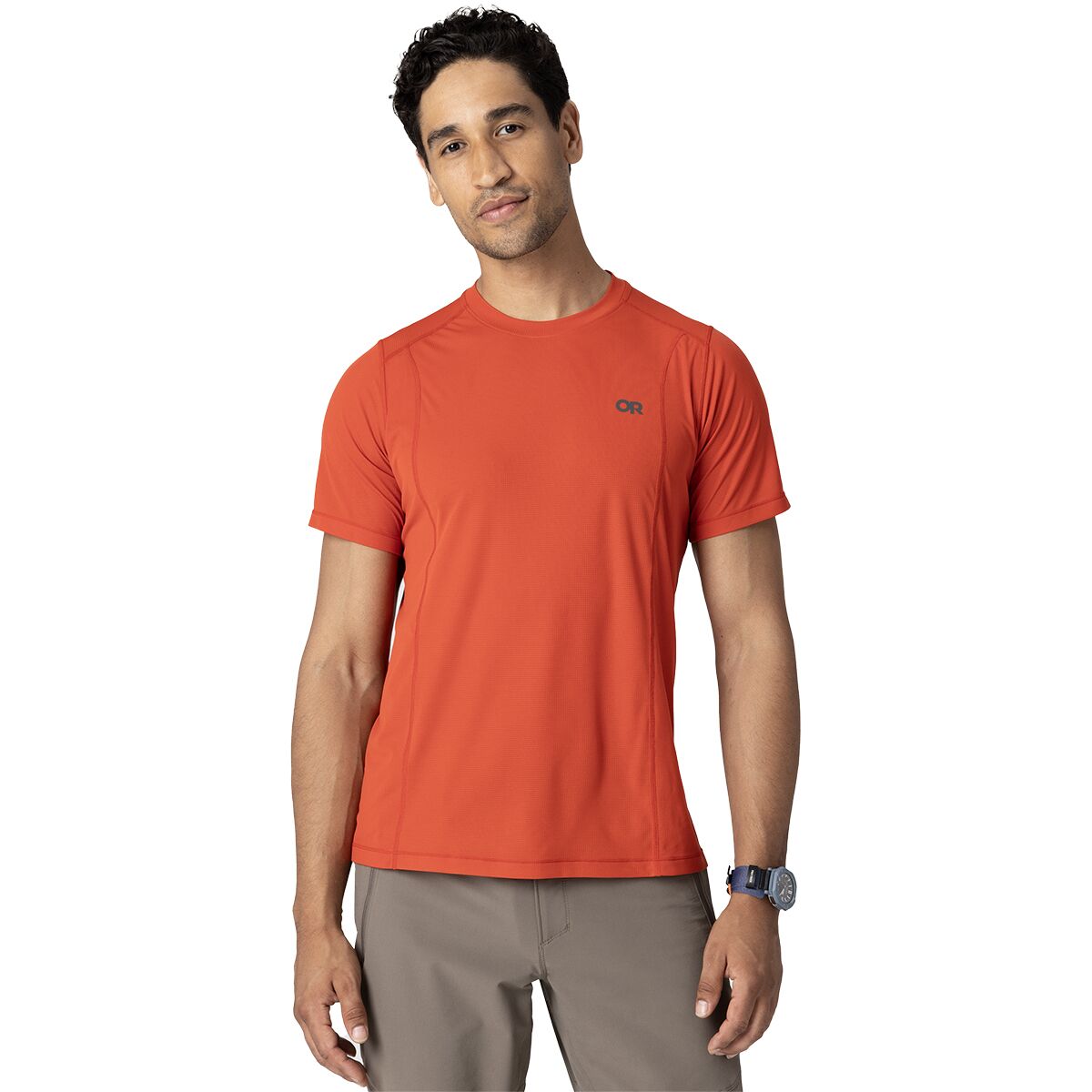 Outdoor Research Men's Climb Shirts
 Outdoor Research Men's Climbing Clothing
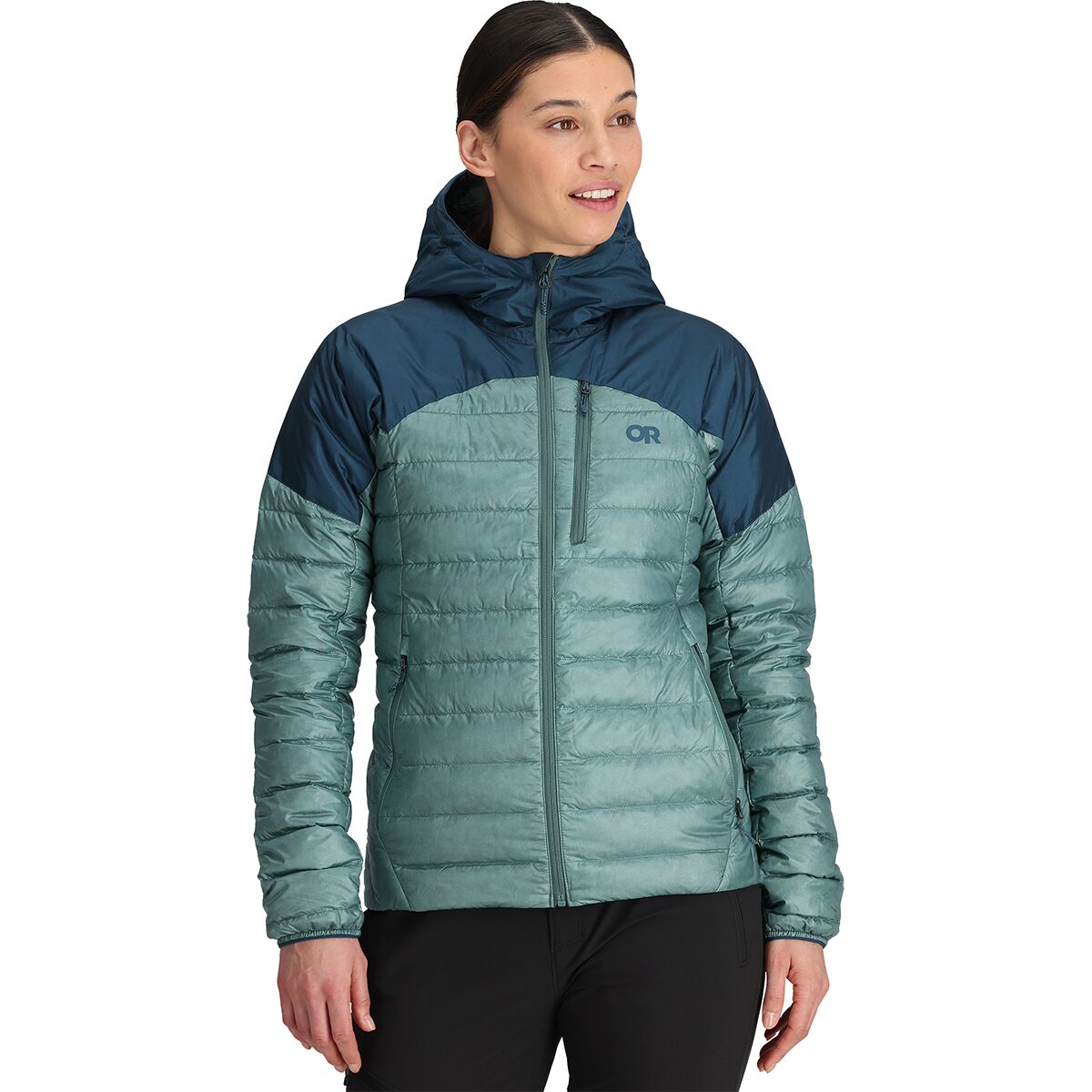 Outdoor Research Women's Climb Jackets
 Outdoor Research Women's Climb Pants
 Outdoor Research Women's Climb Tops
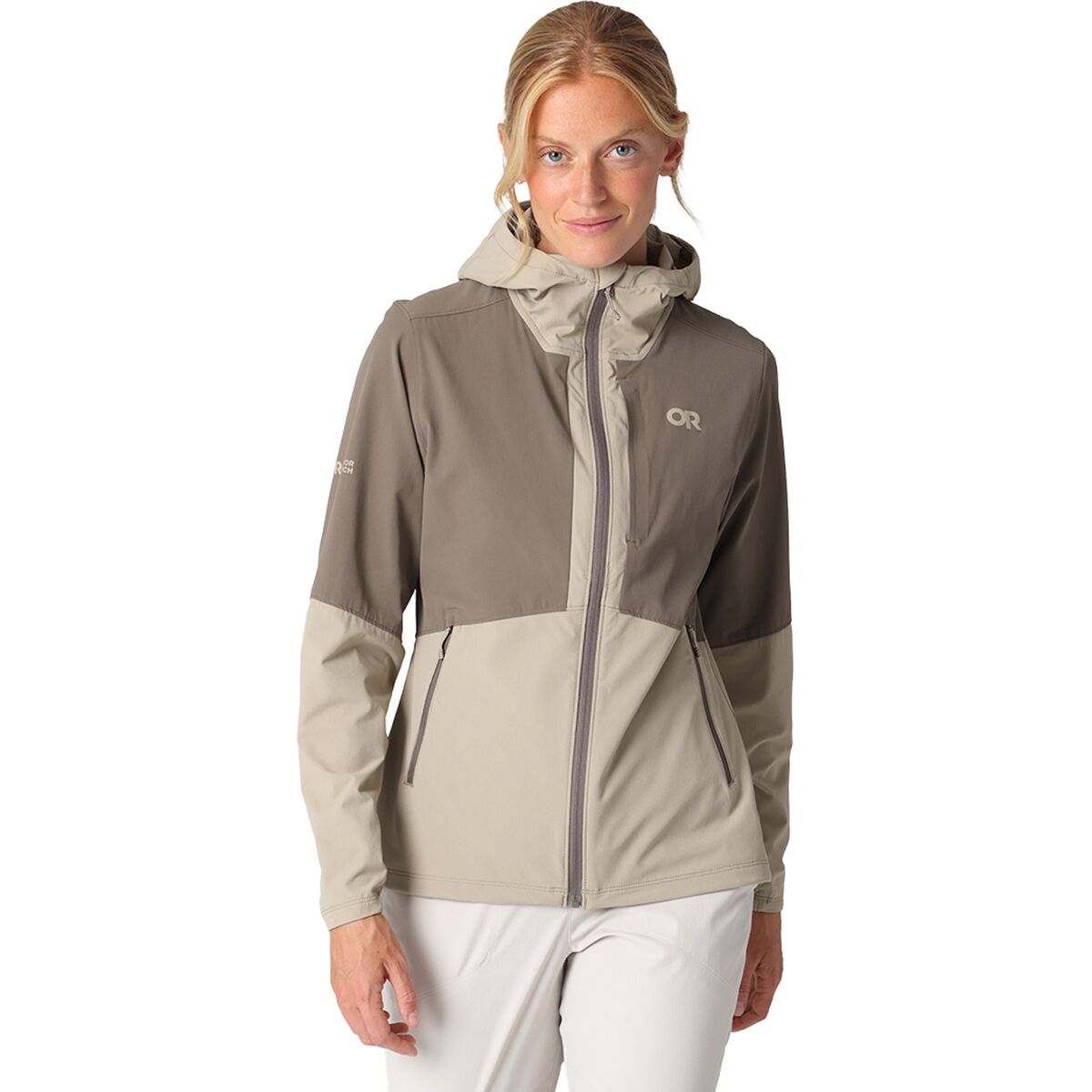 Outdoor Research Women's Climbing Clothing
Frequently Asked Questions
What design elements make Outdoor Research climbing apparel well suited for rock and alpine climbing?
Outdoor Research mixes ultralight, packable materials with climbing-specific fits—helmet-compatible hoods, stretch fabrics, and gusseted construction—to preserve mobility on technical moves. Look for abrasion-resistant ripstop/Cordura panels, YKK hardware, and breathable membranes (Pertex Shield, GORE‑TEX options) that balance weather protection with weight savings.How does the Helium II jacket perform on multi-pitch routes?
The Helium II is purpose-built for multi-pitch use: a 5.5 oz Pertex Shield shell (100% nylon, 30D ripstop) with a helmet-compatible adjustable hood and YKK Aquaguard zipper that sheds wind and rain while remaining highly compressible. It stuffs into its pocket with a carabiner loop for easy attachment to a harness or pack, giving dependable waterproof/breathable protection without excess bulk.Ferrosi softshell versus Mentor (GORE‑TEX) hardshell — which is better for alpine or mixed routes?
Choose Ferrosi softshell for high-movement, dry or mildly variable conditions where stretch and breathability reduce overheating on steep approaches and long cruxes. Opt for the Mentor or a GORE‑TEX Pro hardshell when you expect sustained wet, icy, or mixed conditions—the hardshell provides more reliable waterproofing, room for layering, and features like double zippers for belay access. Match the choice to forecast, activity intensity, and layering needs rather than a single “best” option.What should I look for in climbing pants and shorts for sport climbing and bouldering?
Prioritize stretch and articulation—Quarry pants/shorts offer a gusseted crotch and internal drawstring waist for harness compatibility and high-stepping moves, plus abrasion-resistant fabrics and a zippered thigh pocket that sits under a harness. Choose a relaxed or athletic fit with durable panels where your body contacts rock, and favor fabrics with a cotton/spandex or hemp blend if you want breathability and odor resistance for long sessions.How should I size and pack Outdoor Research layers and packs for longer approaches and alpine objectives?
Size garments with layering in mind—size up slightly for insulating midlayers like the Deviator or Filament so you can trap warmth without restricting movement, and verify hoods are helmet-compatible and seals are adjustable. For approaches, favor packable ultralight pieces (Helium II stuffs into its pocket) and hard-use backpacks with hip belts for long carries; small approach packs like the Payload 18 work for short routes but lack a hip belt and hydration features. As a rule of thumb, target lightweight/packable pieces (often under ~200–300 g) for alpine missions to minimize carry burden.