


Up To 20% Off Full-Price Items
Shop now
EXTRA 20% Off Clearance
Shop now | Ends 11/9
Get An EXTRA $50 Cash Back*
Summit+ exclusive
Ortovox Ski
78 results


Ortovox
LiTRIC Freeride 28L Airbag Avypack Backpack
1 color
Discount Applies In Cart | Ends 11/16

Ortovox
Ravine Plus 3L Jacket - Men's
3 colors
Discount Applies In Cart | Ends 11/16
(1)

Ortovox
LiTRIC Tour S 28L Airbag Avypack Backpack
1 color
Discount Applies In Cart | Ends 11/16


Ortovox
Ravine Free 3L Pant - Men's
3 colors
Discount Applies In Cart | Ends 11/16

Ortovox
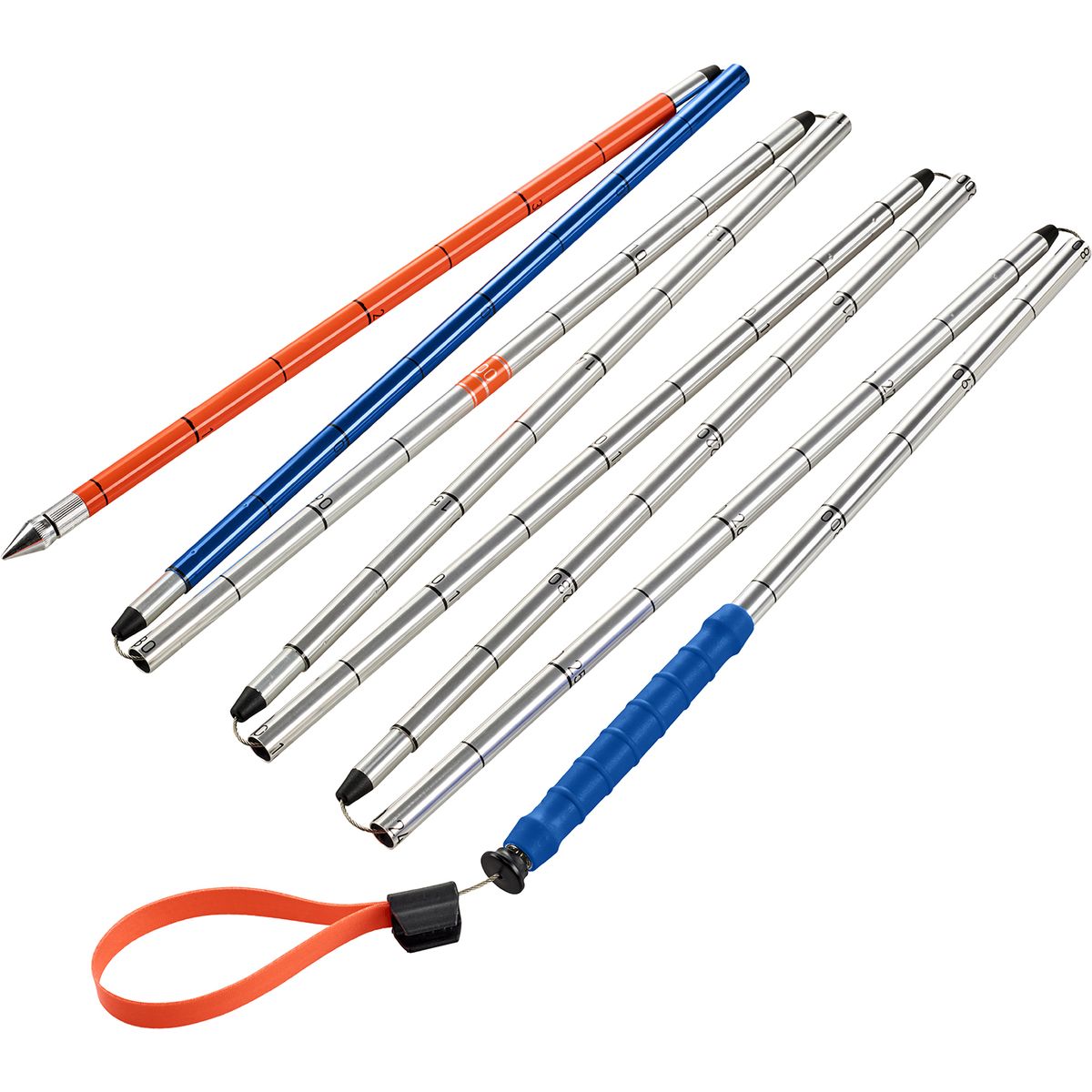
Probe Alu 320+ PFA
1 color
Winter Sale

Ortovox
Focus Voice Avalanche Transceiver
1 color
Discount Applies In Cart | Ends 11/16

Ortovox
3L Ortler Jacket - Men's
3 colors
Spend $800+ On Outerwear, Get $50 | Summit+

Ortovox
Ravine Free 3L Jacket - Men's
3 colors
Discount Applies In Cart | Ends 11/16
(1)

Ortovox
120 Comp Light Short Pant - Men's
2 colors
Discount Applies In Cart | Ends 11/16
(1)

Ortovox
Diract Voice Avalanche Transceiver
1 color
Discount Applies In Cart | Ends 11/16

Ortovox
185 Rock'N'Wool Long-Sleeve Top - Men's
4 colors
Discount Applies In Cart | Ends 11/16

Ortovox
Ortler Gore-Tex Pant - Men's
2 colors
Discount Applies In Cart | Ends 11/16

Ortovox
Ravine Plus 3L Bib Pant - Men's
2 colors
Discount Applies In Cart | Ends 11/16
(1)

Ortovox
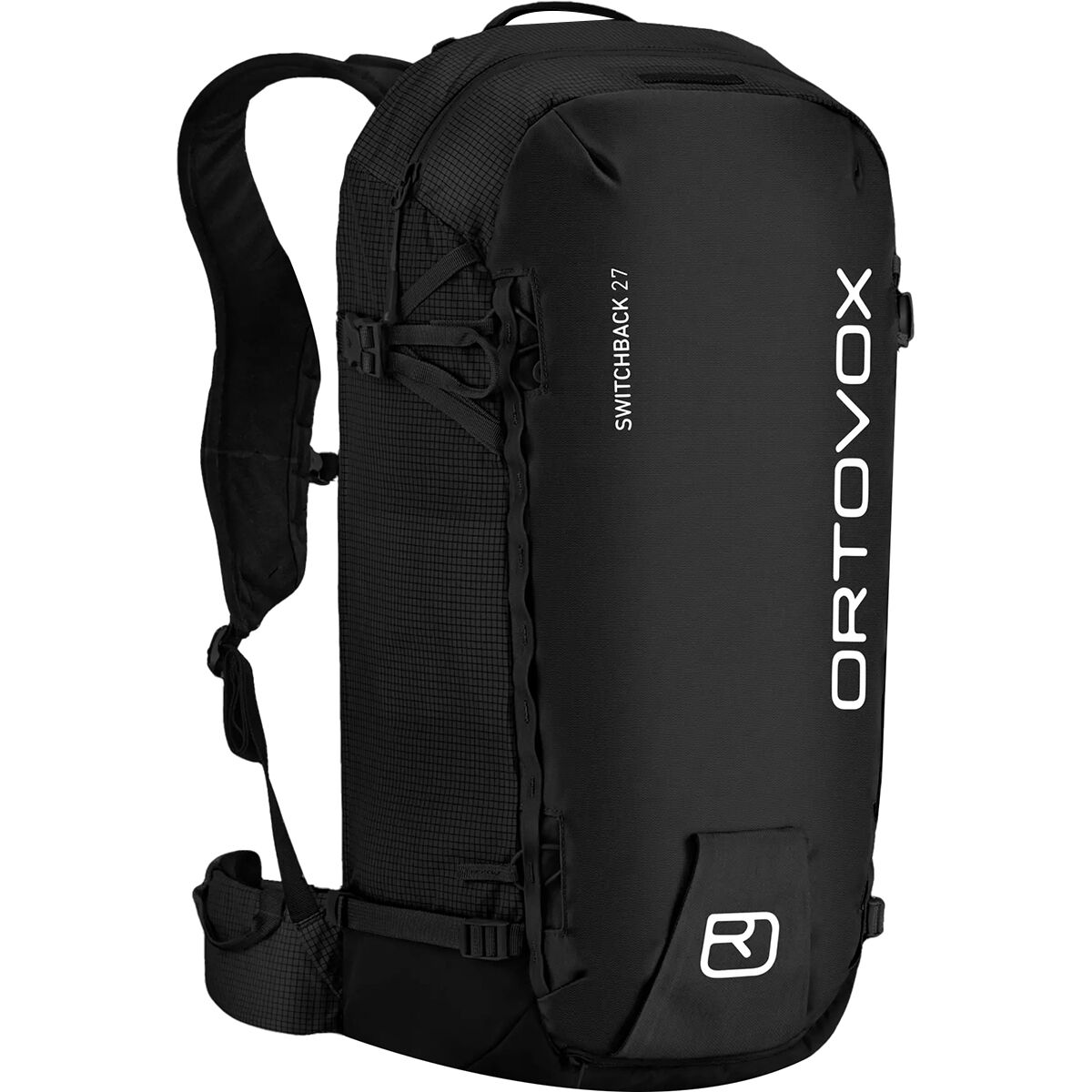
Switchback 32L Backpack
3 colors
Discount Applies In Cart | Ends 11/16

Ortovox
Ravine Plus 3L Pant - Men's
2 colors
Discount Applies In Cart | Ends 11/16

Ortovox
185 Rock'N'Wool Long-Sleeve Top - Women's
3 colors
Discount Applies In Cart | Ends 11/16

Ortovox
185 Rock'N'Wool Short Pant - Men's
4 colors
Discount Applies In Cart | Ends 11/16

Ortovox
Fisherman Beanie
2 colors
Winter Sale

Ortovox
Mesola Jacket - Men's
2 colors
Spend $800+ On Outerwear, Get $50 | Summit+
New Arrival

Ortovox
Fleece Light Short Pant - Women's
1 color
Discount Applies In Cart | Ends 11/16

Ortovox
Tour Rider 30L Backpack
2 colors
Extra 20% Off Clearance | Ends 11/9
(3)

Ortovox
Haute Route 40L Backpack
2 colors
Discount Applies In Cart | Ends 11/16

Ortovox
Haute Route S 30L Backpack
4 colors
Discount Applies In Cart | Ends 11/16
(1)

Ortovox
Free Rider 20L Backpack - Women's
2 colors
Discount Applies In Cart | Ends 11/16

Ortovox
Shovel Pro Light
1 color
Discount Applies In Cart | Ends 11/16
(1)

Ortovox
185 Rock'N'Wool Zip Neck Top - Men's
3 colors
Discount Applies In Cart | Ends 11/16
(1)

Ortovox
Ortler Gore-Tex Jacket - Men's
3 colors
Discount Applies In Cart | Ends 11/16

Ortovox
Haute Route 32L Backpack
3 colors
Discount Applies In Cart | Ends 11/16
(4)

Ortovox
120 Comp Light Long-Sleeve Top - Women's
2 colors
Discount Applies In Cart | Ends 11/16
(1)

Ortovox
Switchback 25L S Backpack - Women's
1 color
Extra 20% Off Clearance | Ends 11/9

Ortovox
Fleece Light Short Pant - Women's
3 colors
Winter Sale
(1)

Ortovox
Powder Rider 16L Backpack
4 colors
Discount Applies In Cart | Ends 11/16

Ortovox
120 Comp Light Long-Sleeve Top - Men's
1 color
Discount Applies In Cart | Ends 11/16
(1)

Ortovox
Rescue Set Diract Voice
1 color
Discount Applies In Cart | Ends 11/16
(1)

Ortovox
185 Rock'N'Wool Long Pant - Women's
4 colors
Winter Sale

Ortovox
Downwool 180 Hooded Jacket - Women's
2 colors
Discount Applies In Cart | Ends 11/16

Ortovox
Cross Rider 22L Backpack
3 colors
Discount Applies In Cart | Ends 11/16
(3)

Ortovox
185 Rock'N'Wool Print Long-Sleeve Shirt - Men's
1 color
Winter Sale

Ortovox
Tour Rider S 28L Backpack
1 color
Winter Sale
(1)

Ortovox
Switchback 25L S Backpack - Women's
2 colors
Discount Applies In Cart | Ends 11/16

Ortovox
Deep Knit Beanie
3 colors
Discount Applies In Cart | Ends 11/16

Ortovox
Badger Shovel
1 color
Discount Applies In Cart | Ends 11/16
Related Categories



Frequently Asked Questions
How do the Ortler 3L, Ravine Plus 3L, and Deep Shell Combo compare for uphill-focused ski touring versus freeride days?
The Ortler 3L is aimed at uphill-focused touring with an ultralight, athletic cut (Ortler listed around 15.7 oz) and strong packability, while the Ravine Plus 3L has a looser, freeride-oriented fit for greater mobility and layering. The Deep Shell Combo (jacket + trousers/bib) leans toward all‑round protection with roomier cut and integrated pant options that suit mixed days where powder protection and on-trail comfort both matter. If you prioritize low weight and ventilation for long skintracks choose the Ortler; if you want room for aggressive turns and thicker midlayers pick the Ravine or Deep Shell setup.Should I choose Ortovox bibs or regular pants for backcountry skiing and what are the trade-offs?
Bibs (found in some Deep Shell and Guardian combos) offer superior snow protection and warmth in deep powder and during long belays, but non-removable bibs can trap heat during sustained uphill skinning and are less ventilated. Regular pants or bib-less Deep Shell trousers provide better waist ventilation and quicker adjustment for transitions, and adjustable hip Velcro on many models helps fit comfort. Choose bibs if you spend most days in deep snow or want extra coverage; choose pants if you prioritize uphill breathability and easier layering.How should I size Ortovox shells to accommodate helmets, packs, and layering?
Ortovox tends toward athletic or regular fits—Ortler skews slimmer, Deep Shell is slightly roomier, and the Ravine Plus runs loose for freedom of movement—so pick a size that fits your base and midlayer without restricting shoulder or arm mobility. Try on with a helmet and a 100–300‑fill midlayer if possible; a useful data point is that a Medium fit a 179 cm/72 kg tester with slightly tighter jacket fit but adequate sleeve length. Also check hood articulation over a helmet, as some hoods can feel a bit restricted when fully cinched.What specific features should I prioritize on an Ortovox jacket for technical backcountry use?
Look for large underarm vent zips for regulated airflow during hard climbs, a helmet‑compatible adjustable hood with merino chin guard for comfort, dedicated avalanche-transceiver and goggle pockets, and reinforced cuffs/hem areas for durability against ski edges. Prefer 3-layer Dermizax construction for waterproof/breathable performance, and prioritize models with durable reinforcements (e.g., high Martindale values like on the Pordoi) if you expect heavy abrasion; also plan to maintain the DWR periodically to keep water beading.