


Up To 20% Off Full-Price Items
Shop now
EXTRA 20% Off Clearance
Shop now | Ends 11/9
Get An EXTRA $50 Cash Back*
Summit+ exclusive
On Women's Clothing
14 results

On
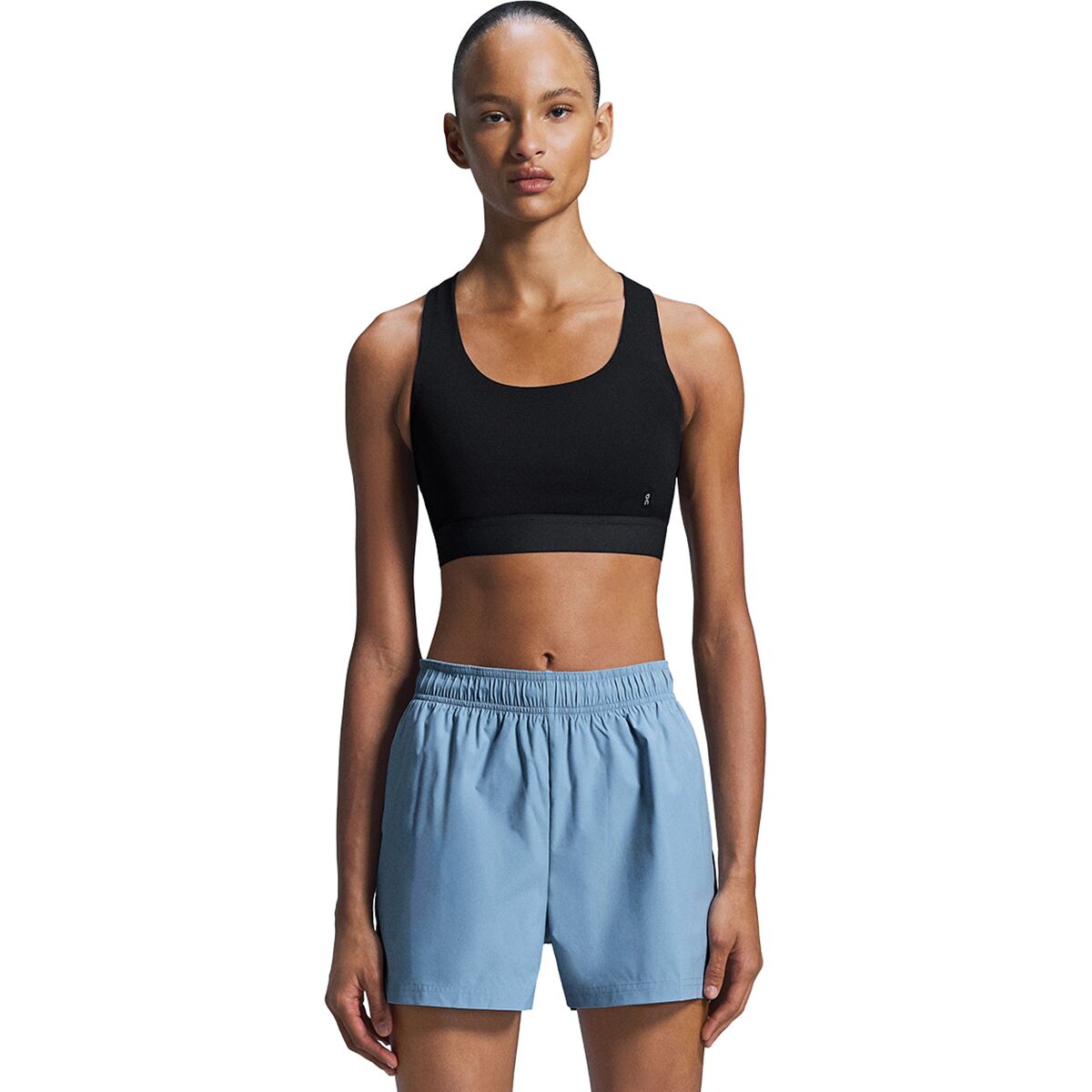
Core Bra - Women's
4 colors
$49.95
Discount Applies In Cart | Ends 11/16

On
Performance Winter Tights - Women's
2 colors
$129.95
Discount Applies In Cart | Ends 11/16


On
Performance Bra - Women's
3 colors
$74.95
Discount Applies In Cart | Ends 11/16

On
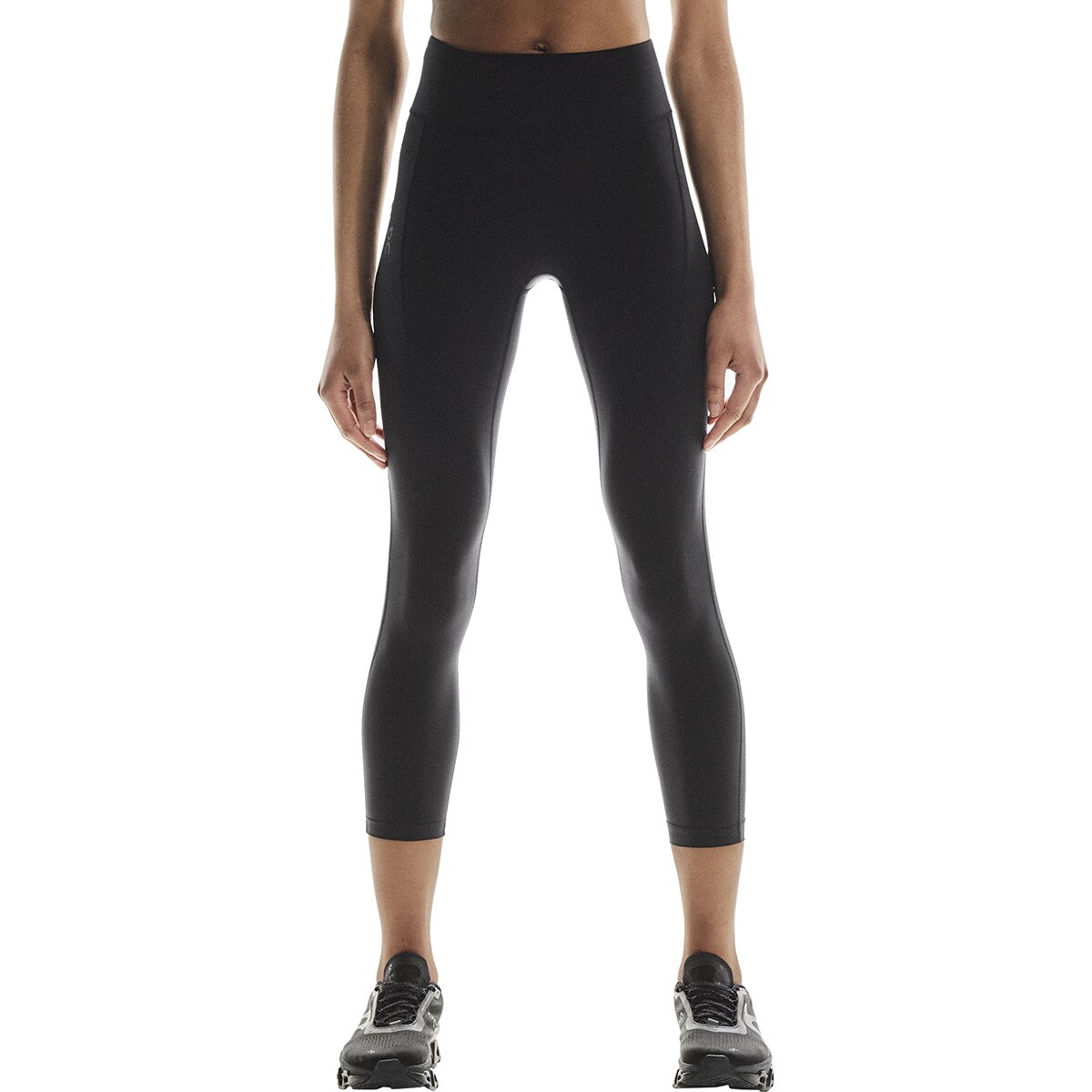
Performance 7/8 Tights - Women's
3 colors
$119.95
Discount Applies In Cart | Ends 11/16

On
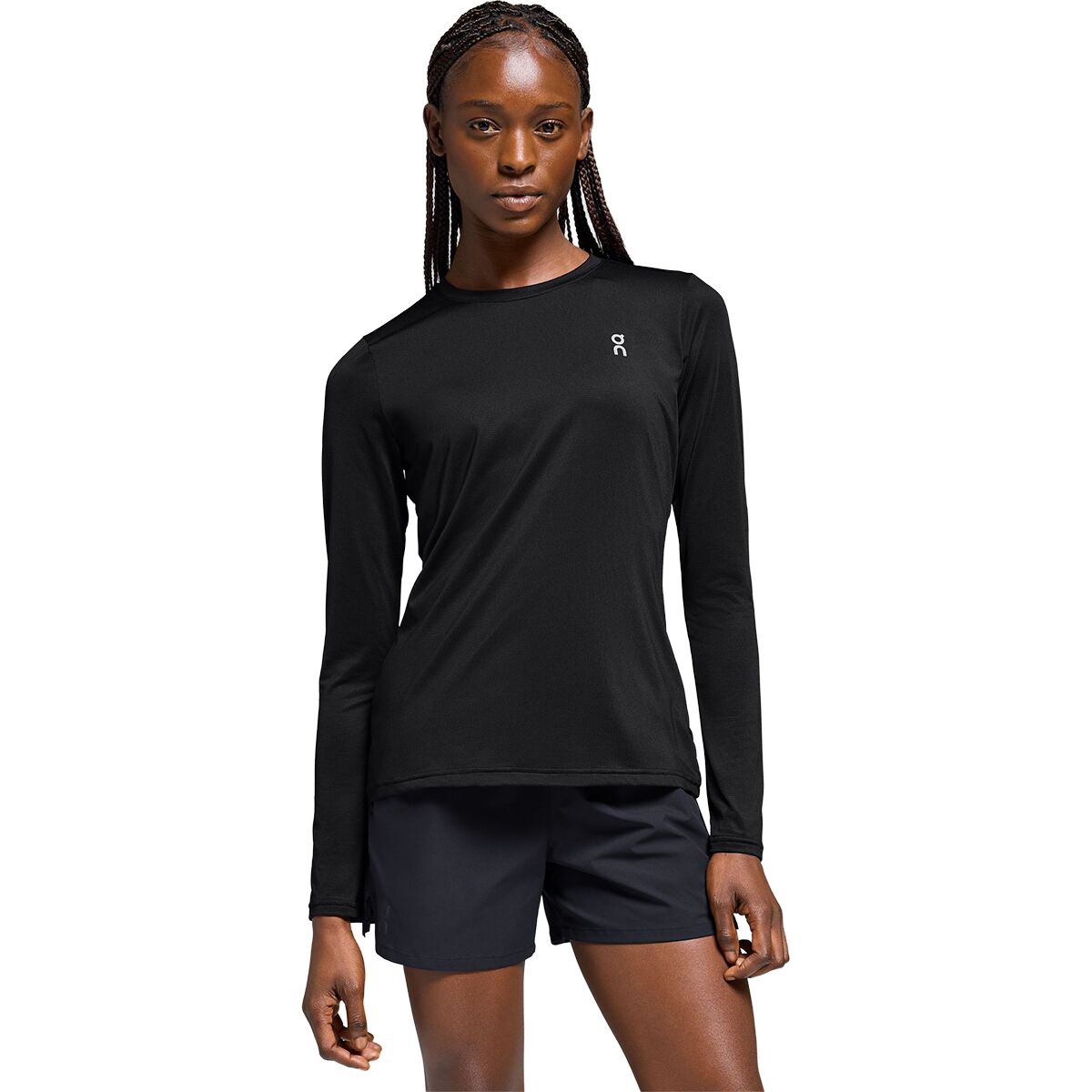
Core Long-Sleeve T-Shirt - Women's
1 color
$69.95
Discount Applies In Cart | Ends 11/16

On
Core Pant - Women's
1 color
$119.95
Discount Applies In Cart | Ends 11/16

On
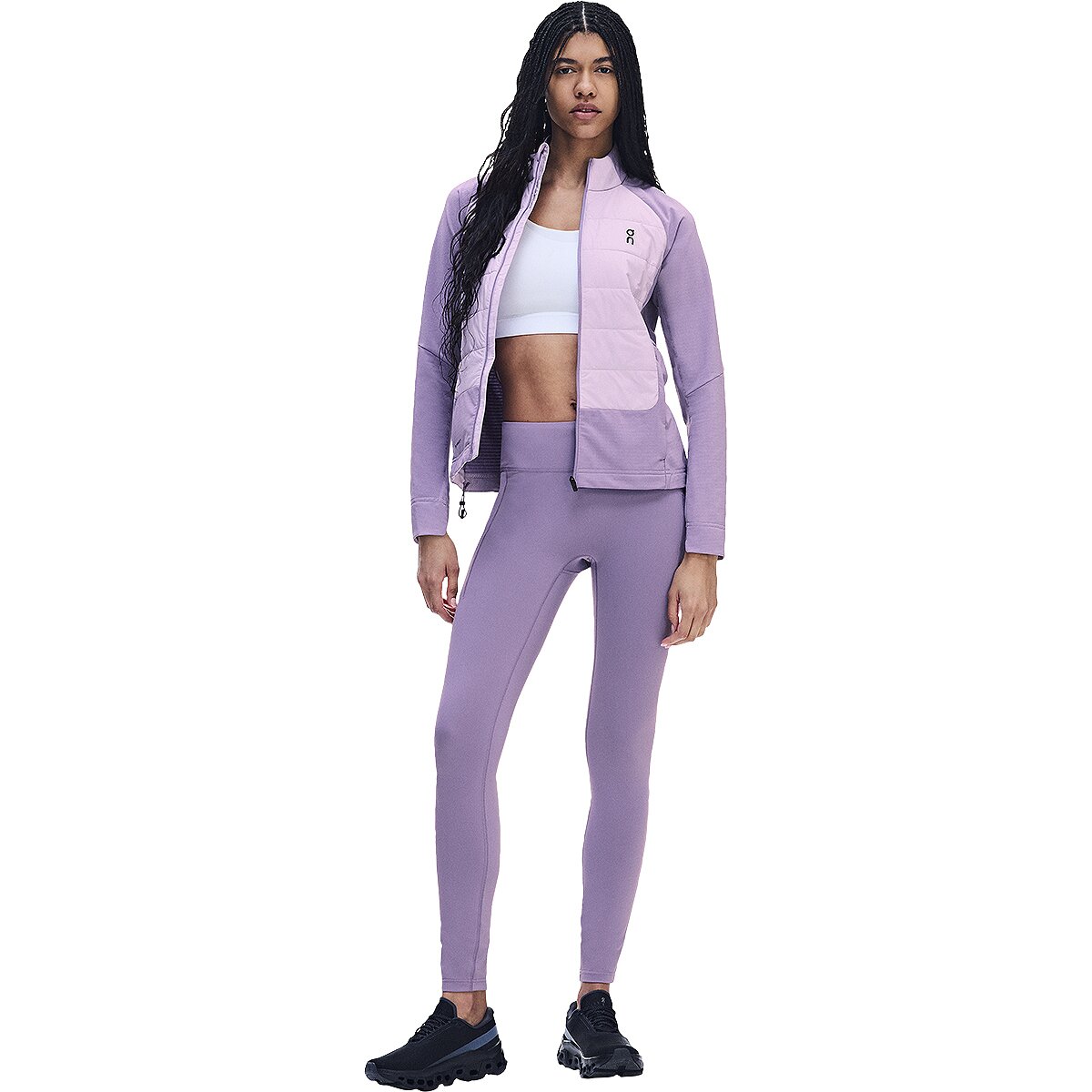
Zero Jacket - Women's
1 color
$159.95
Discount Applies In Cart | Ends 11/16

On
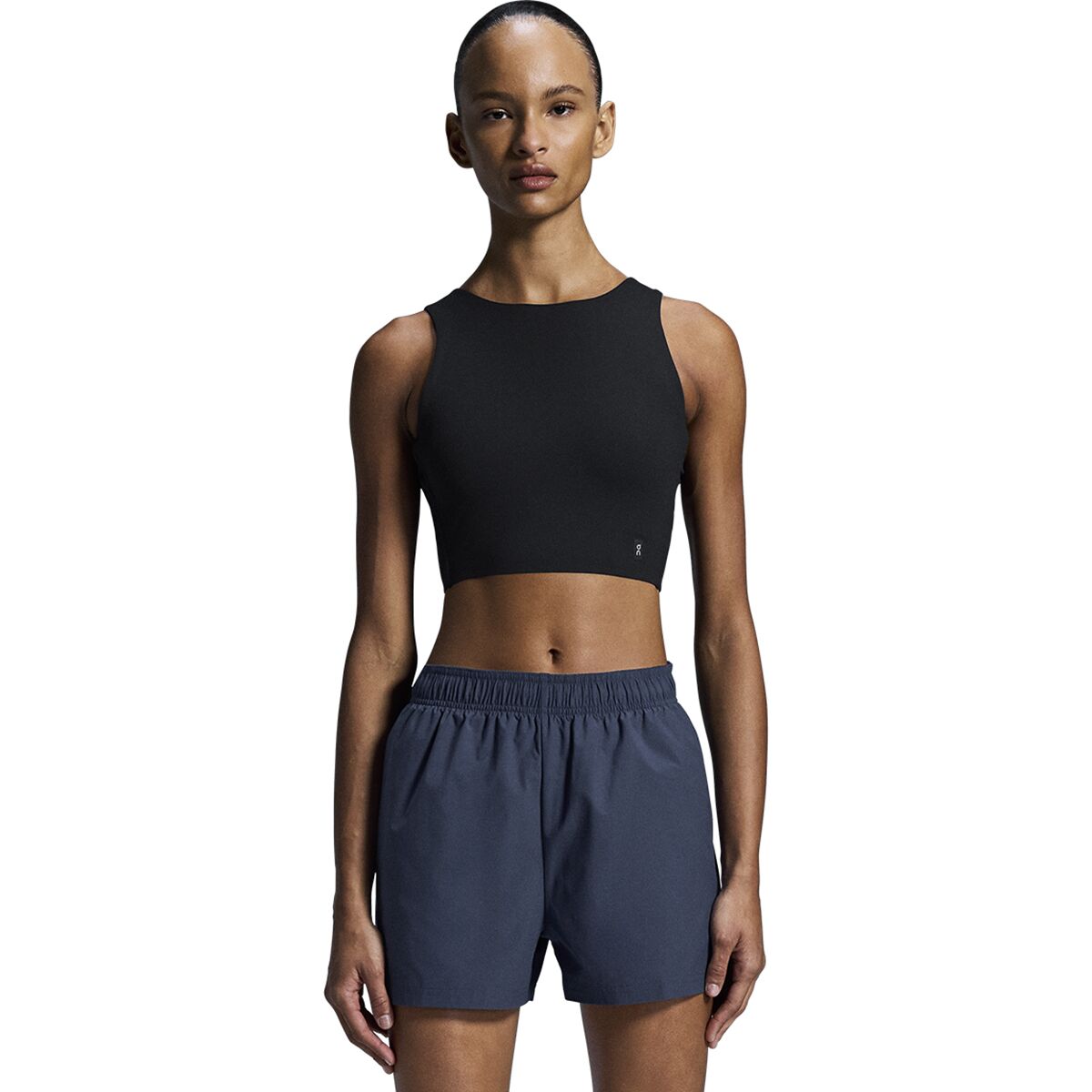
Zero Crop Tank Top - Women's
1 color
$60.47 - $109.95
Up to 45% off
Discount Applies In Cart | Ends 11/16

On
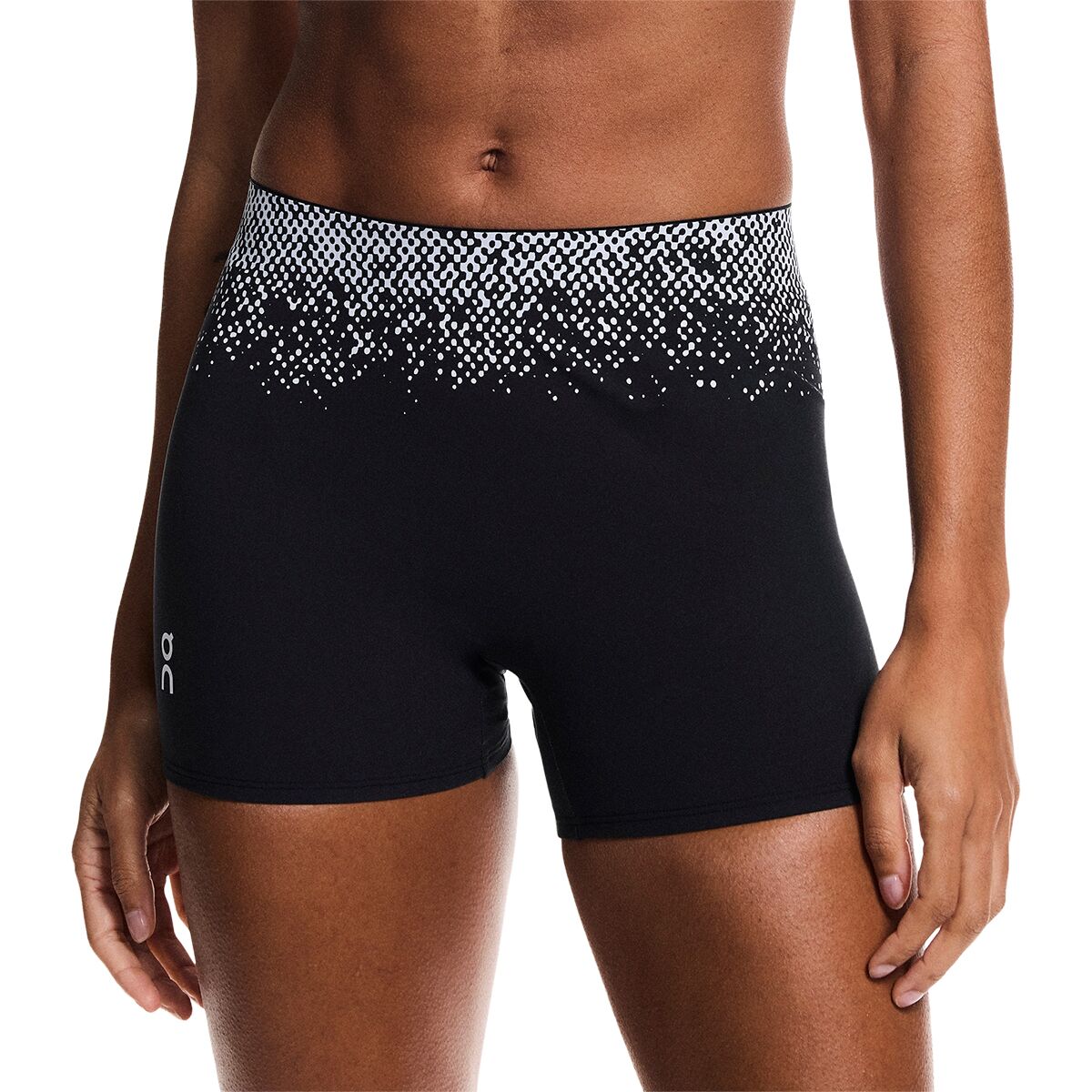
Performance Short Tights - Women's
2 colors
$69.95
Discount Applies In Cart | Ends 11/16

On
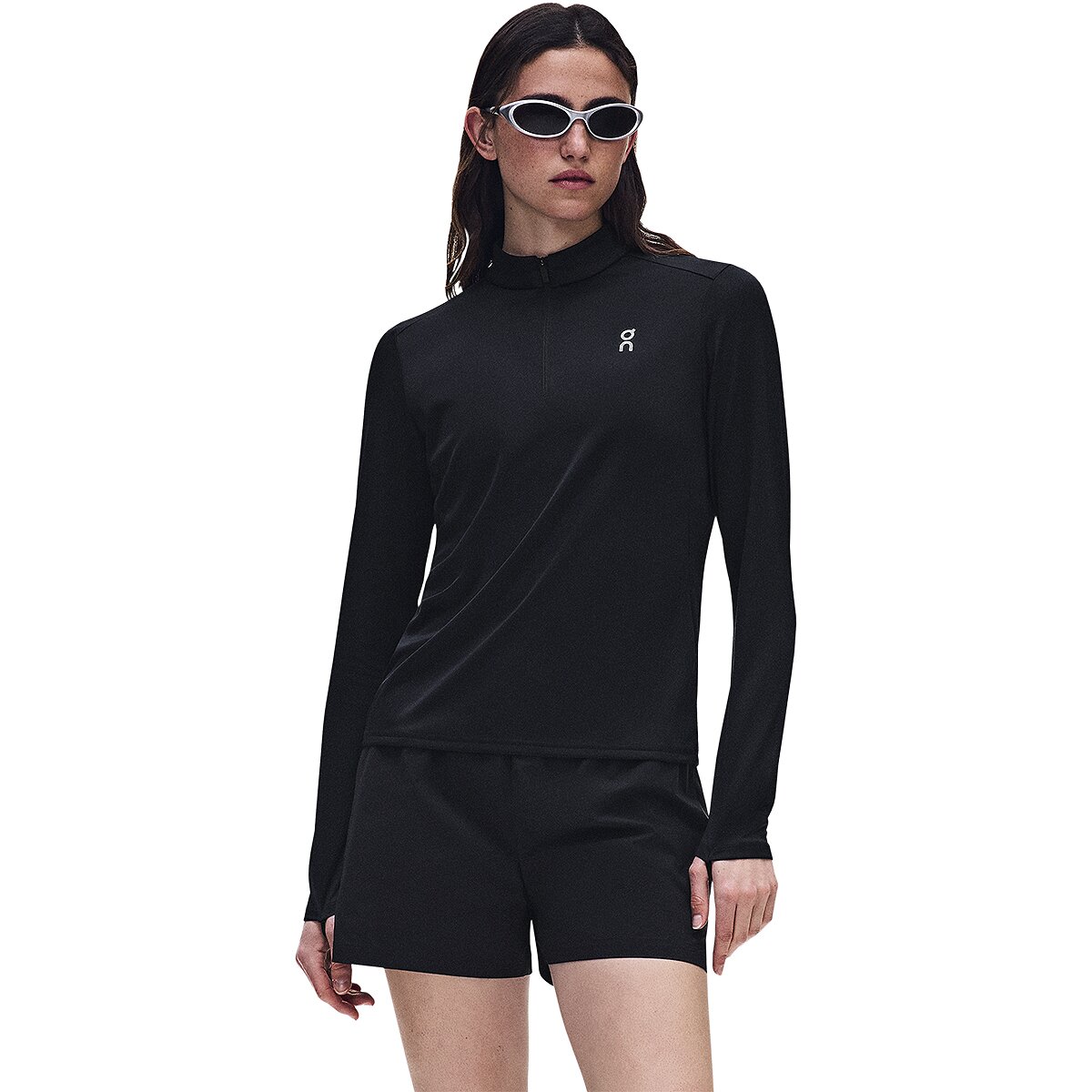
Core 1/4-Zip Top - Women's
3 colors
$89.95
Discount Applies In Cart | Ends 11/16

On
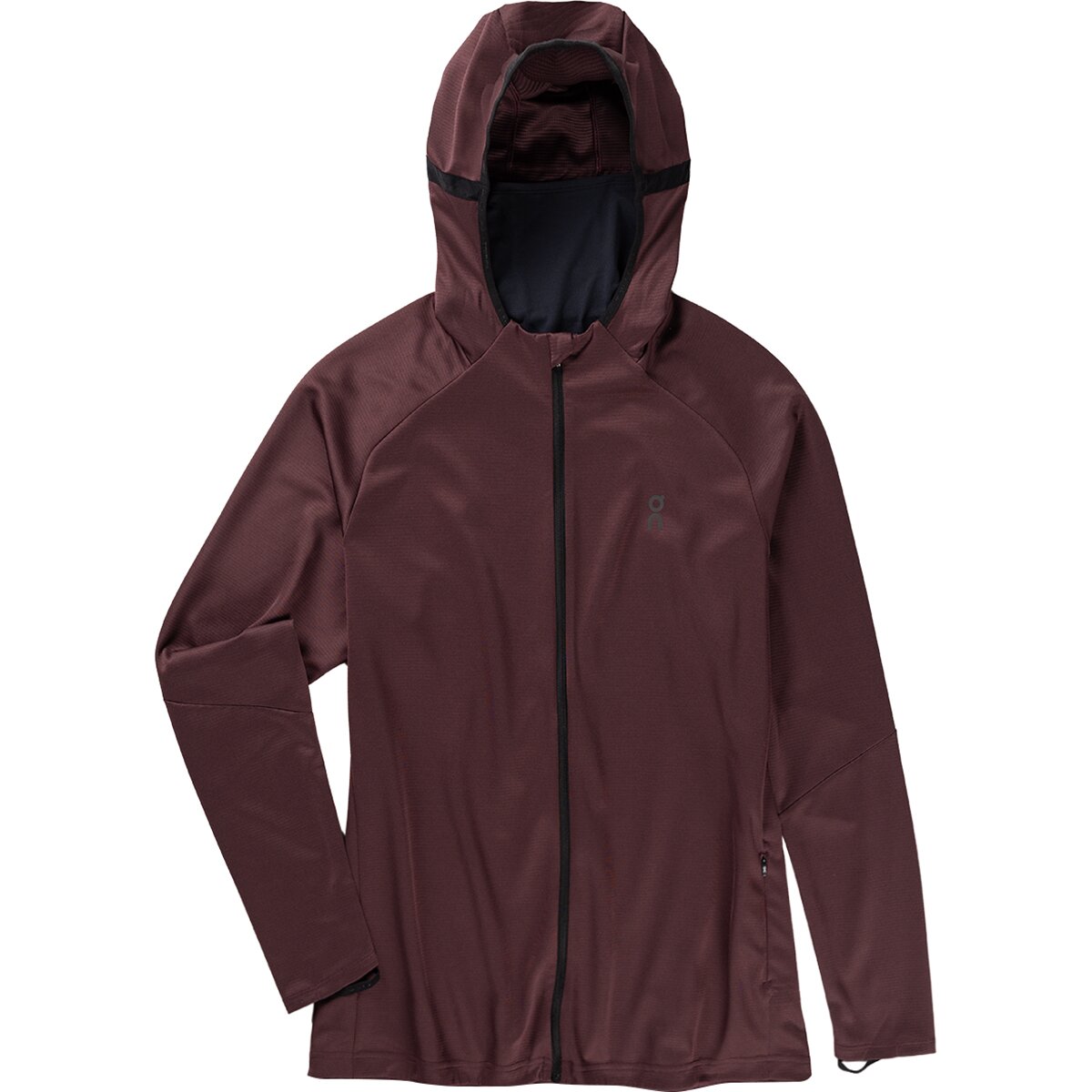
Climate Zip Hoodie - Women's
1 color
$129.95
Discount Applies In Cart | Ends 11/16

On
Core 2-in-1 Crop Tank Top - Women's
3 colors
$54.95
Discount Applies In Cart | Ends 11/16

On
3in Core Short - Women's
1 color
Current price: $41.96 Original price: $59.95
30% off
Winter Sale

On
Climate Zip Hoodie - Women's
1 color
Current price: $90.96 Original price: $129.95
30% off
Winter Sale
Related Categories

Frequently Asked Questions
How does On tailor women's-specific fit in jackets and leggings?
On designs women’s cuts with shorter torso lengths, darted chests, and hip-friendly shaping to reduce excess fabric and improve layering. Look for features like gusseted underarms, articulated knees, and adjustable waists that maintain mobility for running, hiking, and training without bunching or riding up.What fabrics and construction should I look for in On women's apparel for moisture management and odor control?
Prioritize synthetic wicking blends (polyester or polypropylene) and merino-wool options that pull sweat away from skin and dry quickly; merino also adds natural odor resistance. Construction details like flatlock seams, stretch knit panels, and venting zones increase comfort during sustained effort while durable face fabrics and reinforced high-wear areas extend product life.Which On outer layers are best for wet/windy conditions versus cold, dry conditions?
For wet or windy weather, choose a lightweight shell with a DWR-treated face fabric and taped or well-sealed seams for breathability and packability; these are ideal for trail runs and fast hikes. For cold, dry conditions, opt for an insulated jacket that pairs a breathable shell with synthetic or natural insulation and use it as a mid- or outer layer depending on activity intensity.How do I pick the right On leggings or tights for high-mobility activities like trail running?
Choose leggings with four-way stretch fabrics, a gusseted crotch, and articulated seams to prevent restriction during climbs and technical terrain; a high or adjustable waistband helps keep layers in place while moving. Also look for secure storage (zip or deep pockets), durable knit on abrasion zones, and breathability ratings that match your typical effort level and season.How does an On lightweight running layer compare to an insulating midlayer, and when should I use each?
A lightweight running layer focuses on low bulk, high breathability, and moisture transfer for aerobic efforts, making it ideal for warm-weather runs or high-output training. An insulating midlayer traps heat and is best for cooldowns, layered hikes, or cold starts—pair a breathable running layer next to skin with an insulating layer over it when activity drops or temperatures fall.