


Up To 20% Off Full-Price Items
Shop now
EXTRA 20% Off Clearance
Shop now | Ends 11/9
Get An EXTRA $50 Cash Back*
Summit+ exclusive
On Men's Clothing
24 results

On
Core Long-Sleeve T-Shirt - Men's
3 colors
Discount Applies In Cart | Ends 11/16

On
Core Run Mid 2P Sock
4 colors
Discount Applies In Cart | Ends 11/16

On
Core T-Shirt - Men's
3 colors
Discount Applies In Cart | Ends 11/16


On
Core Pant - Men's
2 colors
Discount Applies In Cart | Ends 11/16

On
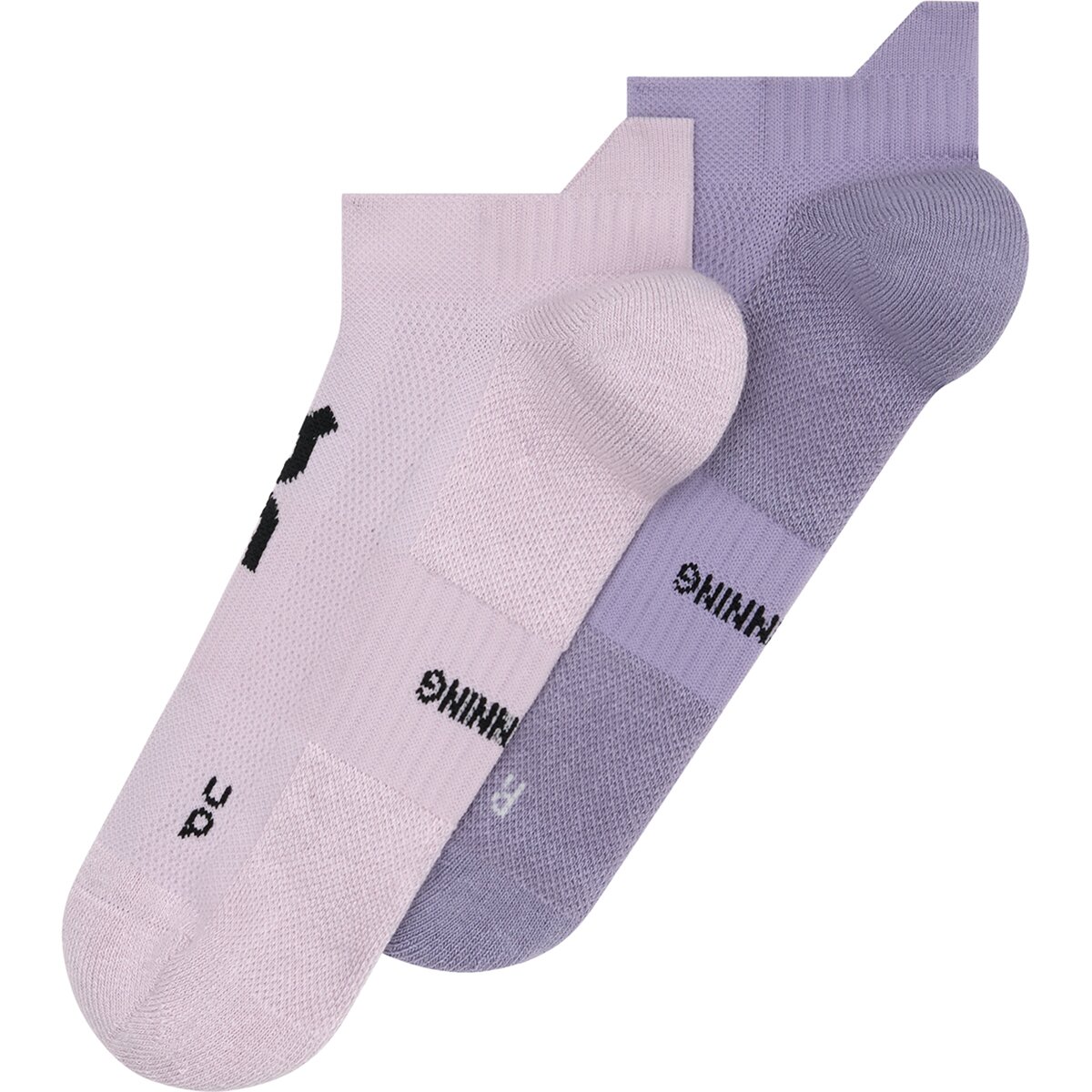
Core Run Low 2P Sock
3 colors
Discount Applies In Cart | Ends 11/16

On
Weather Winter Pant - Men's
1 color
Discount Applies In Cart | Ends 11/16

On
5in Core Short - Men's
2 colors
Discount Applies In Cart | Ends 11/16
(1)

On
On Run T-Shirt - Men's
2 colors
Discount Applies In Cart | Ends 11/16

On
Climate Long-Sleeve Shirt - Men's
2 colors
Discount Applies In Cart | Ends 11/16

On
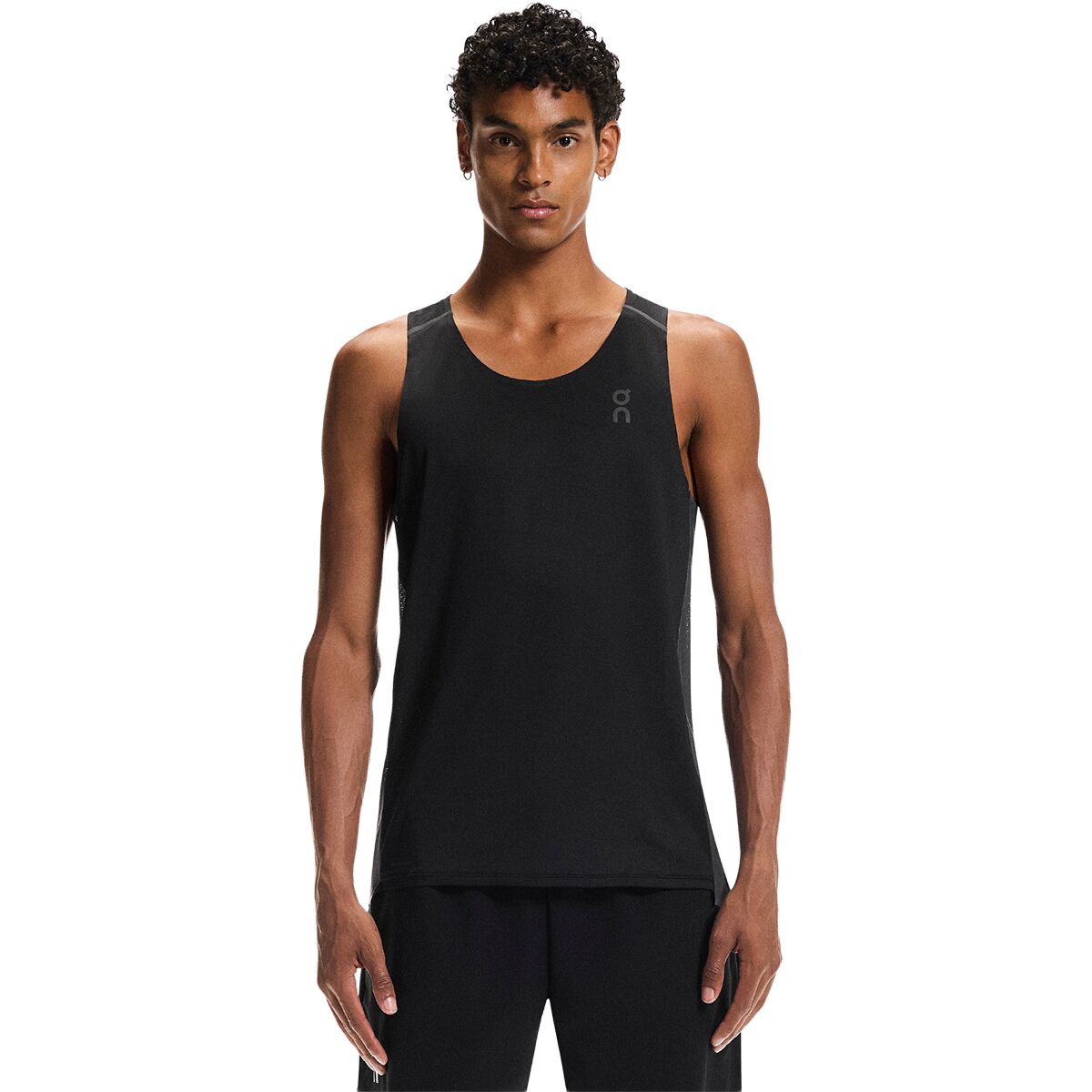
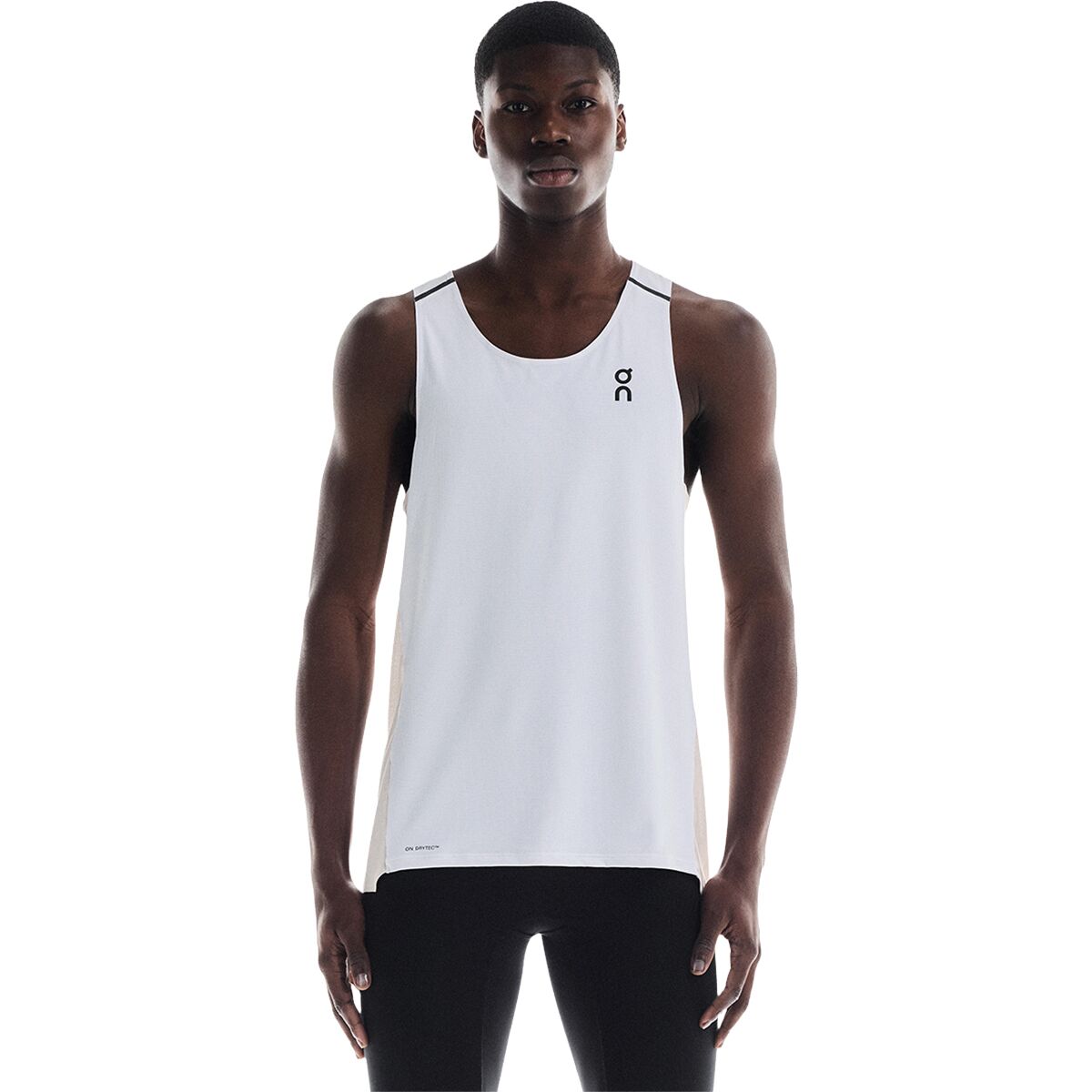
Performance Tank Top - Men's
2 colors
Discount Applies In Cart | Ends 11/16

On
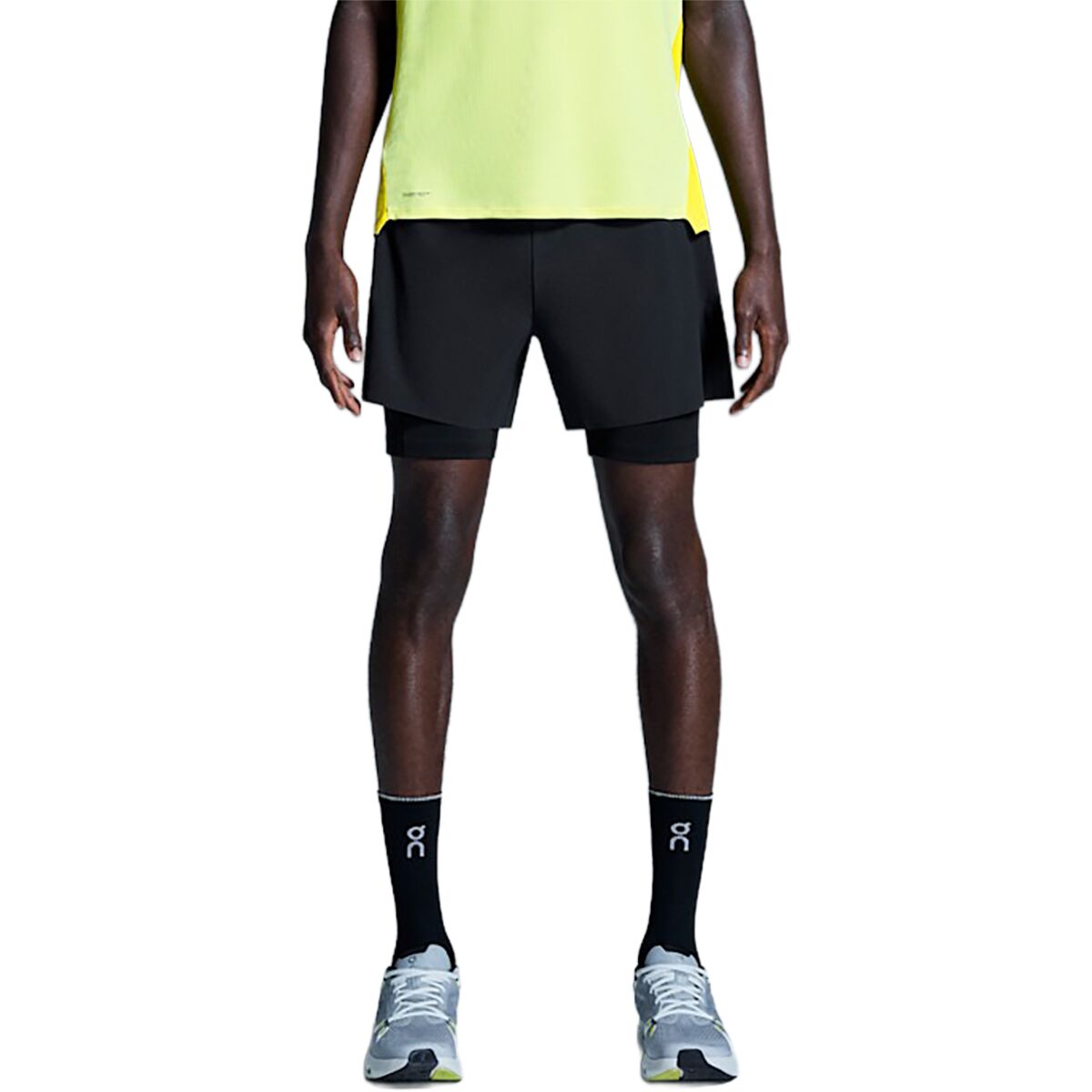
5in Performance 2/1 Short - Men's
3 colors
Discount Applies In Cart | Ends 11/16

On
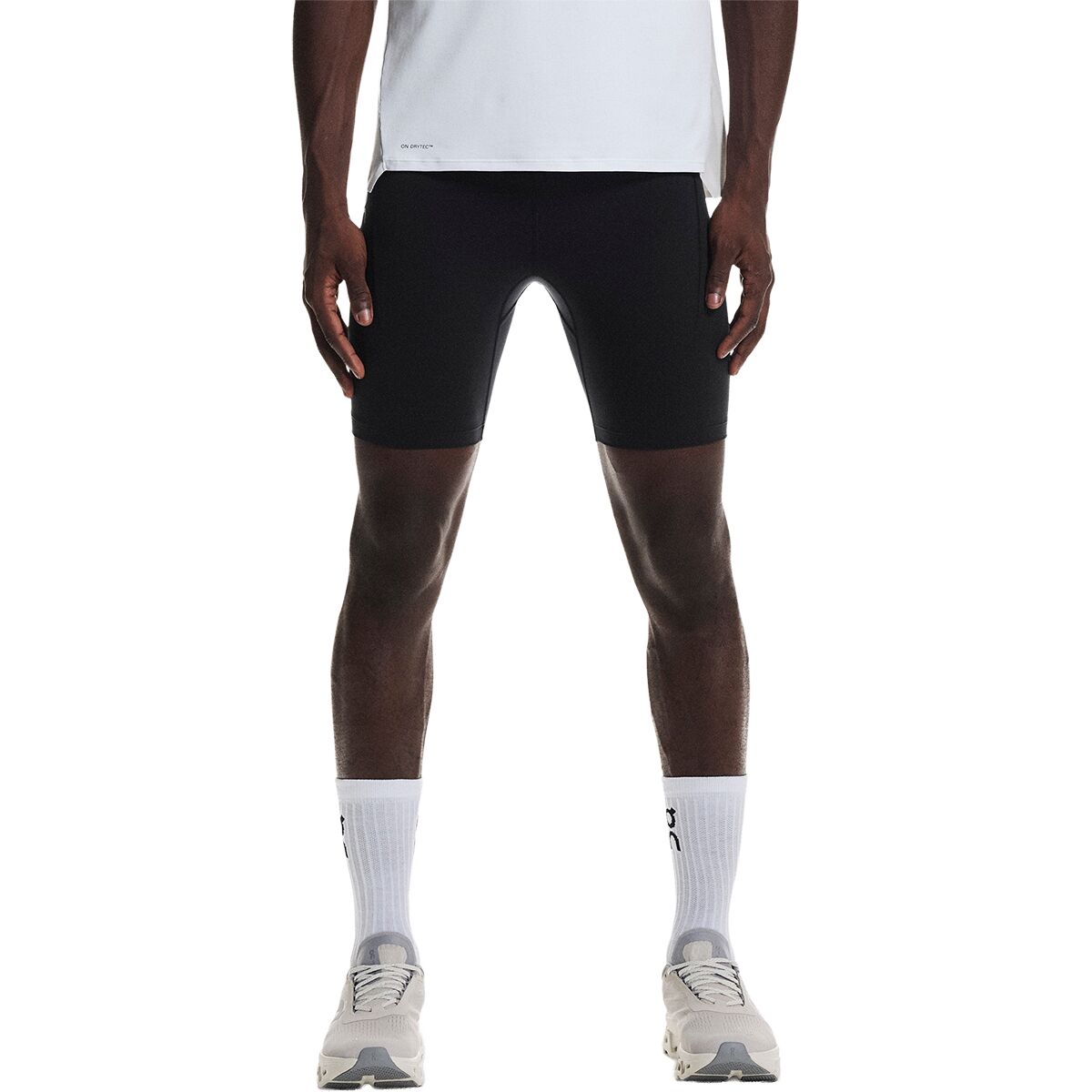
8in Performance Tight - Men's
1 color
Discount Applies In Cart | Ends 11/16

On
7in Core Short - Men's
2 colors
Discount Applies In Cart | Ends 11/16
(1)

On
Core Run High 2P Sock
2 colors
Discount Applies In Cart | Ends 11/16

On
Performance Run Low Sock
1 color
Discount Applies In Cart | Ends 11/16

On
Performance Run Mid Sock
1 color
Discount Applies In Cart | Ends 11/16

On
Performance T-Shirt - Men's
2 colors
Discount Applies In Cart | Ends 11/16

On
Elite Run Low Sock
1 color
Discount Applies In Cart | Ends 11/16

On
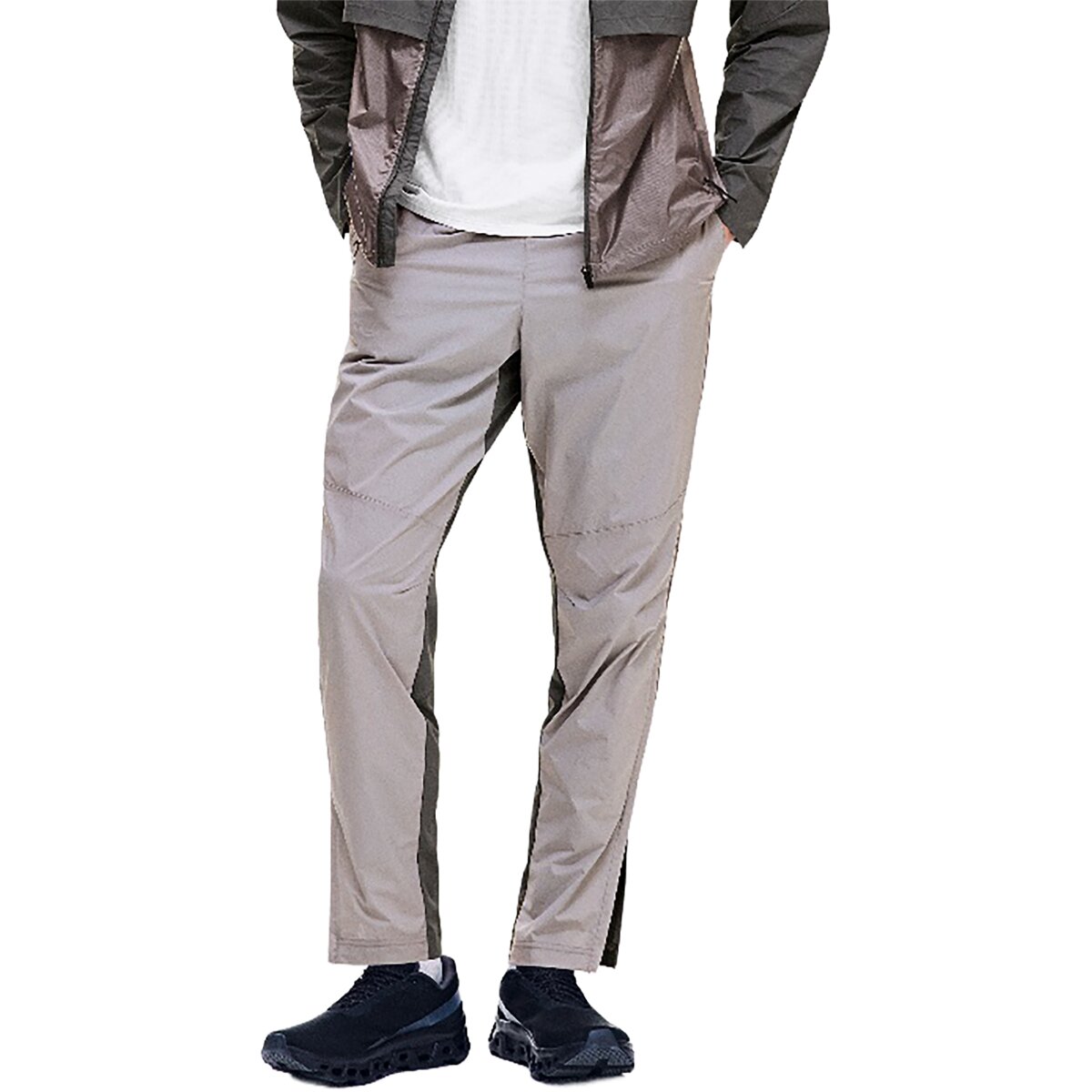
Weather Pant - Men's
2 colors
Discount Applies In Cart | Ends 11/16

On
Weather Insulated Jacket - Men's
1 color
Discount Applies In Cart | Ends 11/16

On
Weather Hybrid Jacket - Men's
2 colors
Discount Applies In Cart | Ends 11/16

On
Performance Volt T-Shirt - Men's
1 color
Extra 10% Off Clearance | Ends 11/09

On
Performance Volt Short - Men's
1 color
Extra 10% Off Clearance | Ends 11/09

On
Focus Pant - Men's
1 color
Discount Applies In Cart | Ends 11/16
Related Categories

Frequently Asked Questions
What makes On men's apparel especially good for high-mobility backcountry activities?
On designs apparel with a layering-first approach and articulated cuts to preserve range of motion during climbing, scrambling, and long approaches. Look for stretch panels, gusseted crotches, and adjustable hems/hoods that lock out wind and compress bulk when needed, plus lightweight, quick-drying fabrics that manage sweat during variable exertion.How should I size On men's jackets and pants if I plan to layer during hikes or alpine days?
Choose a size that leaves room for a midlayer without restricting movement—if you’re between sizes, size up for consistent layering compatibility. Check for adjustable features (hem drawcords, helmet-compatible hoods, articulated knees) and test mobility by raising your arms and squatting to confirm the fit won’t bind when active.What materials and construction details should I prioritize in On outerwear for wind and wet protection?
Prioritize a waterproof/breathable outer shell with a durable water-repellent (DWR) finish and sealed seams when sustained wet protection is required; for mixed conditions, a water-resistant stretch softshell offers better breathability and mobility. Also look for zip vents, pit zips, and laminated hoods to balance weather protection with on-the-move ventilation.How does the On Cloudsurfer jacket compare to the Cloudrock pants for backcountry use?
They serve complementary roles: the Cloudsurfer jacket is built as a lightweight, highly packable outer layer focused on weather management and ventilation, while Cloudrock pants emphasize articulated movement, abrasion resistance, and weather-ready lower-body protection. Pairing the two gives a balanced system—breathable, protective top with durable, mobile bottoms tailored for trail and approach terrain.Which On layers should I prioritize for a lightweight summer-to-fall hiking system?
Start with a moisture-wicking base layer (merino or high-performance synthetic) and a breathable insulating midlayer (light fleece or synthetic fill) that compresses into your pack; the highest priority is a versatile, packable shell with DWR and good ventilation for unpredictable mountain weather. Invest first in a reliable shell for protection, then round out with a versatile midlayer and technical base layers that manage moisture and odor.