


Up To 20% Off Full-Price Items
Shop now
EXTRA 20% Off Clearance
Shop now | Ends 11/9
Get An EXTRA $50 Cash Back*
Summit+ exclusive
On Kids
10 results

On
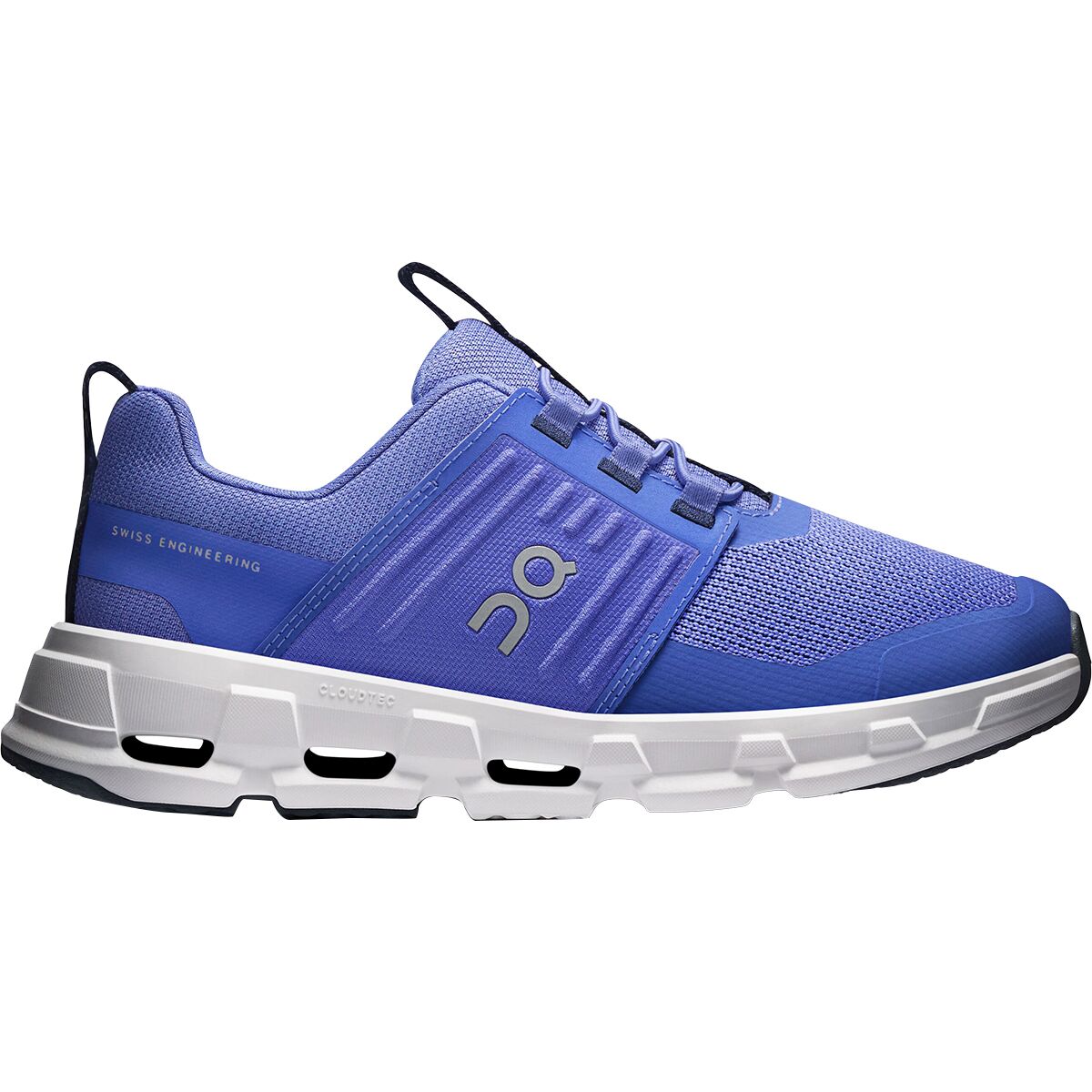
Cloudleap Shoe - Kids'
3 colors
$99.95
Discount Applies In Cart | Ends 11/16


On
Cloudhero Waterproof Shoe - Little Kids'
2 colors
$109.95
Discount Applies In Cart | Ends 11/16

On
Cloud Play Shoe - Little Kids'
1 color
Current price: $59.97 Original price: $99.95
40% off
Winter Sale

On
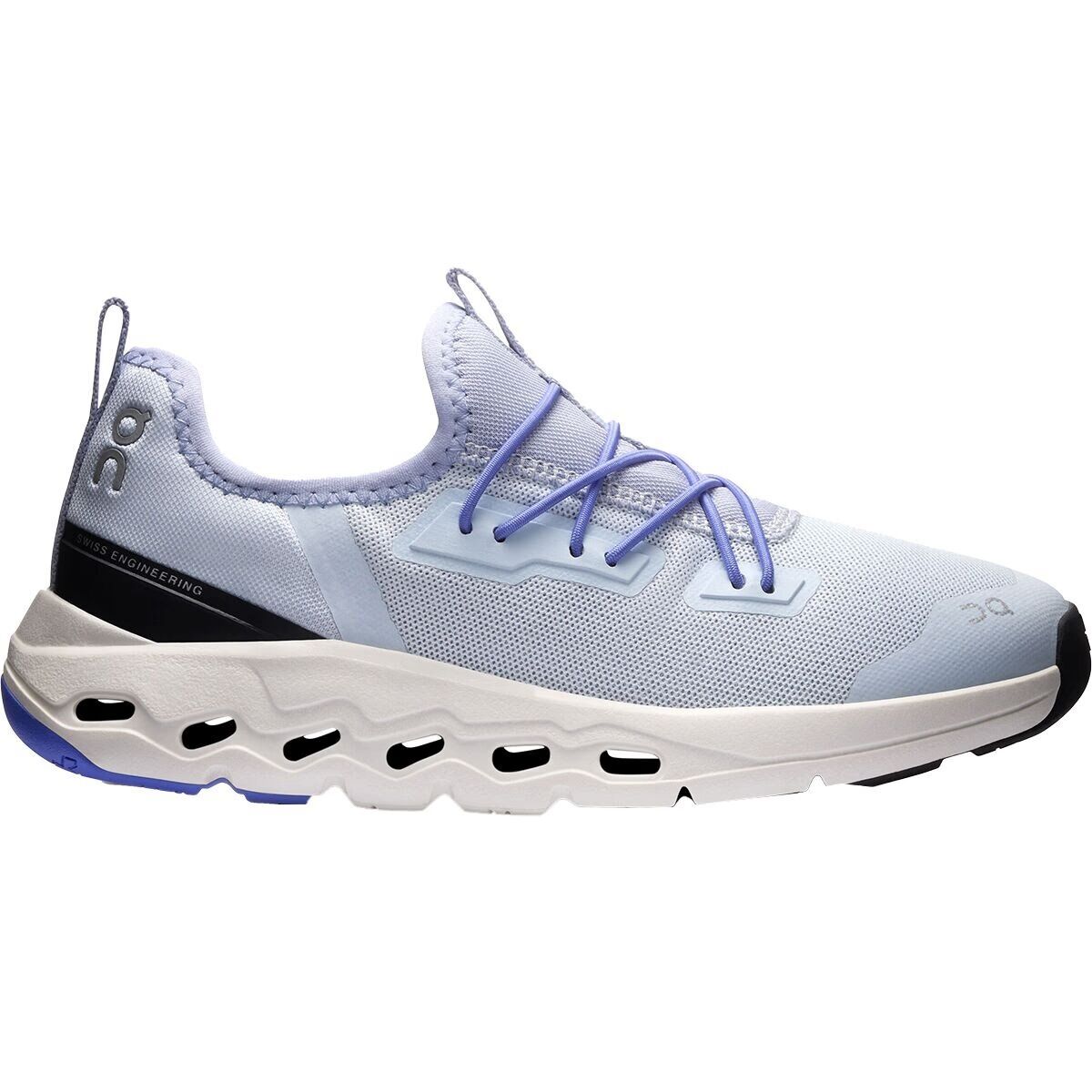
Cloudswift Shoe - Kids'
2 colors
$71.97 - $119.95
Up to 40% off
Discount Applies In Cart | Ends 11/16

On
Cloud Play 2 Shoe - Little Kids'
2 colors
$99.95
Discount Applies In Cart | Ends 11/16

On
Cloudhero Waterproof Shoe - Kids'
1 color
$119.95
Discount Applies In Cart | Ends 11/16

On
Cloudleap Shoe - Little Kids'
3 colors
$62.96 - $89.95
Up to 30% off
Discount Applies In Cart | Ends 11/16

On
Cloudswift Shoe - Little Kids'
1 color
$109.95
Discount Applies In Cart | Ends 11/16

On
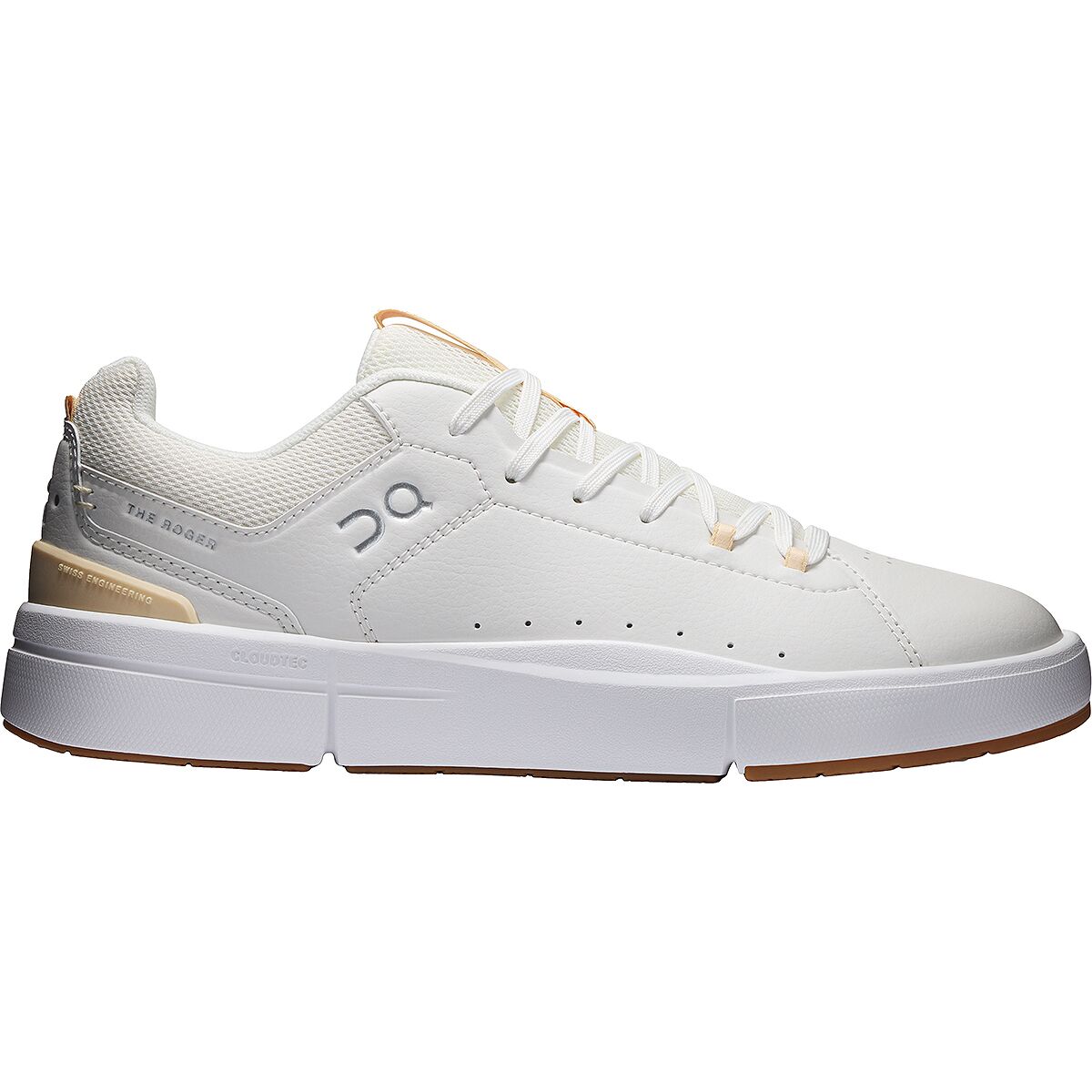
The Roger Shoe - Kids'
1 color
$109.95
Discount Applies In Cart | Ends 11/16

On
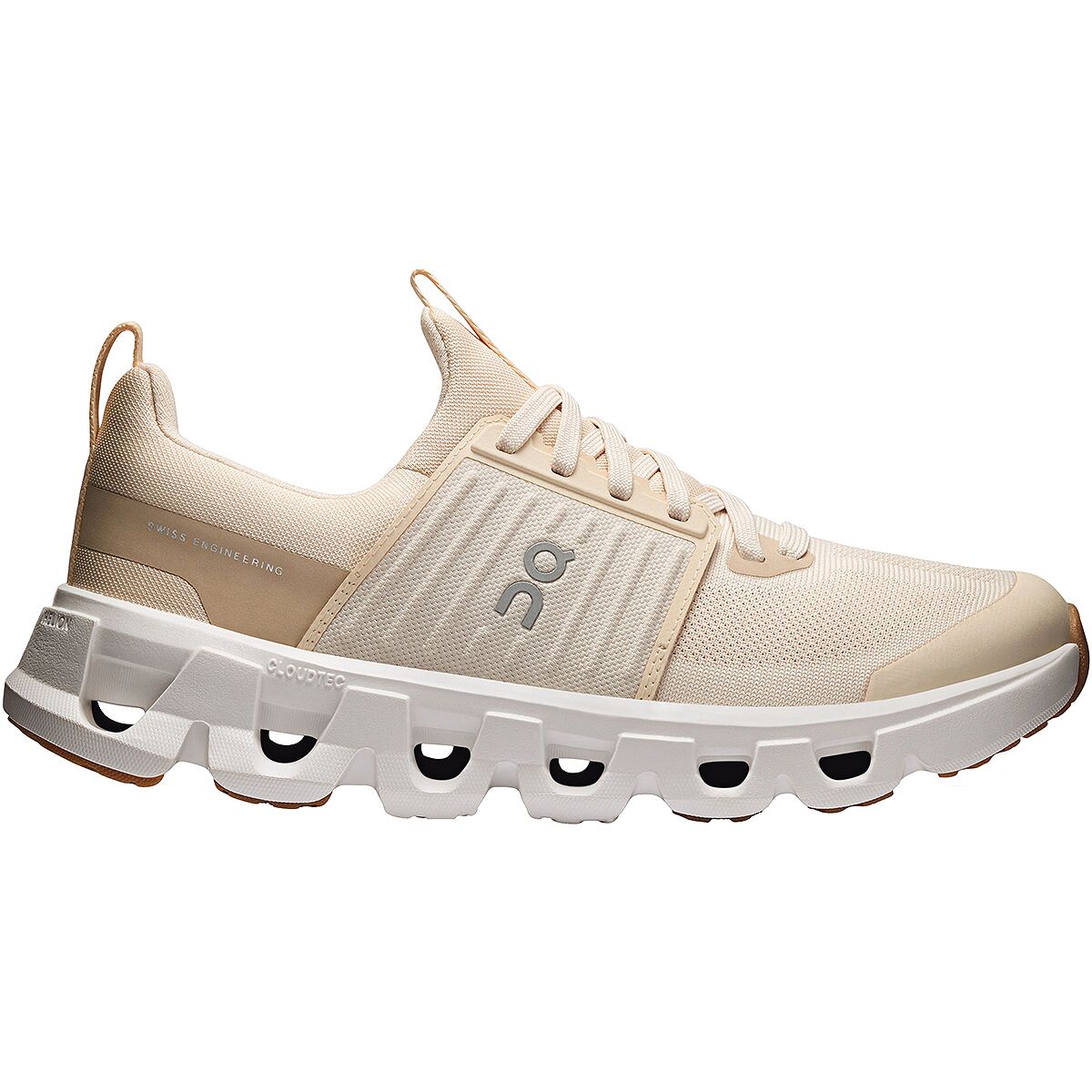
Cloud Sky 2 Shoe - Kids'
1 color
$109.95
Discount Applies In Cart | Ends 11/16
Related Categories
 On Boys Hiking Backpacking Boots Shoes
 On Girls Hiking Backpacking Boots Shoes
 On Boys Hiking Shoes
 On Girls Hiking Shoes
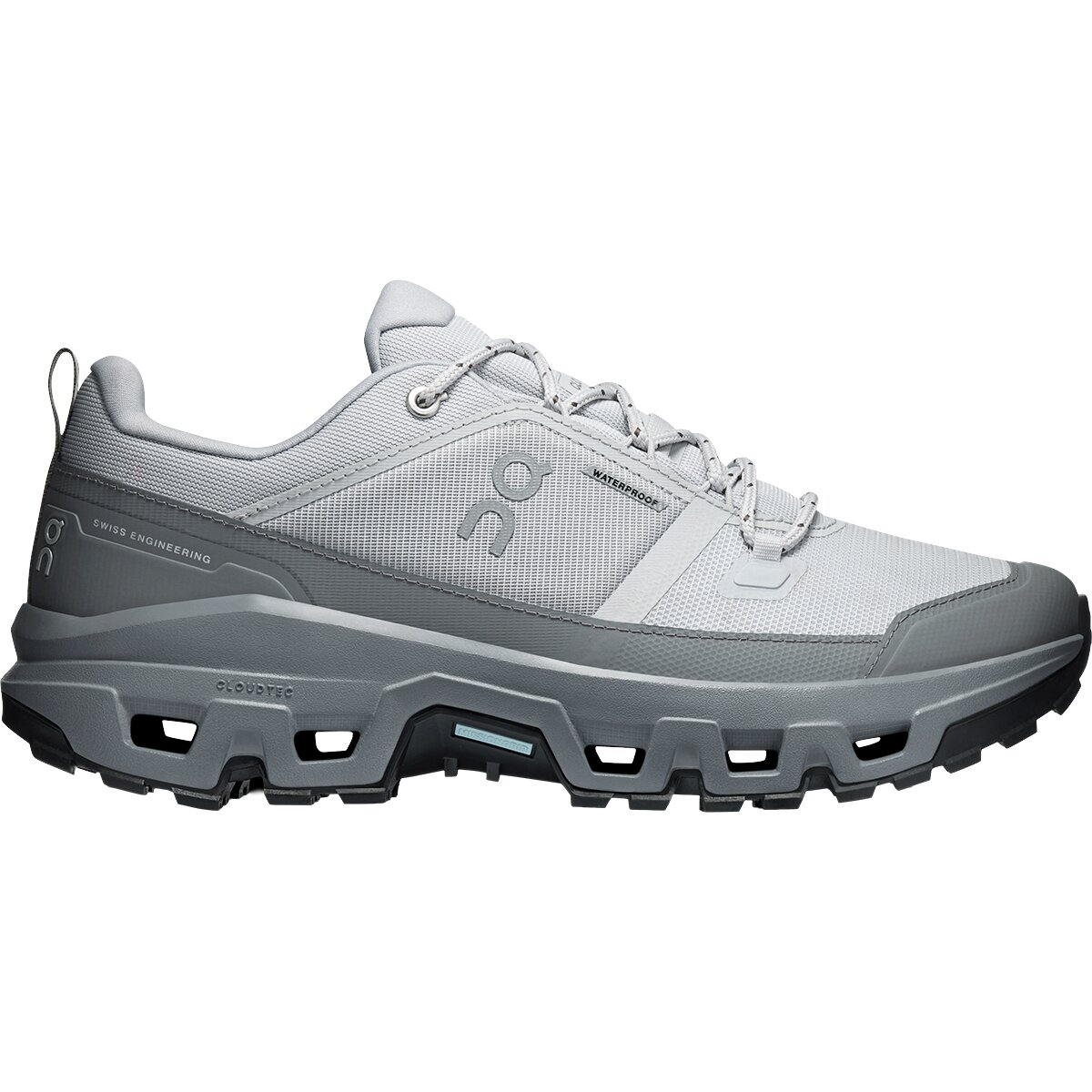 On Mens Hiking Boots Shoes
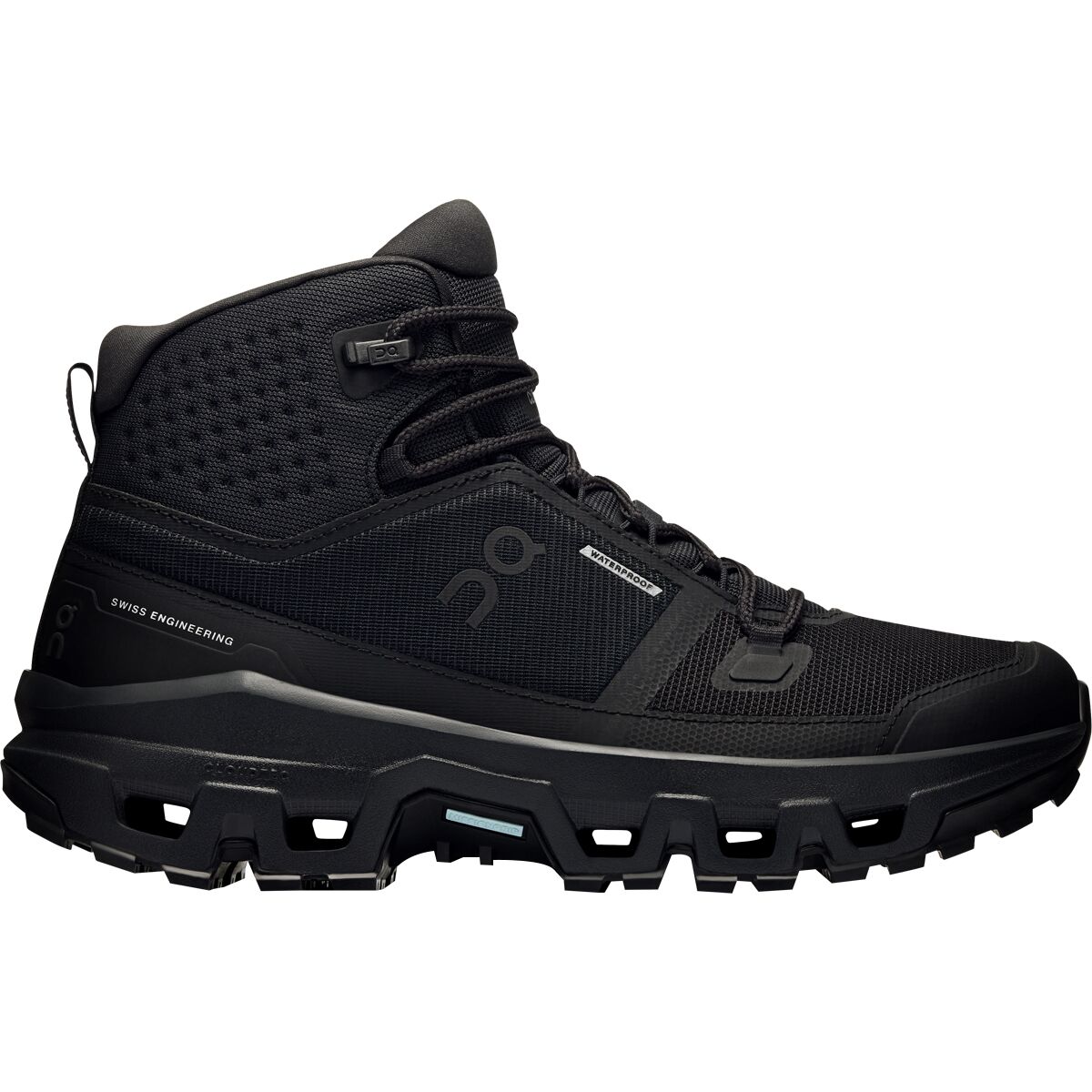 On Womens Hiking Boots Shoes
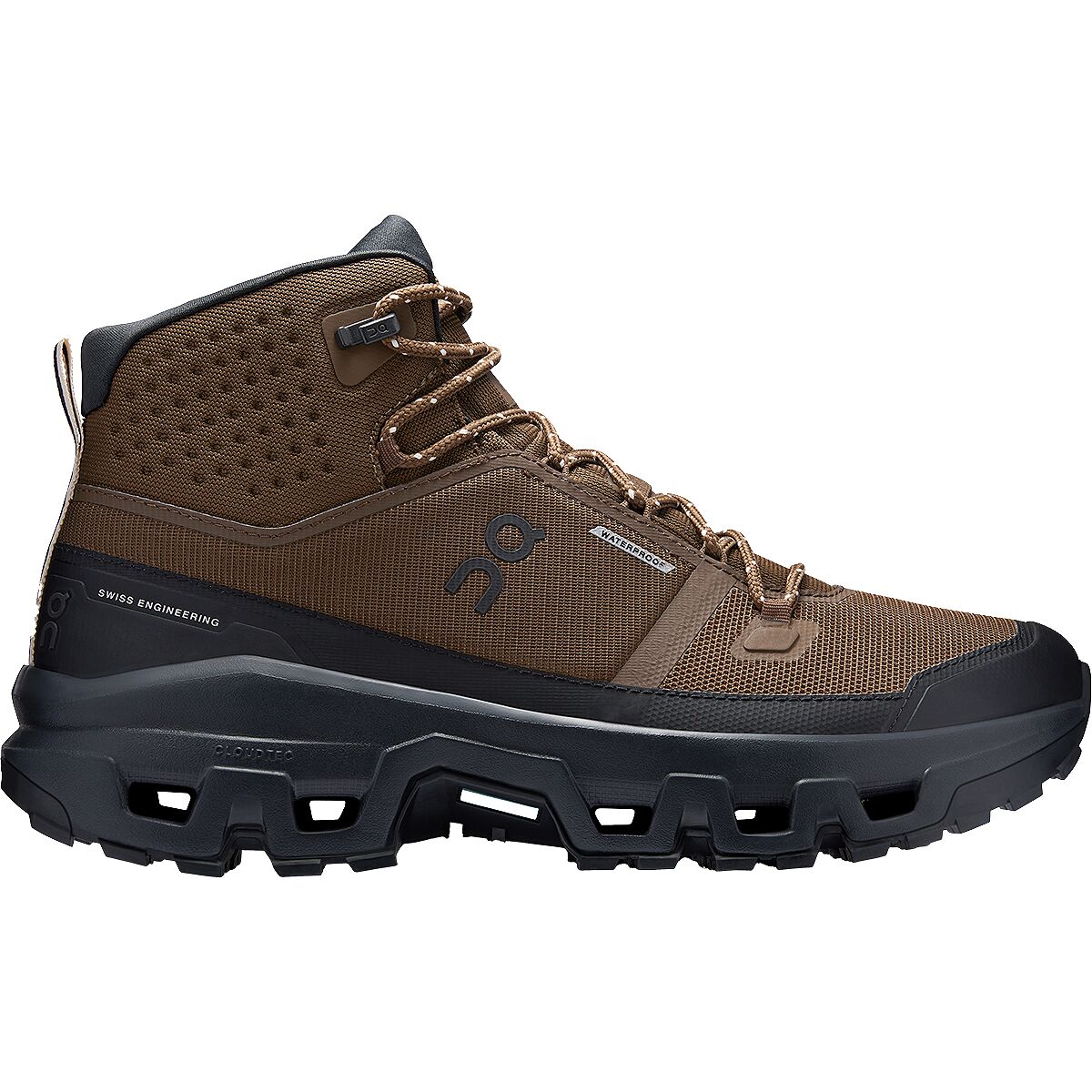 On Mens Hiking Backpacking Boots
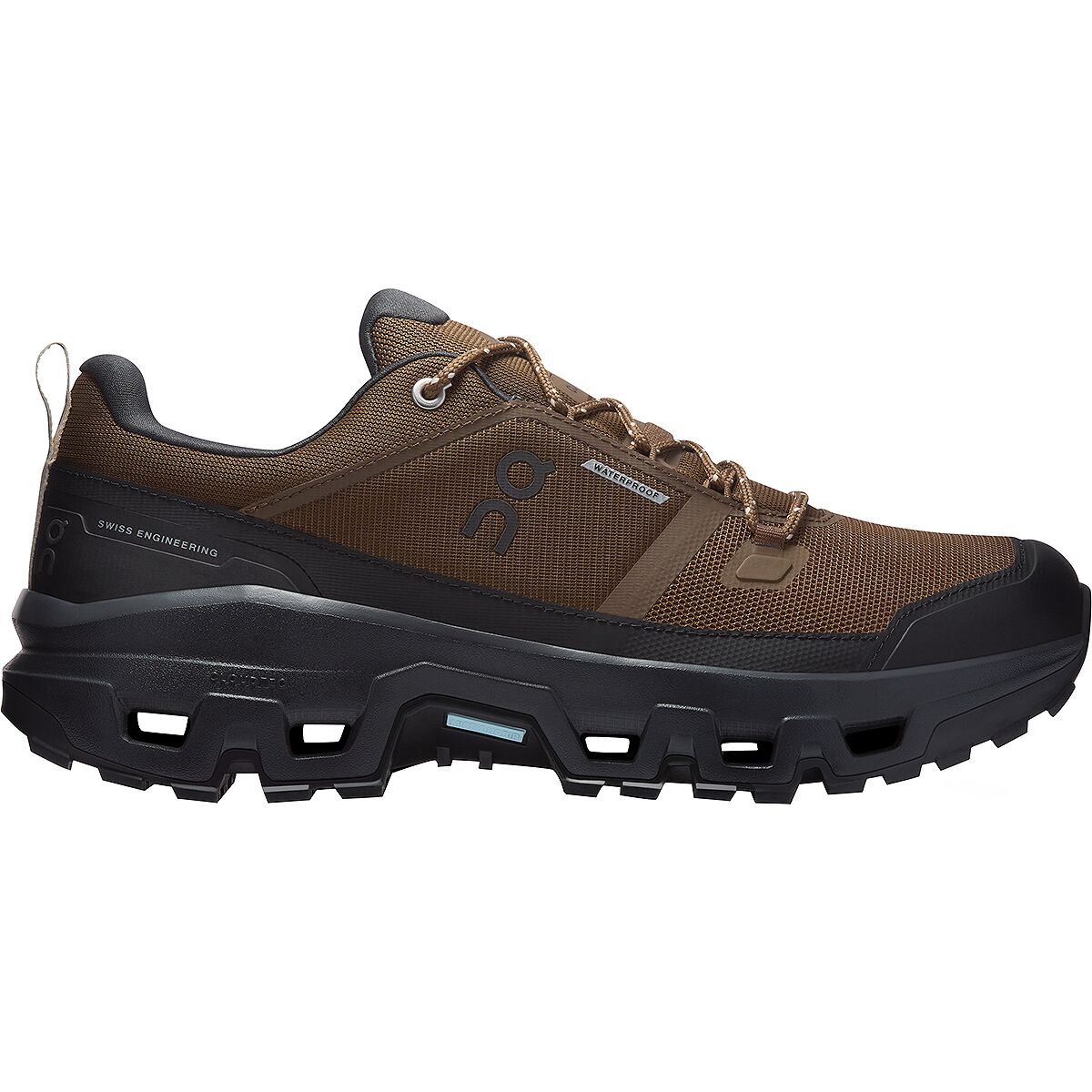 On Mens Hiking Backpacking Shoes
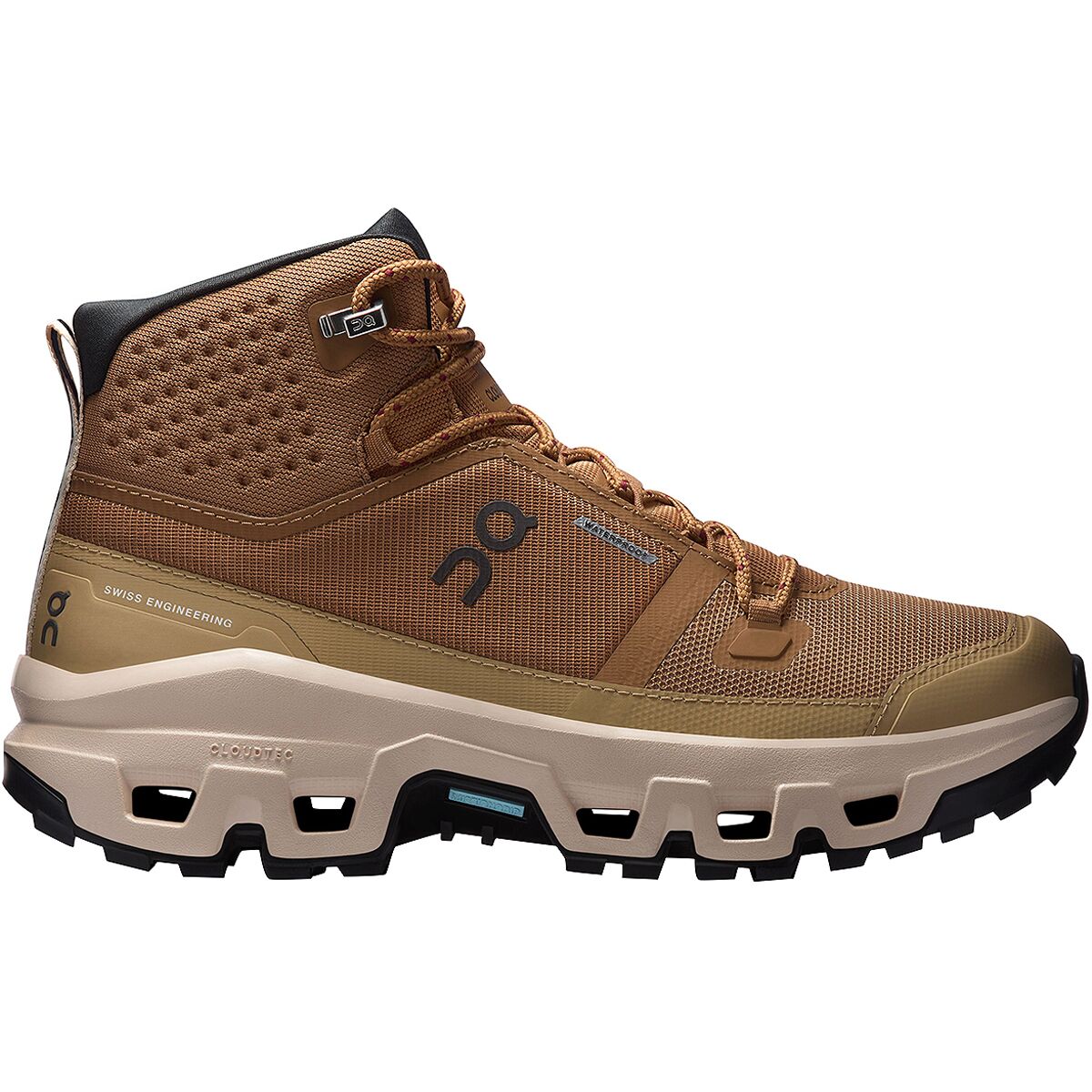 On Womens Hiking Backpacking Boots
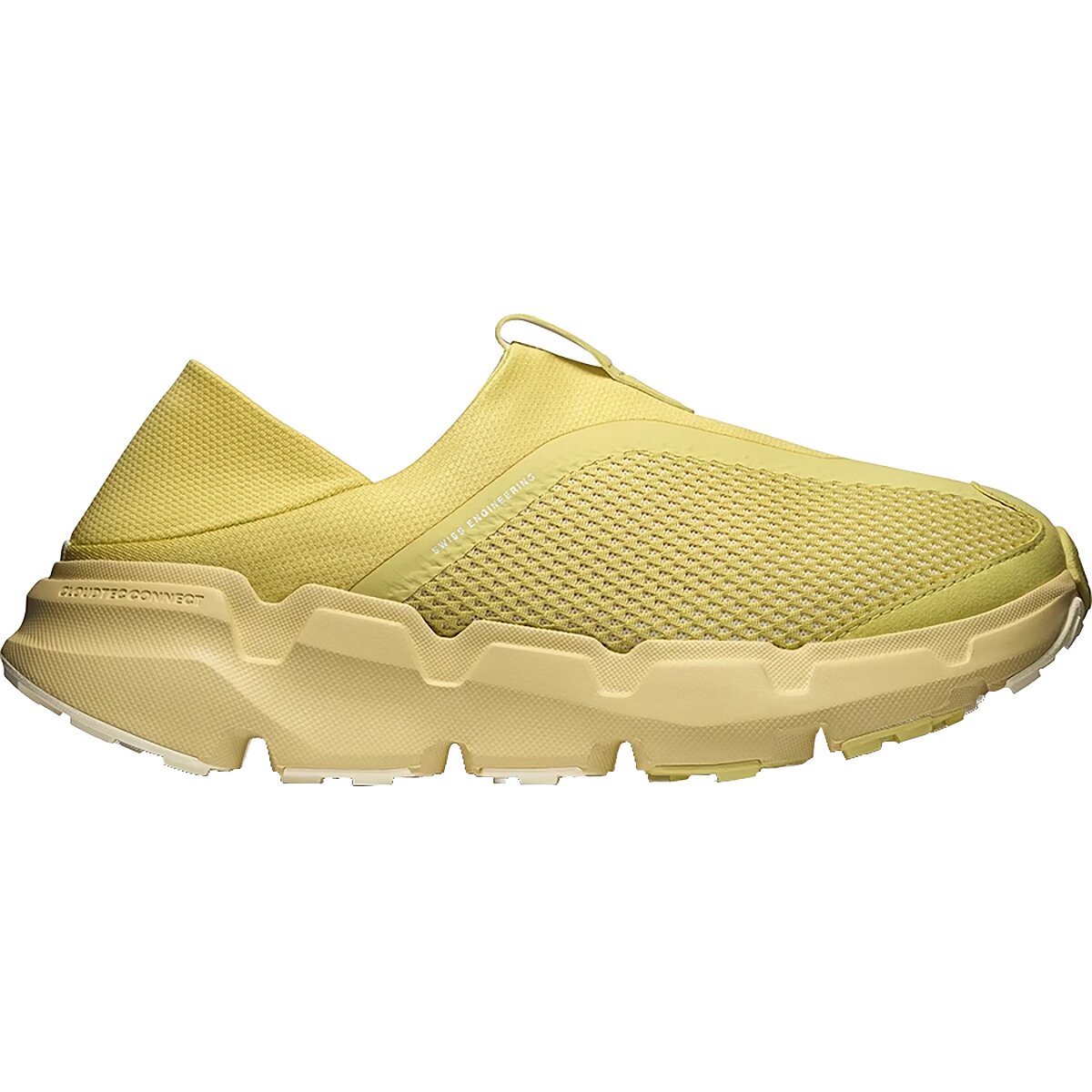 On Womens Hiking Backpacking Shoes
Frequently Asked Questions
How do I choose the right-sized backpack for a kid — what's the difference between a daypack like the Osprey Jet 18 and a child carrier like the Osprey Poco AG?
A daypack such as the Osprey Jet 18 is built for kids to carry their own snacks, layers, and water with kid-scaled harnesses and an 18L-ish capacity, while the Osprey Poco AG is a framed child carrier designed for an adult to carry a toddler safely using Osprey’s Anti-Gravity (AG) suspension and integrated harness. Choose a daypack when the child will carry weight themselves and a carrier when the child is too small for long hikes; prioritize adjustable torso length, padded hip belts, and load-lifter straps for comfort and growth.What sleeping bag temperature rating and pad R-value should I pick for three-season family camping with kids?
For three-season camping, many families opt for kids’ bags rated around 20°F (for example, models like the Morrison Outdoors Big Mo 20°) to handle cool nights and layering, and pads with an R-value near 2.1 or higher for insulation from the ground. If you expect warmer summer nights, a higher comfort temp bag or lighter quilt works; in all cases, choose a short/child-length pad to reduce bulk and ensure better heat retention for smaller bodies.Are merino base layers or synthetic fabrics better for kids who overheat and sweat on hikes?
Merino (Smartwool, Wee Woolies) offers natural odor control and breathability, making it great for multi-day wear and cooler conditions, while synthetic base layers wick moisture and dry faster during high-output activities. For kids who run hot or play in water, synthetics usually perform better for fast drying; for overnight trips and mixed activities, a merino or merino-blend gives versatile odor resistance and comfort.How should I choose kids’ hiking footwear — boots vs. trail shoes and what fit features matter?
Pick lightweight, flexible trail shoes for shorter hikes and active kids who need agility and quick-drying uppers, and choose supportive low-cut boots with a grippy outsole for rough terrain or longer treks. Always allow a thumb’s-width of toe room, check for a secure heel lock and decent midsole cushioning, and prefer breathable, water-resistant materials rather than heavy leather unless prolonged wet protection is required.How does a closed-cell foam pad like the Therm-a-Rest RidgeRest SOLite compare to an inflatable pad for children?
Closed-cell foam pads such as the Therm-a-Rest RidgeRest SOLite are virtually indestructible, provide consistent insulation even if punctured, and are lighter maintenance options that double as sit pads, making them ideal for young kids and family trips. Inflatable pads offer superior sleeping comfort and pack down smaller but require care to avoid punctures and typically need higher R-values or added insulation for similar warmth on cold ground.