


20% Off Full-Price Items
Shop now
EXTRA 20% Off Clearance
Ends today
Get An EXTRA $50 Cash Back*
Summit+ exclusive
NRS Fly Fishing Essentials
3 results

NRS
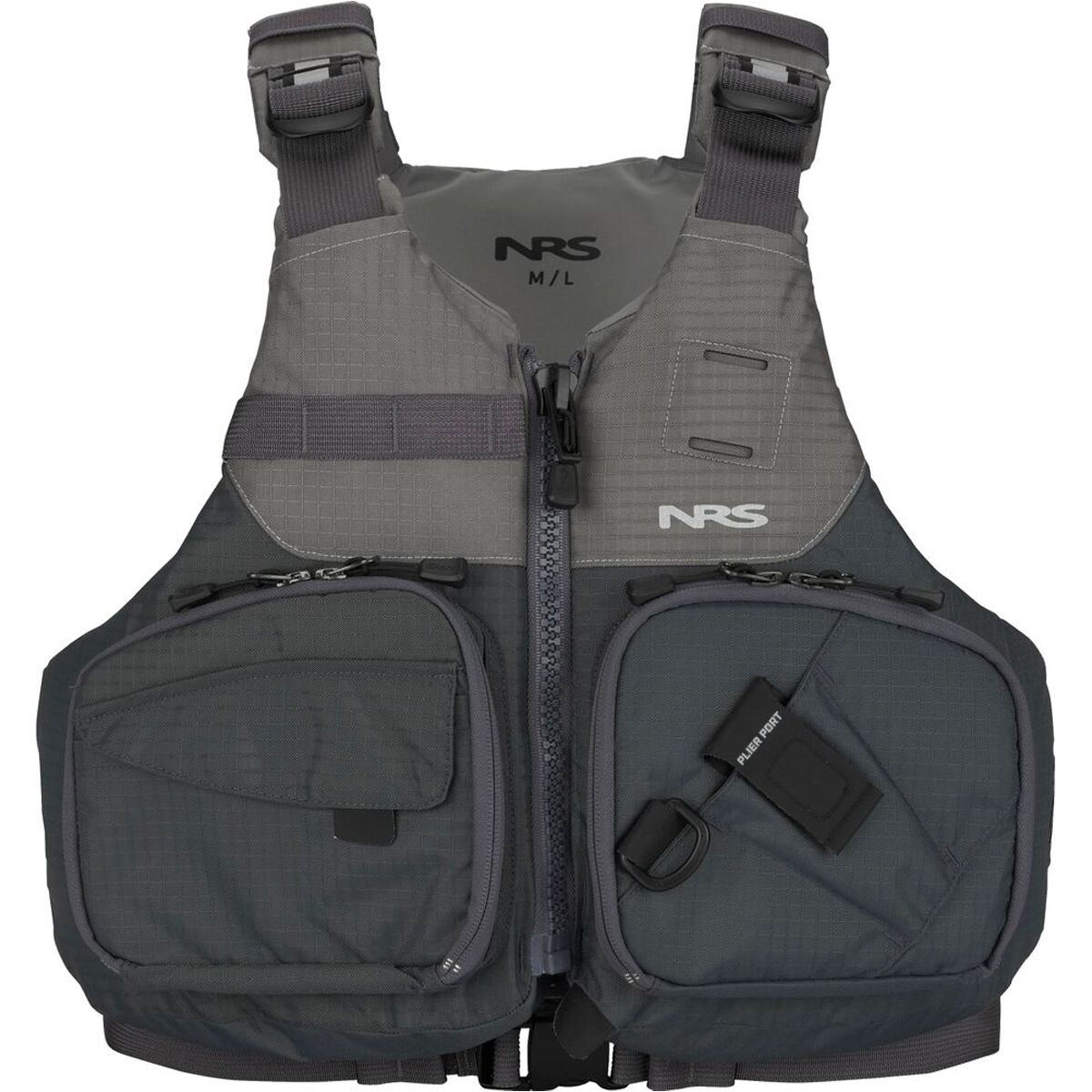
Chinook Personal Flotation Device
3 colors
$179.95
Discount Applies In Cart | Ends 11/16
(1)


NRS
Chinook OS Fishing Personal Flotation Device
2 colors
$179.95
Discount Applies In Cart | Ends 11/16
(1)

NRS
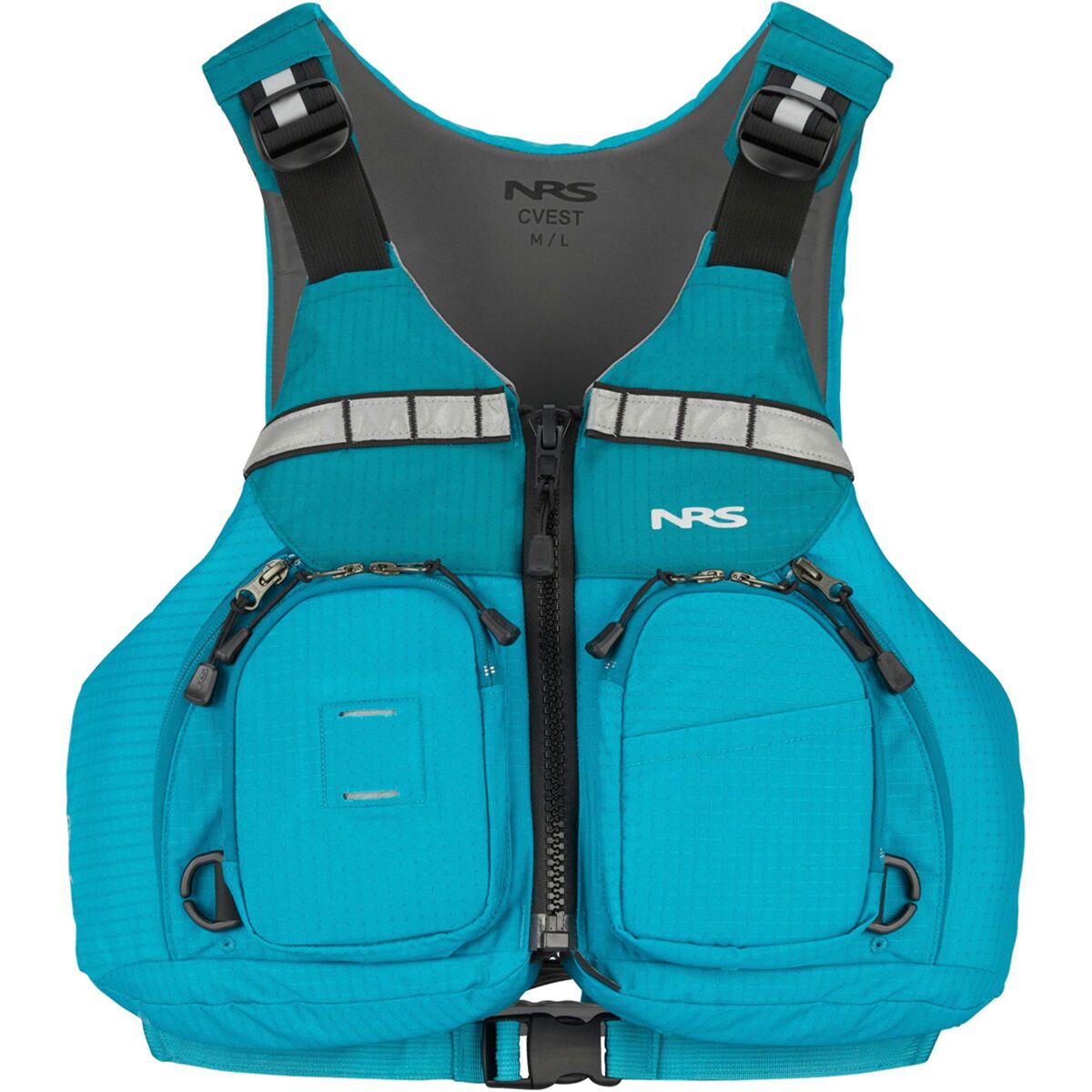
Zander PFD
2 colors
$179.95
Discount Applies In Cart | Ends 11/16
Related Categories

Frequently Asked Questions
What should I prioritize when choosing an NRS fly-fishing raft or packraft for rivers and remote access?
Prioritize portability and pack size for hiking or roof/truck-bed transport, then capacity (e.g., Approach 138 fits up to three anglers) and load for your gear. Look for whitewater‑engineered construction—rugged PVC or PVC‑free nylon/TPU, welded seams or reinforced bottoms, drop‑stitch floors and EVA traction pads—and fishing‑specific features like integrated rod storage (holds multiple 9'6" rigs), internal rower‑controlled anchor systems, and TIZIP stern closures for gear protection.How does the NRS Slipstream 139 compare to the Approach 138 for fly fishing?
Both are purpose‑built fishing rafts, but the Approach 138 is commonly chosen for a straightforward 1–3 person fishing platform, while the Slipstream 139 often comes in deluxe packages that bundle oars, anchors, and rod holders for a ready‑to‑use setup. Choose the Slipstream if you want a more complete outfitted option out of the box, and pick the Approach 138 when you prioritize proven three‑person capacity and modular customization.How do NRS slot‑rail frames and the 54" Outcast Fishing Frame affect on‑water setup and rod access?
Slot‑rail frames provide modular adjustability for seats, oars, and accessory placement so you can tune balance and clear casting lanes, and the 54" NRS Outcast Fishing Frame gives a rigid mounting platform for rod holders and dry‑box trays. That modularity makes quick rod swaps and secure storage easier without crowding your casting area, and it helps keep weight distributed for more stable rowing in riffles and slower whitewater.Are NRS packrafts like the Riffle appropriate for whitewater fly fishing and remote rivers?
Yes, Riffle and similar NRS packrafts use PVC‑free nylon/TPU and whitewater‑informed construction intended for remote river runs, offering abrasion resistance and lightweight stowability for hiking into backcountry water. However, match boat volume and features to the river class and your skill level, and confirm any specific reinforcement (self‑bailing floors, reinforced bows) for the type of whitewater you plan to run.What apparel and layering should I choose for fly fishing so it works with a PFD and keeps you protected?
Build a three‑layer system: a moisture‑wicking base, an insulating midlayer, and a breathable water‑resistant or waterproof outer shell sized to fit over a PFD; NRS Silkweight hoodies, sun gloves, and neck gaiters provide sun protection without restricting movement. Opt for abrasion‑resistant fabrics on outer layers, fingerless or grip‑friendly gloves for knotwork, and size up outer pieces to ensure freedom of motion and ventilation when casting from a raft or packraft.