


20% Off Full-Price Items
Shop now
Black Friday Sale: Up To 60% Off
Shop Now
NRS Climb
1 result

NRS
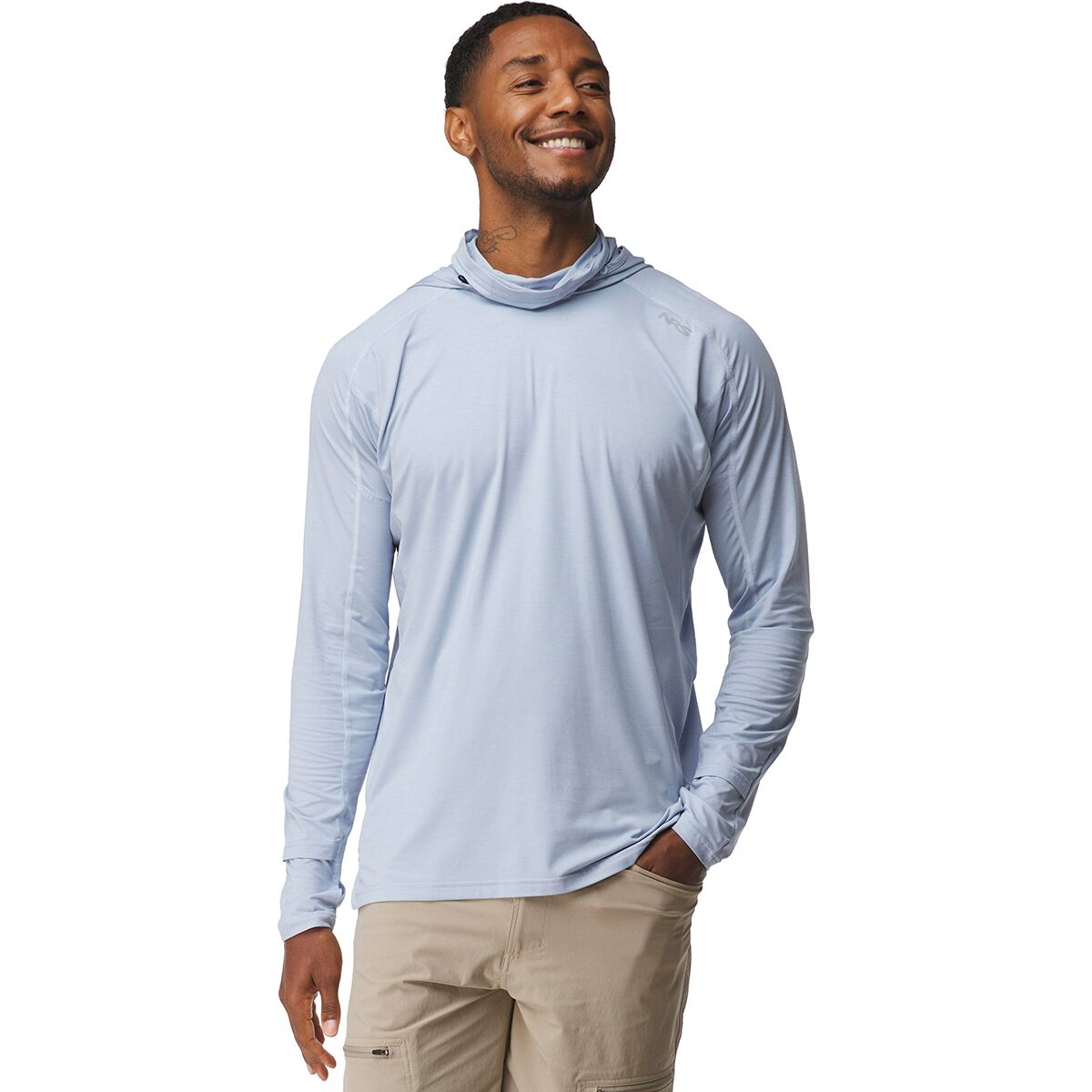
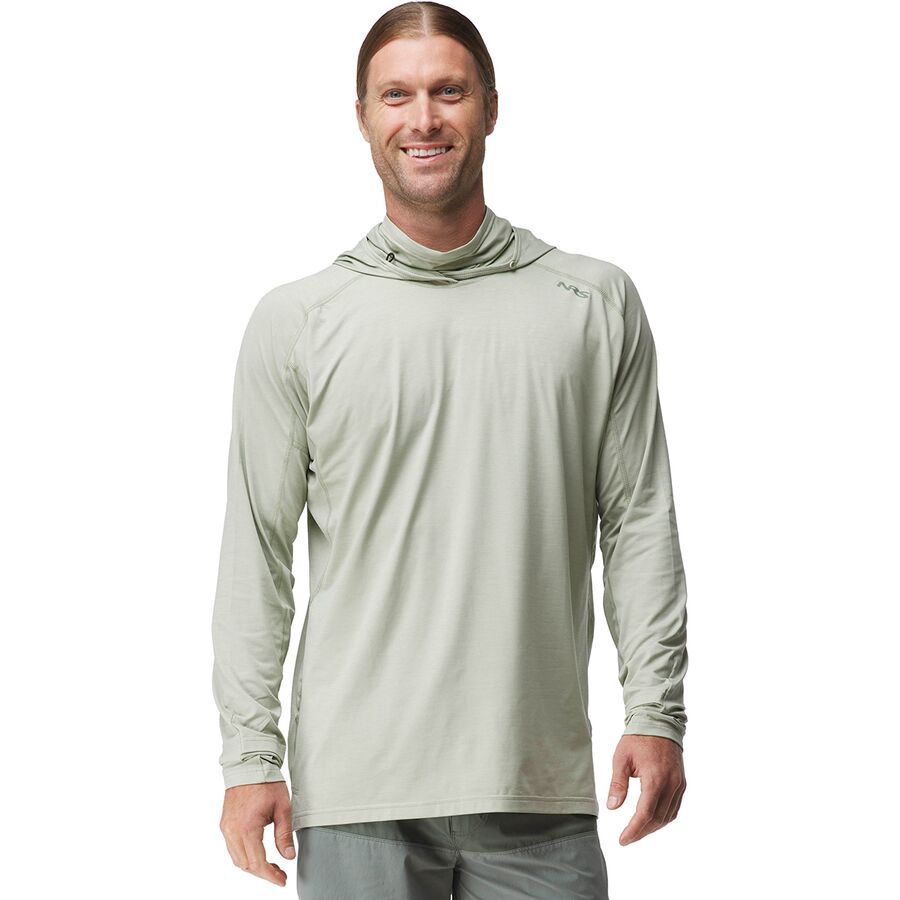
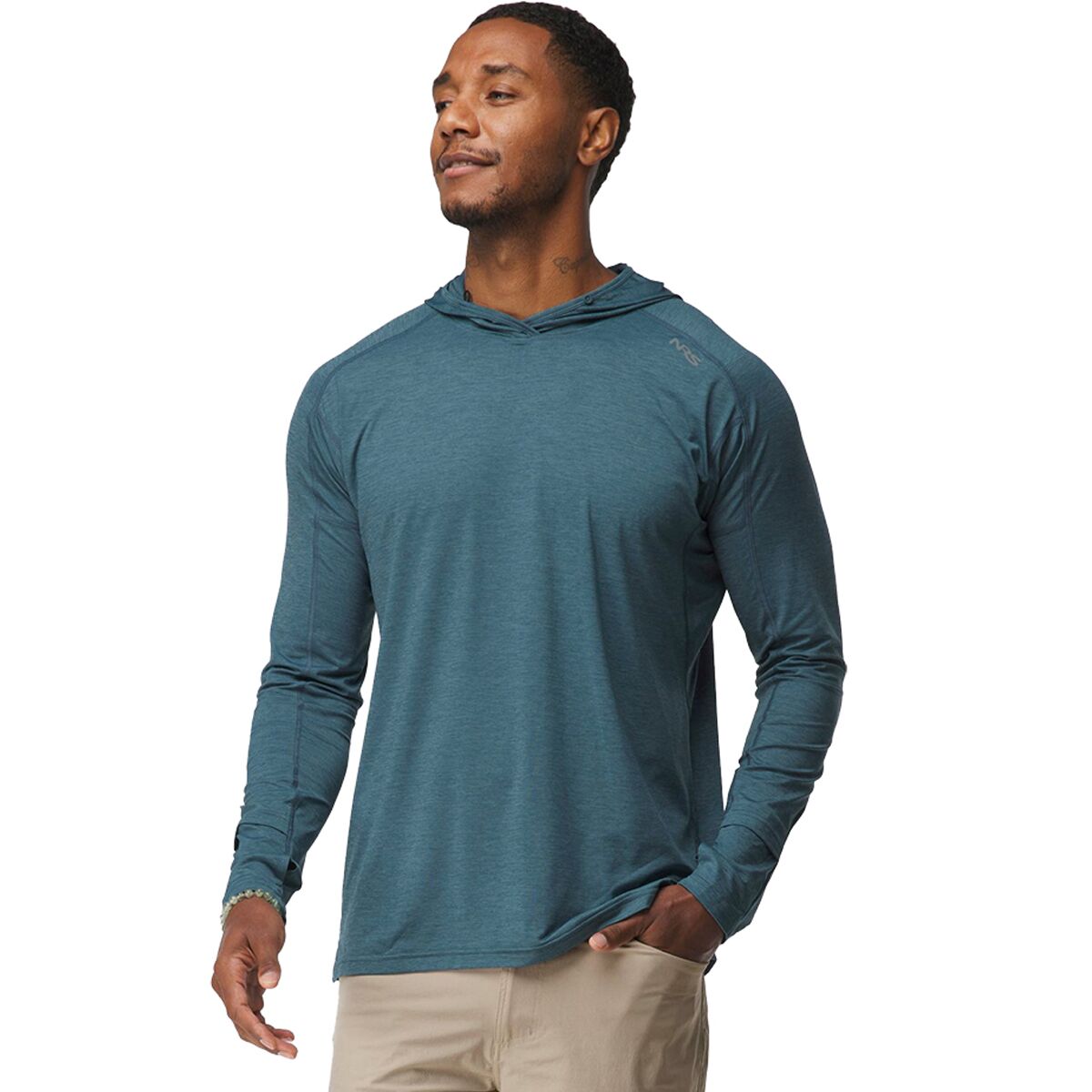
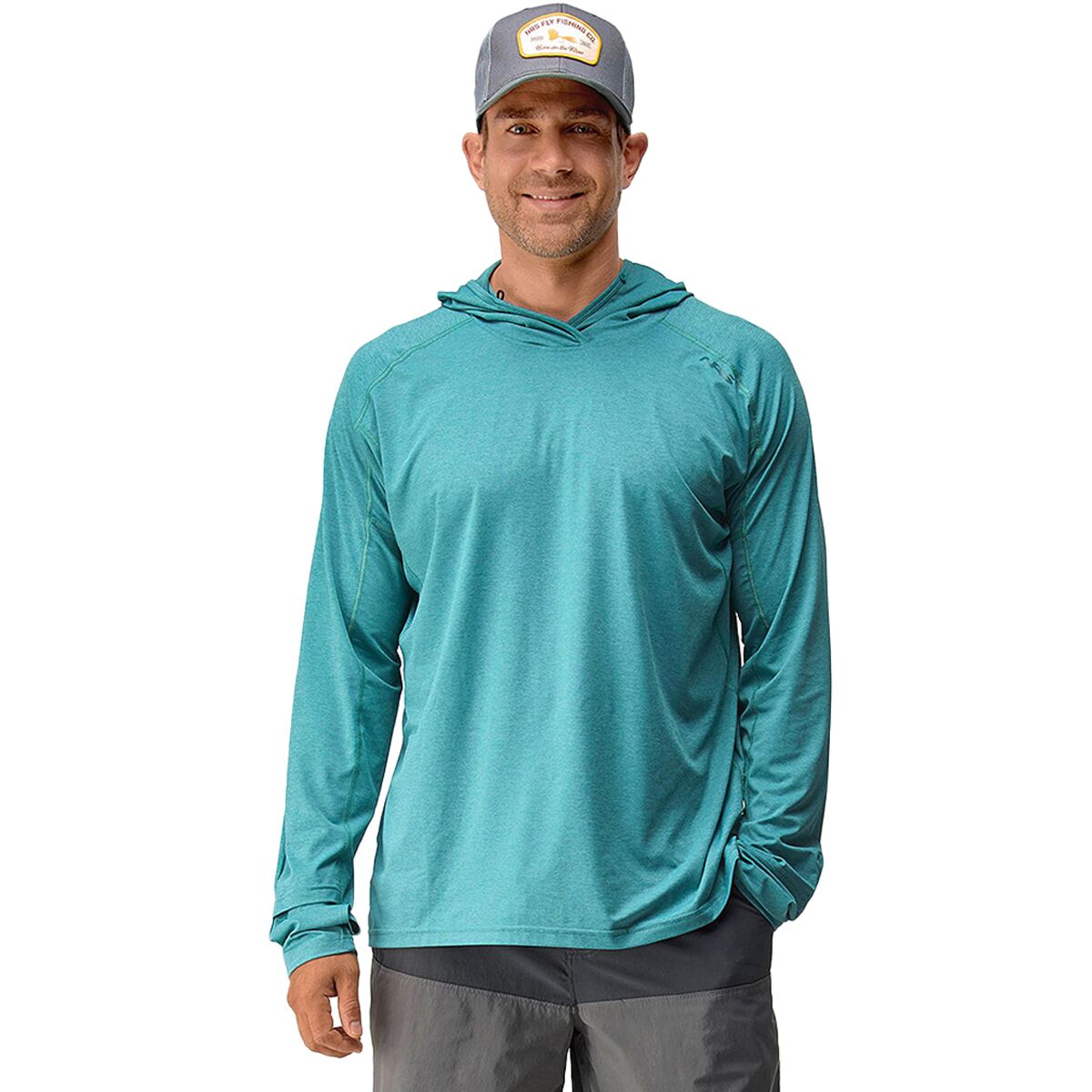
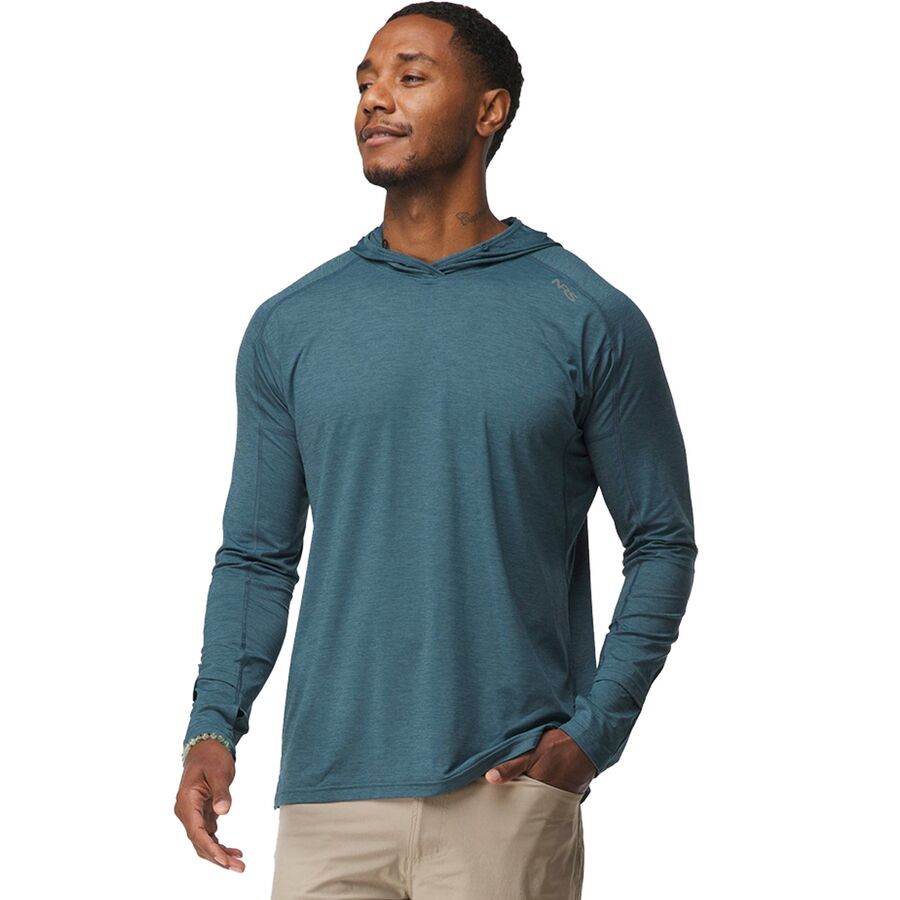
Silkweight Hoodie - Men's
2 colors
Current price: $52.46 Original price: $74.95
30% off
Black Friday Sale | Limited Time Only
Related Categories
Frequently Asked Questions
How do I choose the right NRS PFD for climbing and rescue use?
Pick a PFD based on intended activity—low-profile paddling and technical climbing benefit from slim models like the Ninja, while rescue and technical hauling call for models with more attachment points and rescue-compatible features like the Vector. Check fit with the Orbit Fit System or manufacturer sizing to ensure a snug, non-restrictive torso wrap and confirm flotation appropriate for the user (youth models often list 50–90 lb ranges and adult models list flotation in pounds). Prioritize mobility, secure lash points, and easy adjustment while wearing a harness or pack.How does the NRS Ninja PFD compare to the NRS Vector PFD?
The Ninja is designed for minimal bulk and maximum range of motion for paddling and agile movement, while the Vector is oriented toward rescue and technical use, offering more dedicated attachment points and rescue-friendly detailing. Choose the Ninja when mobility is the priority and the Vector when you need extra hauling, attachment, or rescue features. Both are Type III designs but target slightly different use cases.What carabiner specs should I look for in NRS climbing hardware?
Look for ISO cold‑forged aluminum locking carabiners like the Omega Standard Locking D with a ~31 kN strength rating for general climbing and rescue work, a D‑shape for optimal rope alignment, and a reliable locking gate (screw‑lock or auto‑lock depending on your preference). Anodized finishes reduce corrosion and weight, but always inspect gates and shoulders for wear before use. Match gate type and shape to your rigging needs—locking gates for belays and anchors, non‑locking for gear racking where appropriate.How do NRS heavy‑duty straps and pulleys perform for haul systems and rigging?
NRS 1.5" heavy‑duty straps and 6'×1" tie‑downs use UV‑protected polypropylene and non‑slip cam buckles with breaking strengths commonly around 1,500–2,000 lb MBS, making them suitable for securing loads and lightweight haul systems. Pair straps with an anodized aluminum pulley (for example, a compact 4.58"×2.96" pulley around 2.9 oz) to reduce friction and simplify mechanical advantage setups. Always rig with rated hardware, account for edge protection, and back up critical connections for rescue scenarios.How should I care for GORE‑TEX NRS drywear and aluminum climbing hardware?
Rinse GORE‑TEX drywear with fresh water after salt or dirty use, wash with a technical cleaner per the garment instructions, and reapply DWR if water no longer beads on the surface; avoid fabric softeners and high heat. For aluminum carabiners and pulleys, rinse to remove grit, dry thoroughly, lubricate gate pivots with a light dry lubricant if needed, and inspect for cracks, deep gouges, or deformities before each use. Store gear dry and out of direct sunlight to preserve coatings and webbing life.