


Up To 20% Off Full-Price Items
Shop now
EXTRA 20% Off Clearance
Shop now | Ends 11/9
Get An EXTRA $50 Cash Back*
Summit+ exclusive
Norrona Training
18 results

Norrona
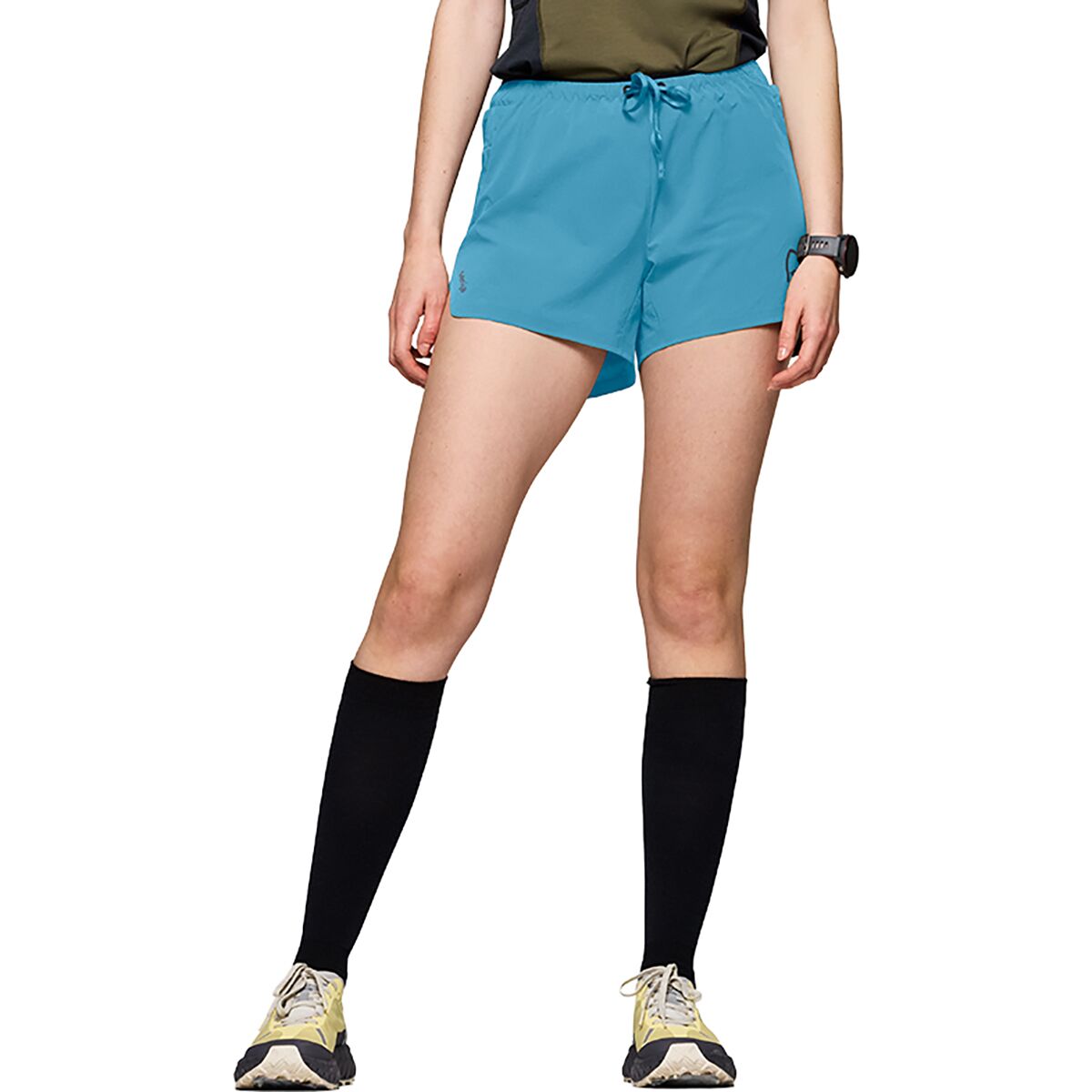
Senja Flex1 4in Short - Women's
3 colors
$109.00
(11)

Norrona
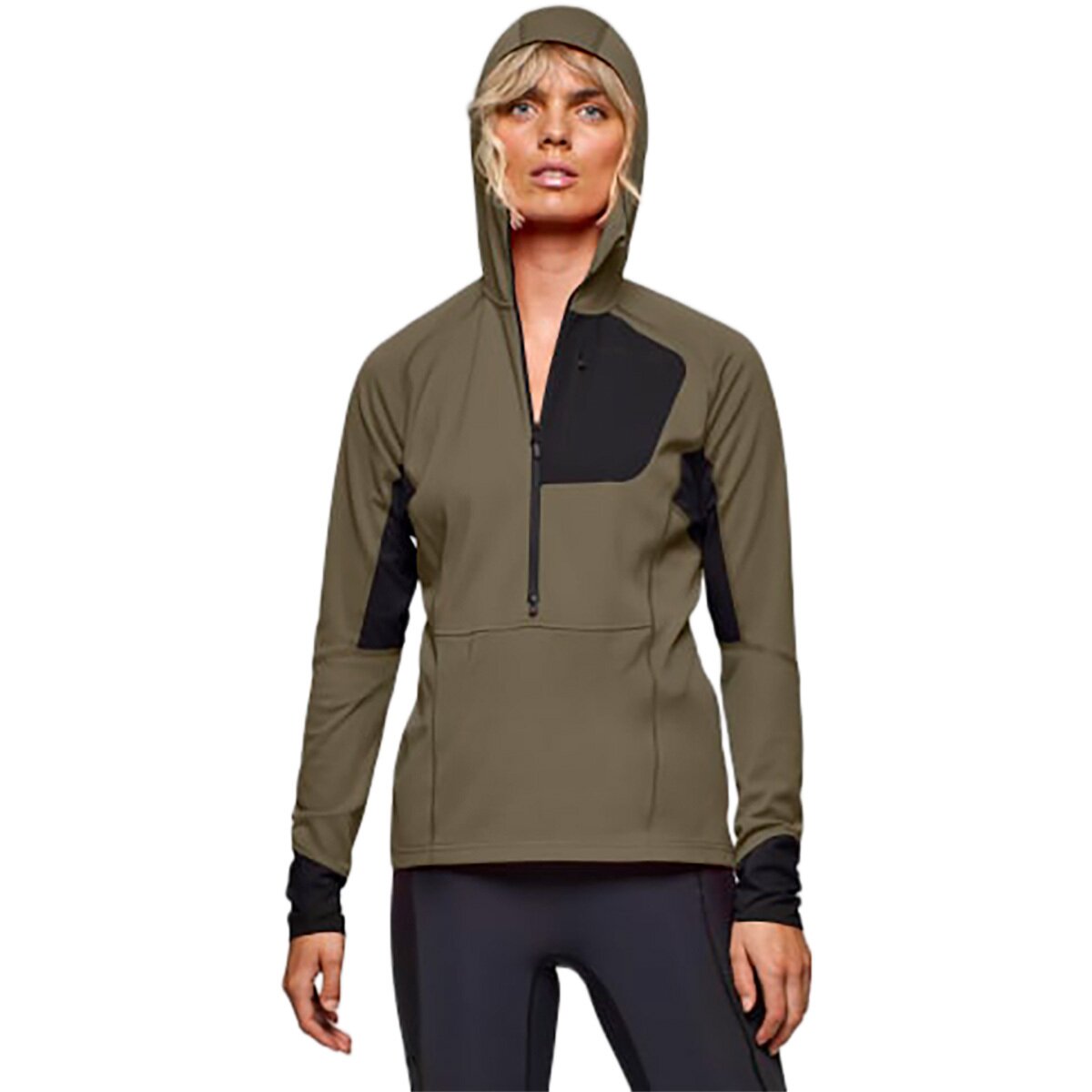
Senja Warm1 Hooded Jacket - Women's
2 colors
$199.00
(10)

Norrona
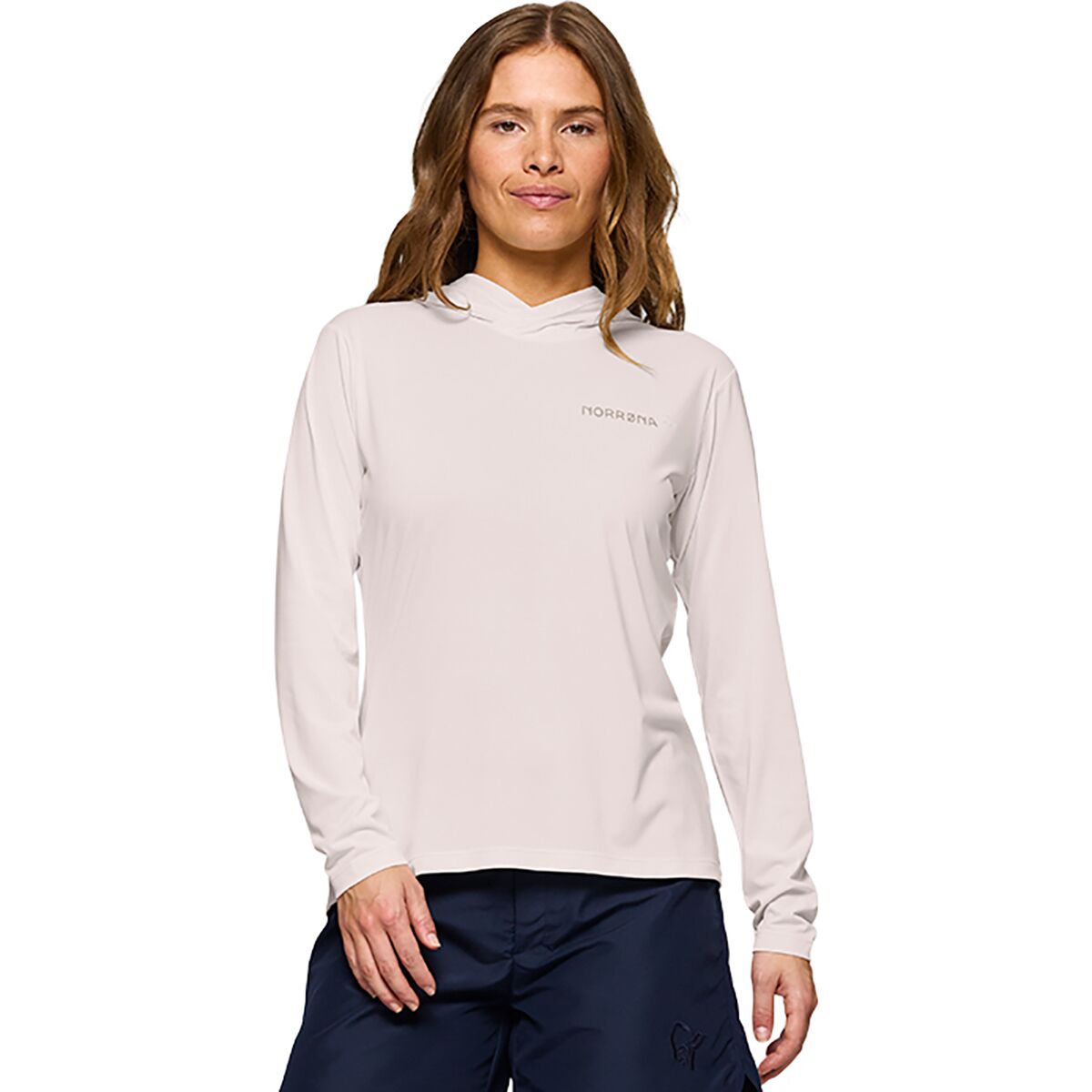
Femund Tech Hooded Top - Women's
2 colors
$62.30 - $89.00
Up to 30% off
Winter Sale
(7)

Norrona
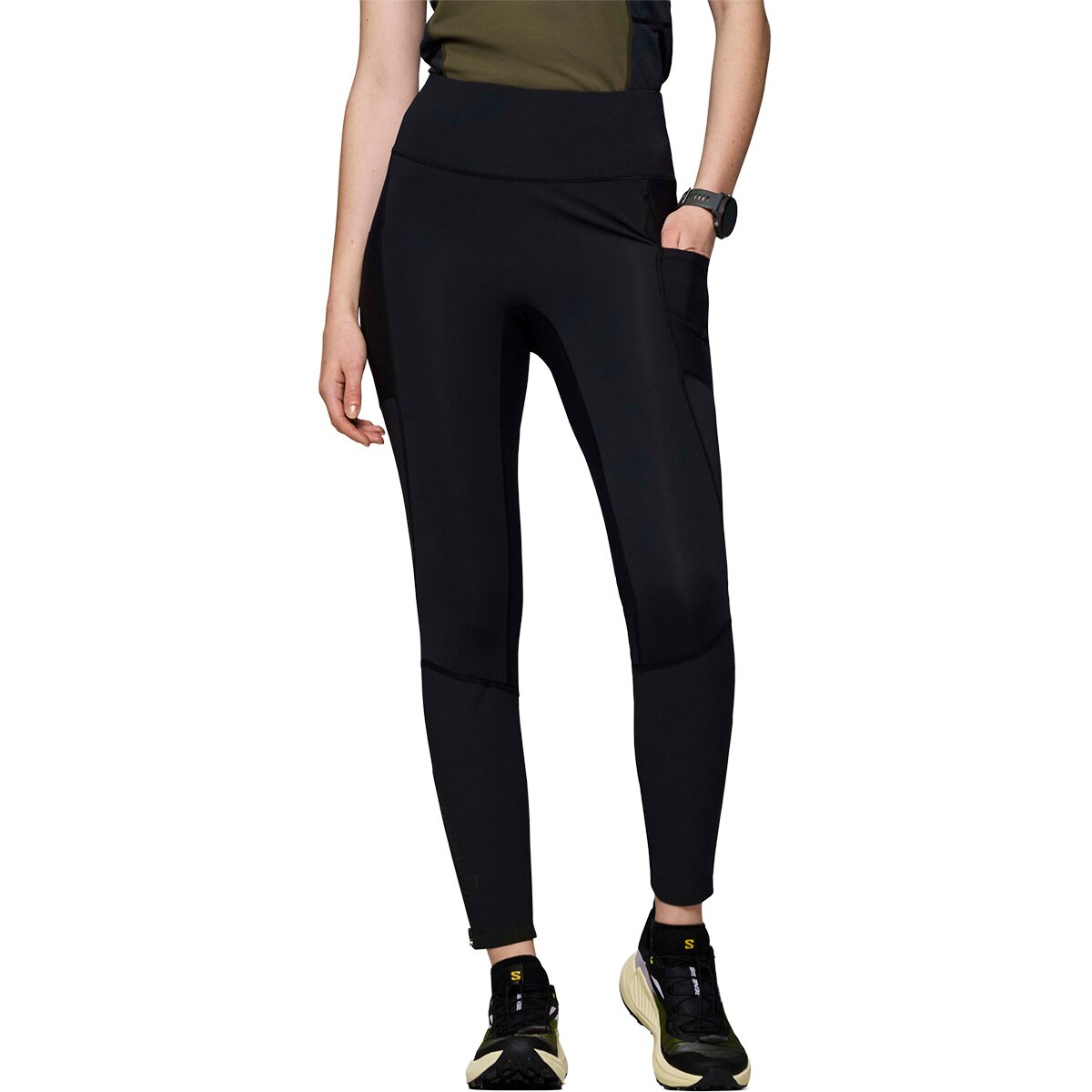
Senja Equaliser Stretch Tights - Women's
2 colors
$98.45 - $189.00
Up to 45% off
Winter Sale
(7)

Norrona
Falketind Equaliserull Longs - Men's
1 color
$119.00

Norrona
Senja Equaliser Lightweight Long-Sleeve Top - Men's
2 colors
$139.00
(28)

Norrona
Femund Silent Grid Short - Women's
2 colors
Current price: $44.50 - $48.95 Original price: $89.00
Up to 50% off
Winter Sale
(2)

Norrona
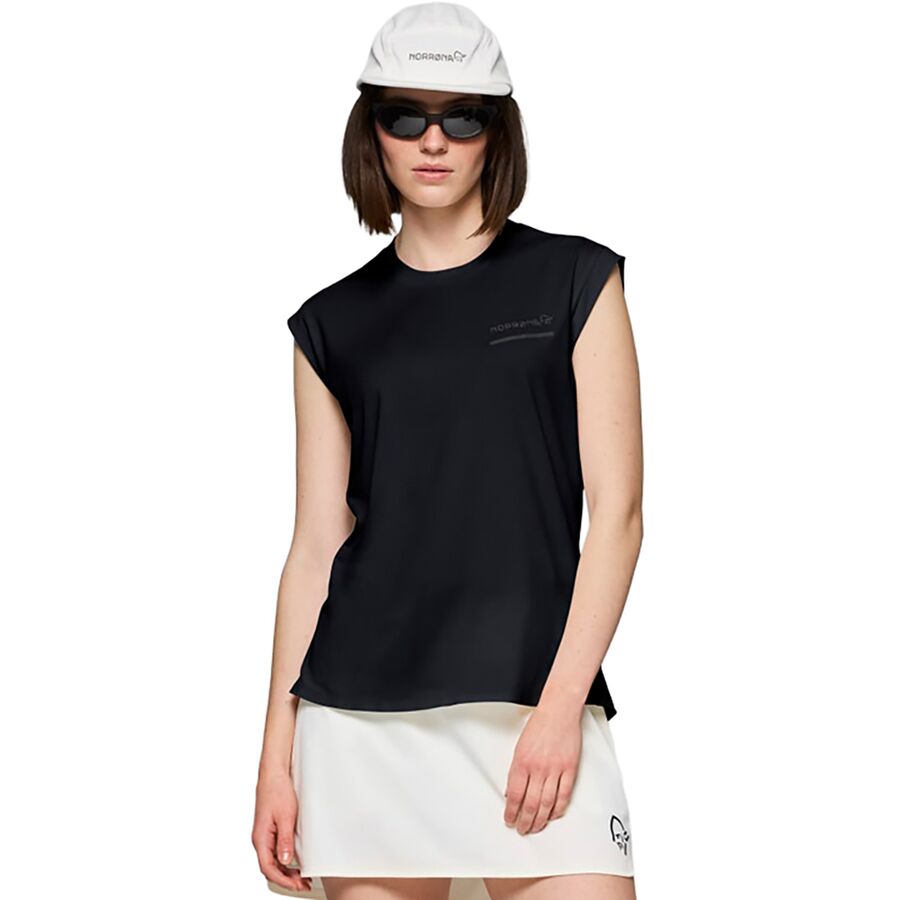
Senja Equaliser Sleeveless T-Shirt - Women's
2 colors
Current price: $53.40 Original price: $89.00
40% off
Winter Sale
(1)

Norrona
Senja Equaliser Stretch 6in Tights - Women's
2 colors
$59.34 - $129.00
Up to 50% off
Winter Sale
(4)

Norrona
Femund Tech Long-Sleeve Top - Women's
2 colors
$55.30 - $79.00
Up to 30% off
Winter Sale
(8)

Norrona
Senja Equaliser Tank Top - Women's
2 colors
$39.50 - $79.00
Up to 50% off
Winter Sale
(4)

Norrona
Falketind EqualiserUll T-Shirt - Men's
2 colors
$109.00
(9)

Norrona
Falketind Flex1 Light Pant - Women's
1 color
$179.00
(6)

Norrona
Senja Flex1 Trackster Pant - Women's
1 color
$209.00

Norrona
Femund Tech Long-Sleeve Top - Men's
1 color
$79.00
(12)

Norrona
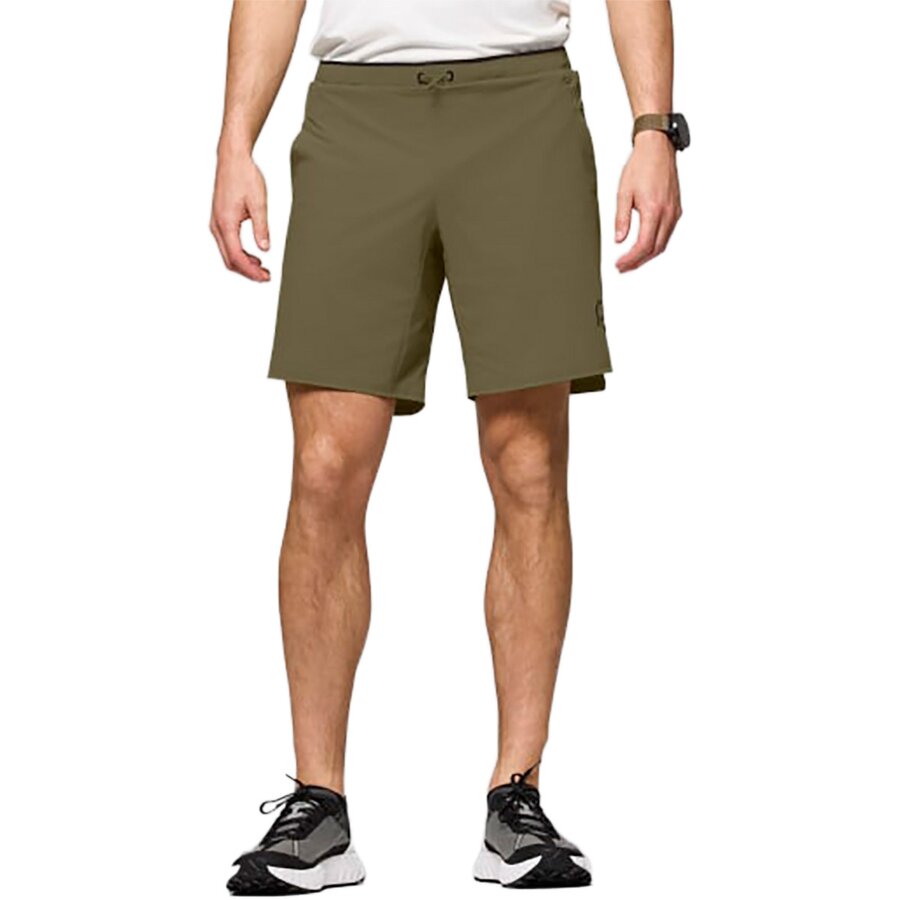
Senja Flex1 9in Shorts - Men's
3 colors
$119.00
(69)

Norrona
Senja Equaliser Lightweight T-Shirt - Men's
3 colors
$109.00
(24)

Norrona
Senja Equaliser Lightweight Long-Sleeve Top - Women's
2 colors
$139.00
(3)
Related Categories


Frequently Asked Questions
How do Norrøna training layers differ for high-output ski touring versus backcountry freeride?
Norrøna designs touring pieces like the Lyngen to prioritize breathability, low weight, and venting (two-way pit zips, Polartec Alpha midlayers) so you can dump heat on long ascents, while freeride lines such as Tamok and Lofoten favor longer cuts, reinforced high-wear zones, powder skirts, and slightly heavier waterproof membranes for durability in variable snow and impact. Choose Lyngen for high-output, stop‑and‑go ascents and Tamok/Lofoten when you need extra coverage, abrasion resistance, and on-slope features.What does "loaded minimalism" mean on Norrøna training pieces and which features are included?
Loaded minimalism means every feature has a clear performance purpose: expect clean designs with critical details like two-way pit zips (often elbow-to-torso), durable reinforcements, packable insulation, low-bulk powder skirts and ski-pass pockets on Lofoten, and discreet goggle wipes. Materials are premium and responsibility-focused—Gore‑Tex (including ePE PFAS‑free options), Polartec Alpha, PrimaLoft, and responsibly sourced down—so there’s no unnecessary hardware or excess trim.How should I size Norrøna training garments (for example, the Lyngen jacket) to accommodate layering and maintain mobility?
Norrøna uses a technical/athletic fit: Lyngen is intentionally roomier to accept a base layer, a hoody, and a compressible puffy without restricting movement, while freeride items like Tamok run looser for park or powder layering. Use the brand’s size charts—an example guideline is that a Medium often fits around 5'10", 155 lbs with midlayers—but pick based on your intended system (minimal touring layers vs. insulated freeride setups). If you plan heavy layering or want room for a bulky puffy, size up one step; if you prefer a close active fit, choose your usual size.How does the Lyngen series compare to Tamok and Lofoten for ski touring, all‑mountain laps, and variable snow conditions?
Lyngen is built for lightweight ski touring and high breathability—features like Polartec Alpha midlayers, pit zips, and low-weight Gore‑Tex Active membranes make it ideal for long ascents. Tamok targets backcountry freeride with longer cuts, reinforced zones, and increasingly PFAS‑free GORE‑TEX ePE options for rugged use, while Lofoten sits between touring and inbounds freeride with powder skirts and ski‑specific pockets for versatile on‑mountain days. Choose Lyngen for uphill performance, Tamok for aggressive freeride durability, and Lofoten when you want a do-it-all ski jacket with on-slope conveniences.Which Norrøna materials and tech should I prioritize for high-intensity training days versus cold, low-output outings?
For high-intensity days prioritize breathability and quick‑dry insulators—Polartec Alpha midlayers, Gore‑Tex Active shells with lower RET values (better moisture transfer), and lightweight PrimaLoft pieces for packable warmth. For cold, low-output conditions prioritize high fill‑power down (750–900 fill) or heavier PrimaLoft insulation and more robust shell fabrics with full waterproof membranes and longer cuts to trap heat. Use Norrøna’s 1–6 performance ratings (breathability, durability, warm‑to‑weight, weight) to match the piece to your activity intensity and layering strategy.