


Up To 20% Off Full-Price Items
Shop now
EXTRA 20% Off Clearance
Shop now | Ends 11/9
Get An EXTRA $50 Cash Back*
Summit+ exclusive
Norrona Ski Clothing
56 results

Norrona
Senja Alpha90 Zip Hooded Jacket - Women's
1 color
Current price: $209.25 Original price: $279.00
25% off
Winter Sale
(4)

Norrona
Tamok Thermo80 Zip Hooded Jacket - Women's
2 colors
$349.00
Spend $800+ On Outerwear, Get $50 | Summit+
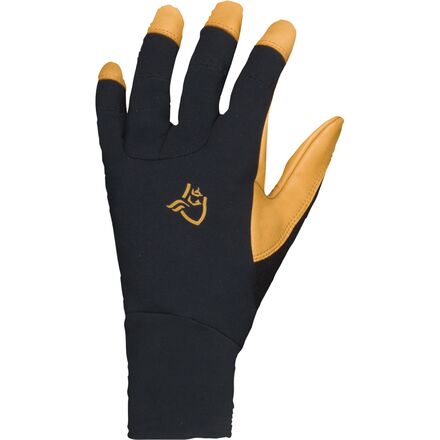
Norrona
Lyngen Windstopper Leather Glove
1 color
$109.00
(6)

Norrona
/29 Pureull Neck Gaiter
2 colors
$55.00
(5)

Norrona
/29 Equaliser Beanie
3 colors
$50.00
(1)
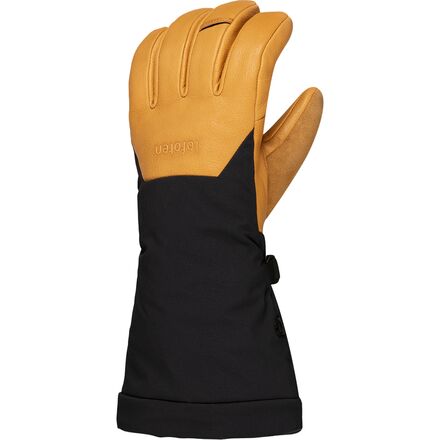
Norrona
Lofoten GORE-TEX Thermo200 Long Glove
1 color
$249.00
(1)

Norrona
/29 Warm3 Neck Gaiter
3 colors
$50.00
(17)

Norrona
/29 Pureull Liner Glove
1 color
$65.00
(3)

Norrona
/29 Heavy Merinoull Headband
2 colors
$50.00
(9)


Norrona
Tamok Dri3 Jacket - Women's
2 colors
$599.00
Spend $800+ On Outerwear, Get $50 | Summit+

Norrona
Lyngen Down750 Mitten
1 color
$169.00
(2)
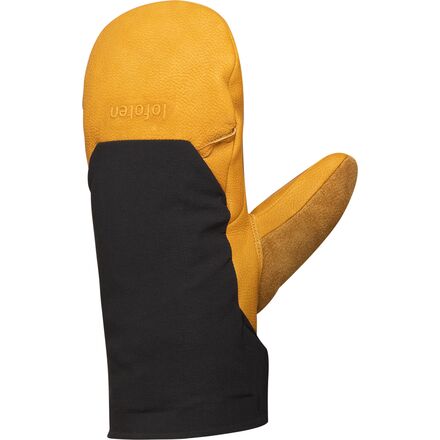
Norrona
Lofoten GORE-TEX Thermo200 Short Mitten
1 color
$229.00
(1)
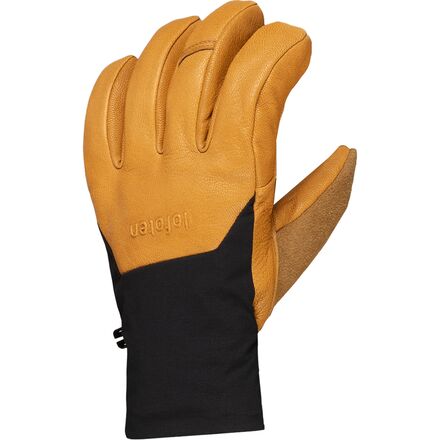
Norrona
Lofoten GORE-TEX Thermo100 Short Glove
1 color
$229.00
(5)

Norrona
Lofoten Down800 Anorak - Women's
1 color
$479.00
Spend $800+ On Outerwear, Get $50 | Summit+
(46)
Related Categories

Frequently Asked Questions
What are the differences between Norrøna’s Lofoten, Tamok, and Lyngen ski lines?
Norrøna’s Lofoten line is built for all‑mountain and mixed backcountry use, balancing durable face fabrics with breathability and features like powder skirts and reinforced panels. Tamok is heavier‑duty, designed for lift‑served resort days where abrasion resistance and warmth matter most. Lyngen is the lightweight backcountry option focused on packability and high breathability for uphill skins and fast ascents.Which Gore‑Tex technologies does Norrøna use and when should I choose each?
Norrøna uses Gore‑Tex Active for high‑output layering where lightweight breathability matters, Gore‑Tex Paclite Plus for lighter, packable shells with good weather protection, and Gore‑Tex Shakedry where maximum breathability and immediate water shedding are priorities. Choose Active or Paclite Plus for multi‑day or mixed conditions and Shakedry for high‑sweat, fast‑moving outings in changeable weather.How should I size Norrøna ski jackets and pants for layering and mobility?
Norrøna uses a technical, slightly roomier cut with articulated knees and longer jacket hems, so size for the layers you’ll wear underneath—a base and midlayer for backcountry or an insulated mid for resort days. If you prefer heavy layering or want more freedom for park tricks, consider one size up; for streamlined alpine touring fit, stick to your usual technical outerwear size. Check product-specific size charts and allowances for sleeve length and crotch rise when choosing pants.How do I choose between down, PrimaLoft, and Polartec Alpha insulation in Norrøna pieces?
Choose down (750–900 fill where specified) for the best warmth‑to‑weight ratio on cold, low‑moisture days; PrimaLoft if you want synthetic insulation that retains loft when wet. Polartec Alpha is ideal for high‑output activities because it breathes and dries quickly, making it suited for alpine touring and skin‑up sessions. Match insulation to your activity intensity and likelihood of wet conditions.How does the Lofoten line compare to the Lyngen for backcountry skiing?
Lofoten prioritizes durability and a slightly more protective cut—good for mixed terrain, tighter trees, and heavier use—often using tougher face fabrics and reinforced panels. Lyngen prioritizes low weight and supreme breathability (often with lighter Gore‑Tex variants) to favor uphill efficiency and fast descents. Pick Lofoten if you need rugged protection and abrasion resistance, and Lyngen if you prioritize packability and uphill performance.