


Up To 20% Off Full-Price Items
Shop now
EXTRA 20% Off Clearance
Shop now | Ends 11/9
Get An EXTRA $50 Cash Back*
Summit+ exclusive
Norrona Climb
43 results

Norrona
Trollveggen GORE-TEX PRO Light Jacket - Men's
3 colors
10% Cashback Eligible
(190)

Norrona
Falketind Warm2 Jacket - Men's
5 colors
(13)

Norrona
Falketind GORE-TEX Jacket - Men's
4 colors
10% Cashback Eligible
(52)

Norrona
Falketind Flex1 Softshell Pant - Men's
3 colors
(246)

Norrona
Trollveggen Warm3 Jacket - Men's
5 colors
(39)


Norrona
Trollveggen Superlight Down800 Hooded Jacket - Women's
2 colors
(11)

Norrona
Lofoten Down800 Anorak - Men's
3 colors
10% Cashback Eligible
(6)

Norrona
Falketind Warm1 Active Jacket - Men's
4 colors
(17)

Norrona
Trollveggen Warm3 Jacket - Women's
3 colors
(20)

Norrona
Trollveggen Warm3 Zip Hooded Jacket - Men's
2 colors
(12)

Norrona
Lofoten Flex1 Jacket - Men's
2 colors
10% Cashback Eligible
(5)

Norrona
Trollveggen Superlight Down800 Jacket - Women's
3 colors
(7)

Norrona
Falketind Warm1 Hooded Jacket - Men's
4 colors
(6)

Norrona
Falketind GORE-TEX Jacket - Women's
2 colors
10% Cashback Eligible
(26)

Norrona
Femund PureUll Zip Neck Top - Men's
2 colors
(10)

Norrona
Femund Down700 Zip Hooded Jacket - Men's
4 colors
10% Cashback Eligible
(9)

Norrona
Trollveggen Gore-Tex Pro Light Jacket - Women's
3 colors
10% Cashback Eligible
(7)

Norrona
Lyngen Thermo100 Active Zip Hooded Jacket - Men's
2 colors
Spend $800+ On Outerwear, Get $50 | Summit+

Norrona
Falketind Equaliserull Zip Neck Top - Men's
3 colors
(2)

Norrona
Femund PureUll Longs Bottom - Men's
3 colors
Winter Sale
(4)

Norrona
Falketind Warm1 Hood - Women's
2 colors
(1)

Norrona
Falketind Thermo40 Hooded Jacket - Men's
2 colors
(36)

Norrona
Falketind Equaliserull Longs - Men's
1 color

Norrona
Falketind Dri1 Jacket - Women's
2 colors
(7)

Norrona
Femund Warm2 Jacket - Women's
2 colors
(1)

Norrona
Falketind GORE-TEX Pant - Women's
1 color
Spend $800+ On Outerwear, Get $50 | Summit+
(8)

Norrona
Falketind GORE-TEX Pant - Men's
1 color
10% Cashback Eligible
(12)

Norrona
Senja Alpha90 Zip Hooded Jacket - Women's
1 color
Winter Sale
(4)

Norrona
Falketind Thermo40 Hooded Jacket - Women's
3 colors
Winter Sale
(11)

Norrona
Falketind Warm2 Jacket - Women's
2 colors
(2)

Norrona
Trollveggen Flex1 Rescue Pant - Men's
1 color
(38)

Norrona
Lofoten GORE-TEX Thermo200 Long Glove
1 color
(1)

Norrona
Falketind Aero60 Hood Windbreaker - Men's
1 color
(49)

Norrona
Femund Flex1 Lightweight Short - Women's
3 colors
Extra 10% Off Clearance | Ends 11/09
(6)

Norrona
Trollveggen Dri2 Down800 Zip Hooded Jacket - Men's
1 color
10% Cashback Eligible

Norrona
Falketind EqualiserUll T-Shirt - Men's
2 colors
(9)

Norrona
Falketind Dri1 Pant - Women's
1 color
(2)

Norrona
Falketind Warm2 Stretch Hooded Jacket - Men's
2 colors
(20)

Norrona
Femund Tech Long-Sleeve Top - Men's
1 color
(12)

Norrona
Falketind Flex1 Light Short - Men's
1 color
(18)

Norrona
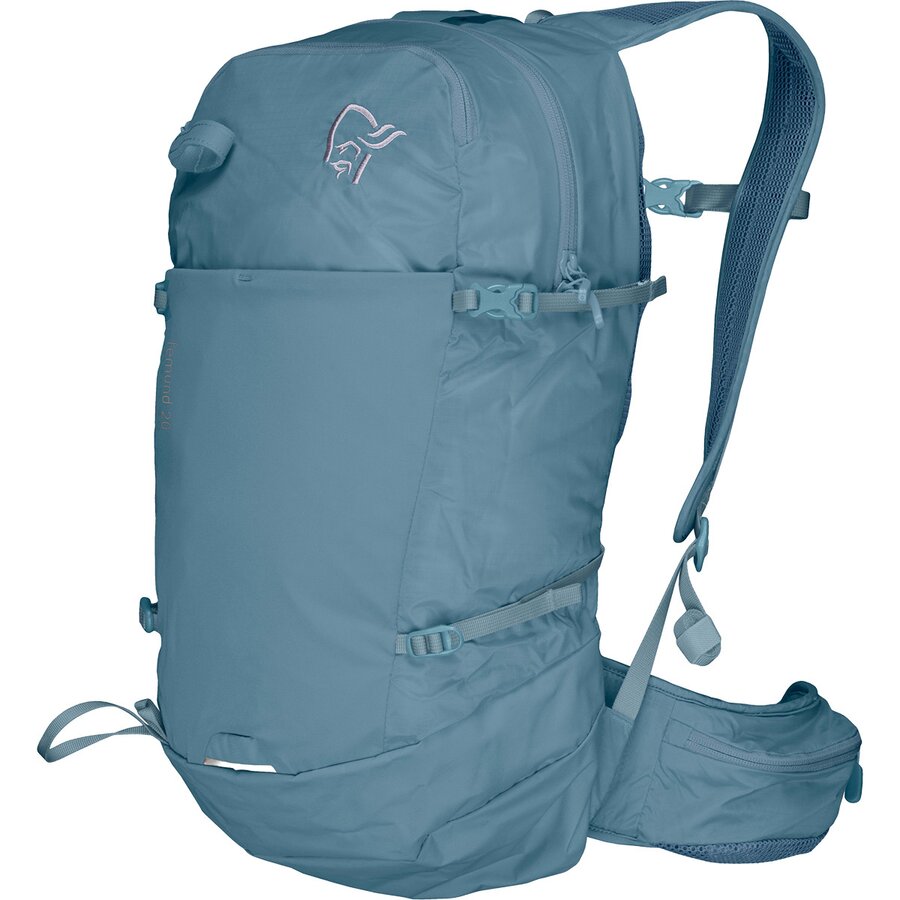
Econyl 18L Pack
1 color
(9)

Norrona
Falketind Down750 Hooded Jacket - Women's
2 colors
(99)
Related Categories




Frequently Asked Questions
How does the Lyngen GORE-TEX Active compare to the Lofoten GORE-TEX Pro for ski touring and alpine ascents?
Lyngen GORE-TEX Active is ultralight (around 297–320 g for a medium) with very high breathability (GORE-TEX Active, RET ~4) and packs small, making it ideal for steep, high‑output skin-ups. Lofoten GORE-TEX Pro (about 601 g for a medium) uses a tougher Pro face fabric with higher abrasion resistance (RET ~9) and more robust weather protection, so it’s better for mixed rock/ice, tree runs, and long alpine days where durability matters. Choose Lyngen for light-and-fast uphill efforts and Lofoten when you expect sustained abrasion or need maximum weatherproofing.What features make Trollveggen jackets suited to technical climbing and roped mountaineering?
Trollveggen pieces have helmet‑compatible hoods, high Napoleon chest pockets placed to avoid harness interference, and reinforced shoulders and elbows for rope and pack contact. The trim technical cut and articulated patterning preserve mobility while minimizing bulk under a pack or harness. Those details prioritize accessibility, durability, and head protection on technical routes.How should I size Norrøna climbing shells for layering, harness use, and helmet compatibility?
Norrøna runs a technical, slightly narrow fit with a longer torso and generous sleeve length; many climbers wear their standard size over a base layer and a thin hoody but size up if they plan to layer a thick down midlayer. Always try a shell on with the harness, pack, and midlayer you’ll use to confirm shoulder and hood fit for a climbing helmet, and check sleeve length with raised arms. Sizing up gives room for insulation without substantially reducing mobility thanks to articulated sleeves.Which Norrøna materials are best for high‑output uphill efforts versus multi‑day alpine objectives?
For high‑output uphill efforts opt for GORE‑TEX Active shells and Polartec Alpha midlayers that emphasize low weight, high breathability, and fast moisture transport. For multi‑day alpine or mixed rock/ice objectives, choose GORE‑TEX Pro shells with 28,000 mm waterproofing and reinforced panels for superior abrasion resistance and long‑term weather protection. Match insulation (high‑fill down or PrimaLoft) to expected overnight cold while prioritizing ventilation options for sustained aerobic climbs.How resistant are Norrøna climbing shells to rock and bushwhack, and what field repairs or care extend their life?
GORE‑TEX Pro–based Lofoten and Trollveggen garments use abrasion‑resistant face fabrics and reinforcements designed to withstand pack wear and rock contact, whereas GORE‑TEX Active pieces trade some durability for lower weight. In the field carry a small repair kit (adhesive patches/tenacious tape) and address ripped seams or compromised tape promptly; avoid prolonged scraping on sharp rock when possible. Regular cleaning and reapplying DWR as recommended preserves breathability and prolongs membrane performance.