


Up To 20% Off Full-Price Items
Shop now
EXTRA 20% Off Clearance
Shop now | Ends 11/9
Get An EXTRA $50 Cash Back*
Summit+ exclusive
Niner Bike
4 results
HSA/FSA Eligible

Niner
Bio-Centric EBB
1 color
Current price: $36.56 Original price: $89.00
59% off
Winter Sale

Niner
Derailleur Hanger
1 color
$14.00
Discount Applies In Cart | Ends 11/16
HSA/FSA Eligible

Niner
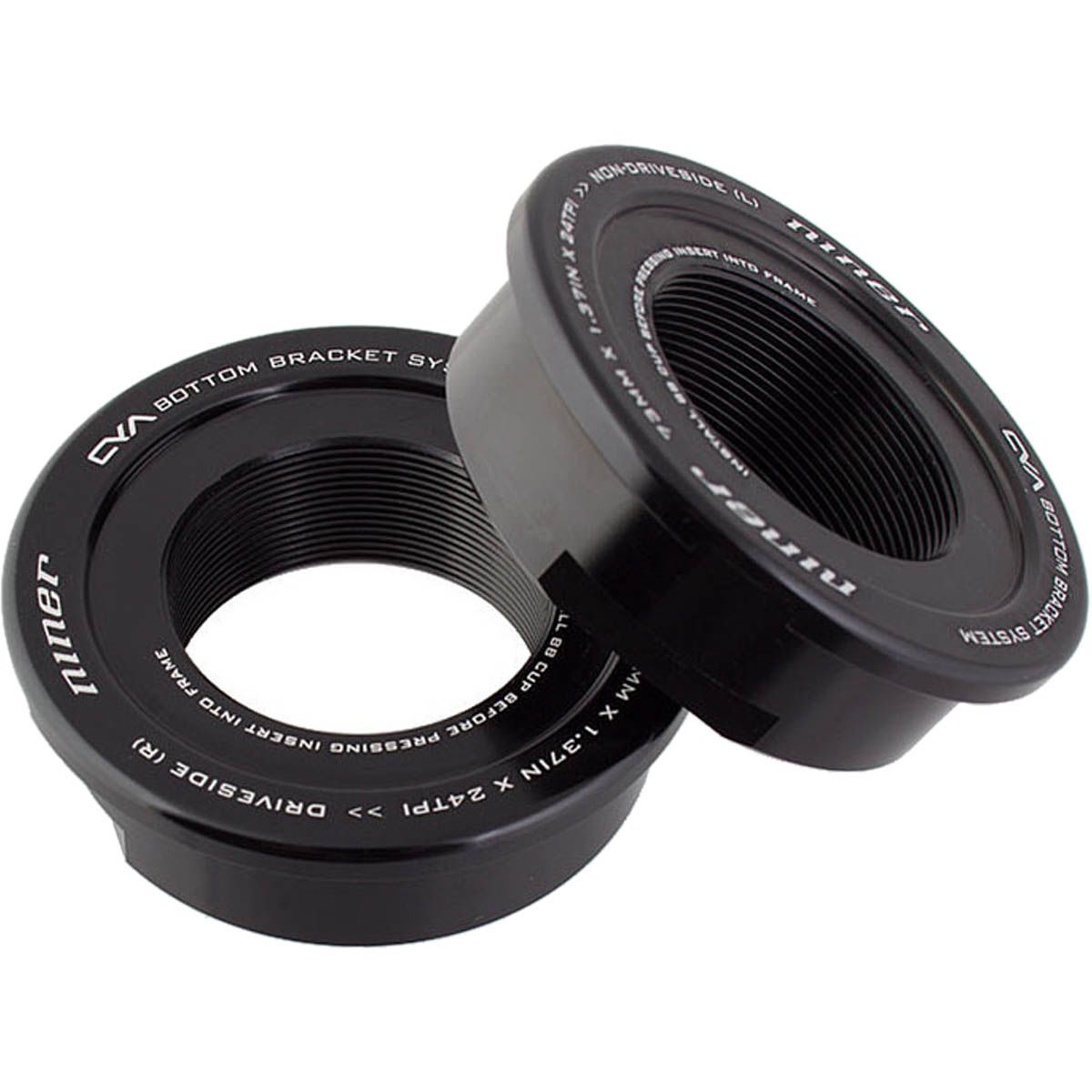
CYA Insert
4 colors
Current price: $35.75 - $36.57 Original price: $89.00
Up to 60% off
Winter Sale

Niner
Ringalicious
2 colors
$55.00
Discount Applies In Cart | Ends 11/16
Related Categories

Frequently Asked Questions
What sets Niner bikes apart from other mountain and gravel brands?
Niner emphasizes purpose-built geometry and ride quality across dedicated models, pairing carbon and aluminum frame options with design details like Rib Cage construction for lateral stiffness and torsional resistance. The company’s lineup targets specific disciplines—from XC speed to enduro gravity and expedition-ready gravel—so each frame is tuned for its intended terrain and riding style.What proprietary frame features and technologies does Niner use?
Niner frames commonly use Rib Cage construction, internal cable routing, trunnion shock mounts, and Enduro MAX Black Oxide pivot bearings for durability and smooth articulation. Select models also use the Universal Derailleur Hanger (UDH) and are Di2-ready, supporting modern wired and wireless drivetrain setups.How do Niner’s models differ across XC, trail, enduro, and gravel categories?
Niner’s XC models like the RKT and AIR focus on lightweight speed and agility, trail bikes such as the JET and RIP balance climbing efficiency with descending capability, and the WFO is tuned for high-speed, gravity-oriented enduro riding. Gravel models—RLT, SIR, and MCR—prioritize stability and comfort for long rides, bikepacking, and mixed-surface racing.How does Niner ensure frames are strong without excessive weight?
Niner offers both carbon and aluminum frames and subjects designs to rigorous torsional and strength testing, including ISO mountain bike standards, before production. That engineering-led approach helps balance stiffness, impact resistance, and weight for each model’s intended use.What gravel-specific features do the RLT, SIR, and MCR include?
Niner’s gravel bikes use stable, agile geometry and generous tire clearance (typically supporting 700x50c and/or 650bx2.0), with some full-suspension gravel models offering 50–90mm of rear travel for rougher routes. They also accommodate bikepacking setups and a wide range of drivetrains, with select models built to accept electronic shifting.