


Up To 20% Off Full-Price Items
Shop now
EXTRA 20% Off Clearance
Shop now | Ends 11/9
Get An EXTRA $50 Cash Back*
Summit+ exclusive
Nike Kids
4 results

Nike
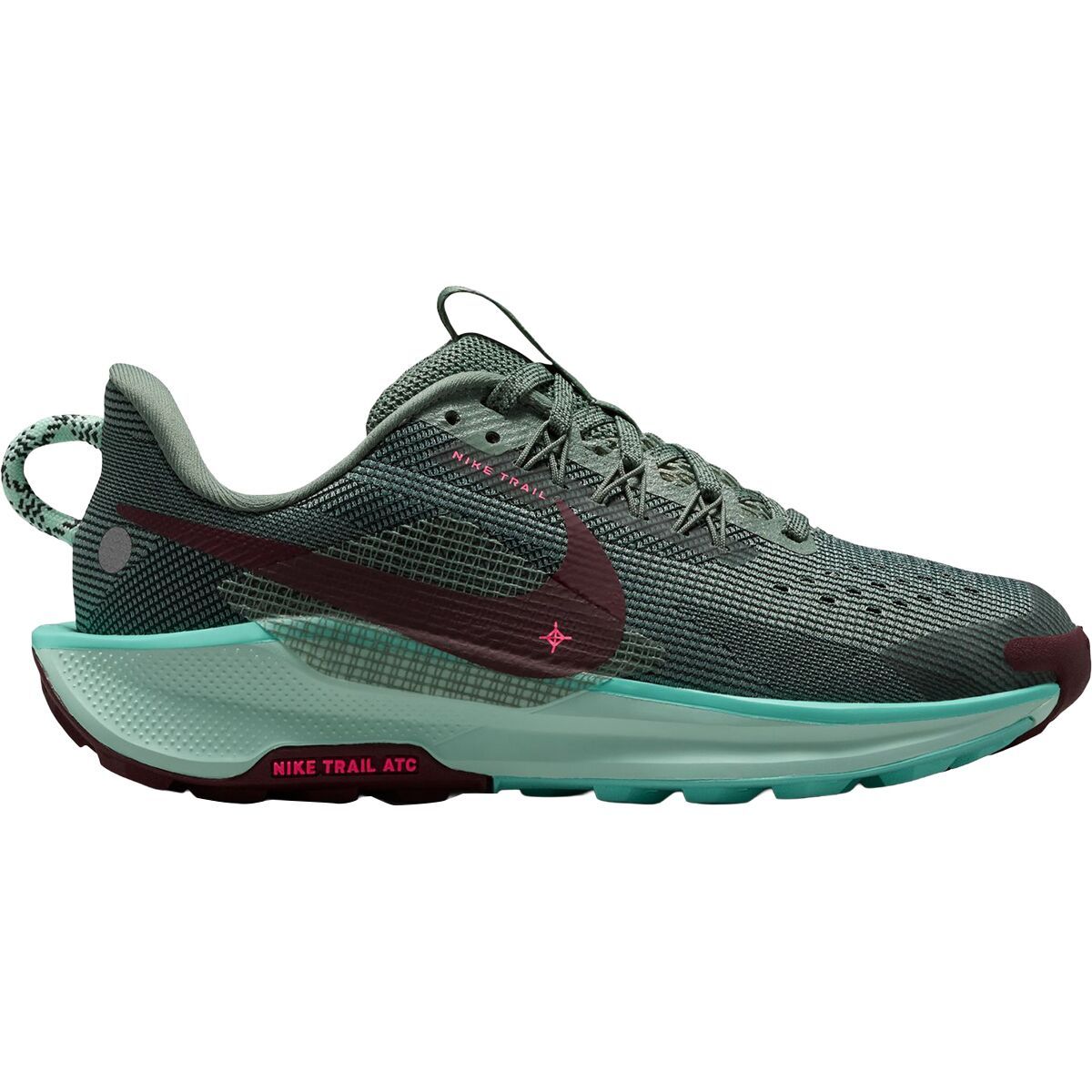
Pegasus Trail 5 Shoe - Big Kids'
2 colors
Current price: $83.97 Original price: $119.95
30% off
Winter Sale
(26)

Nike
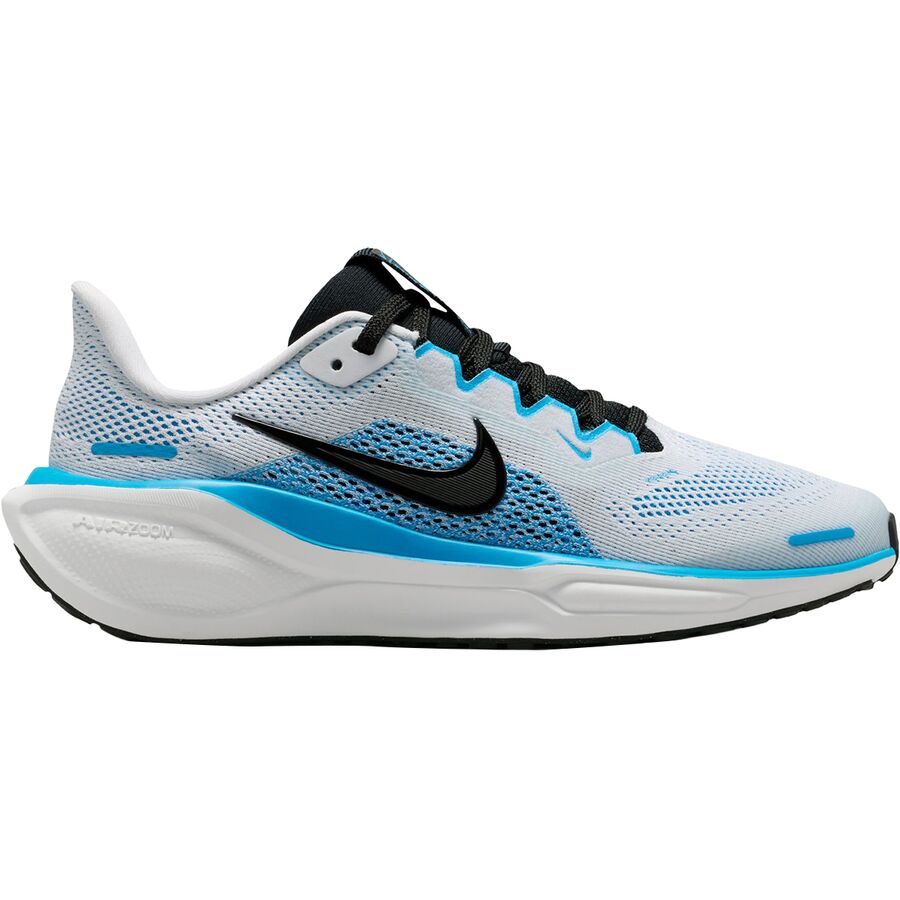
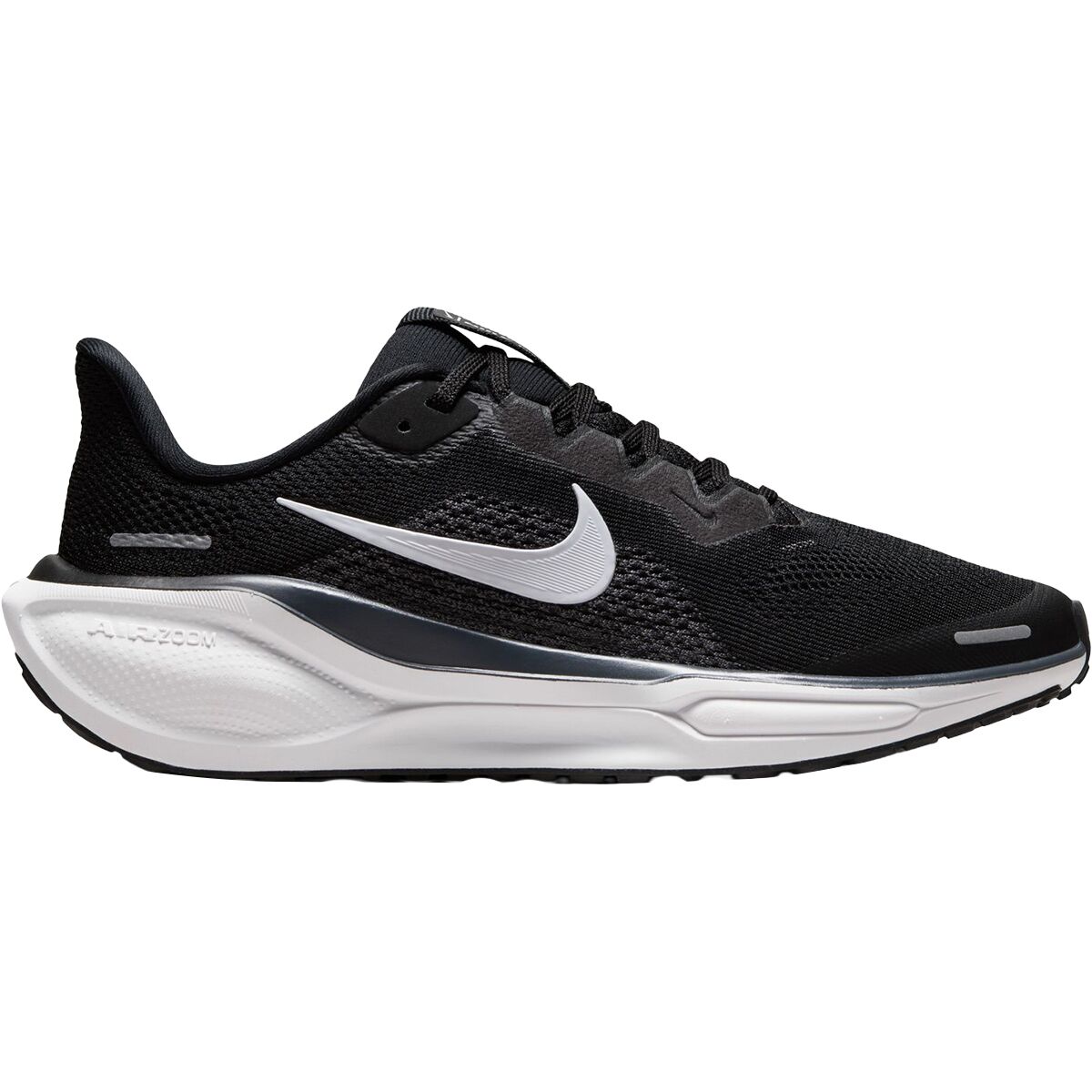
Pegasus 41 Shoe - Big Kids'
2 colors
Current price: $73.47 Original price: $104.95
30% off
Winter Sale
(40)

Nike
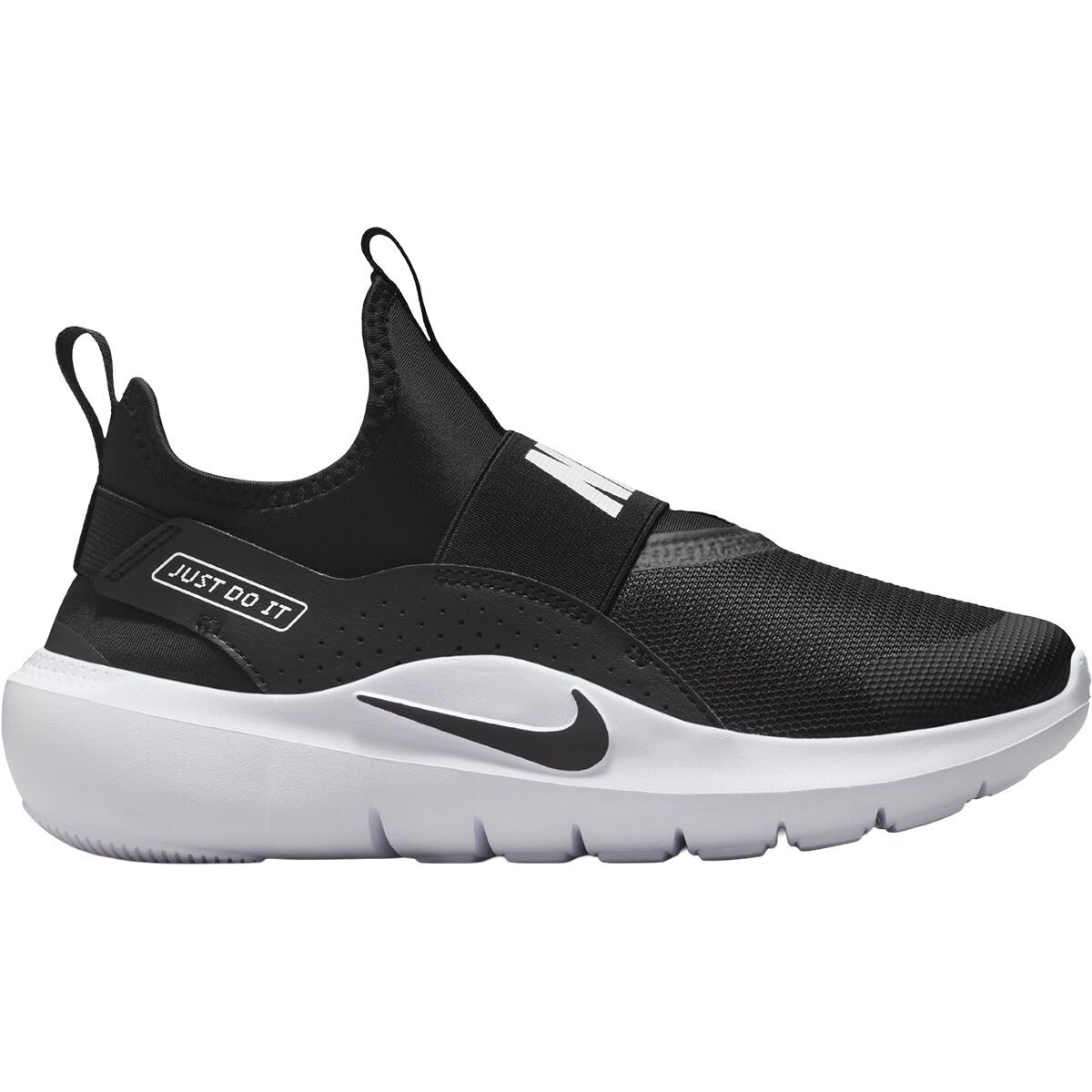
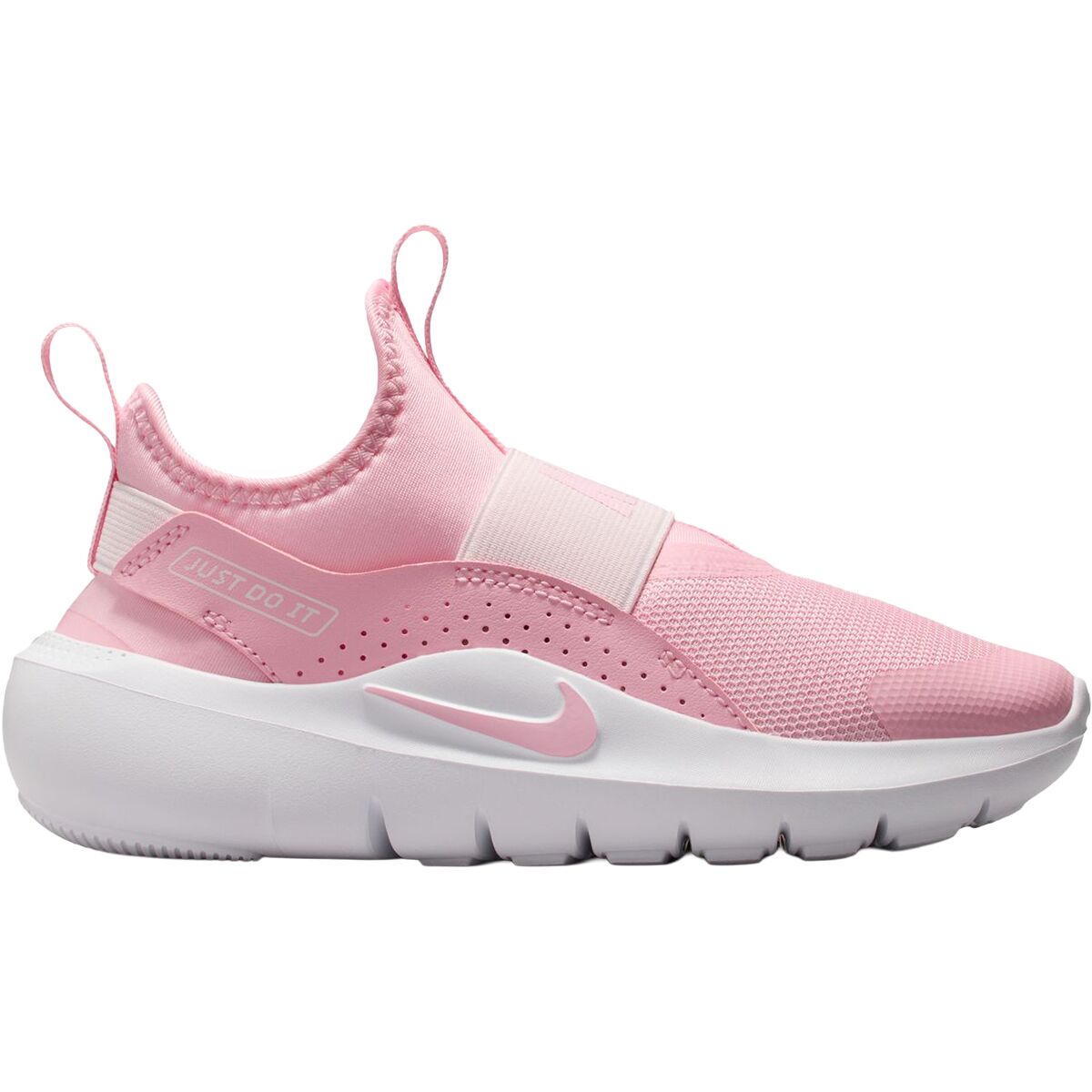
Flex Runner 4 - Big Kids'
1 color
Current price: $34.96 Original price: $49.95
30% off
Winter Sale
(66)

Nike
Flex Runner 4 Shoes - Toddlers'
1 color
Current price: $31.47 Original price: $44.95
30% off
Winter Sale
(82)
Related Categories
Frequently Asked Questions
How should Nike kids' shoes fit and how much growth room should I allow?
A good fit has the shoe bending at the ball of the foot with about a finger’s-width of space at the toe to allow growth and toe splay; check that the heel sits snug without slipping. Look for padded collars, anatomically shaped midsoles, and adjustable closures (Velcro, elastic laces, FlyEase) to keep the foot secure while still allowing easy on/off.Which Nike kids' models are best for running, everyday play, and team sports?
For short-distance running and training choose models built for cushioning and flexibility like the Nike Flex Runner, Revolution, or Downshifter; they feature breathable mesh/Flyknit and lightweight midsoles. Everyday play and school use suit Dynamo Go or Air Force styles that prioritize easy entry and durable outsoles, while team sports like basketball and soccer benefit from sport-specific shoes (Air Jordan/LeBron/Kyrie lines for court traction and ankle support; turf/cleat versions for soccer) that offer targeted traction and reinforced overlays.How do Nike cushioning systems like React, Phylon, and Air/Zoom Air compare for kids?
React foam delivers a springy, durable ride that feels responsive for active kids and is often used in models like Flex Runner, while Phylon is a lightweight, compressed EVA-style foam common in entry-level trainers like the Revolution. Nike Air and Zoom Air use pressurized air units for impact absorption and low-profile responsiveness—Air Max styles emphasize visible heel units for cushioning, and Zoom provides snappy forefoot response for quick moves. Choose foam-first midsoles (React/Phylon) for all-day comfort and Air/Zoom where impact protection or court responsiveness is a priority.What features should I look for in Nike kids' basketball shoes versus running shoes?
Basketball shoes prioritize lateral stability, lockdown (strap systems or snug heel counters), grippy herringbone or multi-directional outsoles, and extra ankle support seen in junior LeBron/Kyrie and Air Jordan models. Running shoes like the Flex Runner or Downshifter emphasize lightweight breathability, a flexible forefoot, and cushioning focused on heel-to-toe transition rather than lateral support. Match basketball-specific shoes to court play and quick cuts, and running trainers to repeated straight-ahead impact and daily running/play.How does the Nike Dynamo Go compare to the Nike Flex Runner for toddlers and young kids?
The Dynamo Go is designed for toddlers with easy-entry features (wide openings, Velcro/elastic straps), a durable rubber outsole, and playful silhouettes built for independent wear and rough play. The Flex Runner is a slip-on style for slightly older kids that leans more on knit uppers and responsive midsoles for running and active play, offering a sock-like fit and more performance-oriented cushioning. Choose Dynamo Go for early walkers needing simplicity and durability, and Flex Runner when you want a lightweight, performance-first shoe for running and PE.