


Up To 20% Off Full-Price Items
Shop now
EXTRA 20% Off Clearance
Shop now | Ends 11/9
Get An EXTRA $50 Cash Back*
Summit+ exclusive
Native Eyewear Women's Accessories
14 results

Native Eyewear
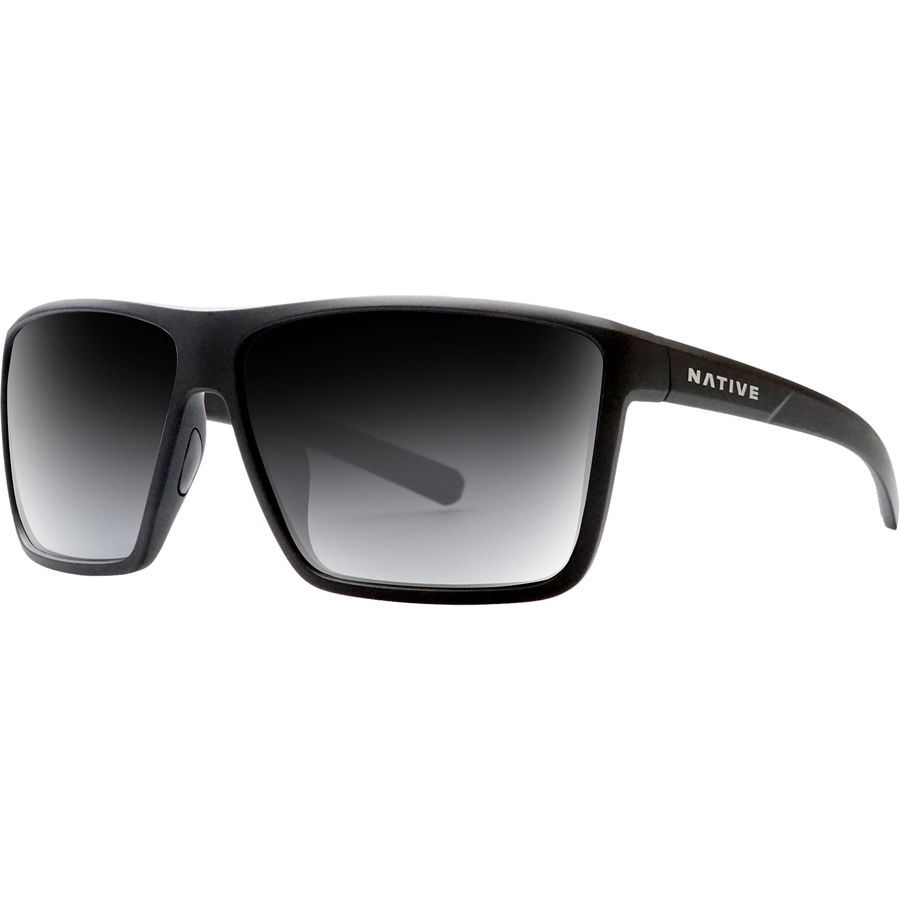
Tavern XL Polarized Sunglasses
5 colors
Discount Applies In Cart | Ends 11/16

Native Eyewear
Gorge Sunglasses
1 color
Discount Applies In Cart | Ends 11/16

Native Eyewear
Sightcaster 2 Polarized Sunglasses
2 colors
Discount Applies In Cart | Ends 11/16

Native Eyewear
Targhee Square Polarized Sunglasses
1 color
Discount Applies In Cart | Ends 11/16

Native Eyewear
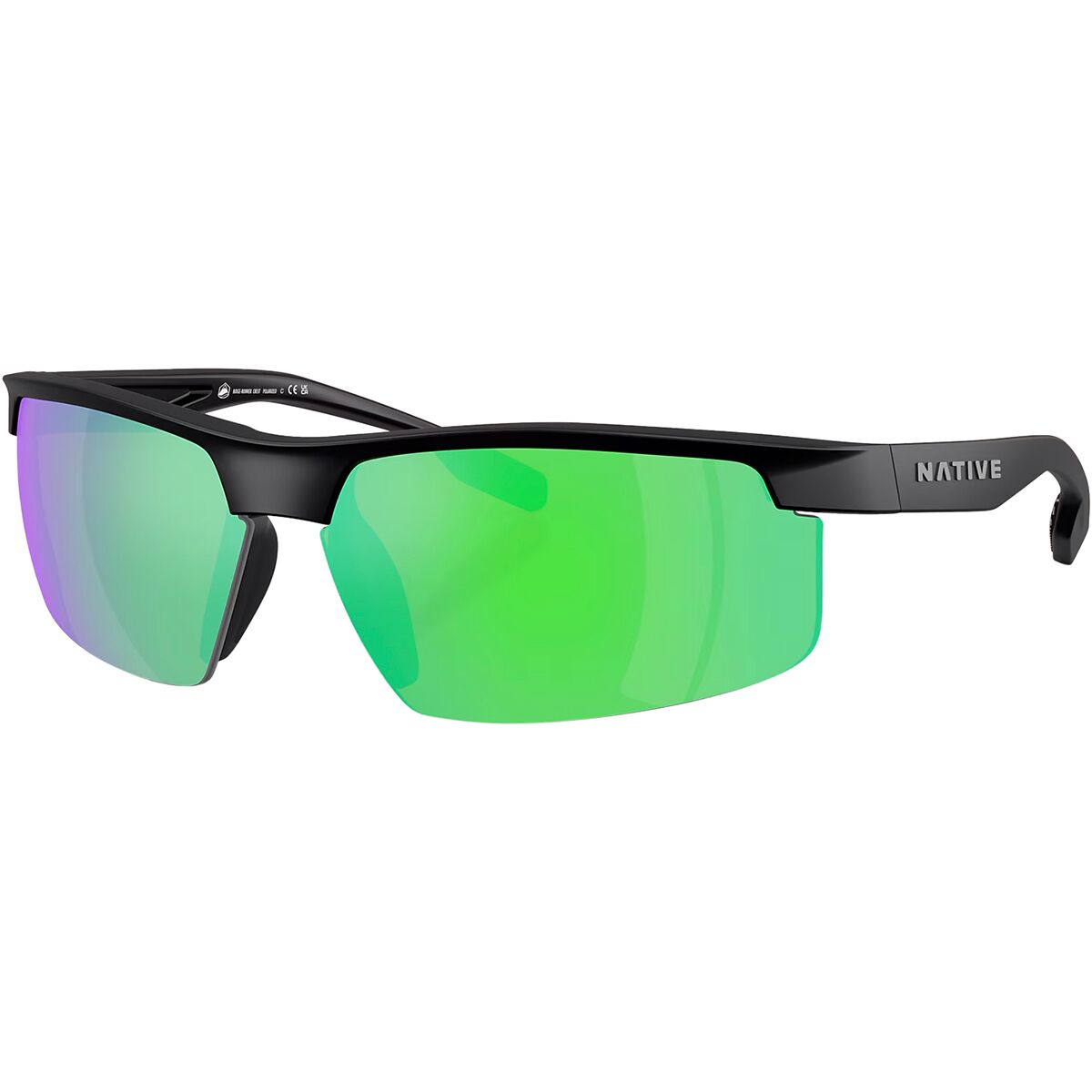
Ridge-Runner Crest Polarized Sunglasses
2 colors
Discount Applies In Cart | Ends 11/16

Native Eyewear
Kodiak Polarized Sunglasses
1 color
Discount Applies In Cart | Ends 11/16

+2
Native Eyewear
Tavern Polarized Sunglasses
6 colors
Discount Applies In Cart | Ends 11/16

Native Eyewear
Ridge-Runner Polarized Sunglasses
1 color
Discount Applies In Cart | Ends 11/16

Native Eyewear
Gorge Polarized Sunglasses
2 colors
Discount Applies In Cart | Ends 11/16

Native Eyewear
Breck Sunglasses
1 color
Discount Applies In Cart | Ends 11/16

Native Eyewear
Breck Polarized Sunglasses
2 colors
Discount Applies In Cart | Ends 11/16

Native Eyewear
Mesa Polarized Sunglasses
1 color
Discount Applies In Cart | Ends 11/16

Native Eyewear
Mammoth Polarized Sunglasses
3 colors
Discount Applies In Cart | Ends 11/16


Native Eyewear
Wells XL Polarized Sunglasses
3 colors
Discount Applies In Cart | Ends 11/16
Related Categories

Frequently Asked Questions
How do Native Eyewear women's sunglasses fit different face shapes, and which models are best for small or large faces?
Native frames are designed to sit snug without pinching, with secure-fitting grip that keeps sunglasses in place during activity. For larger faces or extended coverage choose XL options like Tavern XL, Badlands XL, or Wells XL; models like Sanitas and La Reina suit rounded or statement looks, while Crestone offers a sportier, roomier fit. Note that some bronze-lensed styles can feel loose on smaller heads, so try narrower frames if you have a smaller face.What is the difference between N3 lens technology and Native’s standard polarized lenses?
Native’s premium polarized lenses reduce glare and enhance visual clarity, block 100% of UV and over 90% of harmful blue light, and are impact-resistant. N3 lens technology, available on select models, further reduces infrared transmission—blocking up to four times more infrared light than regular polarized lenses—to improve contrast and comfort in bright, high-IR conditions.How do the Sanitas and Crestone women's models compare for active outdoor use?
Sanitas features a rounded frame with temple grip for all-day comfort and stable wear during casual to moderate activities, making it a versatile everyday trail option. Crestone has a streamlined, sportier shape with a larger fit and an interchangeable lens system, so it’s better suited for high-output activities or users who want to swap lenses for changing light.Which lens colors and models should I choose for trail running, sea kayaking, or snowy conditions?
For trail running and general hiking, gray or blue polarized lenses and models like Mesa or Sanitas offer versatile contrast and glare reduction; Crestone’s interchangeable system is handy for variable conditions. Bronze reflex lenses (around 12% VLT) work well in moderate to bright sunlight but are less ideal for frequent snow or whitewater use, where higher-contrast or specialized low-VLT lenses perform better.