


Up To 20% Off Full-Price Items
Shop now
EXTRA 20% Off Clearance
Shop now | Ends 11/9
Get An EXTRA $50 Cash Back*
Summit+ exclusive
Mountain Hardwear Run
30 results


Mountain Hardwear
Summit Grid Hoodie - Men's
5 colors
Discount Applies In Cart | Ends 11/16

Mountain Hardwear
Microchill 1/4-Zip Pullover - Men's
4 colors
Discount Applies In Cart | Ends 11/16
(9)

+3
Mountain Hardwear
Crater Lake Long-Sleeve Crew Shirt - Men's
7 colors
Discount Applies In Cart | Ends 11/16
(42)

Mountain Hardwear
AirMesh Long-Sleeve Hoodie - Men's
4 colors
Discount Applies In Cart | Ends 11/16
(29)

Mountain Hardwear
Crater Lake Long-Sleeve Crop Top - Women's
4 colors
Discount Applies In Cart | Ends 11/16
(49)

Mountain Hardwear
Sunshield 1/2-Zip Top - Women's
4 colors
Extra 10% Off Clearance | Ends 11/09
(7)

Mountain Hardwear
Kor AirShell Hoodie - Men's
5 colors
Discount Applies In Cart | Ends 11/16
(28)

Mountain Hardwear
Kor AirShell Full-Zip Jacket - Men's
3 colors
Discount Applies In Cart | Ends 11/16
(11)

Mountain Hardwear
Kor AirShell Wind Hooded Jacket - Women's
4 colors
Discount Applies In Cart | Ends 11/16
(17)

Mountain Hardwear
AirMesh 1/2-Zip Pullover - Men's
3 colors
Discount Applies In Cart | Ends 11/16
(13)

Mountain Hardwear
Stryder Jogger - Women's
3 colors
Winter Sale
(23)

Mountain Hardwear
Dynama High Rise Utility Jogger - Women's
4 colors
Discount Applies In Cart | Ends 11/16
(38)

Mountain Hardwear
MicroChill Jacket - Men's
3 colors
Discount Applies In Cart | Ends 11/16
(26)

Mountain Hardwear
Crater Lake Heavyweight 1/2-Zip Top - Women's
2 colors
Winter Sale
(4)

Mountain Hardwear
Kor AirShell Hybrid Hooded Jacket - Men's
1 color
Winter Sale
(5)

Mountain Hardwear
Butter Up Tight - Women's
3 colors
Discount Applies In Cart | Ends 11/16
(8)

Mountain Hardwear
Kor AirShell Hybrid Hooded Jacket - Women's
1 color
Winter Sale
(4)

Mountain Hardwear
Dynama 3in Short - Women's
2 colors
Extra 10% Off Clearance | Ends 11/09
(4)

Mountain Hardwear
Kor Stasis Glove
2 colors
Discount Applies In Cart | Ends 11/16
(10)

Mountain Hardwear
Crater Lake Tank Top - Women's
2 colors
Extra 20% Off Clearance | Ends 11/9
(14)

Mountain Hardwear
Kor Alloy Tight - Women's
2 colors
Discount Applies In Cart | Ends 11/16
(7)

Mountain Hardwear
Butter Up Slim Pant - Men's
2 colors
Discount Applies In Cart | Ends 11/16
(8)

Mountain Hardwear
Chillaction Tank Top - Women's
1 color
Extra 20% Off Clearance | Ends 11/9
(1)

Mountain Hardwear
Crater Lake Short-Sleeve Top - Women's
1 color
Winter Sale
(17)

Mountain Hardwear
Sunshield Hoodie - Women's
2 colors
Winter Sale
(17)

Mountain Hardwear
Kor Alloy Tight - Men's
2 colors
Discount Applies In Cart | Ends 11/16
(8)

Mountain Hardwear
Crater Lake Half-Zip Top - Women's
3 colors
Discount Applies In Cart | Ends 11/16
(12)

Mountain Hardwear
Lone Pine Beanie
3 colors
Discount Applies In Cart | Ends 11/16

Mountain Hardwear
Shade Lite 4in Short - Women's
1 color
Winter Sale
(4)

Mountain Hardwear
Kor AirShell Full-Zip Wind Jacket - Women's
2 colors
Extra 20% Off Clearance | Ends 11/9
(10)
Related Categories
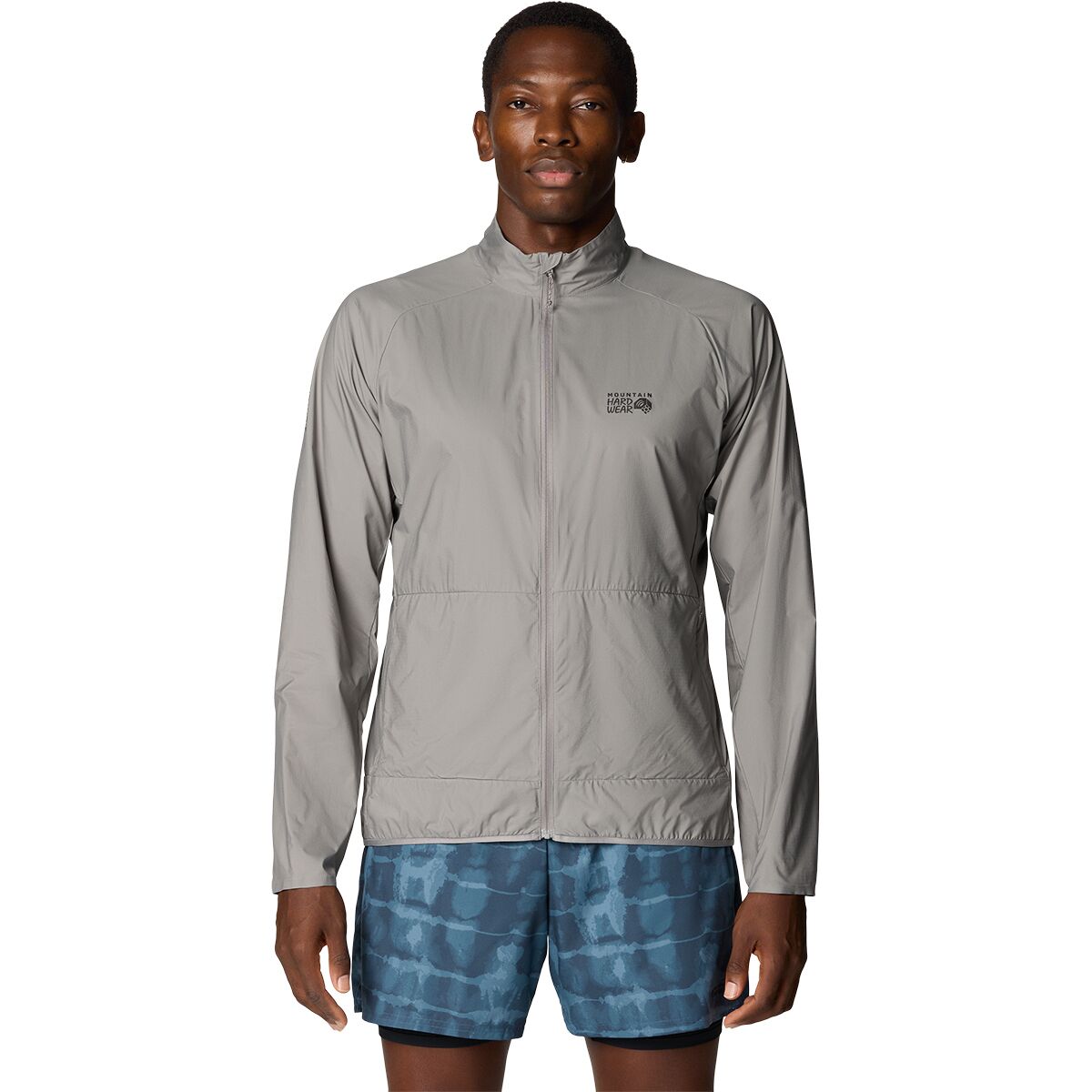 Mountain Hardwear Men's Run & Training Jackets
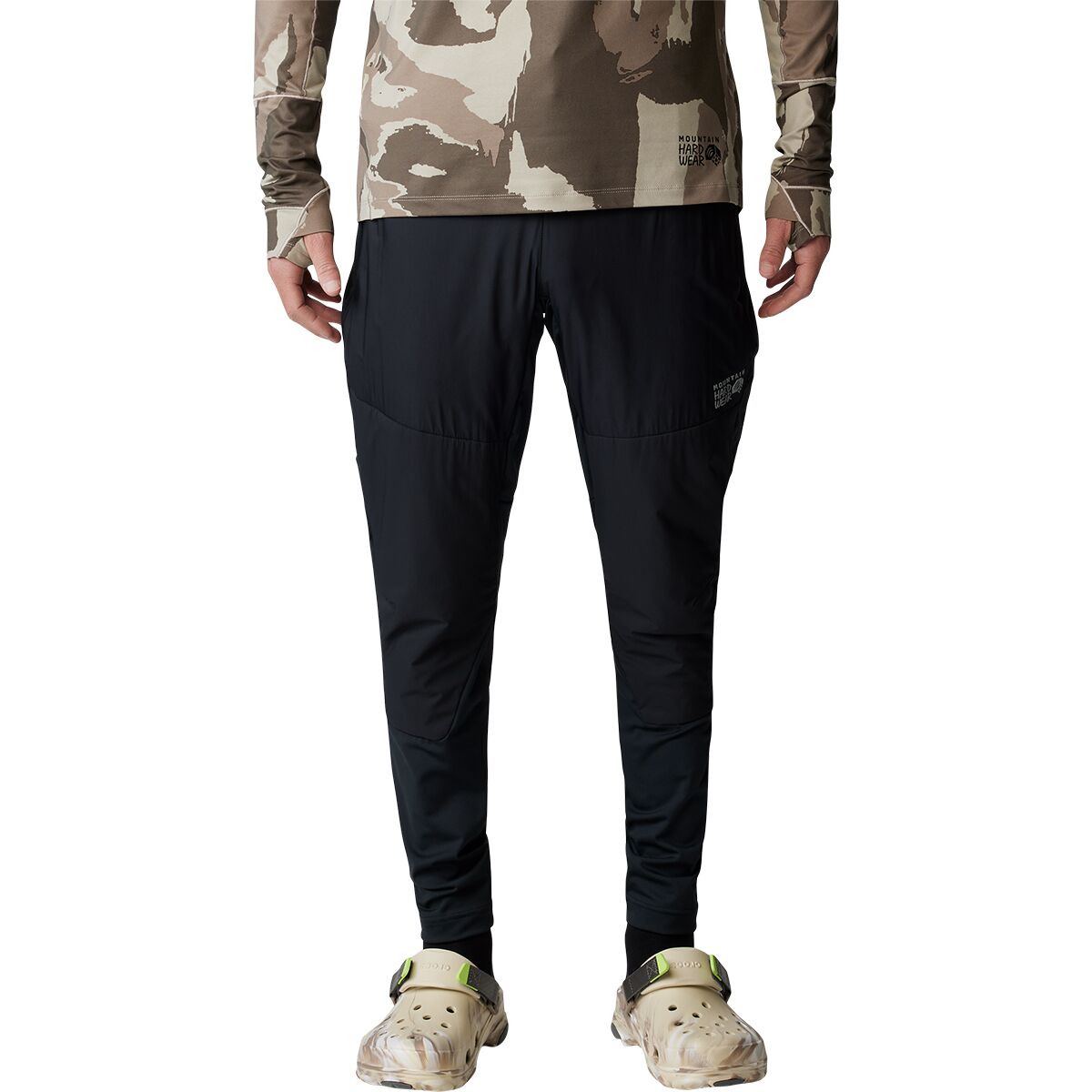 Mountain Hardwear Men's Run & Training Pants
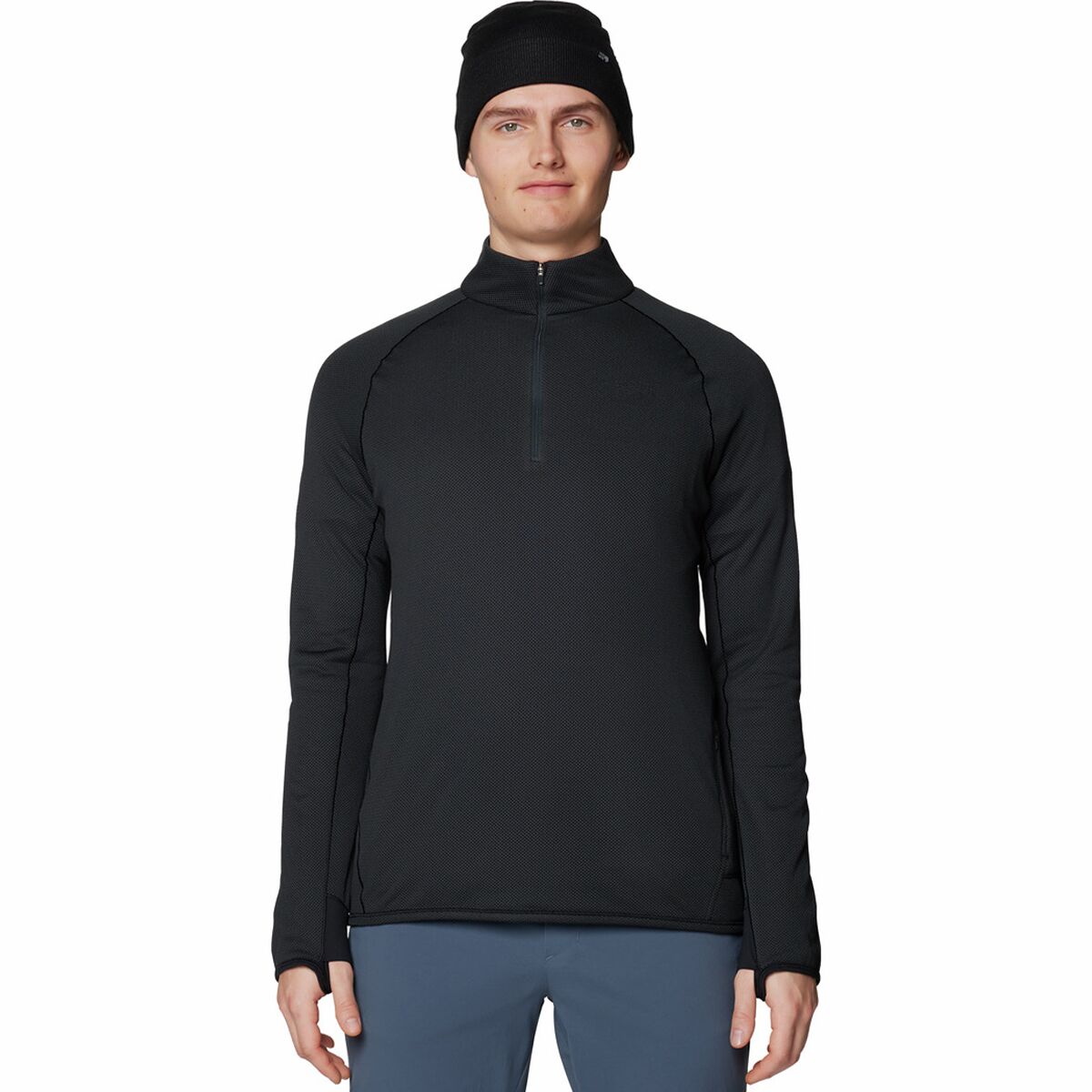 Mountain Hardwear Men's Run & Training Shirts
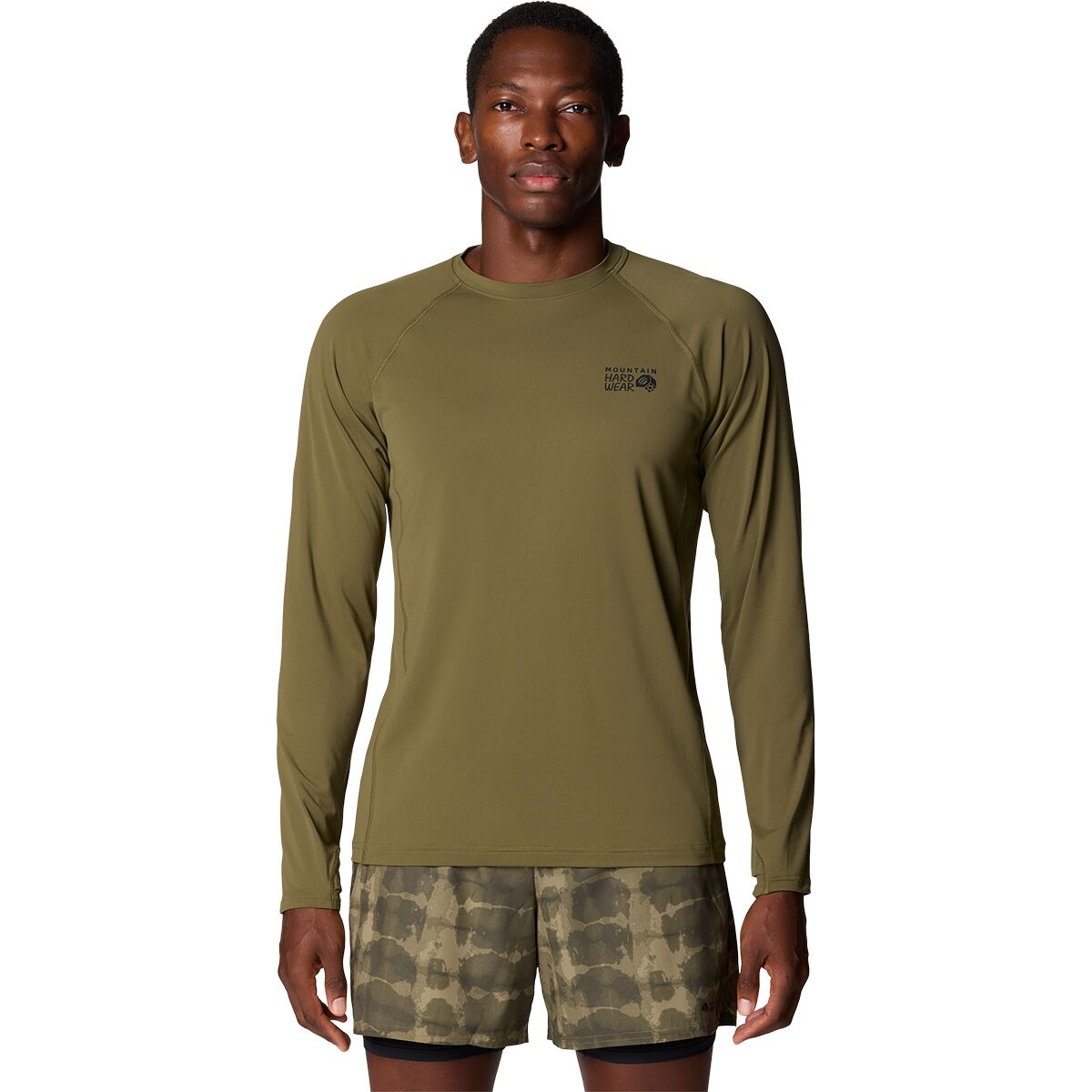 Mountain Hardwear Men's Running Clothing
 Mountain Hardwear Women's Run & Training Jackets
 Mountain Hardwear Women's Run & Training Pants
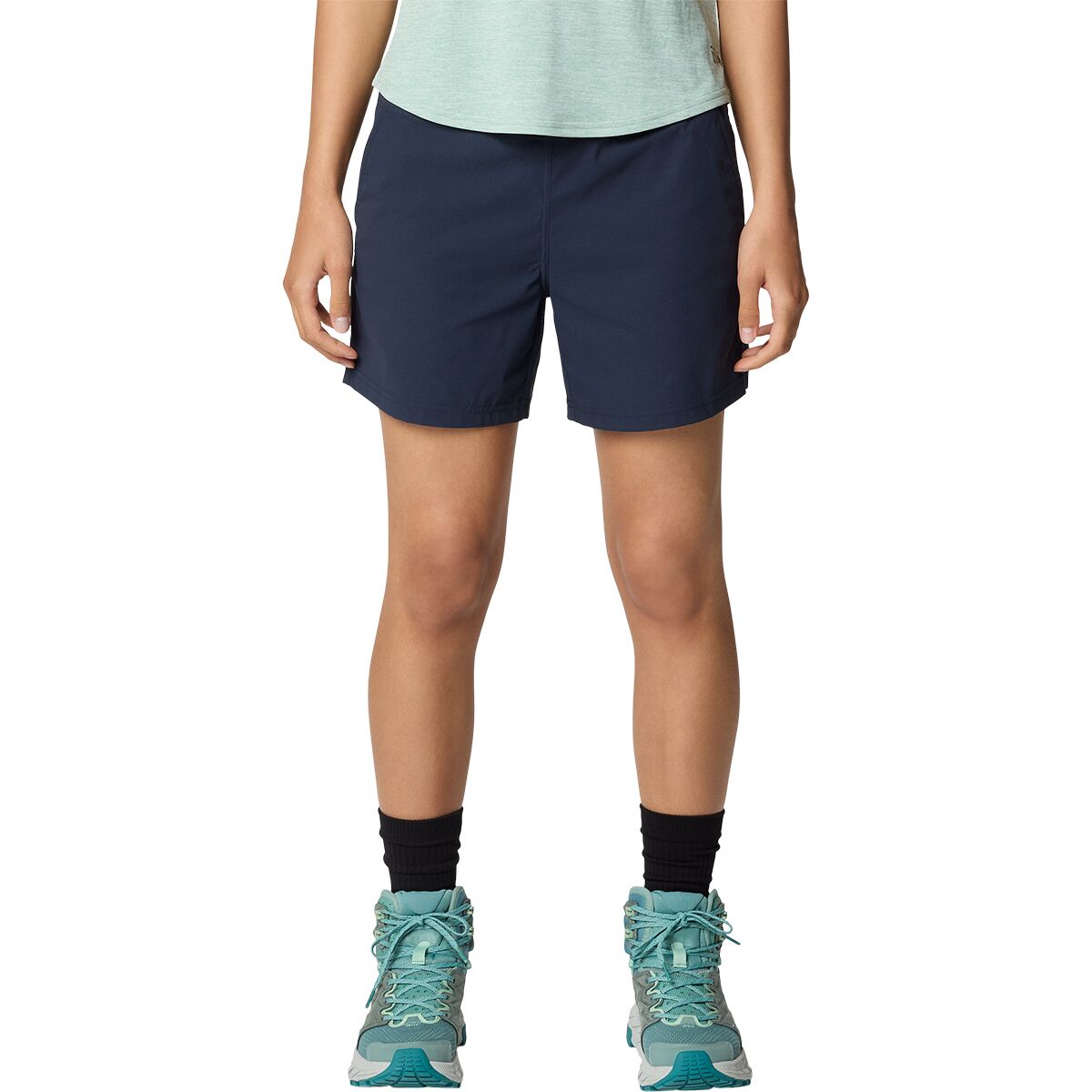 Mountain Hardwear Women's Run & Training Shorts
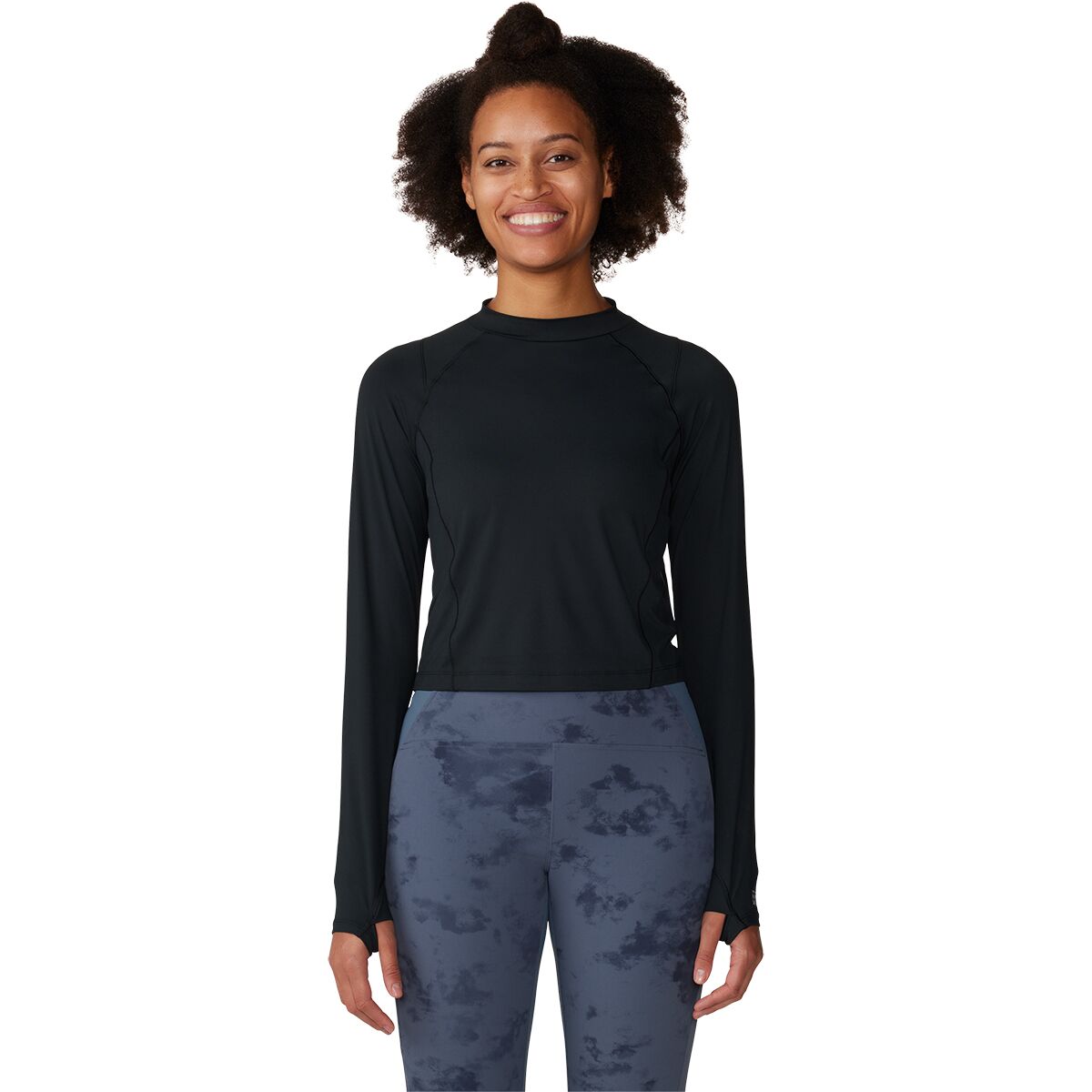 Mountain Hardwear Women's Run & Training Tops
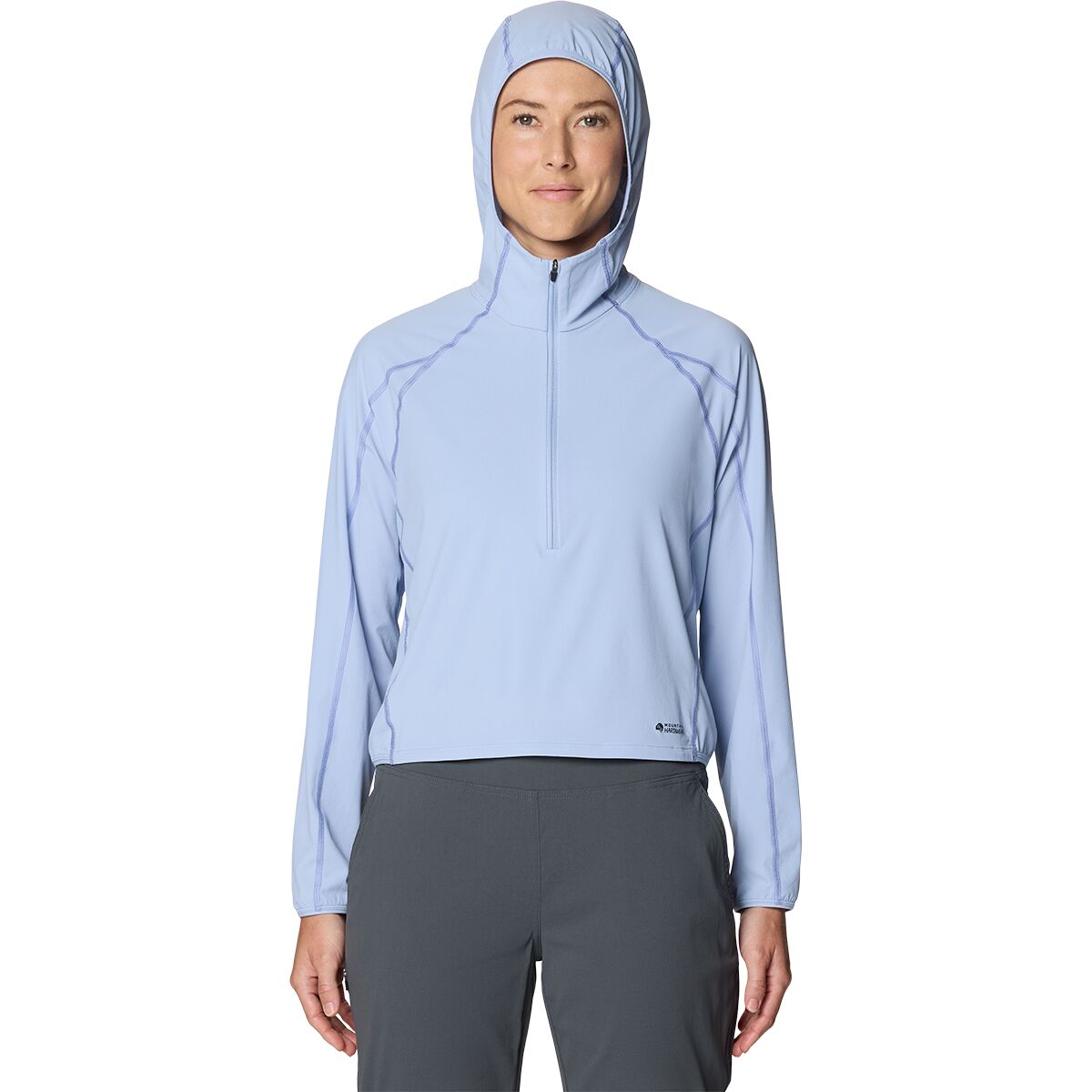 Mountain Hardwear Women's Running Clothing
Frequently Asked Questions
What makes Mountain Hardwear's AirMesh base layers a good choice for trail running?
AirMesh uses Octa fiber loft and a lightweight 83 g/m² face to deliver an excellent warmth‑to‑weight ratio (R‑value ~0.35, R‑value/gsm ~0.0042) while staying highly breathable (air permeability ~740, porosity ~14%). That combination wicks and sheds moisture quickly (dry time ~68 minutes in saturation tests) and traps enough air for light insulation, making it ideal as a breathable base layer during high‑output efforts.How do I choose between Trail Sender Pants and Trail Sender Shorts for thru‑hiking or fastpacking?
Choose Trail Sender Shorts for hot, high‑cadence days—men’s shorts have an 8" inseam and adjustable snap/drawstring waist while women’s shorts use a 3" inseam and elastic drawcord for a closer fit. Trail Sender Pants use a 93 g/m² ripstop polyester for added abrasion resistance on brushy or variable terrain and feature adjustable waist closures and secure pockets, so they’re better for cooler mornings, longer multi‑day routes, or technical approaches.How does the Kor Airshell Warm jacket compare to a traditional hardshell for fast, high‑output activities?
The Kor Airshell Warm uses Pertex Quantum Air 20D Stretch Ripstop paired with a brushed‑back AirMesh liner to prioritize air permeability and thermo‑regulation, so it breathes and insulates better during sustained efforts than a typical non‑breathable hardshell. It’s lighter and more comfortable for run‑oriented pursuits, but because it trades some waterproof seam‑taped protection for breathability, you may still want a fully waterproof layer for prolonged heavy rain.What technical metrics should I evaluate when buying Mountain Hardwear running gear?
Look at fabric weight (gsm) to judge pack and carry burden—many run pieces target <100 g/m² for ultralight performance—alongside breathability metrics (air permeability >500 is strong for active use), dry time (AirMesh ~68 minutes in tests), and warmth‑to‑weight (R‑value and R‑value/gsm for insulation efficiency). Also check construction details like ripstop weave, recycled Pertex fabrics, and pocket/closure designs that affect durability and on‑trail utility.Which fit and features on Mountain Hardwear run pieces help on long runs or multi‑day trips?
Adjustable waist systems (men’s drawstring/button, women’s elastic with drawcord), zippered thigh or back pockets, and low‑bulk articulations enhance comfort and carry security on long outings—Trail Sender shorts/pants include secure zip pockets and lightweight ripstop, while the Kor Airshell Warm adds a scuba hood with rear halo cinch and a 2‑way zipper for ventilation control. Prioritize the fit that allows full hip and knee mobility with secure pockets for fuel and navigation tools.