


Up To 20% Off Full-Price Items
Shop now
EXTRA 20% Off Clearance
Shop now | Ends 11/9
Get An EXTRA $50 Cash Back*
Summit+ exclusive
Mountain Hardwear Hike & Camp
248 results

+5
Mountain Hardwear
Oakoram Fleece Full-Zip Jacket - Men's
9 colors
Extra 20% Off Clearance | Ends 11/9
(27)


+6
Mountain Hardwear
Crater Lake Long-Sleeve Hoodie - Women's
10 colors
Discount Applies In Cart | Ends 11/16
(411)

+7
Mountain Hardwear
Ghost Whisperer Hooded Jacket - Men's
11 colors
Discount Applies In Cart | Ends 11/16
(261)

+2
Mountain Hardwear
Ghost Whisperer Jacket - Men's
6 colors
Discount Applies In Cart | Ends 11/16
(243)

+7
Mountain Hardwear
Ghost Whisperer Hooded Down Jacket - Women's
11 colors
Discount Applies In Cart | Ends 11/16
(203)


+2
Mountain Hardwear
Oakoram Fleece Full-Zip Jacket - Women's
6 colors
Extra 20% Off Clearance | Ends 11/9
(20)

Mountain Hardwear
Phantom Belay Down Parka - Men's
2 colors
Discount Applies In Cart | Ends 11/16
(30)

+3
Mountain Hardwear
Crater Lake Hoodie - Men's
7 colors
Discount Applies In Cart | Ends 11/16
(207)

+2
Mountain Hardwear
StretchDown Hooded Jacket - Men's
6 colors
Discount Applies In Cart | Ends 11/16
(173)

+2
Mountain Hardwear
Dynama Ankle Pant - Women's
6 colors
Discount Applies In Cart | Ends 11/16
(105)

+4
Mountain Hardwear
Ghost Whisperer Down Jacket - Women's
8 colors
Discount Applies In Cart | Ends 11/16
(124)

Mountain Hardwear
Bishop Pass Windstopper Sleeping Bag: -15F Down
1 color
Discount Applies In Cart | Ends 11/16
(5)

Mountain Hardwear
Ghost Whisperer UL Jacket - Men's
3 colors
Discount Applies In Cart | Ends 11/16
(98)

Mountain Hardwear
Phantom Alpine Down Hooded Jacket - Men's
3 colors
Discount Applies In Cart | Ends 11/16
(24)

Mountain Hardwear
Lamina 0 Sleeping Bag: 0F Synthetic
1 color
Discount Applies In Cart | Ends 11/16
(3)

+2
Mountain Hardwear
Stretchdown Hooded Jacket - Women's
6 colors
Discount Applies In Cart | Ends 11/16
(178)

Mountain Hardwear
Polartec High Loft Jacket - Men's
3 colors
Discount Applies In Cart | Ends 11/16
(50)

Mountain Hardwear
Bishop Pass Sleeping Bag: 0F Down
1 color
Discount Applies In Cart | Ends 11/16
(11)

Mountain Hardwear
Lamina Sleeping Bag: -20F Synthetic
1 color
Discount Applies In Cart | Ends 11/16
(15)

Mountain Hardwear
Storm Whisperer Insulated Jacket - Men's
1 color
10% Cashback Eligible
(18)

Mountain Hardwear
Stryder Lined Pant - Women's
3 colors
Discount Applies In Cart | Ends 11/16
(7)

Mountain Hardwear
Dynama Lined Pant - Women's
4 colors
Discount Applies In Cart | Ends 11/16
(14)

Mountain Hardwear
Summit Grid Big Grid Hooded Jacket - Men's
5 colors
Discount Applies In Cart | Ends 11/16
(20)

Mountain Hardwear
Threshold Jacket - Men's
2 colors
Discount Applies In Cart | Ends 11/16
(22)

Mountain Hardwear
Phantom 0F Down Sleeping Bag
1 color
Discount Applies In Cart | Ends 11/16
(11)

Mountain Hardwear
HiCamp Fleece Hoodie - Men's
1 color
Winter Sale
(24)

Mountain Hardwear
Summit Grid 1/2-Zip Hoodie - Women's
4 colors
Discount Applies In Cart | Ends 11/16
(35)

Mountain Hardwear
StretchDown Jacket - Men's
4 colors
Discount Applies In Cart | Ends 11/16
(148)

Mountain Hardwear
Rockrydge Pant - Women's
5 colors
Discount Applies In Cart | Ends 11/16
(47)

Mountain Hardwear
Chockstone Alpine Pant - Men's
2 colors
Discount Applies In Cart | Ends 11/16
(14)

Mountain Hardwear
AirMesh Long-Sleeve Hoodie - Men's
4 colors
Discount Applies In Cart | Ends 11/16
(29)

Mountain Hardwear
Kor Airshell Warm Jacket - Men's
3 colors
Discount Applies In Cart | Ends 11/16
(20)

Mountain Hardwear
Bishop Pass Sleeping Bag: 15F Down
1 color
Discount Applies In Cart | Ends 11/16
(14)

Mountain Hardwear
Polartec High Loft Jacket - Women's
4 colors
Discount Applies In Cart | Ends 11/16
(54)

Mountain Hardwear
Alpine Light 28L Backpack
1 color
Winter Sale
(5)

Mountain Hardwear
Dynama High Rise Pant - Women's
5 colors
Discount Applies In Cart | Ends 11/16
(106)

Mountain Hardwear
AMG 105L Backpack
1 color
Discount Applies In Cart | Ends 11/16
(19)

Mountain Hardwear
Summit Grid Hoodie - Men's
5 colors
Discount Applies In Cart | Ends 11/16

Mountain Hardwear
Phantom Alpine Down Hooded Jacket - Women's
3 colors
Discount Applies In Cart | Ends 11/16
(14)

Mountain Hardwear
Stretchdown Parka - Men's
2 colors
Discount Applies In Cart | Ends 11/16
(25)

Mountain Hardwear
Crater Lake Long-Sleeve Crop Top - Women's
4 colors
Discount Applies In Cart | Ends 11/16
(49)

Mountain Hardwear
Nevadan Down Jacket - Women's
3 colors
Extra 20% Off Clearance | Ends 11/9
(8)
Related Categories
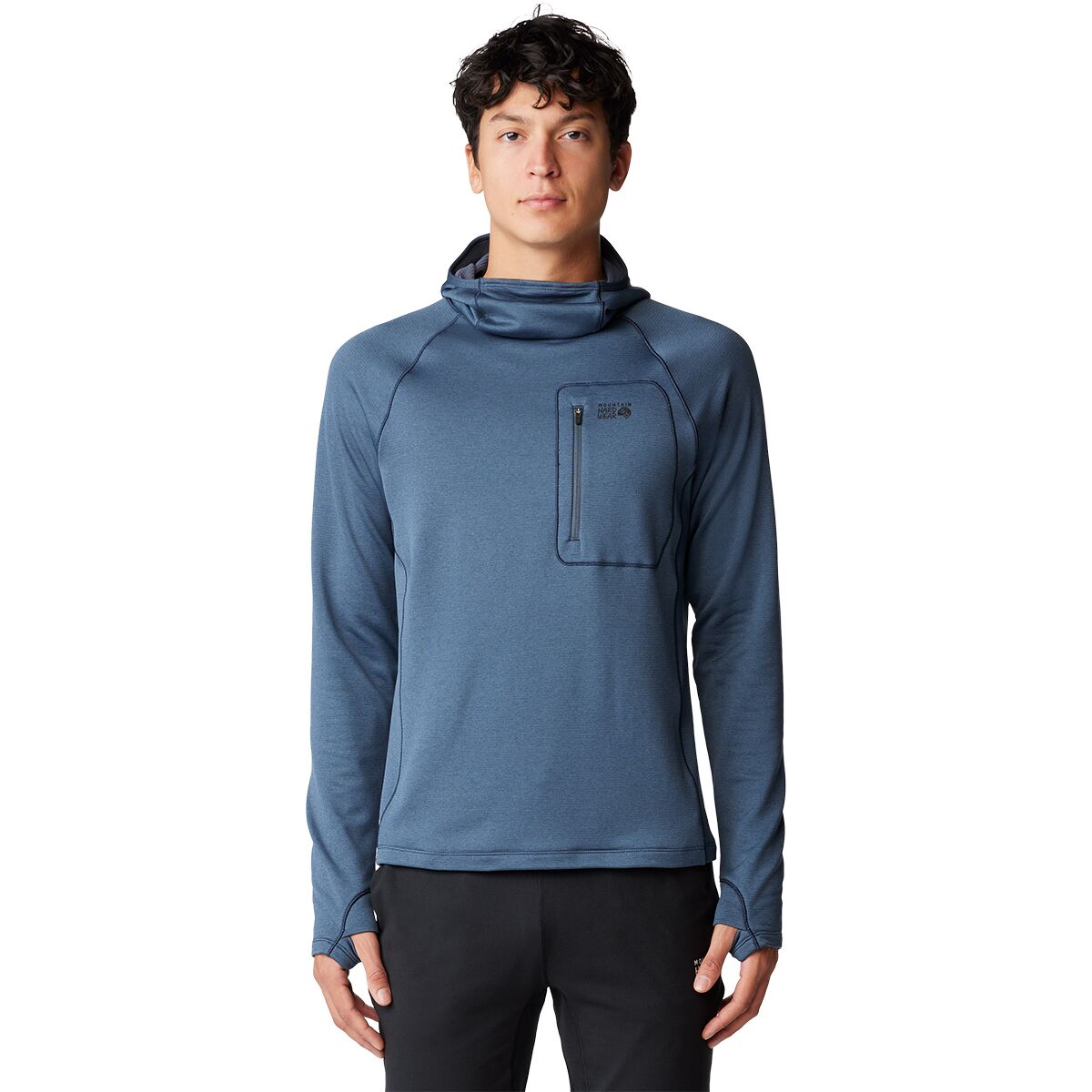 Mountain Hardwear Mens Hike Camp Hoodies & Sweaters
 Mountain Hardwear Mens Hike Camp Jackets
 Mountain Hardwear Mens Hike Camp Pants
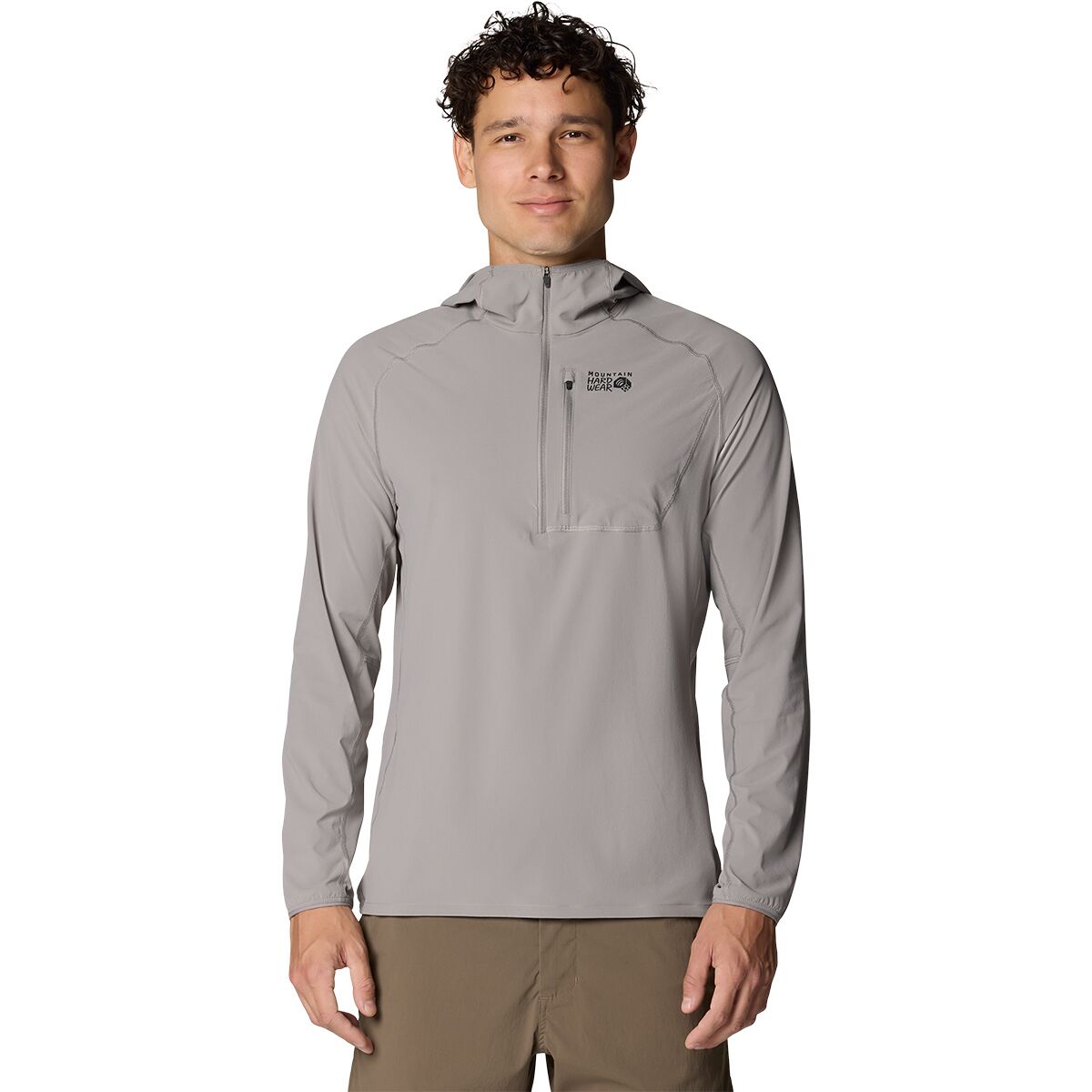 Mountain Hardwear Mens Hike Camp Shirts
 Mountain Hardwear Mens Hike Camp Shorts
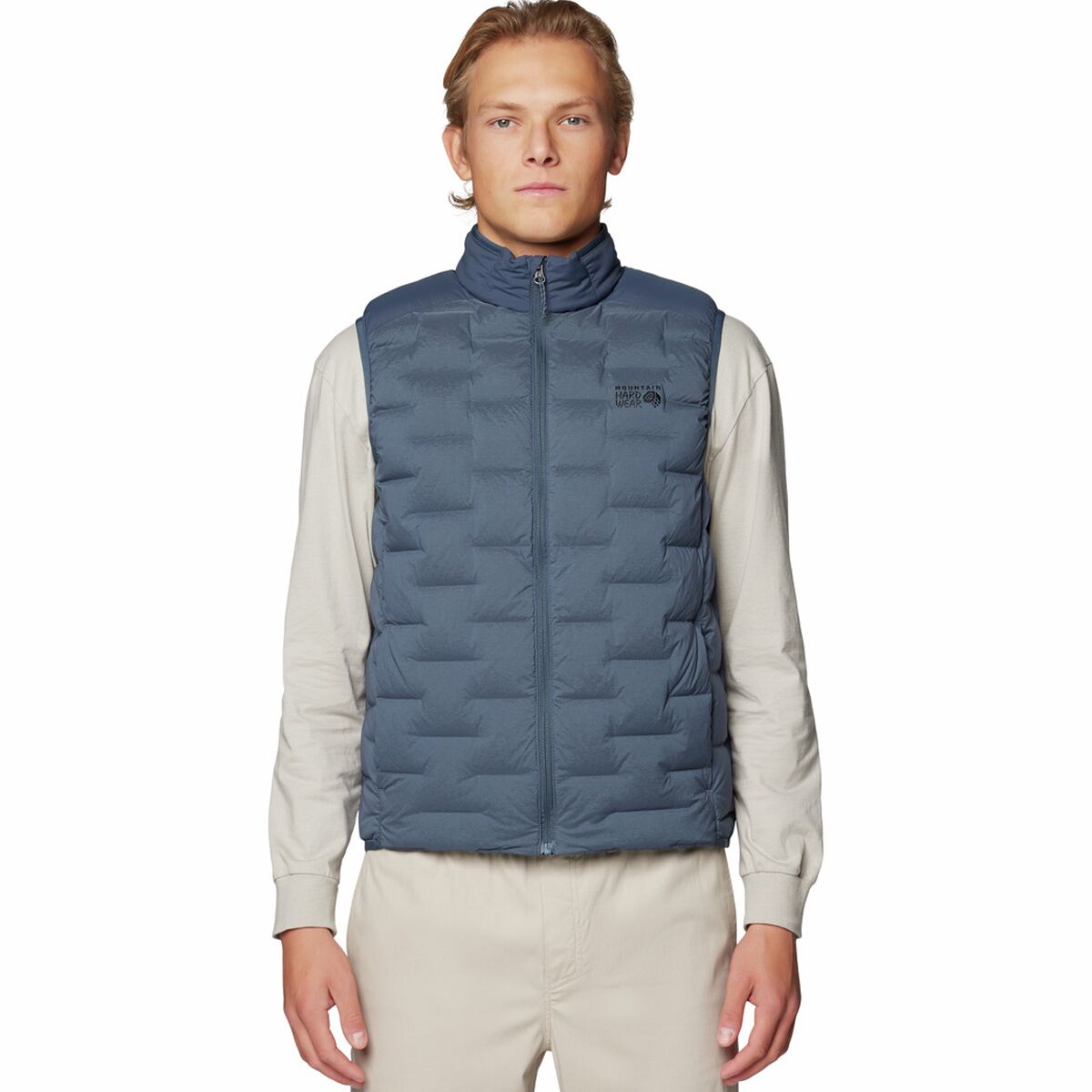 Mountain Hardwear Mens Hike Camp Vests
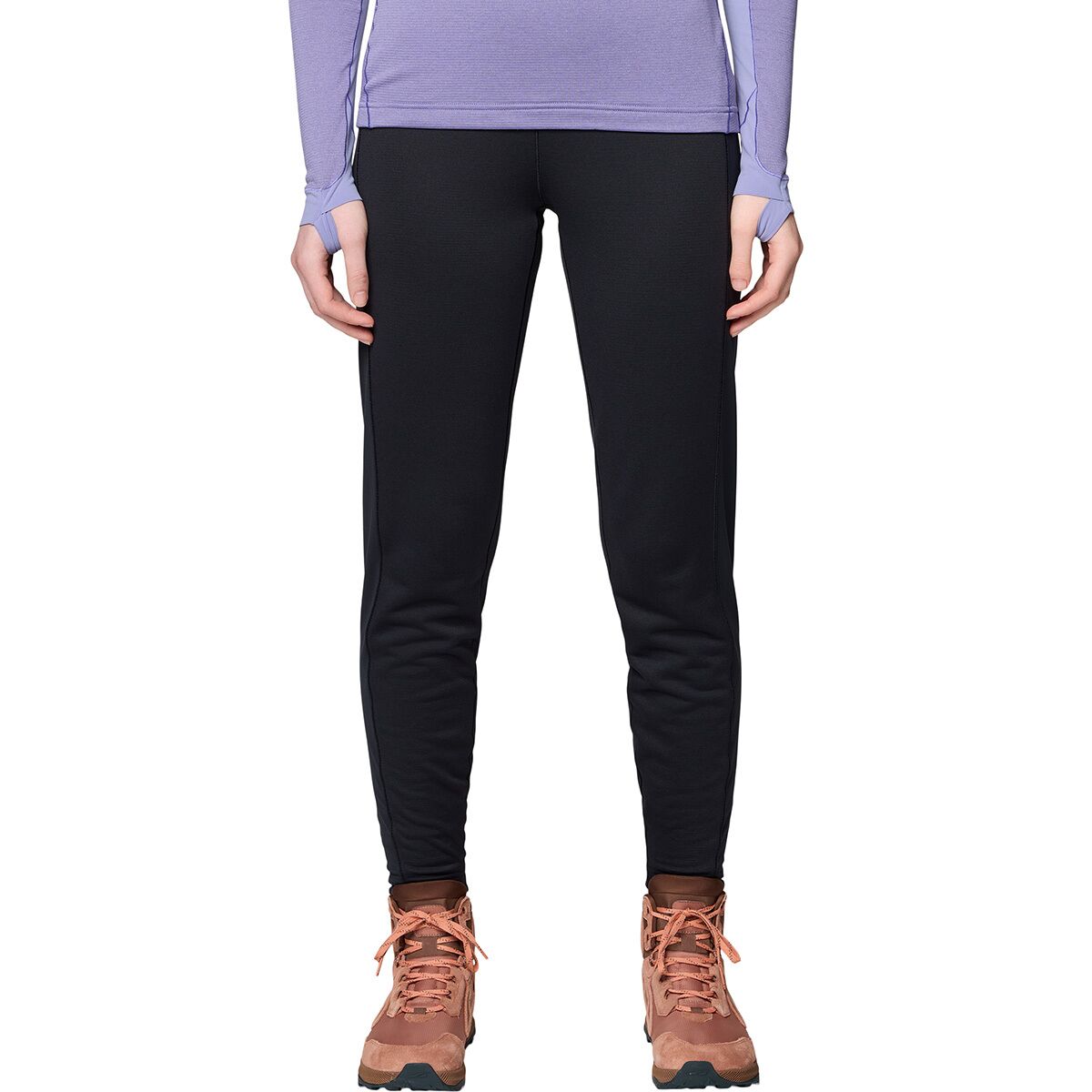 Mountain Hardwear Womens Hike Camp Baselayers
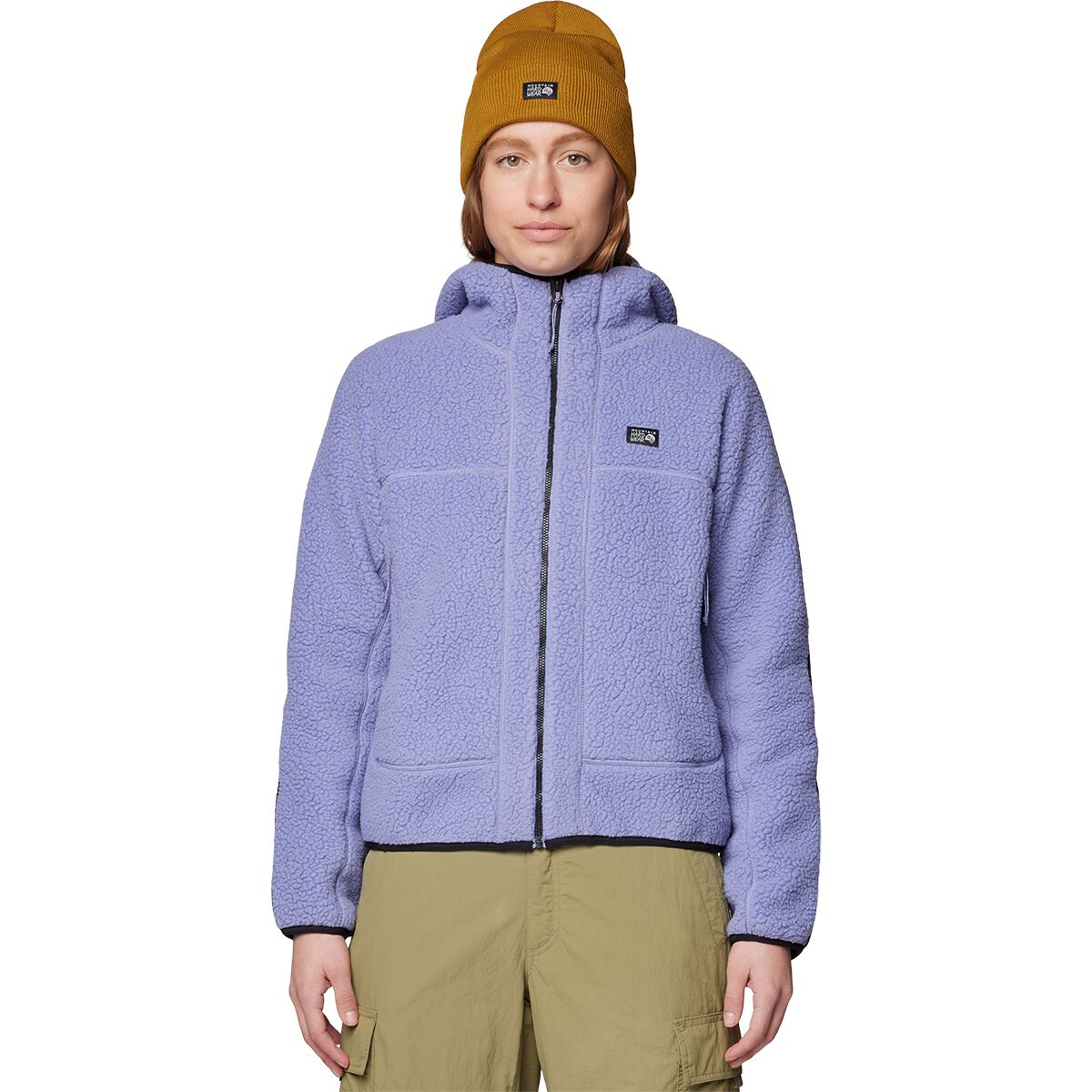 Mountain Hardwear Womens Hike Camp Jackets
 Mountain Hardwear Womens Hike Camp Pants
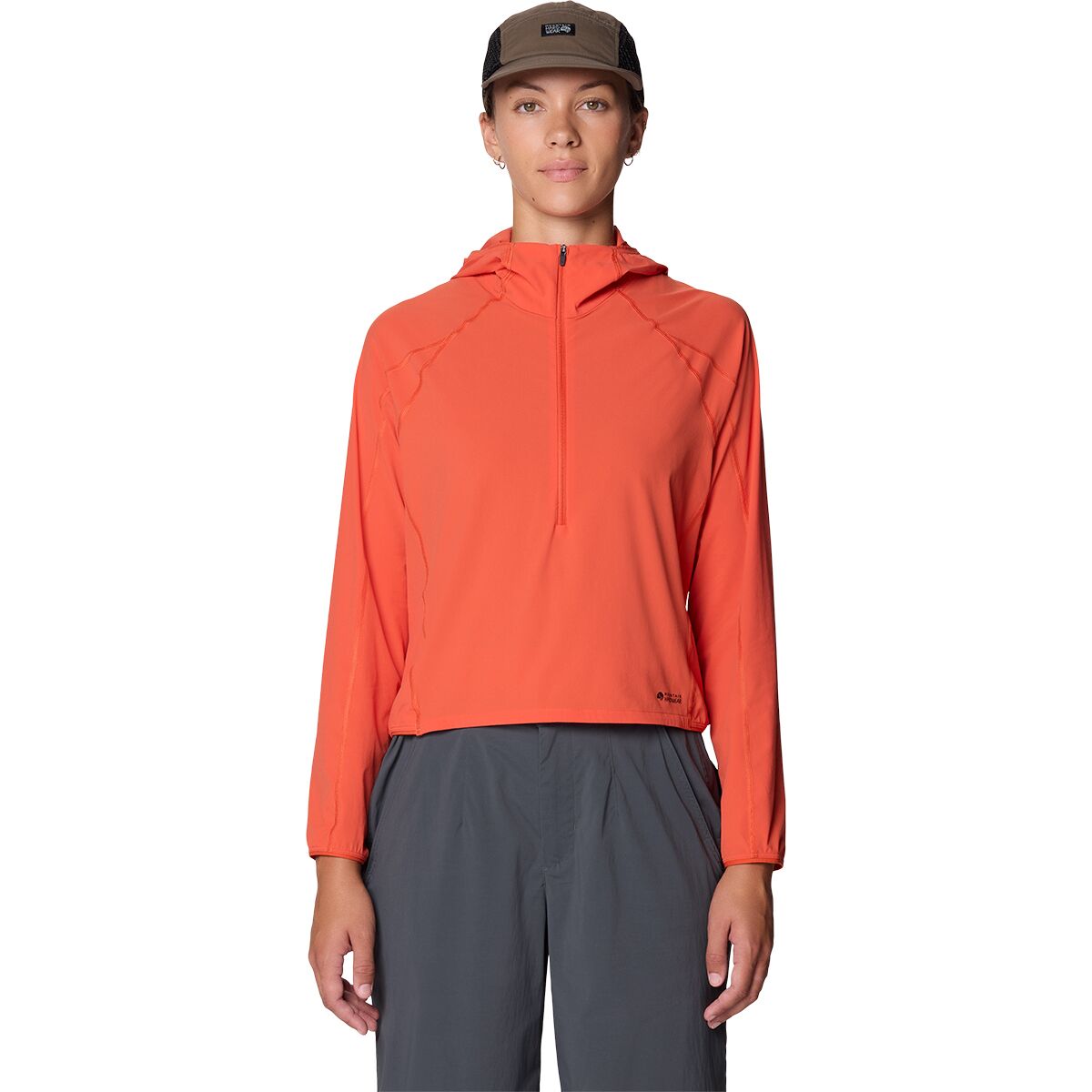 Mountain Hardwear Womens Hike Camp Tops
Frequently Asked Questions
What materials and construction features make Mountain Hardwear hike-and-camp pieces perform well on multi-day trips?
Mountain Hardwear uses recycled polyester, ultralight ripstop nylon and technical fabrics plus Gore‑Tex on waterproof shells to balance breathability, weather resistance and abrasion protection. Key construction details—reinforced seams and zippers, taped high‑stress areas, mapped insulation and mechanical‑stretch panels—improve durability and mobility without adding unnecessary bulk.How do I choose between the Crag Wagon 35, Powabunga 32, and Snoskiwoski 40 packs for hiking or overnight trips?
Pick the pack volume and suspension that match trip length and load: the Crag Wagon 35 is a versatile mid‑volume day-to-overnight option, the Powabunga 32 suits fast, light day hikes and trail runs, and the Snoskiwoski 40 is built for longer days or multi‑day loads and often uses very lightweight materials with an aluminum frame for added support. Fit by torso length and hip‑belt comfort is more important than stated liters—try them loaded and prioritize a secure hip transfer and shoulder strap fit.Should I choose Exposure/2 Gore‑Tex Shell Bibs or Hardwear AP Pant for wet, technical terrain?
Choose the Exposure/2 Gore‑Tex Shell Bibs when you need full waterproof protection, extended coverage and easier on‑the‑move ventilation (features like 3/4 side zips improve access and shedding wetness). The Hardwear AP Pant prioritizes mobility and abrasion resistance for scrambling or mixed terrain with durable fabrics and articulated fit; it’s a better choice when you expect heavy wear but only intermittent wet conditions.How should I size insulated layers like the Ghost Whisperer/2 Down Hoody versus the Diamond Peak Thermal Hoody for active hiking?
For active use, size insulated layers to allow a close, athletic fit that permits a light base layer underneath—avoid overly roomy cuts that trap excess air and weight during high exertion. Choose the Ghost Whisperer/2 Down Hoody if you want an ultralight, compressible down option for lower‑moisture conditions, and the Diamond Peak Thermal Hoody if you prefer weather‑tolerant synthetic insulation that handles damp environments and retains warmth when wet.What are the main weight vs. durability trade-offs to consider with Trail Sender shorts and Mountain Hardwear packs?
Trail Sender shorts use ultralight ripstop (about 93 g/m²) and mechanical‑stretch for fast, high‑exertion movement, which saves weight but can be less protective on sharp, abrasive routes; reinforced panels or heavier fabrics increase longevity at the cost of ounces. Similarly, lighter packs favor pared‑down fabrics and frames for speed, while heavier‑built models add CORDURA or reinforced stitching and stiffer frames for longevity and load stability—choose based on terrain abrasiveness and how much gear you carry.