


Up To 20% Off Full-Price Items
Shop now
EXTRA 20% Off Clearance
Shop now | Ends 11/9
Get An EXTRA $50 Cash Back*
Summit+ exclusive
Mountain Equipment Hike & Camp
23 results

Mountain Equipment
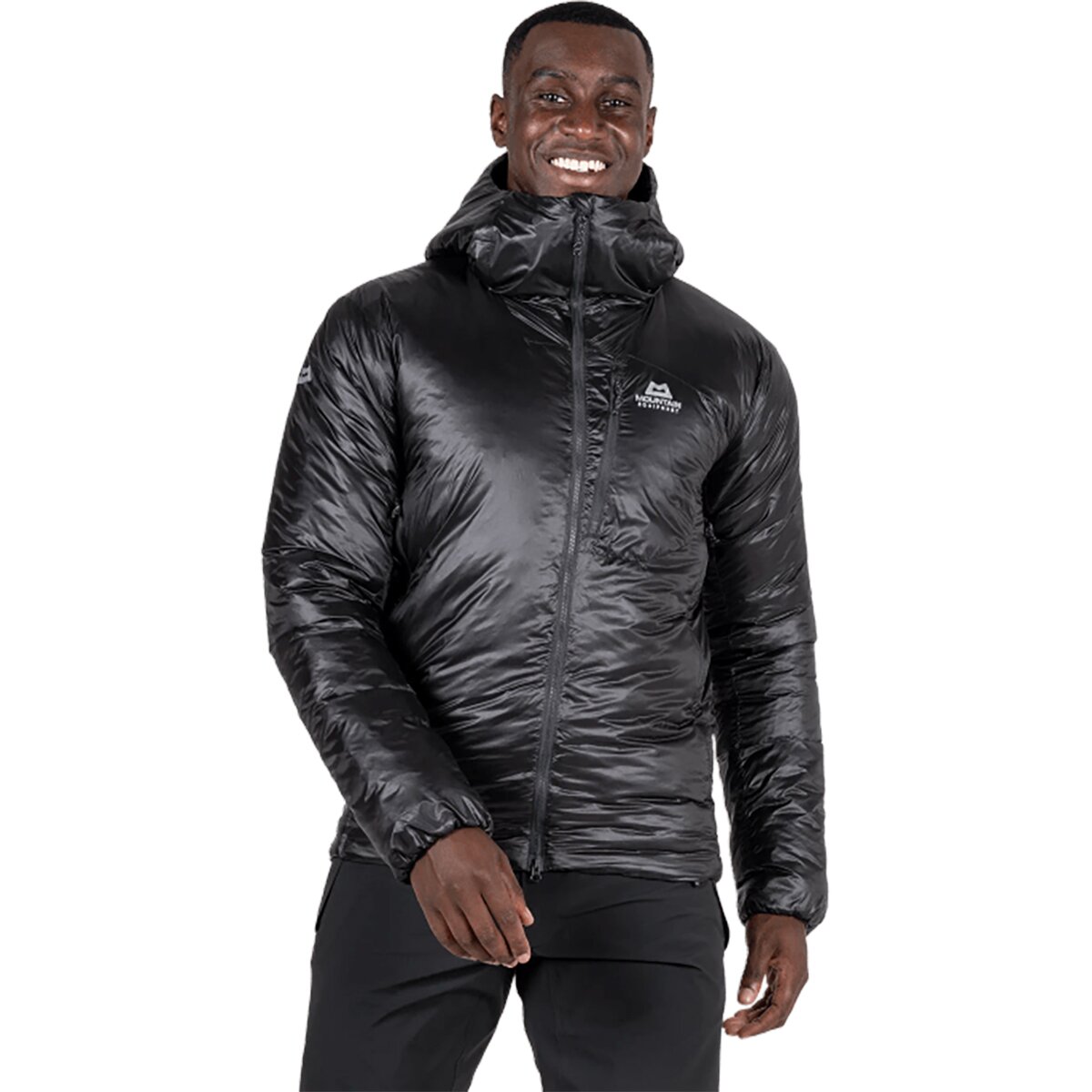
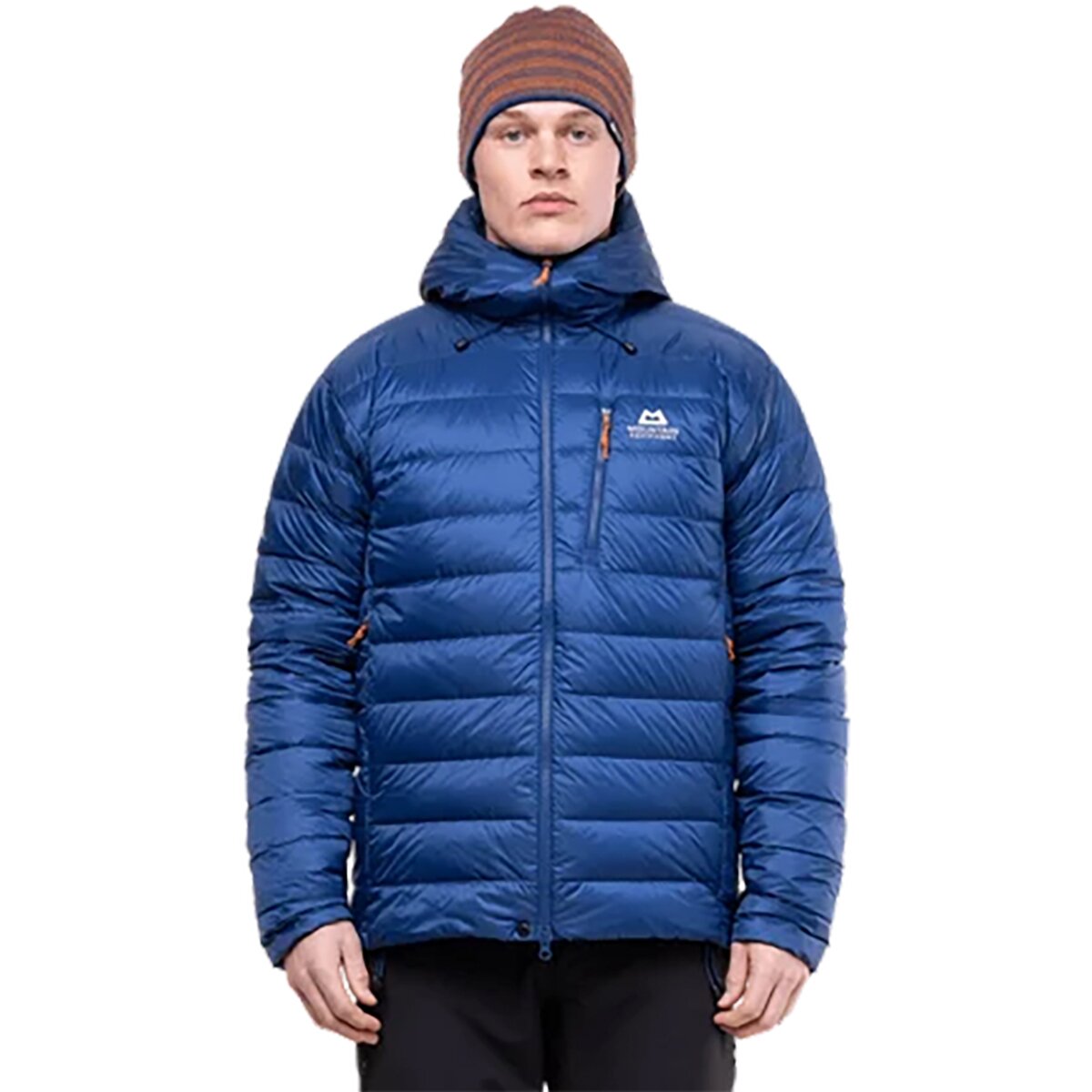
Oreus Hooded Jacket - Men's
2 colors
Discount Applies In Cart | Ends 11/16
(2)

Mountain Equipment
Baltoro Jacket - Men's
3 colors
Discount Applies In Cart | Ends 11/16
New Arrival

Mountain Equipment
Xenith Hooded Jacket - Men's
2 colors
Discount Applies In Cart | Ends 11/16


Mountain Equipment
Makalu Jacket - Men's
3 colors
Discount Applies In Cart | Ends 11/16

Mountain Equipment
Paiyu Jacket - Men's
3 colors
Discount Applies In Cart | Ends 11/16
New Arrival

Mountain Equipment
Switch Base Zip T - Men's
2 colors
Discount Applies In Cart | Ends 11/16

Mountain Equipment
Lumiko Hooded Jacket - Men's
3 colors
Discount Applies In Cart | Ends 11/16

Mountain Equipment
Ibex Mountain Pant - Men's
2 colors
Discount Applies In Cart | Ends 11/16

Mountain Equipment
Eclipse Hooded Fleece Jacket - Men's
1 color
Winter Sale
(1)

Mountain Equipment
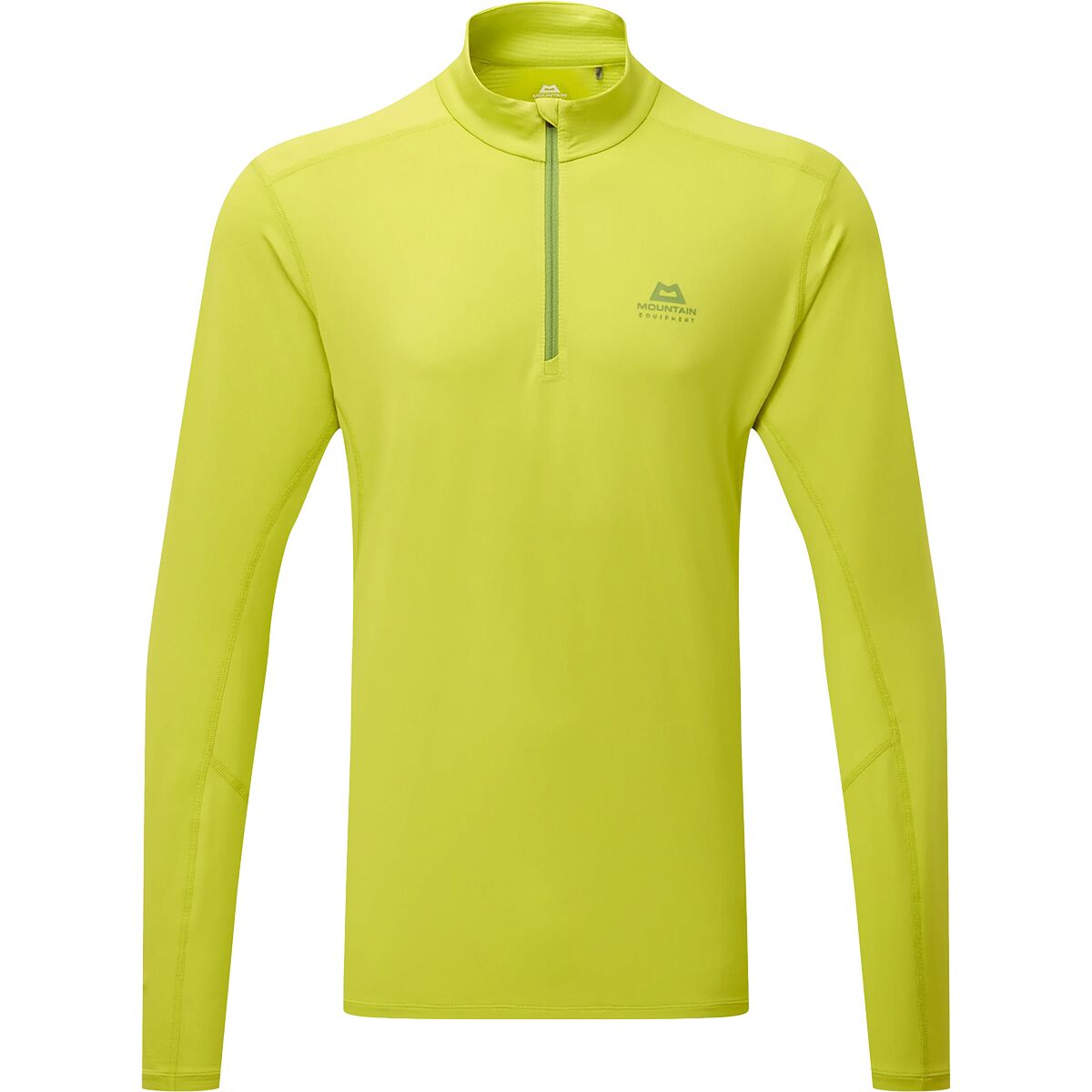
Cerrig Long-Sleeve Zip Top - Men's
2 colors
Discount Applies In Cart | Ends 11/16

Mountain Equipment
Aerotherm Jacket - Men's
2 colors
Discount Applies In Cart | Ends 11/16

Mountain Equipment
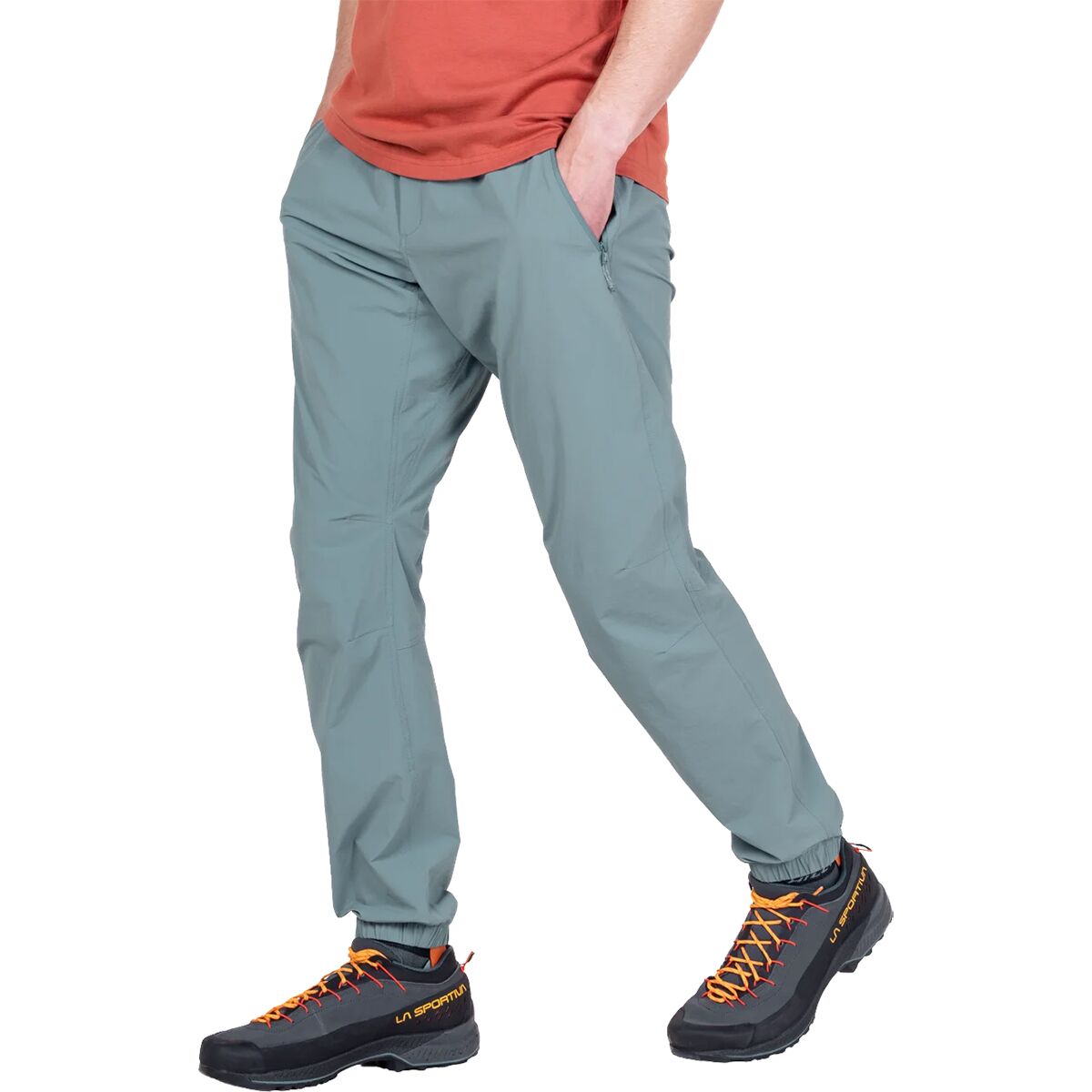
Approach Pant - Men's
1 color
Discount Applies In Cart | Ends 11/16

Mountain Equipment
Spyre Jacket - Men's
2 colors
Discount Applies In Cart | Ends 11/16

Mountain Equipment
Sella Pant - Men's
1 color
Discount Applies In Cart | Ends 11/16

Mountain Equipment
Raintower Jacket - Men's
2 colors
Discount Applies In Cart | Ends 11/16

Mountain Equipment
Khor Pant - Men's
2 colors
Discount Applies In Cart | Ends 11/16

Mountain Equipment
Flowstone Pant - Men's
1 color
Discount Applies In Cart | Ends 11/16

Mountain Equipment
Aerofoil Hooded Jacket - Men's
2 colors
Discount Applies In Cart | Ends 11/16
New Arrival

Mountain Equipment
G2 Mountain Pant - Men's
1 color
Discount Applies In Cart | Ends 11/16

Mountain Equipment
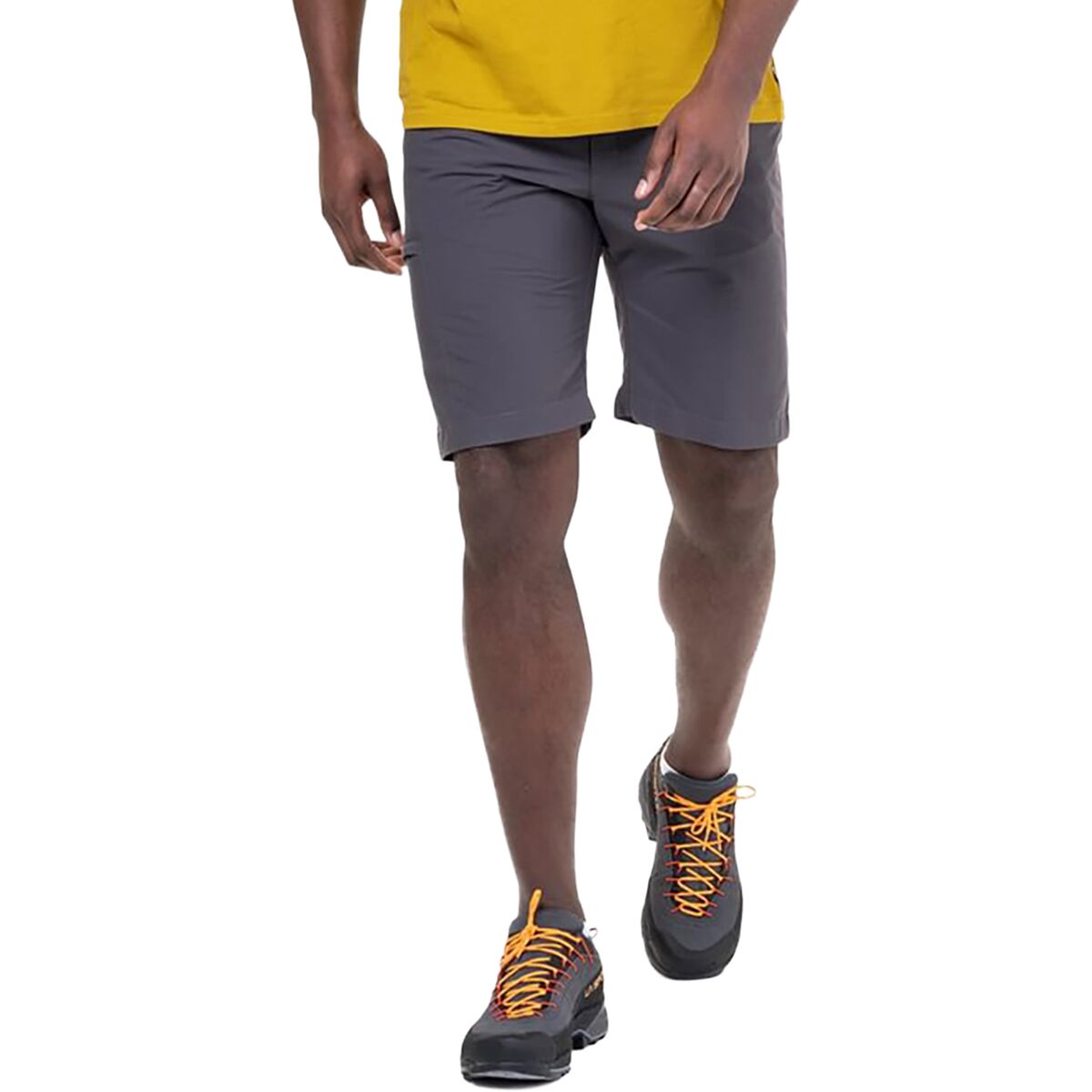
Approach Short - Men's
1 color
Discount Applies In Cart | Ends 11/16

Mountain Equipment
Makalu Jacket - Men's
1 color
10% Cashback Eligible

Mountain Equipment
Glace Hoodie - Men's
2 colors
Discount Applies In Cart | Ends 11/16
(2)

Mountain Equipment
Eclipse Hooded Zip-T-Shirt - Men's
1 color
Discount Applies In Cart | Ends 11/16
Related Categories
Frequently Asked Questions
How do I choose the right Mountain Equipment jacket for hiking, trekking, or alpine routes?
Pick by activity and layering: lightweight, highly packable waterproofs are best for day hikes and summer treks, while helmet-compatible, more rugged shell jackets suit alpine routes and winter climbing. Look for hood type (see Super Alpine HC vs Mountain HC), taped seams, and durable face fabrics if you expect abrasions; pair a breathable midlayer or insulated jacket for cold or prolonged stops. Prioritize a fit that allows full arm lift and room for base and midlayer when choosing size.What's the difference between the Super Alpine HC Hood and the Mountain HC Hood on Mountain Equipment jackets?
The Super Alpine HC Hood is the largest, designed to fit over climbing helmets and provide full coverage and stability in severe alpine conditions, while the Mountain HC Hood is lower-profile and better for non-helmeted hiking and general trekking. Choosing between them depends on whether you need helmet compatibility and extra volume versus lower bulk and better pack/pack-hood integration.How should I size Mountain Equipment packs and clothing for multi-day treks?
For packs, size by intended load and torso length: pick a larger-volume model with a supportive hipbelt and load-lifter adjustment for heavy, multi-day trips; choose a lighter, smaller volume for fast-and-light outings. For clothing, size to allow layering—base layer close to the skin, midlayer with room for insulation, and shells with mobility for scrambling; check hip/shoulder strap clearance so jackets don't bind when the pack is worn. Inspect features like reinforced bottoms, multiple attachment points, and Cordura reinforcements if you plan technical travel or heavy gear.Are Mountain Equipment waterproof jackets breathable enough for strenuous ascents and variable weather?
Yes, many Mountain Equipment shells are built with waterproof-breathable membranes and ventilation features (pit zips or adjustable hem/hood vents) to shed moisture during high-output moves while keeping rain out. Breathability varies by fabric and construction, so choose jackets with active-venting if you expect steep ascents or sustained exertion, and pair them with moisture-wicking base layers to manage sweat.Should I choose a lightweight pack or a reinforced Cordura pack for mountain trails and when?
Choose a lightweight pack for fast day hikes or minimalist multi-day treks where every ounce matters and loads are modest; these prioritize low weight and often use lighter fabrics. Opt for a reinforced Cordura pack when you need abrasion resistance, durability for technical routes, ski/ice-axe carry features, or you expect frequent contact with rocks and rough surfaces—those builds trade a bit of weight for long-term toughness.